Explore our tier-1 manufactured commercial cells, wall-mounted home battery storage, and dynamic power supply modules built for extreme dependability.
Deciphering chemical configurations, technical architectures, and user-intent-based energy sourcing strategies.
The 9-volt battery, traditionally known as the PP3 size, has long been a staple in both household electronics and critical industrial applications. Historically dominated by single-use alkaline and zinc-carbon chemistries, the market has undergone a significant paradigm shift toward rechargeable solutions. This transition is motivated by two key factors: economic viability for high-drain applications and environmental mandates restricting single-use battery waste.
Modern 9V rechargeable batteries are not single, monolithic blocks; instead, they are complex assemblies of smaller cells connected in series, managed by integrated micro-circuitry. Depending on the chemical formulation—whether Nickel-Metal Hydride (NiMH), Lithium-Ion (Li-ion), or Lithium Iron Phosphate (LiFePO4)—the internal nominal voltage, discharge rate, capacity density, and cycle lifetime vary widely. For global B2B buyers and engineers, matching the battery's specific electrical parameters with the targeted application is critical to operational success.
"According to current global energy research, the commercial transition from alkaline 9V formats to advanced Lithium-based 9V systems reduces active carbon footprints by over 74% across a standard 3-year operating lifecycle in commercial buildings."
Selecting the appropriate 9V rechargeable system requires understanding how chemistry governs electrical performance. Below is a comprehensive breakdown of the three primary rechargeable formats:
| Battery Chemistry | Nominal Voltage | Typical Capacity (mAh) | Cycle Life (80% DoD) | Self-Discharge Rate (Monthly) | BMS Requirement |
|---|---|---|---|---|---|
| Nickel-Metal Hydride (NiMH) | 8.4V - 9.6V | 150 - 300 mAh | 500 - 1,000 Cycles | 15% - 30% (Standard) / ~1% (LSD) | Not Required |
| Lithium-Ion (Li-polymer) | 7.4V - 8.4V (Constant 9V via Buck Boost) | 500 - 1,200 mAh | 500 - 800 Cycles | ~2% - 5% | Mandatory (OVP/UVP) |
| Lithium Iron Phosphate (LiFePO4) | 9.6V (3 cells in series) | 200 - 450 mAh | 2,000 - 3,000 Cycles | ~1.5% | Mandatory (Active Balancing) |
Why leading global corporations leverage Chinese manufacturing hubs for custom power cell production and supply chain optimization.
Chinese factories are situated in the center of the world's most robust lithium supply chain. From raw material refining (lithium, cobalt, nickel) to high-precision electrode coating and automated assembly, every step occurs within close geographic proximity. This minimizes logistics friction and guarantees raw material availability even during global shortages.
Constructing a high-performance 9V battery pack requires sorting individual lithium cells by capacity, internal resistance, and voltage drop. China's top-tier facilities employ state-of-the-art automated cell sorting machines. This ensures that every multi-cell 9V pack operates with perfect balance, maximizing lifecycle safety and capacity.
Whether your project requires low-noise profiles for high-end audio gear, specialized housing designs for medical devices, or smart USB-C ports built directly into the battery casing, Chinese manufacturing partners offer end-to-end CAD design, rapid prototyping, and automated PCB production.
How distinct industry sectors deploy 9V rechargeable technologies to reduce operational overhead and meet safety regulations.
In commercial buildings, changing thousands of backup batteries annually presents a massive labor expense. Standard rechargeable cells often self-discharge too quickly to be reliable in low-draw standby systems. Modern Low Self-Discharge (LSD) NiMH and specialized Li-polymer cells are designed to retain up to 85% of their charge over 2-3 years, making them ideal safety backups.
Wireless microphones, stage monitors, and active guitars consume substantial power, draining a standard alkaline 9V battery in hours. High-capacity Li-ion 9V cells (up to 1200mAh) provide consistent voltage delivery, eliminating performance degradation and dropouts during live broadcasts.
Healthcare systems require extreme reliability. Medical equipment like portable EKG monitors and patient telemetry devices rely on 9V configurations for backup power. Advanced lithium 9V chemistries paired with smart BMS modules ensure short-circuit and over-temperature protections, meeting strict ISO 13485 medical device regulations.
Macro-Industry Solution: For large-scale enterprises, we recommend transitioning to a standardized lithium-ion system with integrated USB-C charging ports. This architecture eliminates the need for external charging docks, simplifies logistics, and allows maintenance personnel to recharge batteries using standard office USB ports.
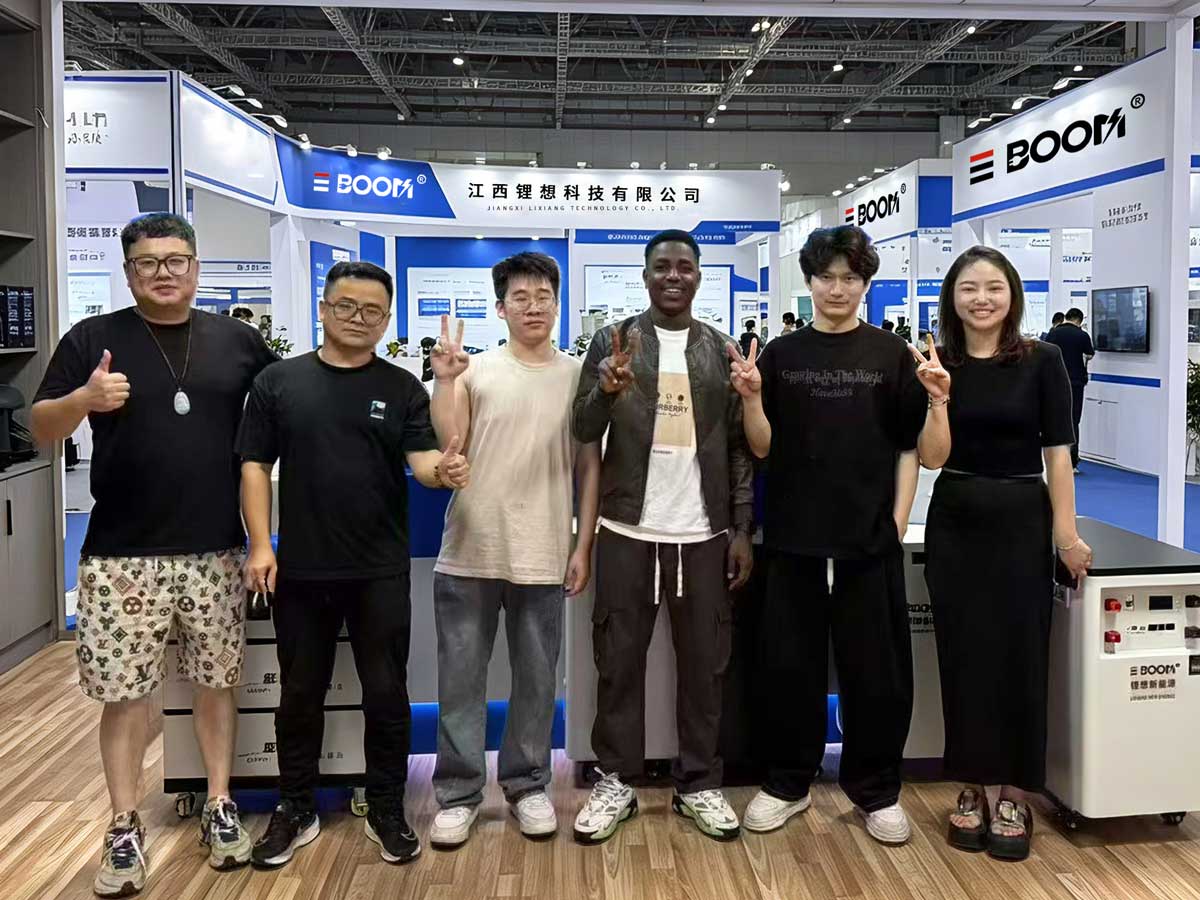
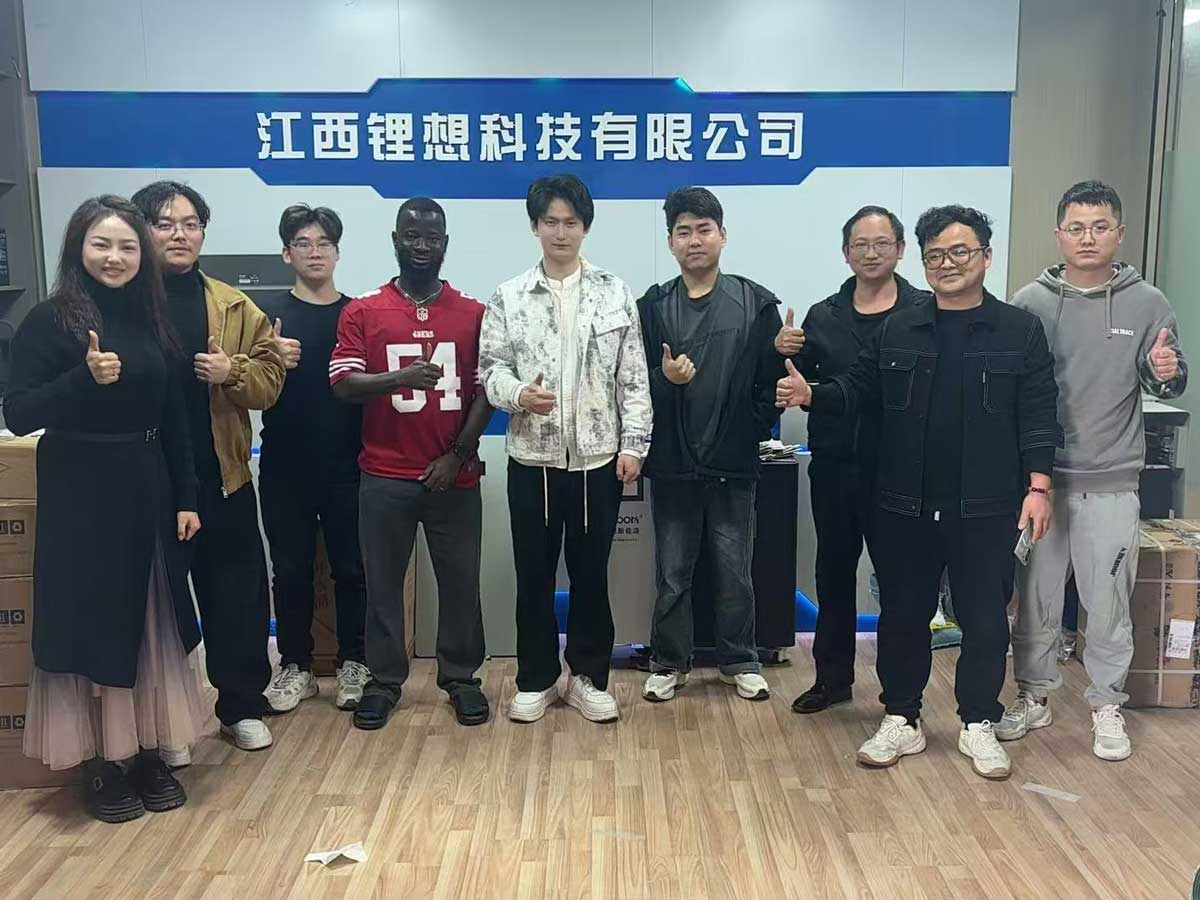
With 20 years of dedicated expertise in the renewable energy industry, Jiangxi Lithium Idea Technology Co., Ltd. stands as a globally trusted manufacturer and supplier of integrated energy storage systems, inverters, solar panels, and custom commercial cells.
For over two decades, we have specialized in designing, engineering, and producing high-performance energy solutions that empower residential, commercial, and industrial users worldwide to achieve energy independence, reduce carbon footprints, and secure reliable power supply.
Our core mission is to deliver innovative, high-quality, and affordable renewable energy solutions that make clean energy accessible to everyone. As an industry leader, we continue to invest heavily in R&D, advance green technology, and partner with global customers to build a sustainable, low-carbon future.


Navigating the complex regulatory landscape for shipping, certifying, and importing commercial battery systems.
When importing rechargeable batteries, ensuring compliance with international safety and quality standards is paramount. B2B procurement professionals must verify that their manufacturing partners possess the following certifications:
Batteries are classified as Class 9 Dangerous Goods. Shipping 9V lithium rechargeable batteries requires strict adherence to regulations. Working with an experienced exporter ensures that:
Engineered to integrate seamlessly with your smart grid or industrial backup systems.
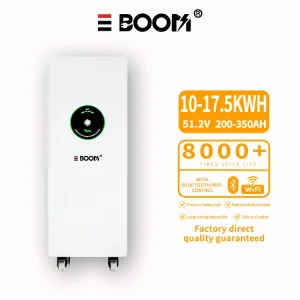
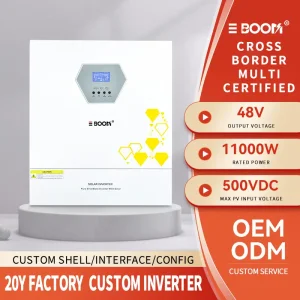
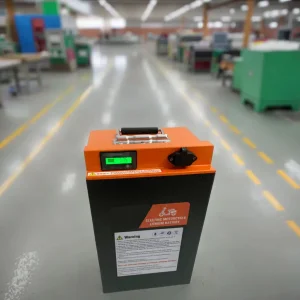
Technical clarity and procurement assistance for global wholesale battery buyers.
Lithium-ion cells have a nominal voltage of 3.7V. When two cells are connected in series, the nominal configuration outputs 7.4V, which rises to 8.4V when fully charged. For most electronic equipment, this range is fully compatible. However, for devices requiring exactly 9.0V, advanced factories integrate a buck-boost converter onto the internal BMS board, maintaining a steady, regulated 9.0V output throughout the discharge cycle.
NiMH batteries are generally heavier, have lower energy density (typically up to 300mAh), and suffer from memory effects if not managed correctly. However, they do not require complex protection circuits and can tolerate over-discharge. Lithium 9V batteries are lighter, offer higher capacity (up to 1200mAh), maintain a stable discharge curve, and have extremely low self-discharge rates, but they must feature an integrated safety circuit (BMS) to protect against short circuits and overcharging.
We exclusively source Class A automotive-grade cells from globally recognized brands like EVE, Gotion High-Tech, and BYD. During production, every batch undergoes rigorous cell testing, matching internal resistance, capacity curves, and temperature stability. The final assemblies are tested under simulated extreme loads and come backed by our 10-year remote warranty.
A premium 9V Battery Management System (BMS) monitors cells in real-time. It protects against Over-Charge Voltage (OCV) by shutting down charging when cells reach threshold limits, prevents Over-Discharge Voltage (ODV) to preserve battery health, limits peak current draws to prevent thermal runaway, and integrates Short-Circuit Protection (SCP) to instantly sever electrical paths in faulty environments.
Yes, this is an increasingly popular OEM option. By routing a small Type-C port directly to the internal BMS board, users can charge the battery using standard USB chargers, laptops, or power banks. A built-in LED indicator shifts color from red to green to signal when charging is complete.
For standard specifications, the typical factory MOQ starts at 1,000 units. For customized OEM shell molding, branding, or unique circuitry configurations, the MOQ is 5,000 units. Standard production lead times average 25-35 days, including testing, safety certifications, and custom export packing.
 Lithium Idea