As the most populous nation in Central Asia, Uzbekistan is undergoing a profound transformation in its energy sector. Under the "Strategy 2030" framework, the Uzbek government has pivoted sharply toward renewable energy, aiming to generate 25% of its electricity from renewable sources by 2030. This shift is driven by a critical need to modernize aging Soviet-era grid infrastructure and meet the surging electricity demand from rapid industrialization in cities like Tashkent, Namangan, and Samarkand.
For global procurement managers and industrial developers, the Uzbekistan market presents a unique challenge: extreme continental climates with temperatures fluctuating from -20°C in winter to +50°C in summer. This necessitates "Hot Products" that are not merely functional but engineered for thermal stability and high-cycle durability.
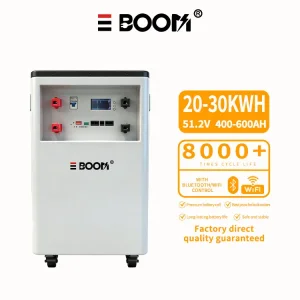
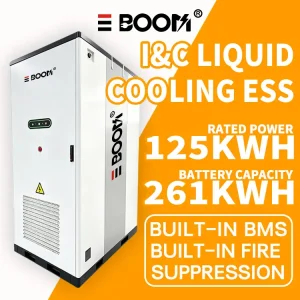
Special Economic Zones (SEZs) such as Navoi and Angren are witnessing a massive influx of manufacturing plants. These facilities require stable, high-capacity Commercial & Industrial (C&I) Energy Storage Systems (ESS) to mitigate power fluctuations and manage peak-shaving costs.
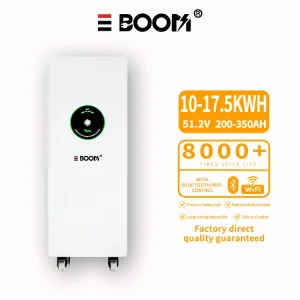
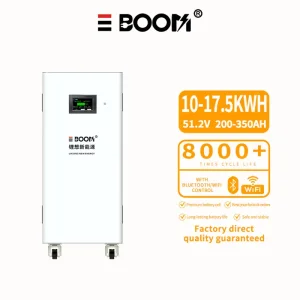
Uzbekistan's national grid is transitioning to a more decentralized model. Lithium-ion battery technology, particularly LiFePO4 (LFP), is becoming the gold standard for bridging the gap between volatile solar generation and consistent demand.
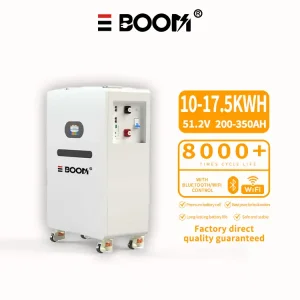
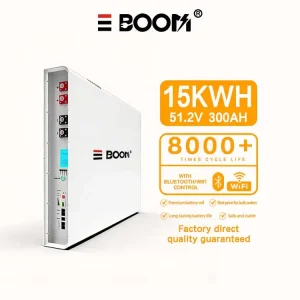
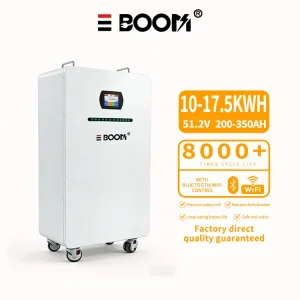
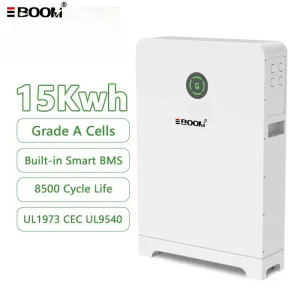
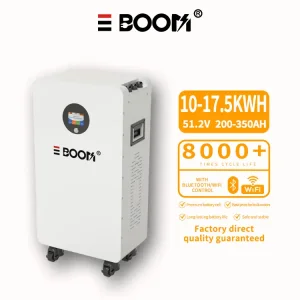
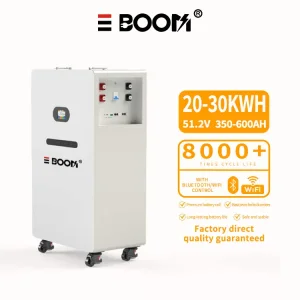
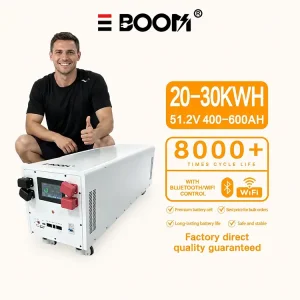
With new government subsidies for domestic solar installations, the demand for 5kWh to 15kWh wall-mounted and wheeled ESS has skyrocketed among Uzbek homeowners seeking energy independence.
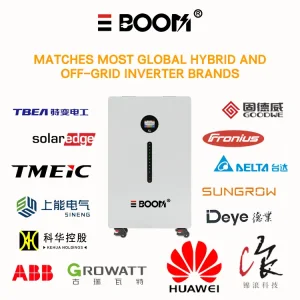
With two decades of dedicated R&D, Jiangxi Lithium Idea Technology has evolved into a powerhouse for integrated renewable energy solutions. We specialize in the entire value chain—from sourcing automotive-grade Grade A cells (EVE, BYD, Gotion) to engineering smart BMS (Battery Management Systems) that interface seamlessly with global inverter brands like Deye, Growatt, and Victron.
Our commitment to the Uzbekistan market is backed by robust technical support and a deep understanding of local compliance needs. We provide more than just products; we deliver Information Gain through customized engineering roadmaps for every project.
Consult Our Engineers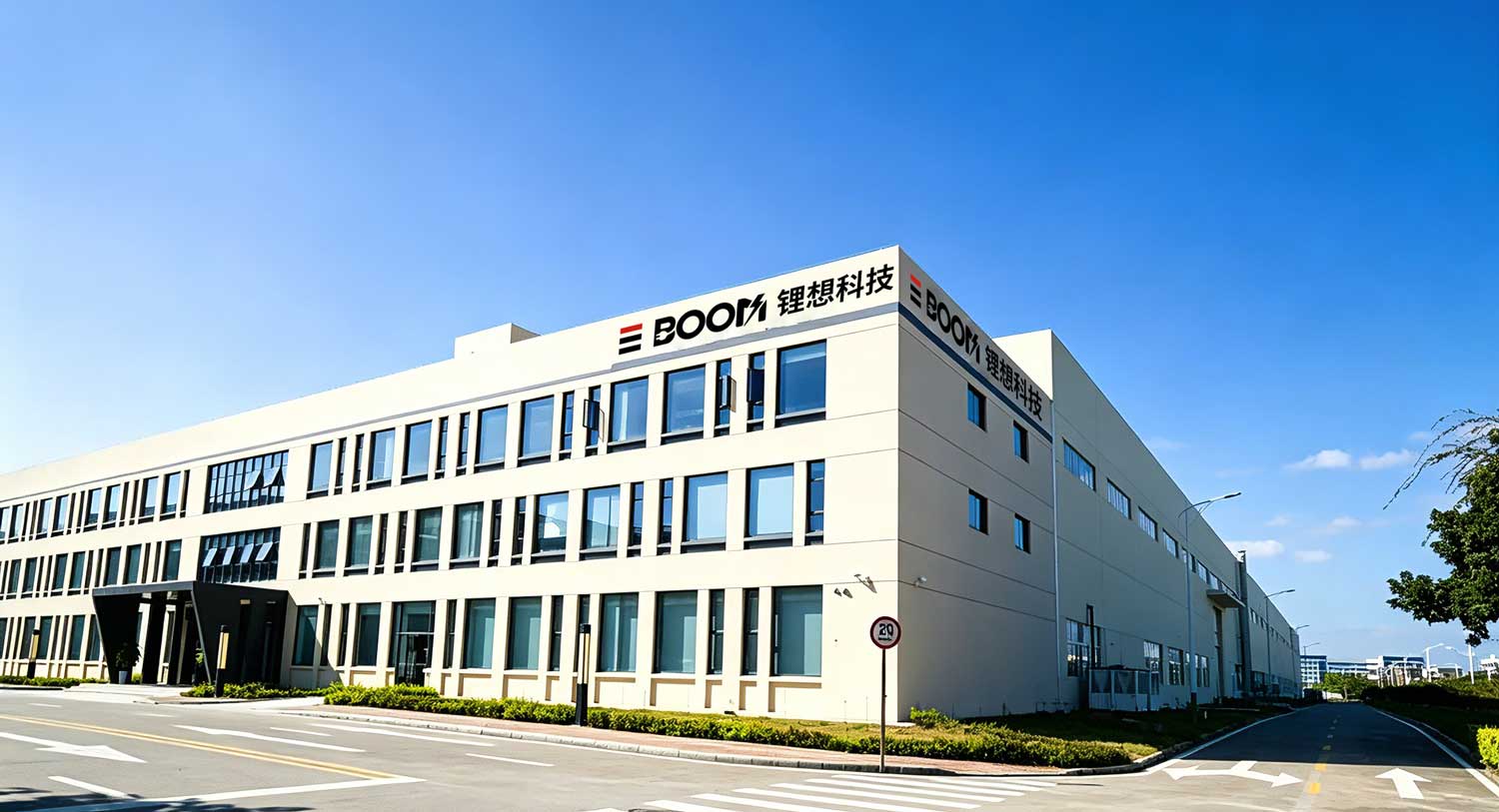
For large-scale factories in Tashkent, our liquid-cooled 125kW/261kWh systems provide superior thermal management, preventing cell degradation in the intense Uzbek heat.
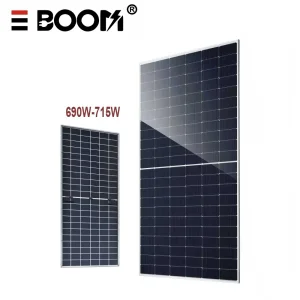
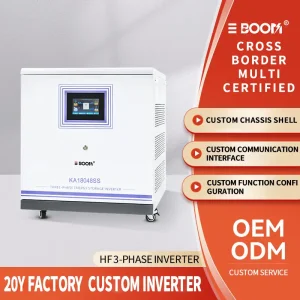
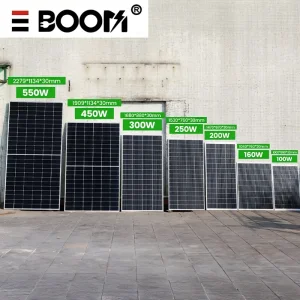
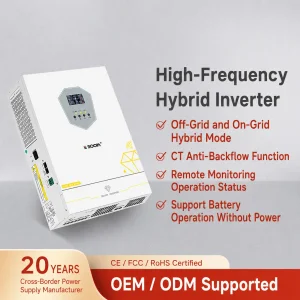
Integrating high-frequency hybrid inverters with 550W-700W Monocrystalline panels to ensure zero-downtime for commercial offices and medical facilities.
We provide comprehensive DDP (Delivered Duty Paid) solutions for Uzbekistan, handling customs clearance from Jiangxi to Tashkent, ensuring a hassle-free procurement experience.
The next decade will see a shift toward Solid-State Batteries and Smart Grid Integration. At Jiangxi Lithium Idea, our technical roadmap for the Uzbekistan market focuses on three pillars:
As the Uzbek government implements more stringent energy efficiency standards, our ISO 9001 and CE-certified products ensure that your investment remains compliant and future-proof.
A: LFP batteries have a higher thermal runaway temperature (approx. 270°C) compared to NCM (approx. 210°C). In Uzbekistan’s hot summers, LFP provides a much higher safety margin and significantly longer cycle life (8000+ vs 2000 cycles).
A: Yes, our 550W-700W Monocrystalline panels feature IP68-rated waterproof junction boxes and specialized anti-reflective coatings that maintain high efficiency even in high-soiling (dusty) environments common in the Steppe regions.
A: Absolutely. Our hybrid inverters and smart BMS systems come with built-in WiFi/GPRS modules, allowing for real-time cloud monitoring and remote technical diagnostics from our factory in China.
A: Typically, sea-land multimodal transport from our factory to Tashkent takes 25-35 days, including customs clearance procedures.
 Lithium Idea