 Lithium Idea
1 / 3
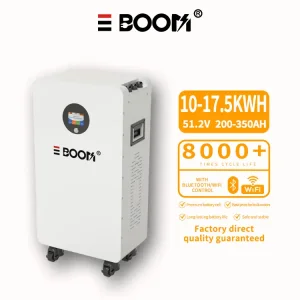
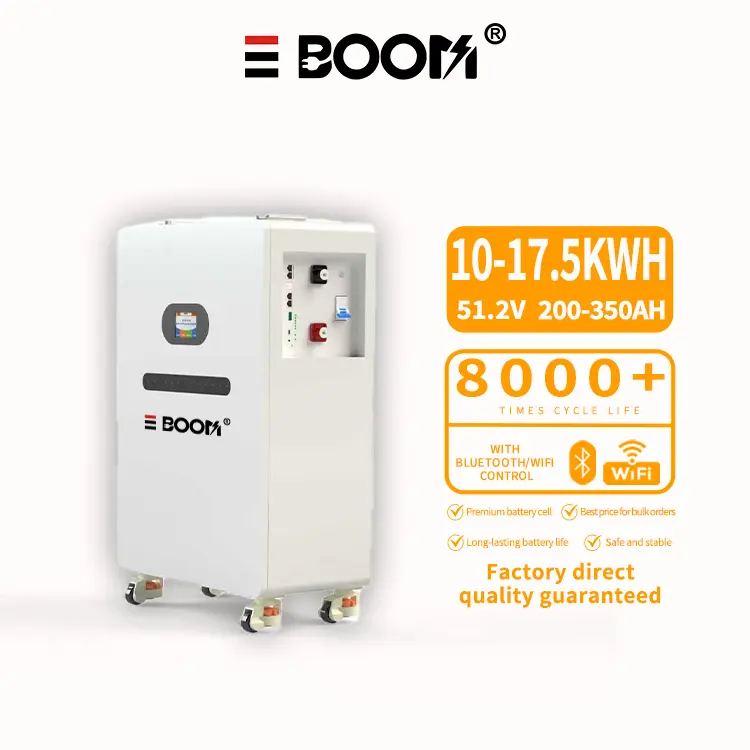
| Energy Storage Lithium Battery Parameter Table | ||||||
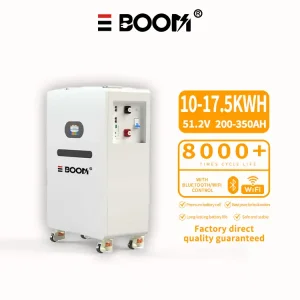
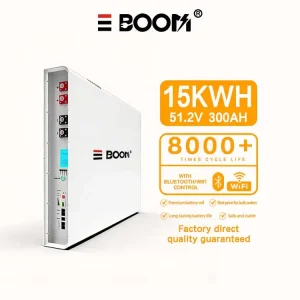
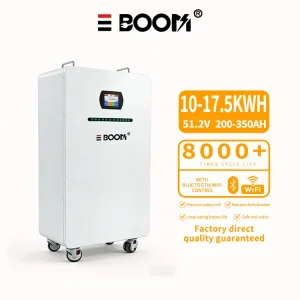
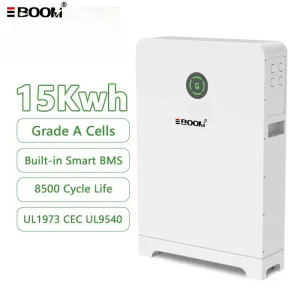
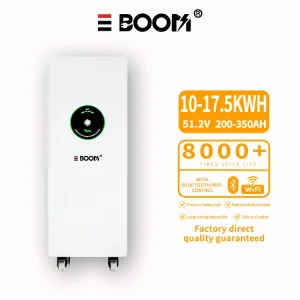
| Model | LXL11-10 | LXL11-12.5 | LXL11-15 | LXL11-16 | LXL11-17.5 | |
| Cell Type | Lithium Iron Phosphate (16S1P) | |||||
| Standard Voltage | 51.2V(DC) | |||||
| Voltage Range | 46V-58.4V(DC) | |||||
| Cell Capacity | 200Ah | 250Ah | 300Ah | 314Ah | 300Ah | |
| Installed Capacity | 10Kwh | 12.5Kwh | 15Kwh | 16Kwh | 17.5Kwh | |
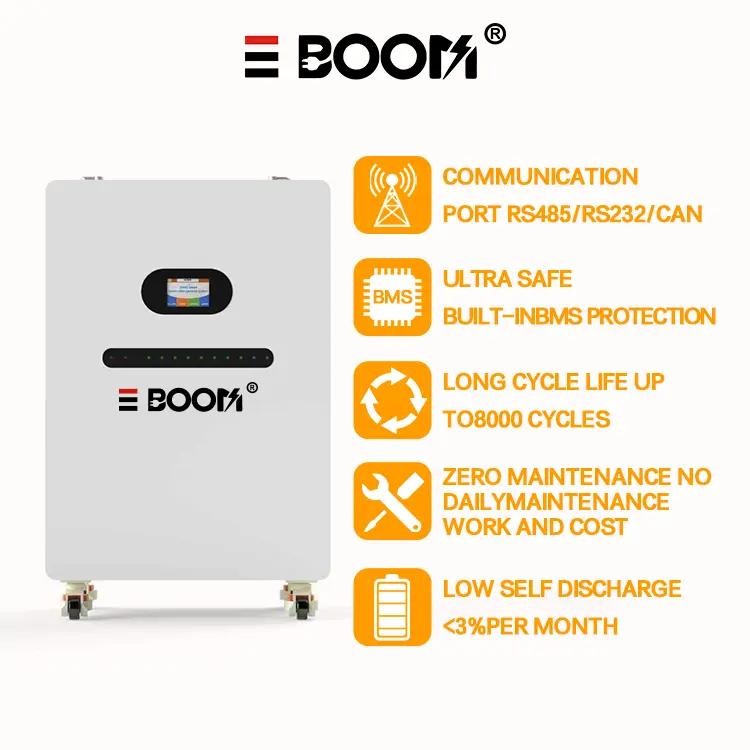
| Communication | RS232/RS485/CAN/Bluetooth/WIFI | |||||
| BMS Protection | Overcharge / Overdischarge / Short circuit / Overcurrent / Overtemperature | |||||
| Max Charging Current | ≤100A | ≤150A | ||||
| Max Discharging Current | ≤200A | ≤200A | ||||
| Cycle Life | ≥8,000 cycles @ 85% DOD & 25℃ | |||||
| Warranty | 10 years | |||||
| IP Rating | IP54 | |||||
| Parallel Support | Up to 16 units in parallel | |||||
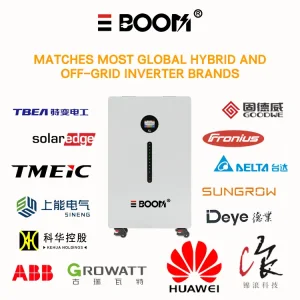
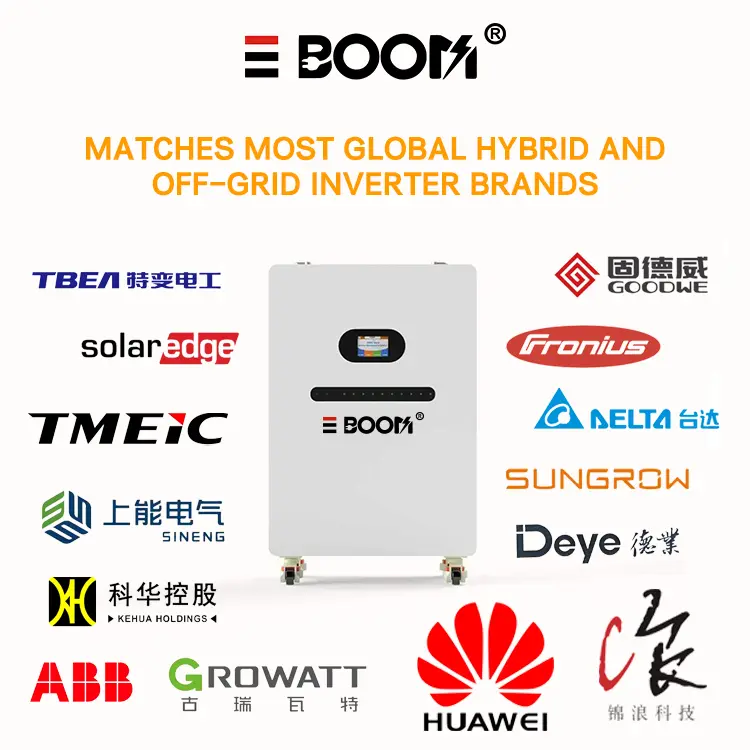
| Compatible Inverters |
|
|||||
This is perfect for the customer who runs a small business from home, operates a mini-mart, or maintains a workshop. The narrative focuses on capacity, versatility, and reliability under load. We aren't just powering a lightbulb; we are powering a refrigerator full of stock, a row of computers, or a set of power tools. The story we tell is one of "Business Continuity." For a small business owner, a power outage isn't just an annoyance; it's lost revenue. Our system is the insurance policy that keeps the register ringing and the lights on when the competitor across the street has gone dark. We highlight the system's ability to handle high loads and its scalability. The marketing should feature diverse scenarios: a home office humming along during a blackout, a small grocery store keeping perishables cold, a creative studio powering equipment. This approach broadens the market from just "homeowners" to "micro-entrepreneurs." It suggests that our system is tough enough for industry but refined enough for the home, bridging the gap between residential comfort and commercial-grade performance.