 Lithium Idea
1 / 3
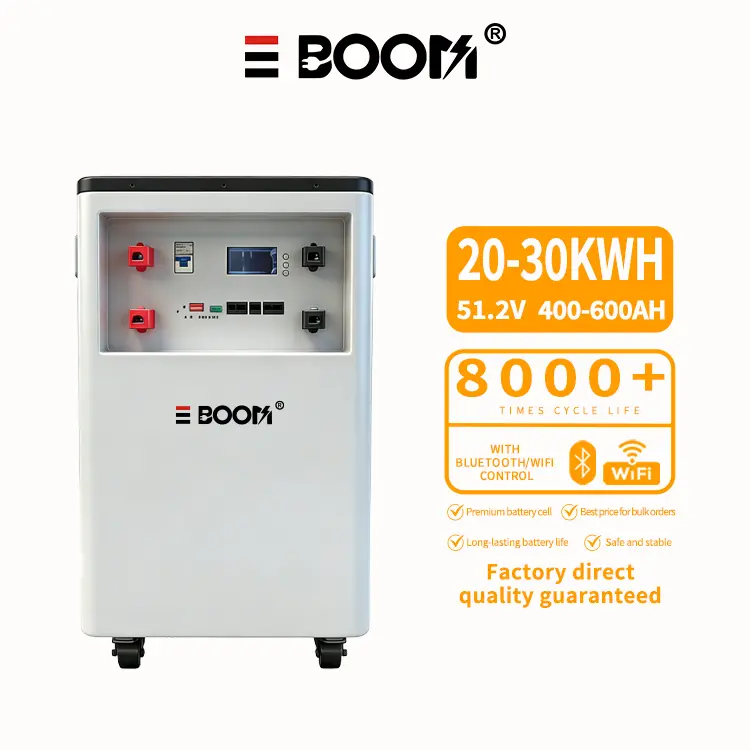
| Caster-Mounted Energy Storage Lithium Batteries | |||
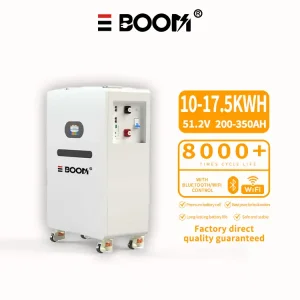
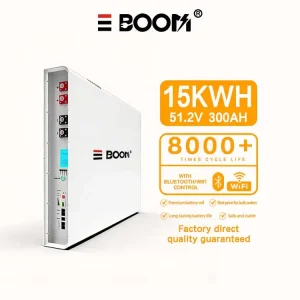
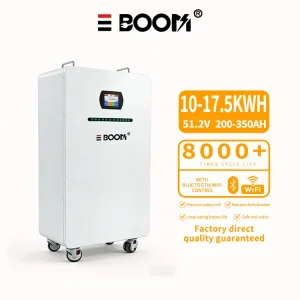
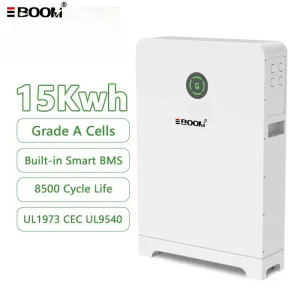
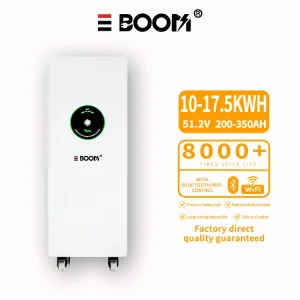
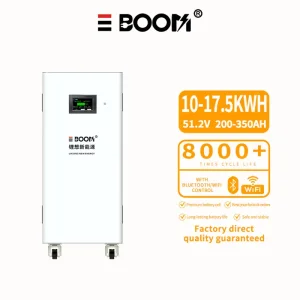
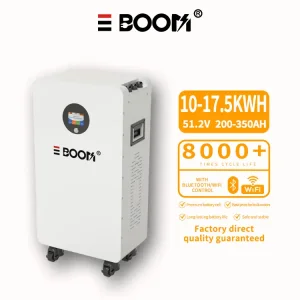
| Model | LXL3-20 | LXL3-25 | LXL3-30 |
| Cell Type | Lithium Iron Phosphate (16S2P) | ||
| Standard Voltage | 51.2V(DC) | ||
| Voltage Range | 46V-58.4V(DC) | ||
| Cell Capacity | 400Ah | 500Ah | 600Ah |
| Installed Capacity | 20Kwh | 25Kwh | 30Kwh |
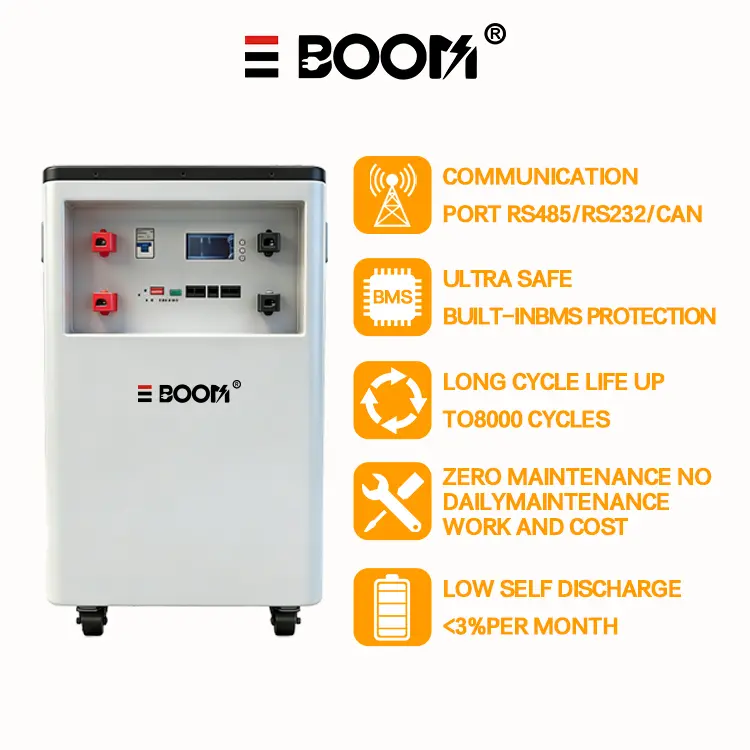
| Communication Type | RS232/RS485/CAN/Bluetooth | ||
| BMS Brand (J K) | Overcharge/Overdischarge/Short circuit/Overcurrent/Overtemperature protection | ||
| Maximum Charging Current | ≤150A (Can be customized) | ||
| Maximum Discharging Current | ≤200A (Can be customized) | ||
| Operating Temperature | Charging: 0 - 55℃ | Discharging: -20 - 60℃ | ||
| Operating Humidity (RH%) | 5%-96% | ||
| Cycle Life | ≥8,000 cycles @ 85% DOD & 25℃ | ||
| Warranty Years | 10 years | ||
| Size | 850*650*430mm | ||
| IP Rating | 54 | ||
| Parallel Support | Up to 16 units in parallel | ||
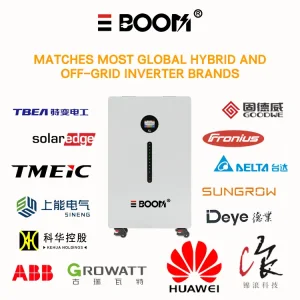
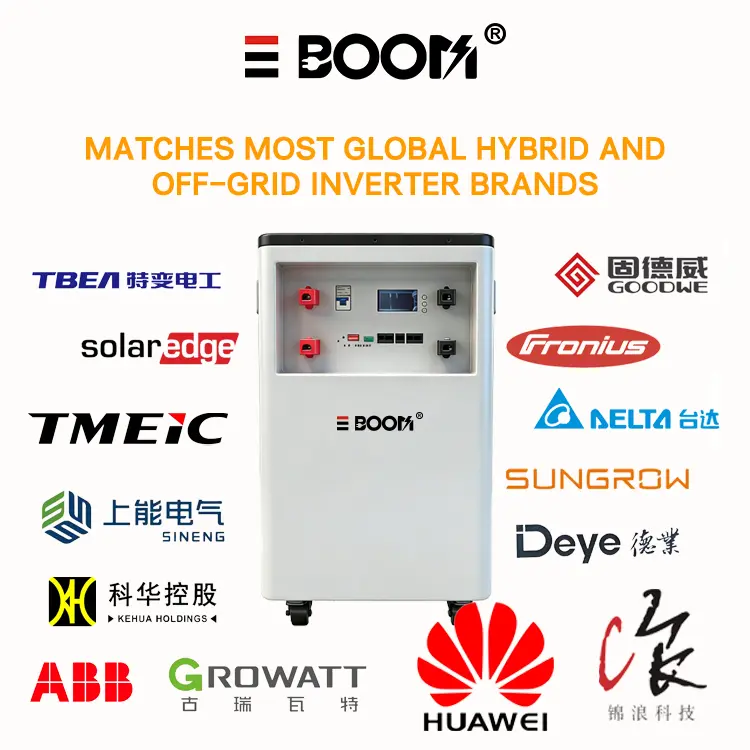
| Compatible Inverter |
|
||
| Others | Customization available for dimensions, capacity, interfaces, IP rating, and high-altitude adaptation (up to 3000M) | ||
The narrative is one of stewardship and responsibility. We explain that the grid is often powered by "peaker plants"—inefficient, dirty fossil fuel power stations that are fired up during times of high demand. By using stored energy during these peak times, our customers are actively reducing the demand for these polluting plants. We position the battery as a tool for carbon reduction. It’s not just about saving money; it’s about saving the planet. The marketing should be lush and green, focusing on the legacy we leave for our children.
We talk about "clean energy cycles" and "sustainable living." This scheme appeals to the idealist. It suggests that every kilowatt-hour stored is a vote for a cleaner future. It transforms the act of charging a battery into a moral imperative. The customer feels good every time they look at the unit, knowing that they are part of the solution, not the problem.
We can also tie this into the broader ecosystem of sustainability, suggesting that energy storage is the final piece of the puzzle in creating a truly net-zero home. It’s about living lightly on the earth, harvesting the abundance of nature without depleting it, and storing it responsibly for the times when the sun doesn't shine and the wind doesn't blow.