 Lithium Idea
1 / 3
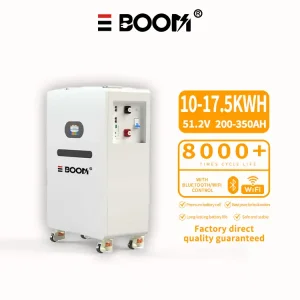
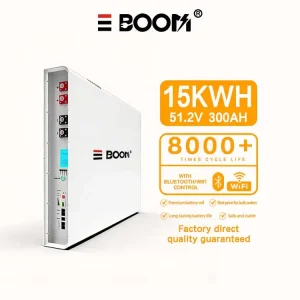
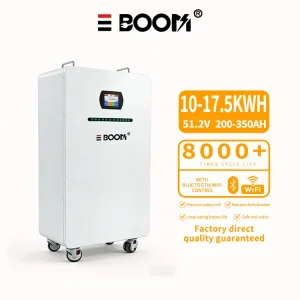
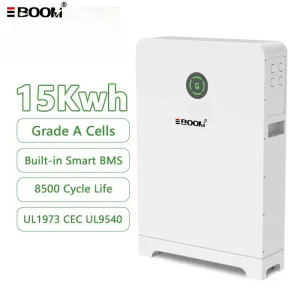
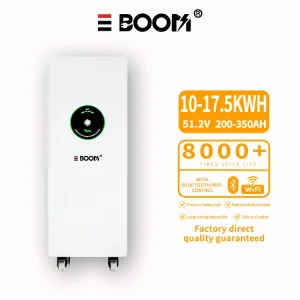
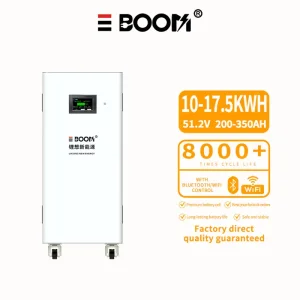
| Caster-Mounted Energy Storage Lithium Batteries | |||
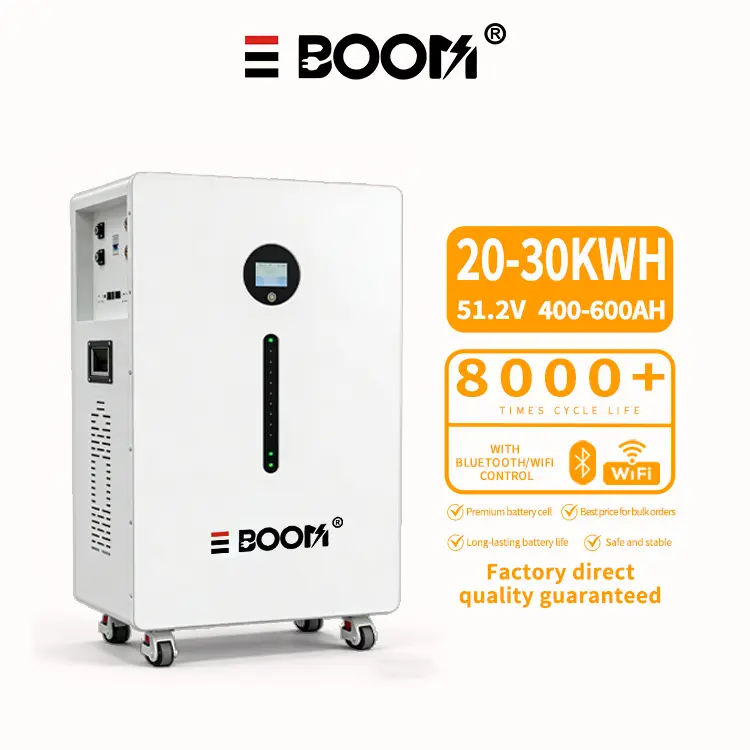
| Model | LXL9-20 | LXL9-25 | LXL9-30 |
| Cell Type | Lithium Iron Phosphate (LiFePO4 16S2P) | ||
| Standard Voltage | 51.2V (DC) | ||
| Cell Capacity | 400Ah | 500Ah | 600Ah |
| Installed Capacity | 20kWh | 25kWh | 30kWh |
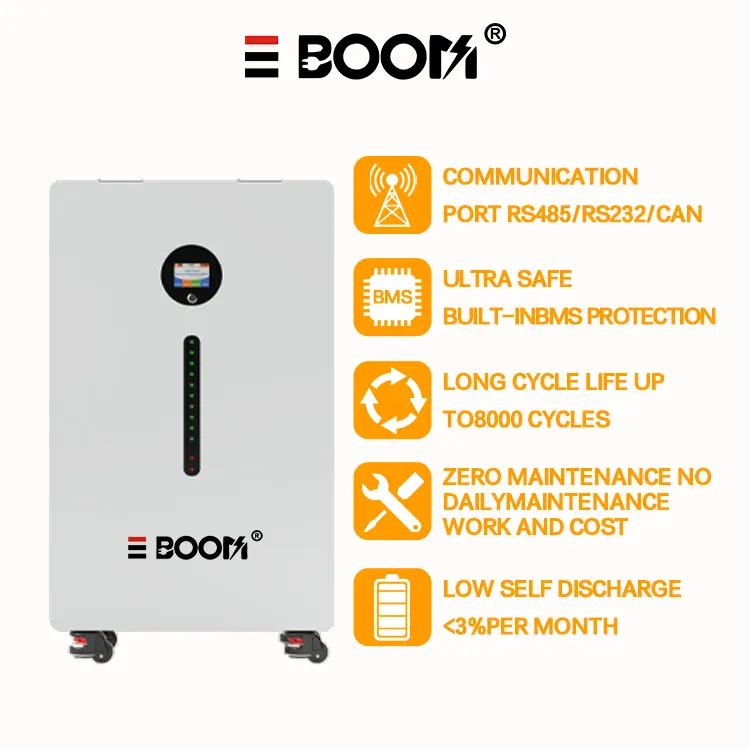
| Communication | RS232 / RS485 / CAN / Bluetooth / WIFI | ||
| BMS Protection | Overcharge, Overdischarge, Short Circuit, Overcurrent, Overtemperature | ||
| Cycle Life | ≥ 8,000 cycles @ 85% DOD & 25℃ | ||
| Warranty | 10 Years | ||
| IP Rating | IP54 | ||
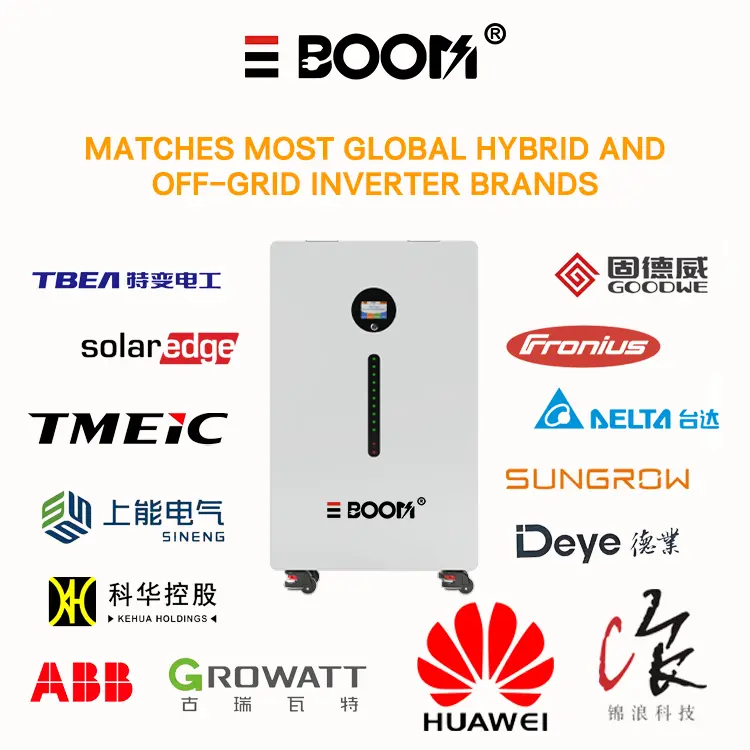
| Compatible Inverters |
|
||
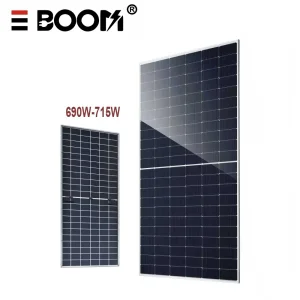
This positions our battery as the essential partner to solar photovoltaics, the missing link that transforms a daytime novelty into a 24-hour power solution. The core conflict here is the "Duck Curve"—the phenomenon where solar users generate massive amounts of power during the day when they aren't home, only to sell it back to the grid for pennies, and then buy it back at night for dollars. We present our system as the solution to this inefficiency. The narrative is one of synergy; the panels and the battery are two halves of a whole.
This approach validates the customer's initial investment in solar, promising to maximize the return on those panels. It paints a picture of a home that breathes with the rhythm of the earth—storing the day's abundance to light up the night. It appeals to the desire for a closed-loop system, where the home generates, stores, and consumes its own power, minimizing reliance on external infrastructure. By branding the battery as the "Solar Companion," we make it clear that a solar setup is incomplete without it.