Engineered with Tier 1 automotive-grade cells and intelligent management systems to offer robust backup, cycle efficiency, and unparalleled longevity.
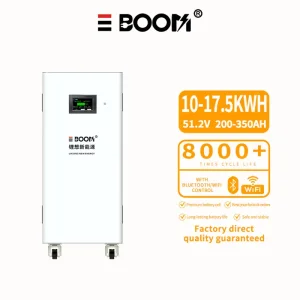
Designed for premium utility. This Grade A cell pack guarantees 8000 cycles and comes with a 10-year warranty directly from the manufacturer.
Inquire Now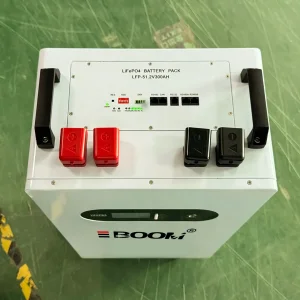
Premium wall-mounted option offering stable OEM/ODM configurations for customizable home battery systems with integrated high-performance BMS.
Inquire Now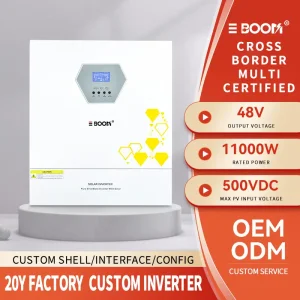
Equipped with MPPT, remote WiFi monitoring, and parallel connection support, matching standard C&I requirements perfectly.
Inquire Now
Optimized for long-duration discharge profiles. Grade A chemistry with 8000+ cycle capacity for resilient solar storage loops.
Inquire Now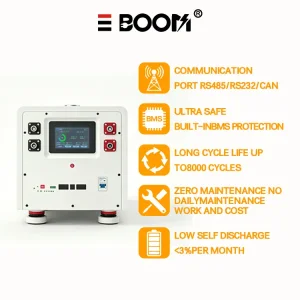
Premium blade layout design provides superior thermal management and high density storage options for modern household backups.
Inquire Now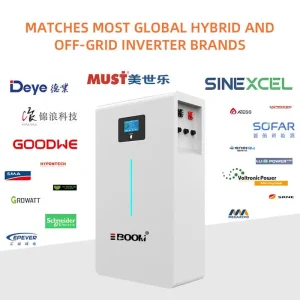
Compact architectural aesthetic matching clean integration setups, complete with a stable BMS to mitigate unexpected blackouts.
Inquire Now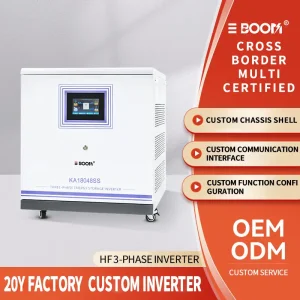
Commercial grade 3-phase hybrid inverter with built-in MPPT, parallel stack capability, and real-time WiFi telemetry reporting.
Inquire Now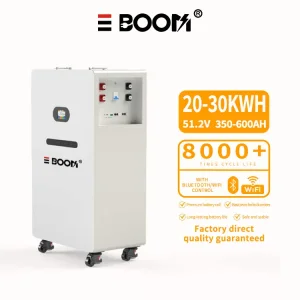
Large capacity residential and small business backup array. High cycle count and direct factory sourcing pricing structures.
Inquire NowGlobal commercial buyers, industrial operators, and system integrators face complex engineering challenges when sourcing lithium battery systems and power conversion equipment. As grids transition toward decentralized, bidirectional power flows, the requirements for large-scale energy storage systems (ESS) become increasingly stringent. Sourcing teams must reconcile initial hardware costs with the Total Cost of Ownership (TCO) over a decade-long lifecycle.
Key procurement vectors demand rigorous evaluation of cell chemistry quality (primarily Lithium Iron Phosphate or LiFePO4), power density metrics, raw material traceability, and thermal containment architectures. Furthermore, the compatibility between the Battery Energy Storage System (BESS) and the Power Conversion System (PCS) or inverter is crucial. Proprietary, closed-loop communications often lead to integration bottlenecks. Jiangxi Lithium Idea Technology Co., Ltd. addresses this directly through universally compatible protocols and fully integrated, factory-pre-tested battery-inverter systems.
Procuring entities must verify the use of Grade-A, brand-new automotive cells (e.g., EVE, BYD, Gotion High-Tech) rather than recycled EV packs. The uniformity of internal resistance and voltage profiles determines systemic longevity and safety.
Ensure seamless communication across CAN, RS485, and Modbus networks. System configurations must dynamically sync cell status limits to the hybrid inverter’s MPPT control loop to avoid overcharge hazards.
Deploying modular, high-capacity lithium inverters and battery arrays to mitigate grid voltage fluctuations and optimize corporate energy profiles.
Commercial facilities mitigate steep demand charges by shifting energy consumption from grid peak hours to battery discharge periods. Our 125kW / 261kWh liquid-cooled storage containers provide autonomous control over load profiles, resulting in rapid capital payback.
For remote areas, industrial parks, and agricultural settings, hybrid power plants combine monocrystalline solar modules with lithium inverters. Our solutions provide high-frequency 18kW three-phase hybrid operation, ensuring grid-forming stability without relying on diesel gen-sets.
High-voltage battery modules respond in milliseconds to dispatch signals, neutralizing grid frequency drift. Bidirectional inverter algorithms match strict utility interconnect standards, enabling active participation in ancillary services markets.
The energy transition is moving rapidly toward high-voltage (HV) systems. Traditional low-voltage (48V) home storage solutions require thicker copper wiring and incur higher transmission losses. By raising the DC bus voltage to 400V or 800V, modern energy storage systems reduce operating current, minimize systemic heat generation, and improve round-trip conversion efficiency (RTE) up to 98.2%.
Additionally, silicon carbide (SiC) semiconductor switches are replacing traditional silicon IGBTs in hybrid inverters. This transition allows for higher switching frequencies, which dramatically reduces the footprint of inductive filters while maintaining high thermal performance. Our technology roadmap incorporates these innovations alongside AI-powered edge computing, which monitors cell health and predicts battery degradation before it impacts performance.
Transitioning from low-voltage parallel batteries to stackable, series-connected high-voltage blocks (500V to 800V). This architecture optimizes DC-to-DC conversion interfaces, improving compatibility with utility-scale PV plants.
Integrating liquid-cooling technologies directly into Commercial and Industrial (C&I) storage racks. The system circulates dielectric coolant to maintain cell temperature variance within ±2°C, significantly reducing degradation and preventing thermal runaway.
Deploying real-time telemetry algorithms that continuously monitor electrochemical impedance. State-of-health (SOH) and state-of-charge (SOC) measurements are cross-referenced in the cloud to adjust dynamic charging currents, extending cell life past 8000 cycles.
Evaluating grid regulations, localized support setups, and safety compliance matrices across major regional markets.
Strict regional mandates require UL 9540 (system certification) and UL 1973 (battery pack certification) compliance. Project developers must source products that pass rigorous thermal propagation tests (UL 9540A) to ensure safe commercial and residential installations.
The European Union emphasizes CE compliance and EN 62109 inverter safety standards. High power prices drive demand for multi-mode hybrid setups, with grid-forming capability becoming a standard requirement for peak shaving and blackout protection.
Sourcing priorities in Australia, Southeast Asia, and Africa center on cost efficiency, robust environmental protection (IP65 ratings for extreme climates), and integrated off-grid capability to maintain stability during frequent grid dropouts.
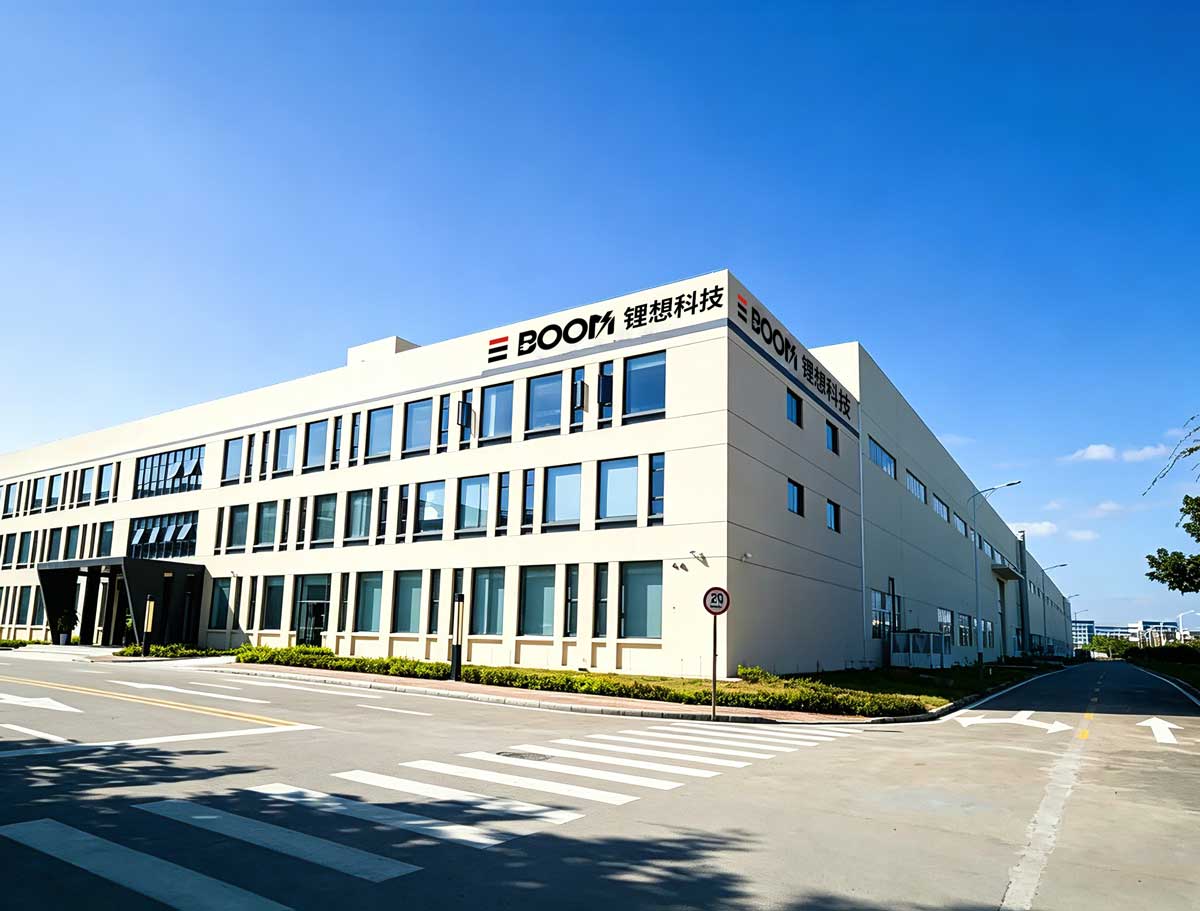
With 20 years of dedicated expertise in the renewable energy industry, Jiangxi Lithium Idea Technology Co., Ltd. stands as a globally trusted manufacturer and supplier of integrated energy storage systems, inverters, and solar panels. For over two decades, we have specialized in designing, engineering, and producing high-performance energy solutions that empower residential, commercial, and industrial users worldwide to achieve energy independence, reduce carbon footprints, and secure reliable power supply.
We build our energy storage solutions using Class-A automotive-grade lithium-ion cells from world-renowned brands like EVE, Gotion High-Tech, and BYD. This strict quality standard ensures our systems deliver exceptional safety and an extended cycle life of 8000+ times, far exceeding baseline industry standards.
To support our global customers, we back our products with a comprehensive 10-year remote warranty. This includes remote technical diagnostics and preventative maintenance support, ensuring stable power delivery for decades.
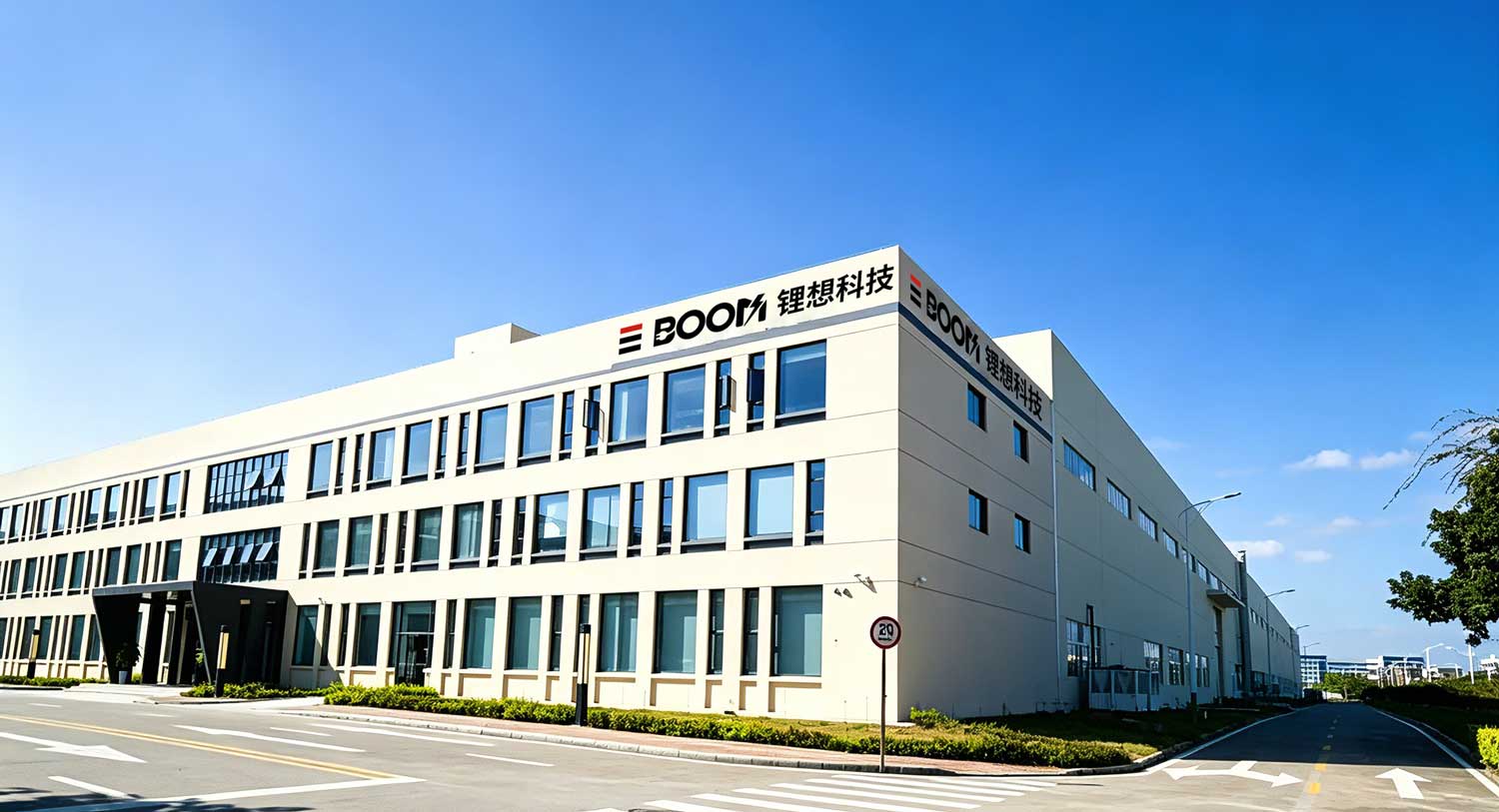


Our solutions have earned the trust of installers and industrial developers worldwide, with active deployments covering North America, Europe, Australia, and key markets across Africa and South America. We work closely with local EPC partners to supply tailored setups that meet specific regional grid requirements and environmental conditions.
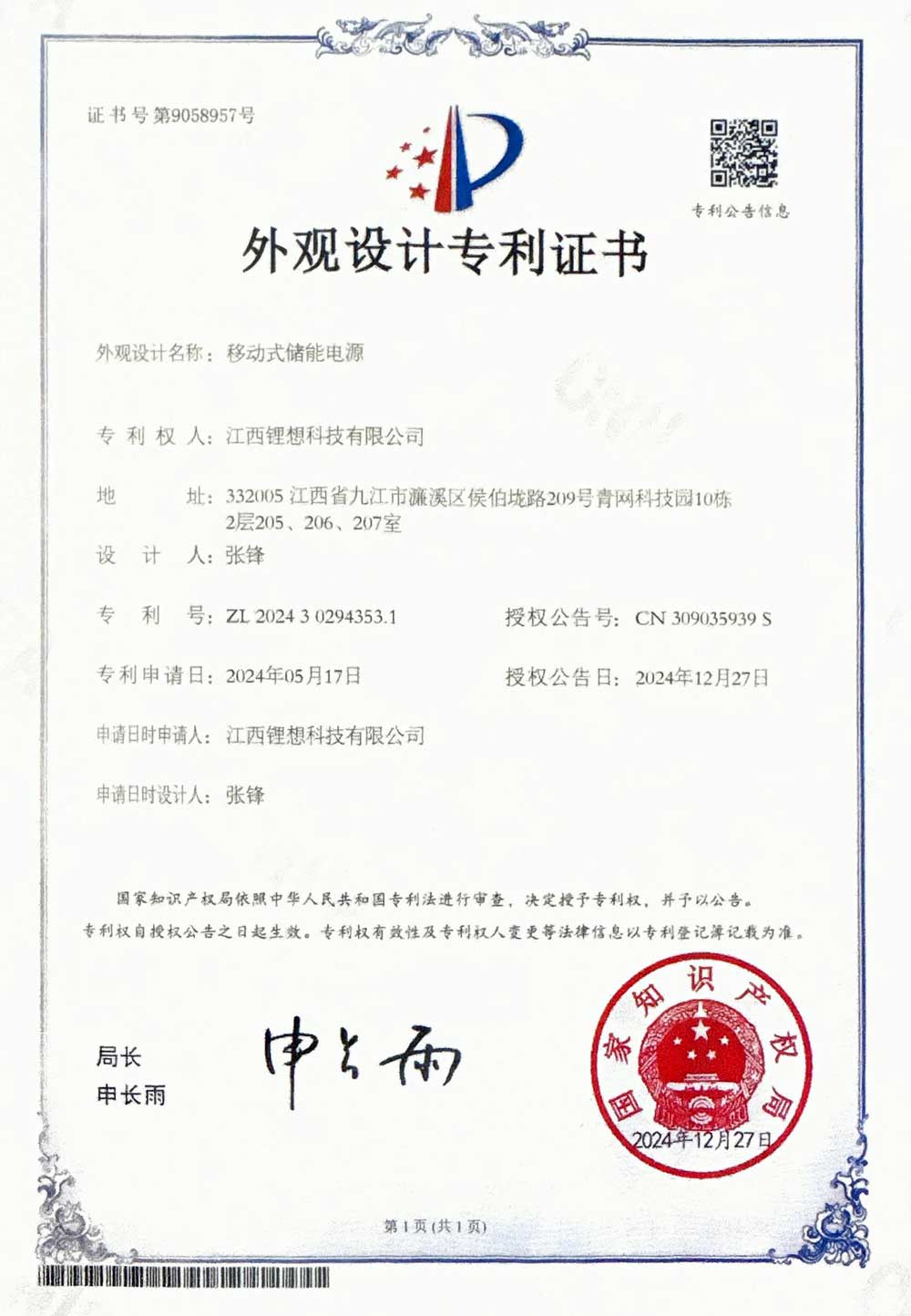
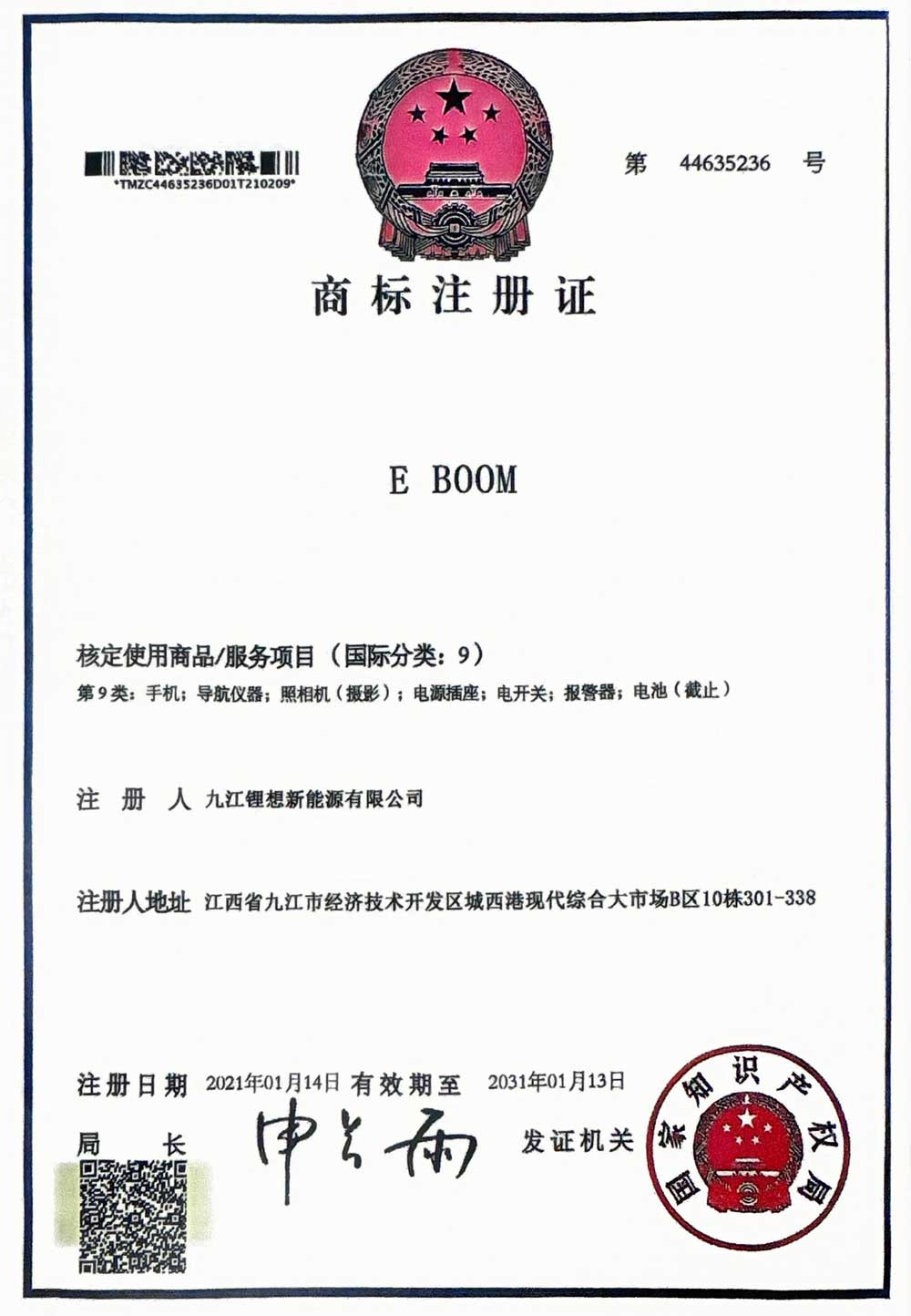
To keep pace with the evolving demands of our clients, we regularly participate in global energy exhibitions. This allows our engineering team to present our latest technical improvements, coordinate with distributors, and gather direct feedback on our systems in different operating environments.
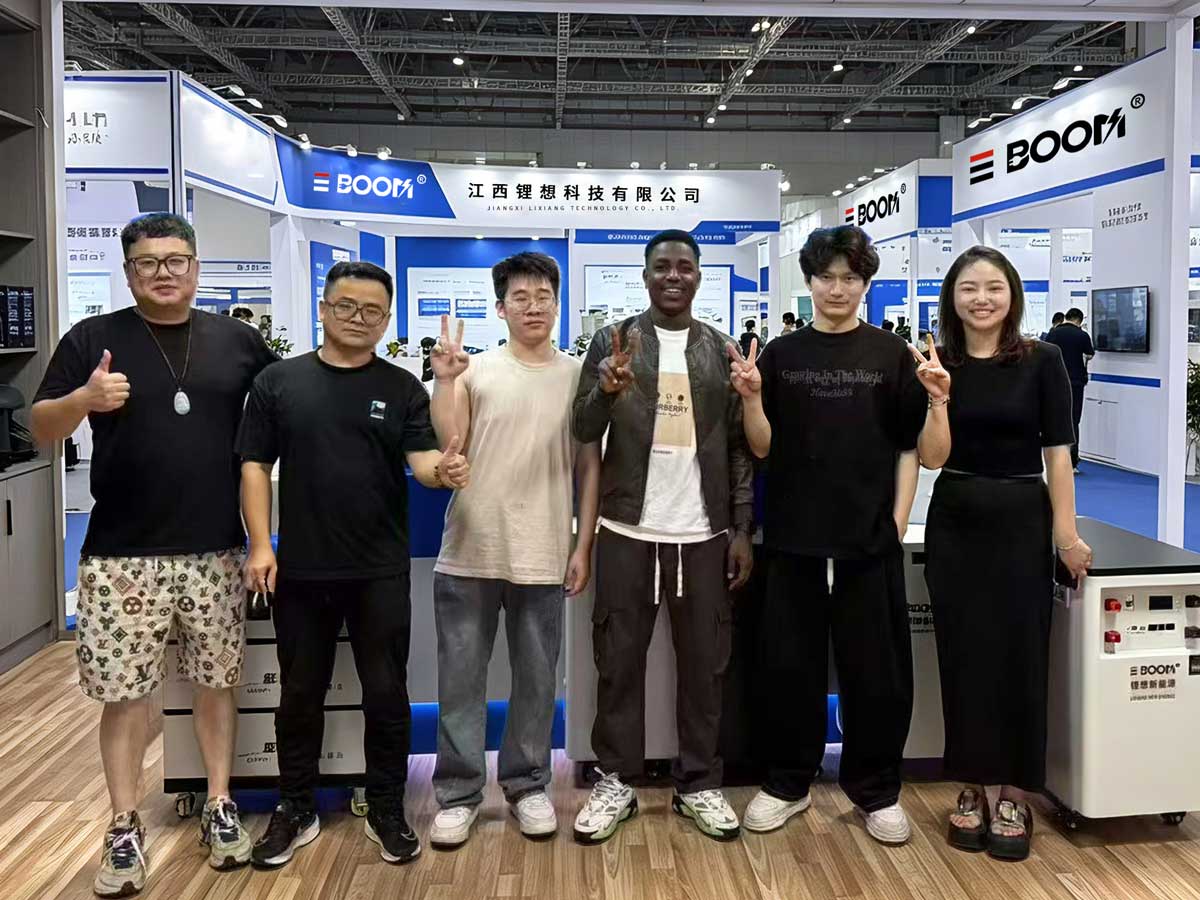
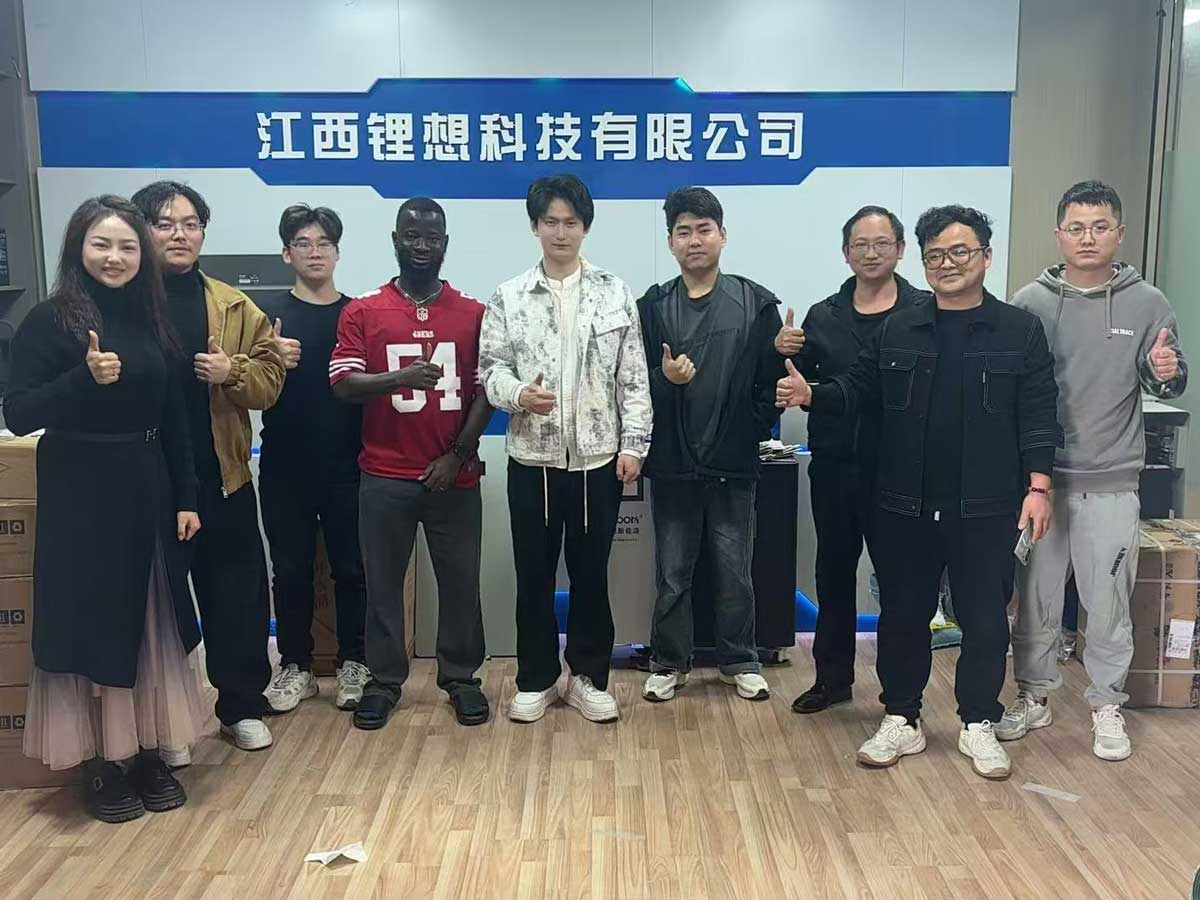

See how partners around the world rely on our energy storage systems to maintain critical power operations.
Deep dive into technical parameters, configuration recommendations, and safety concerns for lithium-ion storage.
To determine your storage requirements, analyze your peak demand load (measured in kW) and your daily energy consumption (measured in kWh). For standard residential backup power, a 5kWh to 15kWh battery system (like our 51.2V LiFePO4 wall-mounted or wheeled setups) typically covers essential loads during outages. Commercial facilities looking to lower demand charges (peak shaving) generally require larger systems, ranging from 100kWh up to 1000kWh, depending on their specific load profiles and peak usage charges.
Grade-A cells represent the highest quality standard in lithium battery manufacturing. They offer tight tolerances for internal resistance, self-discharge rates, and capacity matching. Sourcing Grade-A cells from industry leaders like EVE, Gotion, and BYD prevents imbalances between series-connected cells. These imbalances can trigger early BMS protection shutdowns, reducing the system's overall capacity. This consistent build quality also ensures the battery can safely achieve over 8,000 cycles at an 80% depth of discharge (DOD).
Low-voltage systems (typically 48V to 51.2V) are standard for residential solar installations due to their simple design and straightforward safety requirements. However, they require thick cabling and experience higher thermal losses over longer distances. High-voltage systems (usually over 200V, up to 800V) reduce the operating current required to transmit the same power. This layout minimizes cable losses, reduces heat generation, and simplifies the inverter design, allowing for higher overall system efficiency.
An intelligent Battery Management System (BMS) continuously monitors safety metrics, including cell voltages, internal temperatures, and current levels. If it detects abnormal parameters (such as overvoltage, overcurrent, or a localized spike in temperature), the BMS automatically disconnects the battery from the load. Advanced systems also feature active balancing, which redistributes charge between cells to prevent hotspots and maintain uniform operating temperatures.
Liquid cooling uses a circulating coolant to transfer heat away from the cells, which is significantly more efficient than using ambient air. This system keeps temperature variations across the pack within a narrow ±2°C window, compared to the ±5°C or higher range common in air-cooled designs. Keeping temperatures uniform prevents localized cell degradation, reduces auxiliary power consumption in hot climates, and lowers the risk of thermal propagation, helping the system meet UL 9540A safety standards.
Explore our complete range of products, including high-capacity LiFePO4 batteries, monocrystalline solar modules, and hybrid industrial inverters.
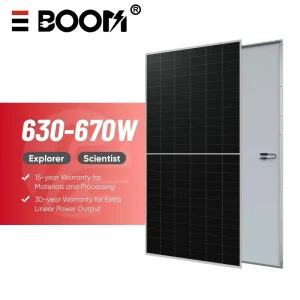
High conversion efficiency monocrystalline solar panels. Designed for high weather resistance and durability in large commercial arrays.
Inquire Now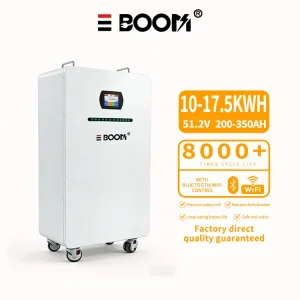
High energy density battery built with Class A cells, offering over 8,000 cycles for reliable residential backup systems.
Inquire Now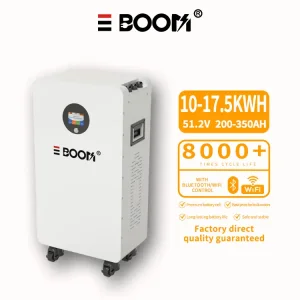
Designed for heavy duty residential systems, providing long cycle life and compatible with DDP delivery options.
Inquire Now
Designed for mid-sized commercial loads. Offers fast MPPT tracking, flexible grid interaction options, and integrated WiFi telemetry.
Inquire Now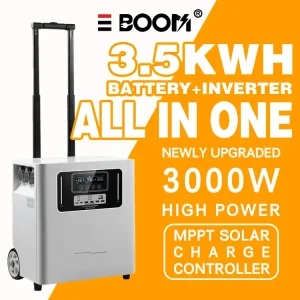
Mobile power system mounted on a robust trolley, perfect for field operations, outdoor projects, and emergency backup.
Inquire Now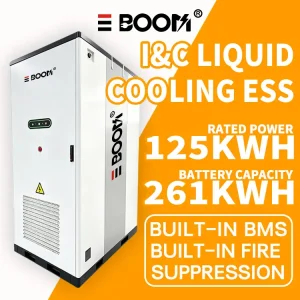
Designed for commercial microgrids and factory installations, featuring advanced liquid-cooling thermal management.
Inquire Now
Designed for high conversion efficiency. Incorporates multi-busbar (MBB) half-cell technology for improved shading tolerance.
Inquire Now
Grade-A cell pack offering an 8000+ cycle life, 10-year lifespan support, and direct factory pricing.
Inquire Now Lithium Idea