Explore our highly integrated, Grade-A smart battery modules tailored for global B2B procurement needs.
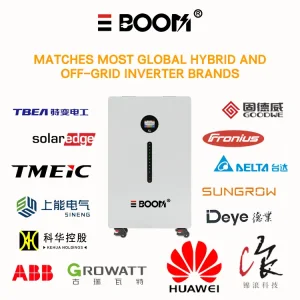
High-capacity storage system designed for residential scale-out configurations. Features optimized thermal management and long lifespan assurance.
View Details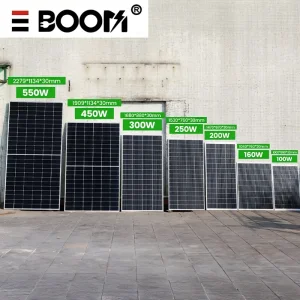
Advanced monocrystalline panels with IP68 waterproof junction boxes. Engineered to maximize solar energy capture in highly volatile climates.
View Details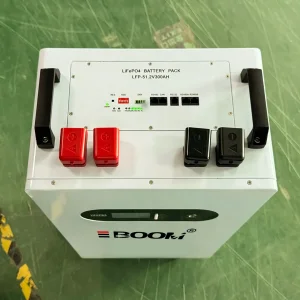
Compact wall-mounted configuration with expandable interfaces. Seamless integration for residential microgrid operations.
View Details
Cost-effective 5kWh/10kWh units utilizing premium prismatic cells. Engineered for clean pairing with major European and US inverters.
View Details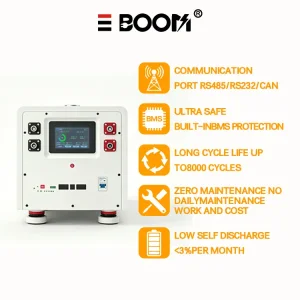
Leveraging high-safety BYD blade cell architecture. Optimized space efficiency, superior thermal dispersion, and multi-tier active BMS safeguards.
View Details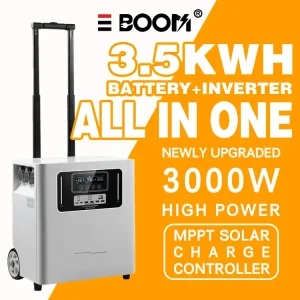
Mobile energy terminal with heavy-duty castors. Perfect for off-grid operations, emergency medical response, and field workforces.
View Details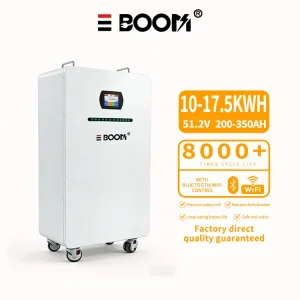
Industrial grade A prismatic cells constructed for high C-rate demands and long-cycle reliability. Smart telemetry capabilities.
View Details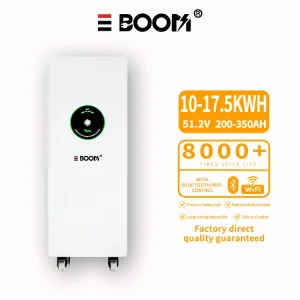
Space-saving layout ideal for tight configurations. High energy density footprint matched with intelligent temperature protection.
View DetailsPowering a Sustainable Future, One Energy Solution at a Time
With 20 years of dedicated expertise in the renewable energy industry, Jiangxi Lithium Idea Technology Co., Ltd. stands as a globally trusted manufacturer and supplier of integrated energy storage systems, inverters, and solar panels. For over two decades, we have specialized in designing, engineering, and producing high-performance energy solutions that empower residential, commercial, and industrial users worldwide to achieve energy independence, reduce carbon footprints, and secure reliable power supply.
By relying exclusively on Grade A automotive cells from industry giants (EVE, BYD, Gotion High-Tech), we supply the absolute threshold of mechanical safety and longevity. This dedication guarantees a lifecycle metric of over 8,000 charge/discharge iterations.
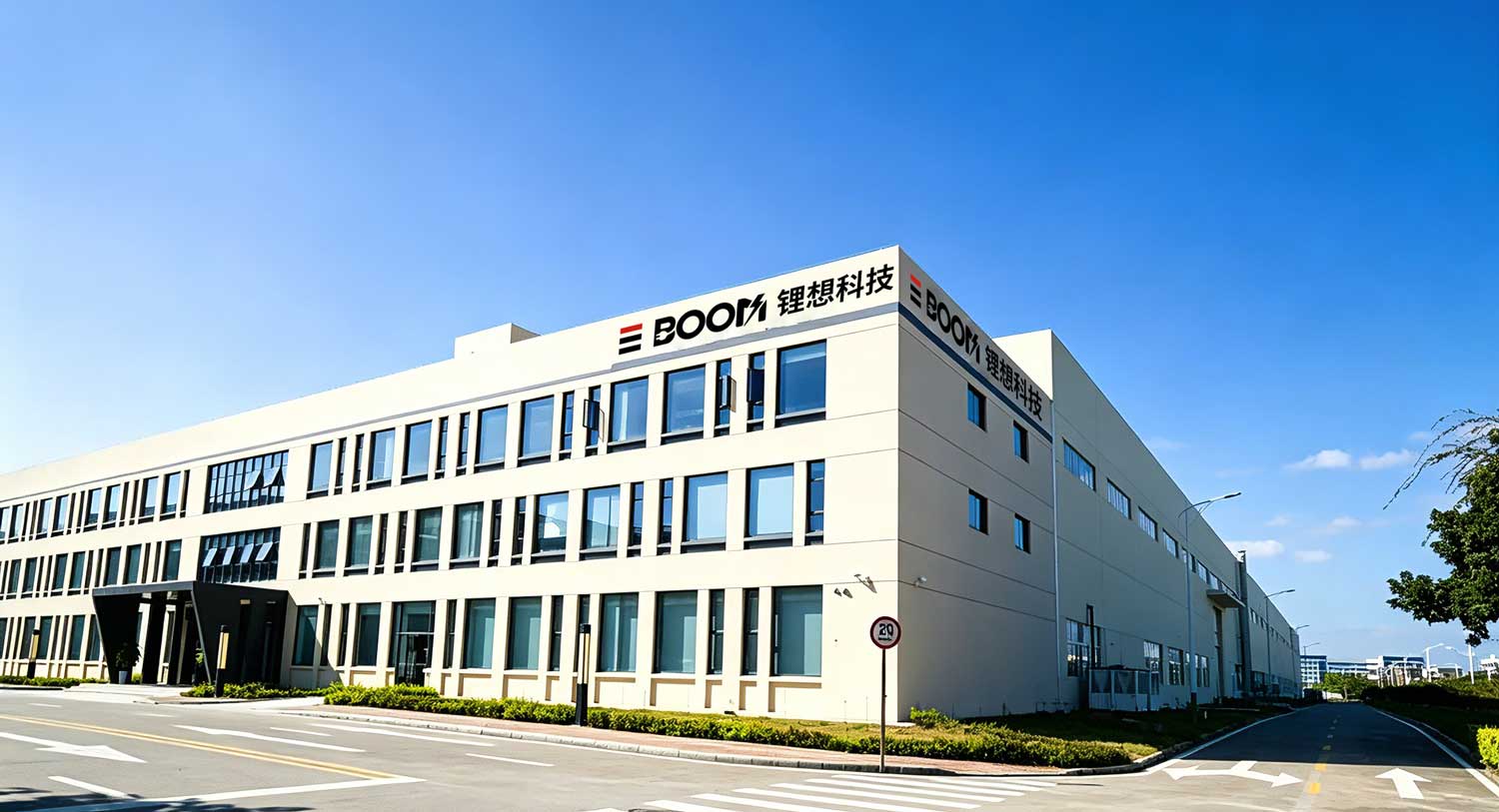
Engineered by leading electrochemical specialists for optimized industrial integration.
✔ Wall-Mounted Systems: 3kWh to 5kWh. Ideal for residential backup, peak-shaving, and space-constrained architectural layouts.
✔ Rolling Mobile Storage: 10kWh to 30kWh. Ruggedized structures with heavy-duty castors for remote work, RV life, and emergency deployment.
✔ Scalable C&I Hubs: 100kWh to 1000kWh (1MWh) setups for commercial plazas, chemical manufacturing, and grid stability optimization. Integrates advanced liquid cooling or forced-air heat dissipation mechanisms.
✔ Grid-Tie, Off-Grid & Hybrid: Ranges from 3kW up to 300kW. Incorporates multi-channel MPPT solar tracking systems and remote WiFi/Ethernet cloud-based operations.
✔ High-Performance Monocrystalline: Ranging from 550W up to 730W outputs. Premium silicon wafer density ensuring efficient photovoltaic yield even under low irradiance conditions.
The global shift toward decentralized energy storage has elevated the 12V 200Ah lithium battery to one of the most critical power form factors in the market. Historically, heavy lead-acid batteries dominated applications such as marine, RV, telecom, and off-grid solar. However, the rise of lithium iron phosphate (LiFePO4) chemistry has completely transformed these sectors.
A standard 12V 200Ah battery stores approximately 2.56 kWh of usable energy (computed as 12.8V nominal voltage multiplied by 200Ah capacity). This energy density, packed into a footprint equivalent to a traditional Group 8D or 4D lead-acid casing, offers industrial and commercial procurement managers an immediate path to system modernization without major hardware re-engineering.
"The transition from Lead-Acid to LiFePO4 represents a 60% reduction in weight, a 5x increase in cycle life, and a dramatic improvement in round-trip energy efficiency from 75% to over 95%."
For B2B buyers and engineers calculating the total cost of ownership (TCO) over a multi-year project lifespan, comparing electrochemical properties is essential. Below is a detailed breakdown of 12V 200Ah LiFePO4 batteries against premium AGM options.
| Performance Characteristic | 12V 200Ah LiFePO4 (Grade A Cells) | 12V 200Ah Lead-Acid / AGM Battery |
|---|---|---|
| Nominal Usable Energy | 2.56 kWh (Up to 100% Depth of Discharge) | 1.28 kWh (Max 50% Depth of Discharge recommended) |
| Lifespan (Cycles at 80% DoD) | 4,000 to 8,000+ full cycles | 300 to 500 cycles |
| Typical Product Weight | ~20 - 24 kg (44 - 53 lbs) | ~55 - 65 kg (121 - 143 lbs) |
| Charging Efficiency | > 96% (Rapid acceptance of charge) | ~ 75% - 80% (Slower absorption phase) |
| Self-Discharge Rate | < 2% to 3% per month | > 5% to 15% per month |
| BMS Protection Integration | Integrated (Active monitoring of V, I, Temp) | None (Requires external monitoring) |
In China's high-tech manufacturing corridors, factories utilize two primary structural formats for assembling 12V 200Ah configurations: cylindrical cell arrays (such as 32700/60900 form factors) and large-capacity prismatic cells (typically 100Ah or 200Ah units arranged in a 4S1P or 4S2P array). The industry is moving heavily toward prismatic cells due to fewer connection points, lowering the risk of joint resistance issues. Prismatic designs optimize space efficiency and enhance the structural integrity of the pack under high vibrations, which is common in mobile and marine installations.
E-E-A-T principles demand that manufacturers remain transparent about cell grades. Grade A cells feature full capacity ratings, consistent internal resistance (IR), and perfect physical casing alignment directly from top-tier foundries like EVE, BYD, and Gotion. In contrast, Grade B cells are diverted to secondary storage projects due to minor cosmetic defects or minor IR deviations. As an established manufacturer, Jiangxi Lithium Idea Technology Co., Ltd. uses only certified Grade A cells to guarantee the promised 8,000+ cycle life.
Modern battery networks are no longer passive blocks. Modern 12V 200Ah battery setups feature intelligent Battery Management Systems (BMS) with Bluetooth, CANbus, and RS485 interfaces. This enables engineers to monitor state-of-charge (SoC), state-of-health (SoH), temperature variations, and cell balancing in real-time. This level of telemetry is crucial for telecom base stations and distributed microgrids, allowing off-site operators to schedule preventive maintenance long before a failure occurs.
Sourcing directly from a China 12V 200Ah lithium battery factory requires an understanding of logistics, regulatory compliance, and customization capability.
Transporting lithium batteries requires strict compliance with international shipping laws. B2B buyers must verify that the manufacturing partner has secured the following safety certifications:
Top-tier factories provide extensive customization options for 12V 200Ah units:
The next decade of energy storage technology will focus on safety, efficiency, and sustainability. As manufacturing technologies mature, three key trends are shaping the future of 12V 200Ah battery architectures:
While liquid electrolyte LiFePO4 batteries remain the industry workhorse due to their cost-effectiveness, R&D is progressing toward semi-solid-state designs. This technology minimizes volatile liquid electrolytes, reducing fire risks to near zero while raising volumetric energy density. This shift will allow future 12V 200Ah models to be built in smaller formats, opening up new opportunities in tight spaces like marine vessels and camper vans.
Standard lithium-ion cells rely heavily on graphite anodes. Introducing silicon-carbon composites into the anode allows for higher energy retention and faster charging speeds. This innovation will help 12V 200Ah units handle higher input currents (up to 1.5C to 2C charging rates) without reducing the battery's lifespan.
Leading Chinese manufacturers are investing heavily in hydrometallurgical recycling systems. This practice ensures that key battery materials like lithium, iron, phosphate, and copper are recovered and reused, protecting supply chains from raw material price volatility and meeting ESG requirements for global enterprise clients.
Expandable modular components designed to build balanced microgrids and off-grid power systems.
High-voltage residential energy station featuring robust rolling frame structures and integrated multi-unit management.
View Details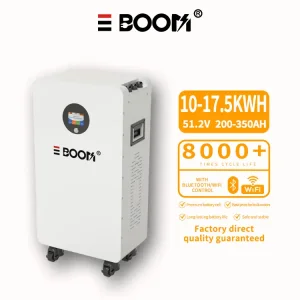
Premium server-rack format optimized for server backups and telecommunication hubs. Supported by Grade A chemistry.
View Details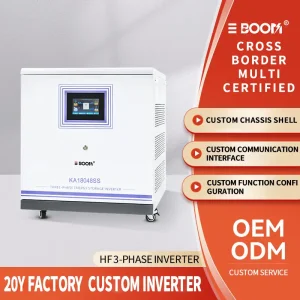
Industrial three-phase converter featuring advanced smart grid feedback controls and dual tracking input zones.
View Details
Cost-competitive 10kWh blocks designed for seamless modular stacking. Fits into standard industrial racks.
View Details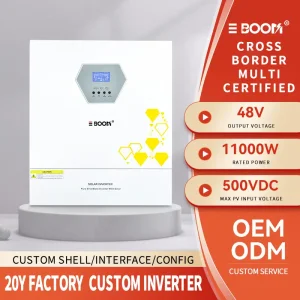
Flexible hybrid inverter suitable for residential setups. Features remote cloud monitoring and smart load scheduling.
View Details
High-density energy racks designed for commercial offices and small factories. Complete DDP logistics support available.
View Details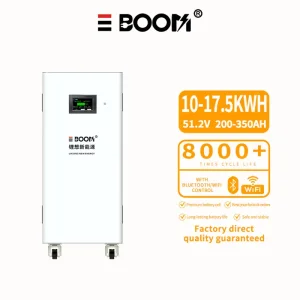
High-efficiency backup units built with safety-certified cells. Ideal for solar micro-grid installations.
View Details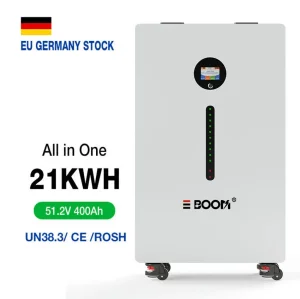
High-capacity portable battery systems on wheels. Delivers reliable, high-output power for demanding off-grid scenarios.
View Details Lithium Idea