Premium LFP and hybrid systems customized for localized residential integration and Swiss compliance standards.
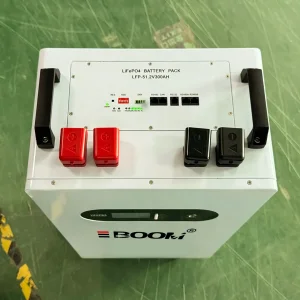
The Canton of Geneva, guided by its ambitious Plan directeur cantonal de l'énergie (PDE 2030), is accelerating its pathway toward full carbon neutrality. Key regulatory frameworks dictate that new constructions and major renovations must incorporate localized, clean energy micro-generation systems. Under these strict environmental mandates, the demand for high-efficiency solar battery storage has shifted from a novelty to a strict infrastructural necessity. Commercial enterprises, biotech research labs, and residential complexes across Geneva are actively phasing out fossil-fuel backup generators in favor of zero-emission Lithium Iron Phosphate (LiFePO4) systems.
Furthermore, local Swiss electrical distribution networks require grid-interactive components that comply with stringent EN 50549-1 standards. Our line of intelligent off-grid energy storage units and hybrid PV inverters are optimized specifically for the unique grid topologies of the Romandy region. With advanced peak-shaving capabilities, local businesses can avoid high grid tariff rates during peak load hours, stabilizing local distribution grids while lowering operations costs.
Whether addressing the sub-zero temperature demands of Alpine utility substations or maintaining continuous backup power for high-value financial data rooms in Geneva's city center, Lithium Idea Technology delivers robust energy solutions that bridge the gap between premium performance and long-term investment viability.
Understanding supply chain constraints, quality verification systems, and custom engineering requests from international buyers.
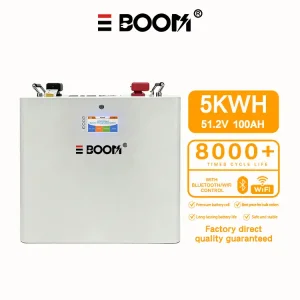
Global procurers prioritize product longevity. We utilize exclusively Tier 1, Grade-A automotive-grade LiFePO4 cells sourced from global pioneers such as EVE, Gotion High-Tech, and BYD. This ensures cell degradation rates remain minimal, offering over 8000 charge cycles.
Every commercial and residential pack is paired with a proprietary, stable Smart Battery Management System (BMS). Features include active balancing, dual-sensor temperature protection, over-current cutoff, and cloud-linked telematics for remote diagnostics.
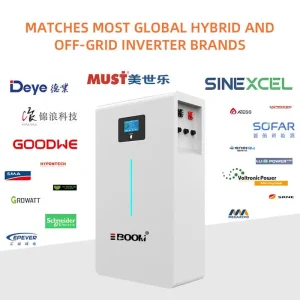
We tailor structural form factors, nominal voltages (48V to high-voltage 600V modules), shell ratings (IP65, IP67), and inverter communication protocols to match the exact localized needs of Swiss industrial applications.
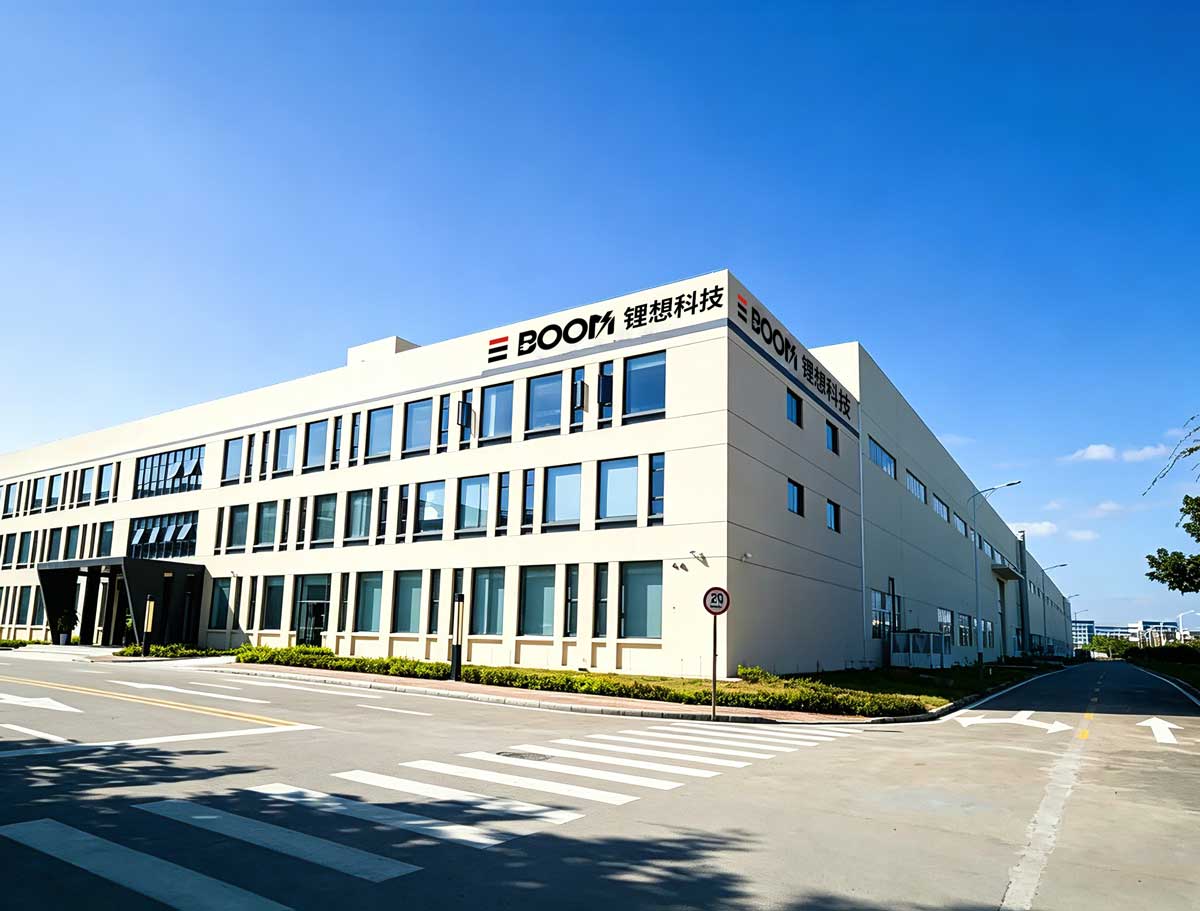
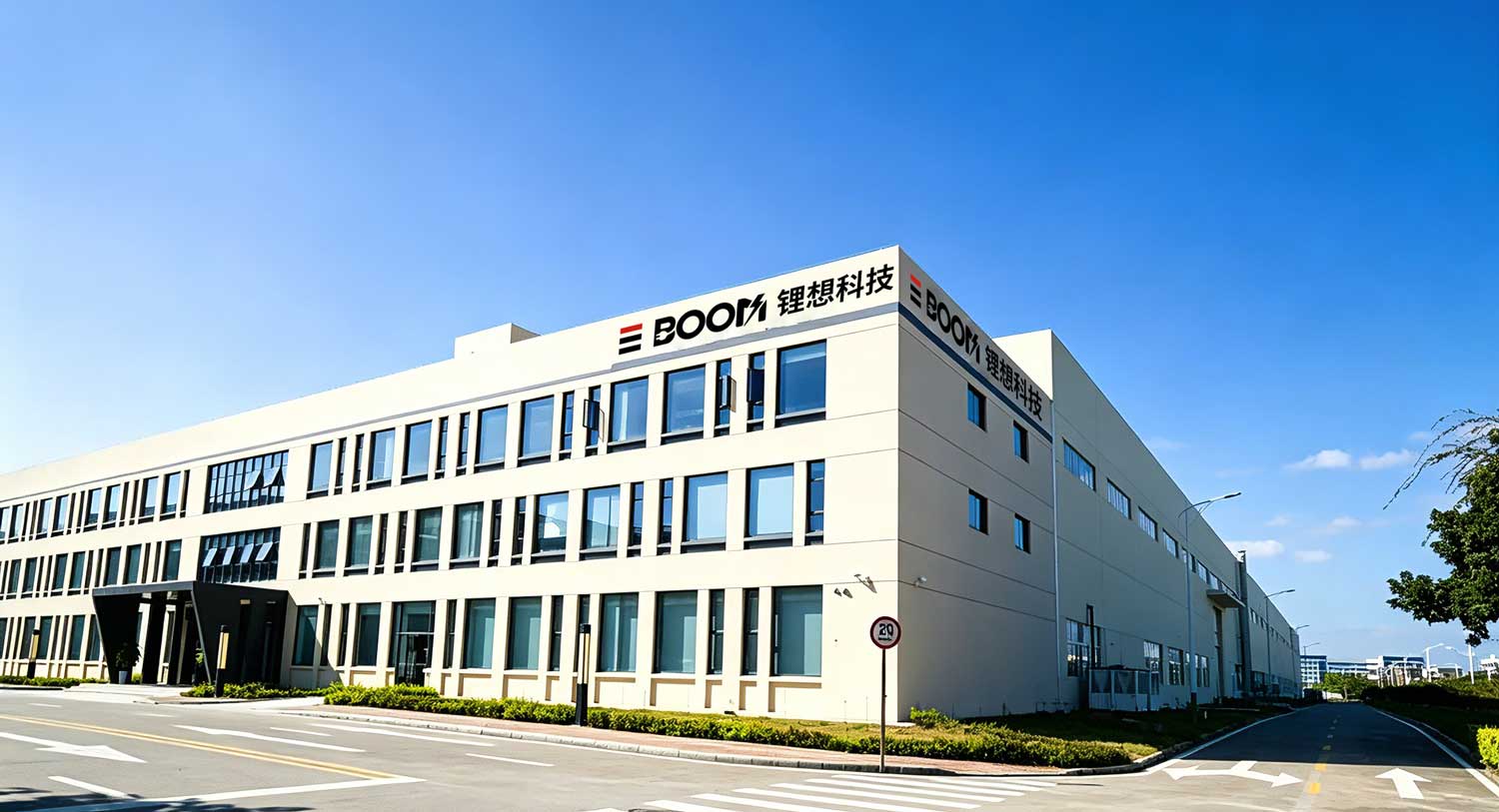
As a premier power station supplier, Jiangxi Lithium Idea Technology Co., Ltd. operates a vertically integrated 7,000+ m² Factory 4.0. This state-of-the-art facility features automated production lines, automated spot-welding systems, and laser cell sorting networks. By executing automatic dynamic impedance screening for every cell, we prevent internal resistance imbalances that lead to localized thermal acceleration.
In the current global economic landscape, raw material price fluctuations present a significant challenge for buyers. Because our operations are located in Jiangxi—one of China’s primary lithium manufacturing hubs—we maintain direct supply channels for upstream components. This regional synergy buffers our production lines from international logistics bottlenecks, allowing us to keep prices stable, maintain reliable delivery timelines, and offer direct DDP shipping options straight to Romandy and Central Europe.
Every product batch is subject to rigorous safety tests before leaving the factory. Testing includes high-impact drops, forced short circuits, prolonged thermal chambers, and full charge-discharge cycles. This exhaustive process is why we can confidently offer an industry-leading 10-year remote warranty to our commercial partners in Geneva.
Years Experience
Cell Cycles
Factory Area
Active Staff
Tailoring modular storage infrastructure to specific geographic and industrial needs across Geneva.
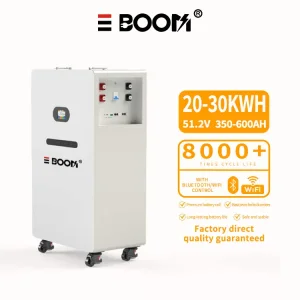
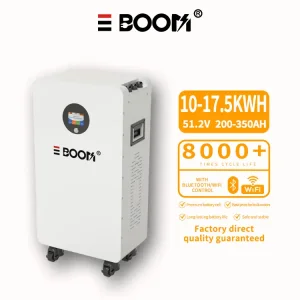
Integrating wheeled and rack-mounted storage arrays (15kWh - 50kWh) to buffer remote Alpine utility setups. These systems store excess hydro or solar output and deliver high-current discharge profiles during severe winter freezes when main lines are down.
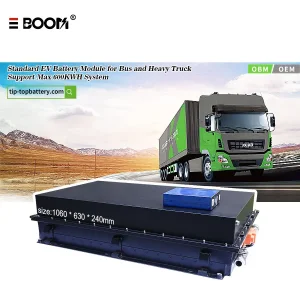
Protecting research assets, deep-freeze biobanks, and sensitive electronic arrays with online double-conversion UPS systems paired with high-voltage LiFePO4 battery modules (such as our customizable 600kWh arrays) to prevent grid dropout events.
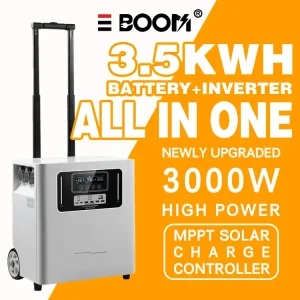
Geneva's active humanitarian agency hub relies heavily on rapid-response equipment. Our robust wheeled trolley power stations (3.5KWH to 5.5KWH) act as portable, off-grid power units for global operations, providing instant plug-and-play field power.
To ensure optimal return on investment, procurement managers must evaluate mechanical longevity alongside initial capital expenditure. The table below details our core lithium battery architectures designed for international distribution:
| Battery Configuration | Nominal Voltage (V) | Capacity Option (Ah) | Cycle Life (80% DOD) | Safety / Certification Standard | Optimal Temperature Range |
|---|---|---|---|---|---|
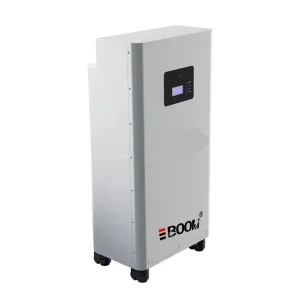
| Wall-Mounted Residential ESS | 51.2V | 100Ah / 200Ah | > 8000 Cycles | CE, UN38.3, IEC 62619 | -10°C to +55°C (Built-in heater optional) |
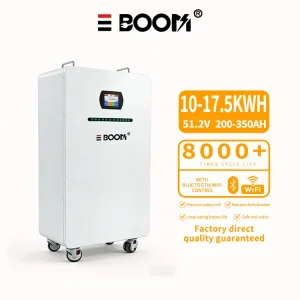
| Rolling Portable Mobile ESS | 51.2V | 300Ah / 400Ah | > 8000 Cycles | CE, MSDS, EN 50549-1 | -15°C to +50°C (Insulated chassis) |
| High-Voltage EV / Industrial Module | Up to 750V | Custom Configurable | > 6000 Cycles | TUV, CE, ISO9001 | -20°C to +60°C (Active liquid cooling) |
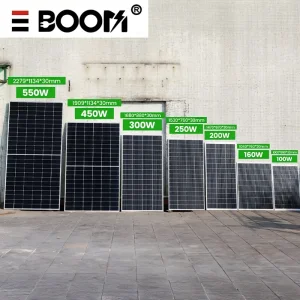
| High-Efficiency Mono Solar Panels | Vmp: 42.8V | 550W - 730W | 25 Years Output Warranty | TUV, CE, IP68 Waterproof | -40°C to +85°C (Alpine snow load rating) |
Addressing common technical, legal, and shipping inquiries from European procurement agencies and engineers.
Yes. Our inverters and storage packages are fully compliant with EN 50549-1 and CE regulations, allowing smooth integration with local grids in Geneva. Our engineering team provides detailed compliance documentation and registers all units prior to delivery, ensuring quick local approvals.
While standard lithium cells experience capacity reduction in freezing temperatures, we supply our units destined for Swiss Alpine markets with integrated thermal management. Optional internal warming layers run on charging currents to keep cells within their optimal temperature zone, preventing internal plating during sub-zero operations.
We source only Grade A prismatic cells from industry leaders like EVE and BYD. Through strict voltage matching and lower operating charging rates (0.5C or lower), we significantly limit internal dendrite growth. Test results confirm that our batteries retain over 80% of their initial capacity after 8000 charge cycles, providing a long service life of 15 to 20 years.
Our OEM/ODM services cover custom physical dimensions to fit tight server rooms, custom voltage ranges (48V to 750V systems), customized protocol integration (including CAN bus, RS485, and Modbus communications), and custom-branded metal casing finishes.
We offer comprehensive DDP (Delivered Duty Paid) shipping services. We handle all logistics, including sea freight to major ports, inland transportation to Switzerland, and customs clearance procedures, delivering your ordered systems directly to your warehouse or site in Geneva.
Yes. Our mobile wheeled energy storage stations feature integrated MPPT solar chargers. They connect directly to portable or permanent solar arrays, supporting autonomous off-grid charging for off-grid houses or research field stations.
We use highly stable LiFePO4 cell chemistry which has a higher thermal runaway threshold compared to NCM cells. Additionally, our multi-point BMS continuously monitors cell temperatures, automatically disconnecting the unit from load circuits when pre-configured thresholds are exceeded, and incorporates physical pressure vent release valves.
Yes. Our rack-mounted configurations and cabinet-enclosed systems are designed for high scalability. Up to 15 modular units can be wired in parallel using a master-slave BMS setup, allowing energy capacities to scale into the megawatt-hour range.
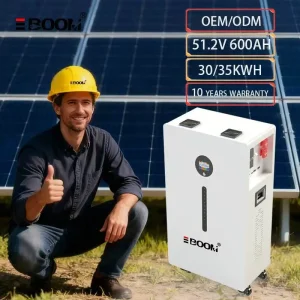
We provide a 10-year warranty, backed by remote firmware updates, telemetry performance optimization, and modular replacement part deliveries. In addition, we coordinate with localized installation companies to handle physical field diagnostics.
Our hybrid PV systems can be programmed through their digital interface to charge from the grid during low-tariff nighttime hours, and discharge to power local facility loads during high-tariff periods, lowering average energy costs.
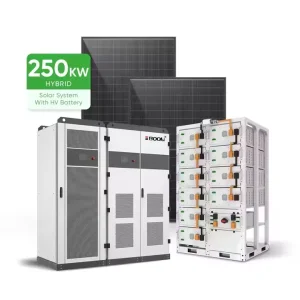
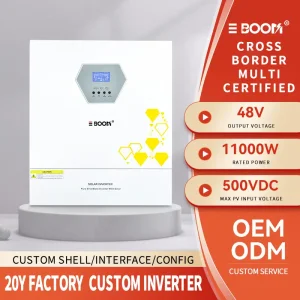
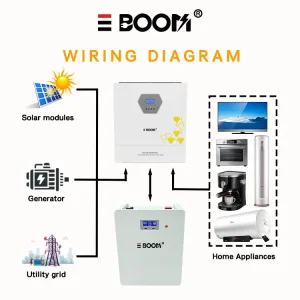
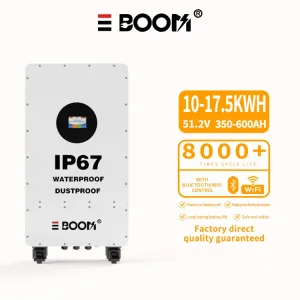
Full technical array of commercial energy systems, inverters, and heavy-duty battery blocks optimized for Swiss distribution networks.
Connect directly with our engineering and procurement team for structural customizations, grid integration schematics, factory pricing, and duty-paid transport quotes to Switzerland.
Send Inquiry Now Lithium Idea