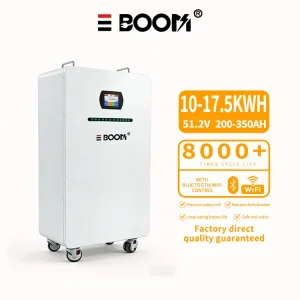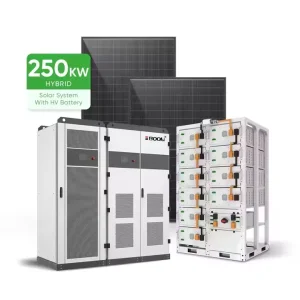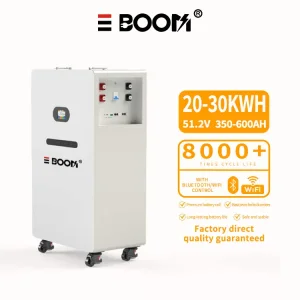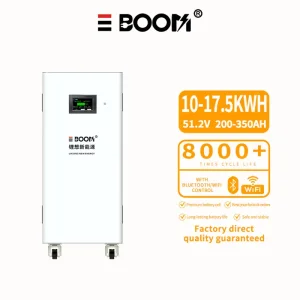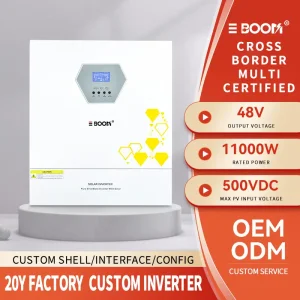
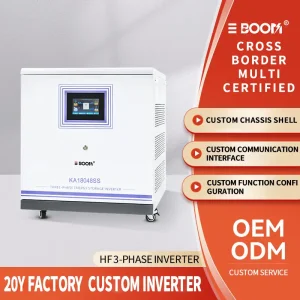
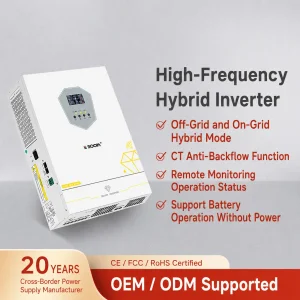
Germany stands at the global forefront of the renewable energy revolution, driven by the ambitious Energiewende policy. The German market for Low Voltage (LV) Inverters is characterized by a rapid transition from traditional centralized power to decentralized smart grids. As electricity prices in Germany remain among the highest in Europe, industrial and residential consumers are increasingly adopting 48V/51.2V low voltage systems for their safety, ease of installation, and superior compatibility with lithium-iron phosphate (LiFePO4) storage.
Current commercial landscapes in regions like Baden-Württemberg and North Rhine-Westphalia show a surge in demand for Hybrid PV Inverters that offer seamless grid-tie and off-grid capabilities. Manufacturers must comply with strict local grid codes, including VDE-AR-N 4105 and CE certification, ensuring total grid stability and safety.
Download White Paper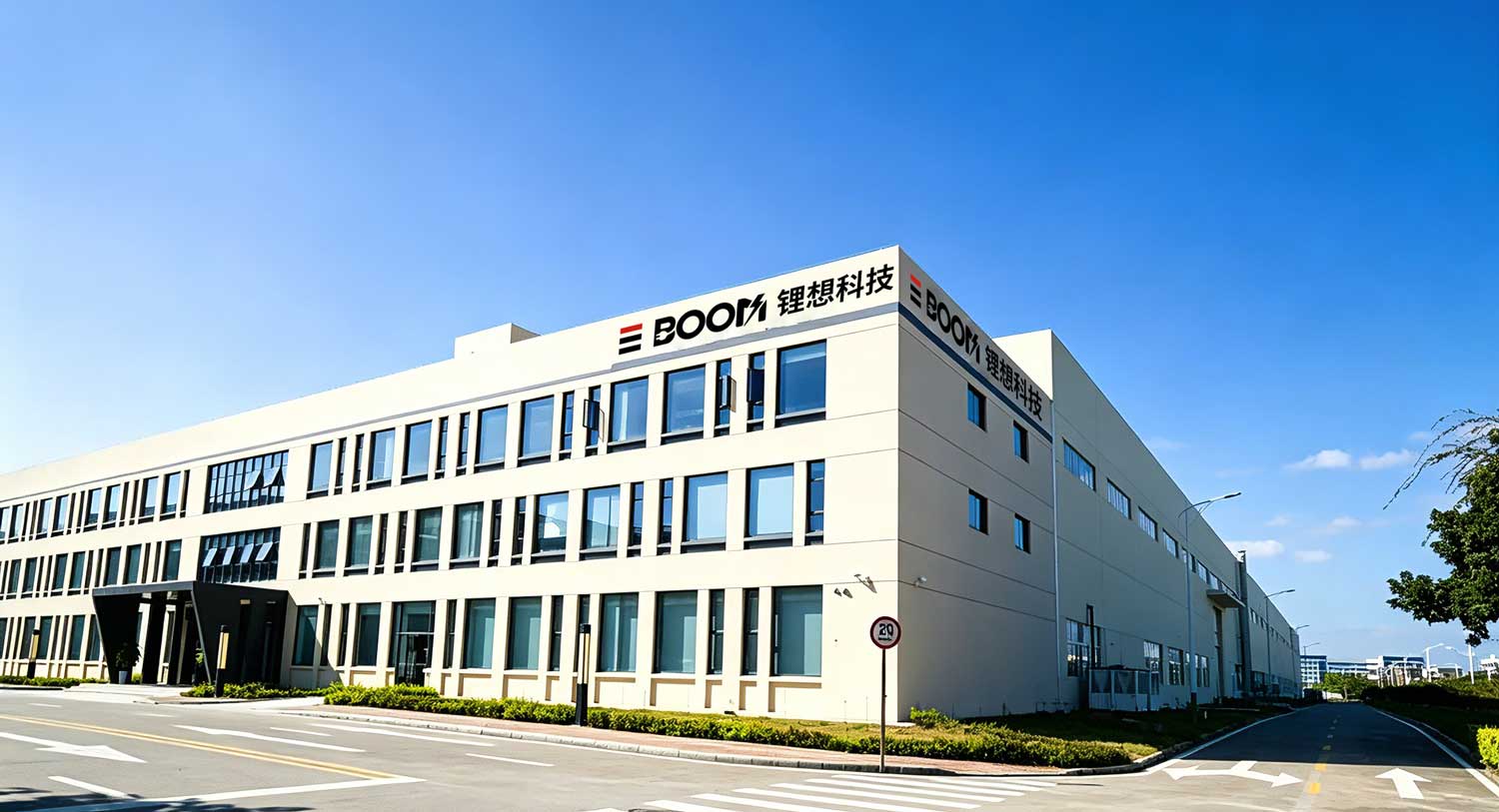
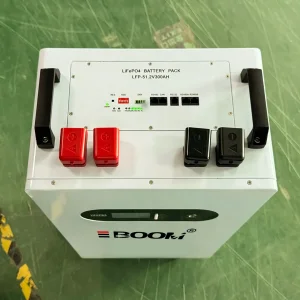
We source Class A lithium-ion cells from leaders like EVE, Gotion, and BYD. This ensures our low voltage energy storage systems maintain thermal stability even in the fluctuating climates of Northern Germany.
Our 7000m² facility in Jiangxi integrates the entire production cycle, from PCB SMT for inverters to modular battery assembly, reducing lead times for German distributors by up to 35%.
With localized warehousing partners in Europe, we mitigate global shipping risks, providing "Information Gain" through real-time inventory tracking and rapid localized delivery.
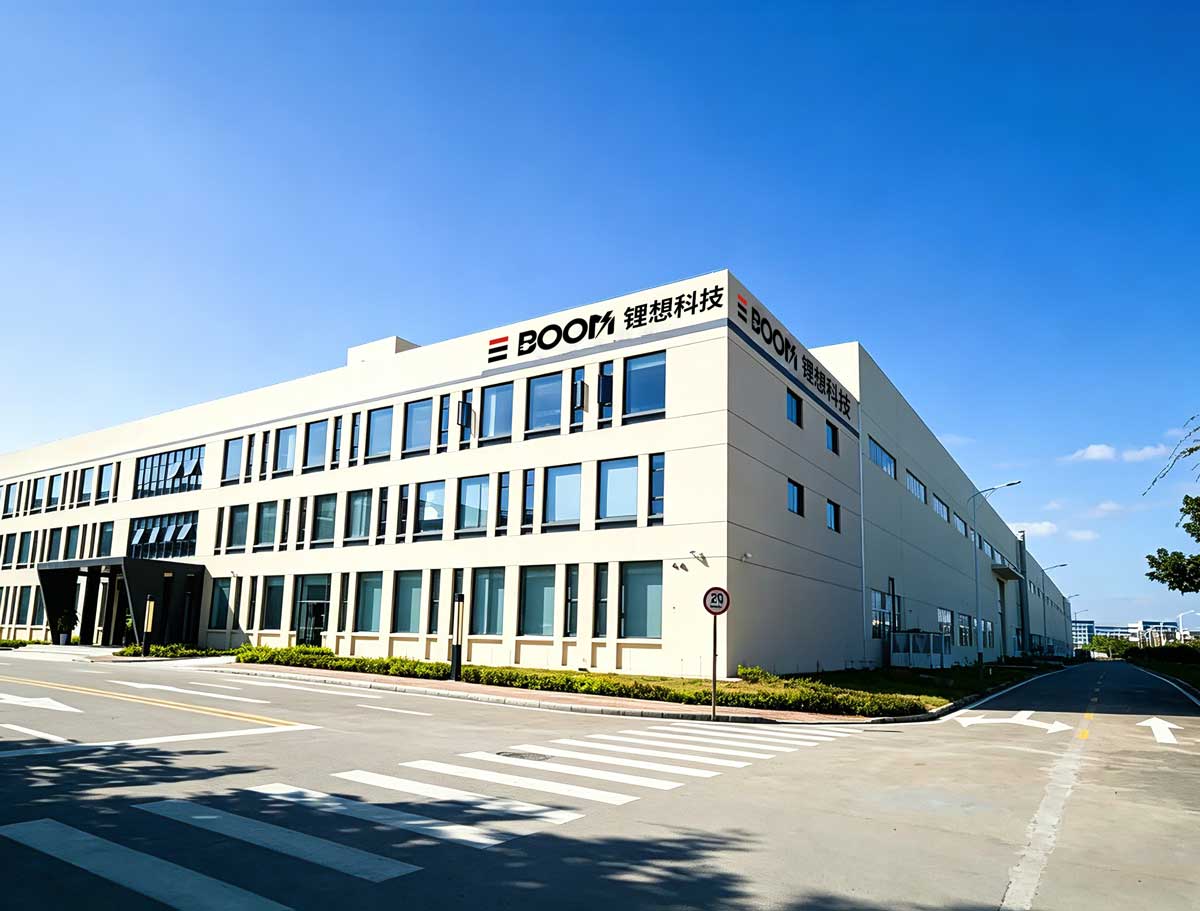
For over two decades, Jiangxi Lithium Idea Technology Co., Ltd. has evolved from a specialized battery assembler into a global leader in integrated energy solutions. Our mission is to bridge the gap between high-tech manufacturing and the practical needs of the global energy transition.
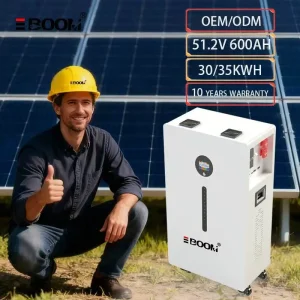
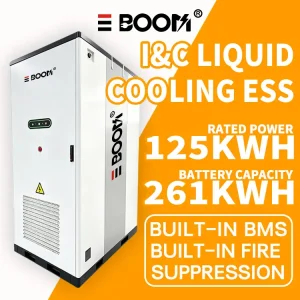
We don't just sell hardware; we provide energy independence. Our portfolio spans from Residential Portable Energy Storage (3kWh-30kWh) to Commercial Industrial ESS (up to 1000kWh). By utilizing advanced High-Frequency Inverter technology, we ensure that every kilowatt generated by your PV panels is managed with maximum efficiency and safety.
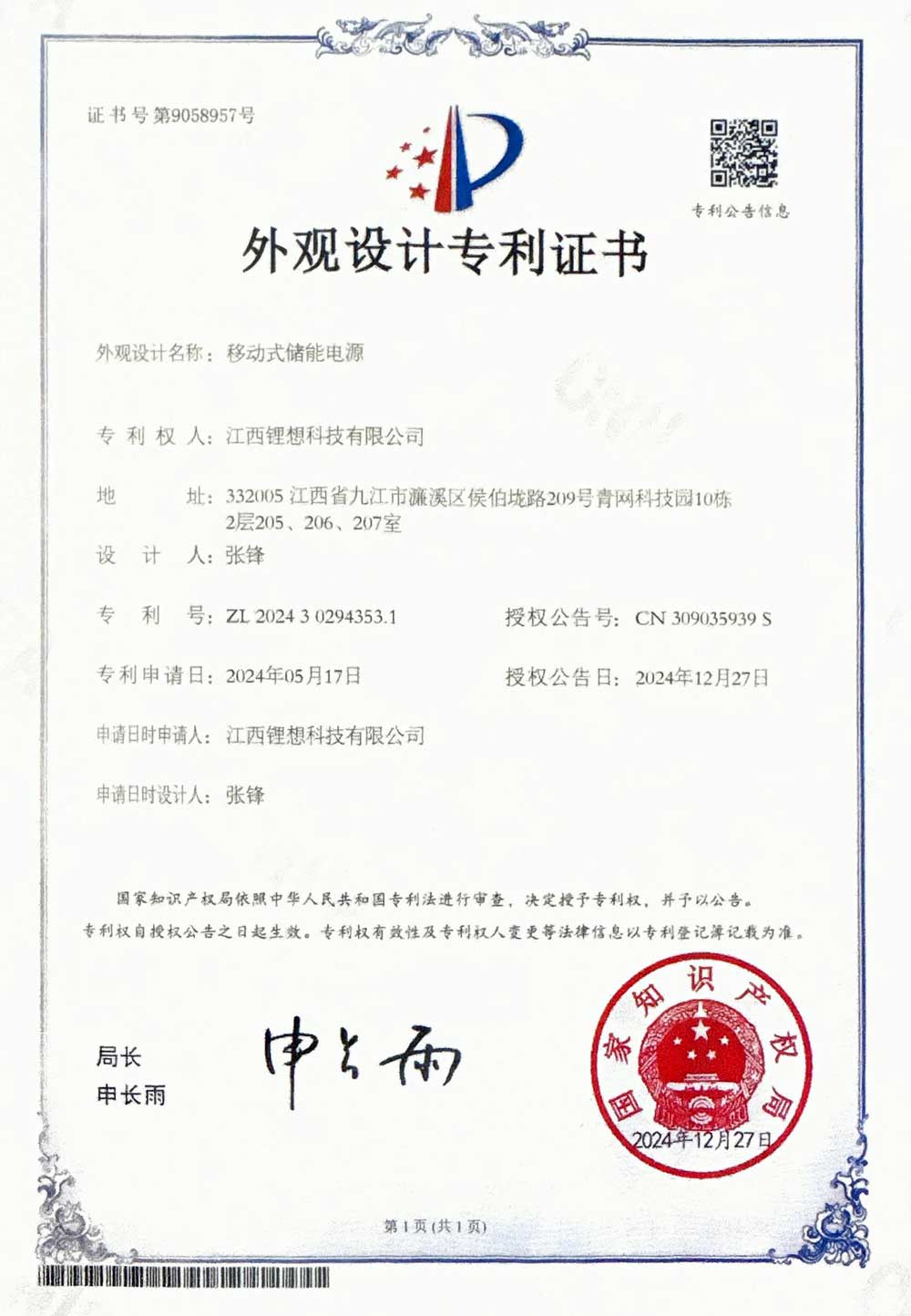
As we look toward 2030, the low voltage inverter market is shifting toward Silicon Carbide (SiC) and Gallium Nitride (GaN) components to further shrink form factors and increase power density. Our R&D team is currently focused on:
Integrating Vehicle-to-Home (V2H) protocols, allowing your EV to act as a primary battery for your household.
Cloud-based algorithms that predict weather patterns and grid prices to optimize battery usage automatically.
Preparing our BMS (Battery Management Systems) for the next generation of solid-state cells to enhance safety even further.
Yes, our R&D team specifically engineers our European product line to meet the low-voltage grid connection requirements of Germany (VDE-AR-N 4105). This ensures safe feed-in and automatic disconnection during grid failures.
Low voltage systems (typically 48V-51.2V) offer significantly higher safety during installation and maintenance, making them ideal for residential and small commercial applications. They are also less prone to DC arcing compared to 400V+ systems.
The Current Transformer (CT) monitors the flow of power at the grid connection point. Our inverter adjusts its output in real-time to ensure that no solar power is fed back into the grid if the local utility regulations or the user's preference prohibit export.
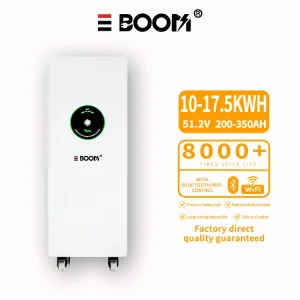
Absolutely. Our rack-mount and stackable LiFePO4 solutions are designed for modular scalability. You can start with 10kWh and expand up to 100kWh+ by paralleling additional modules without needing to replace the inverter.
 Lithium Idea