Premium industrial energy hardware engineered for high-duty cycles, deep discharge performance, and absolute operating safety.
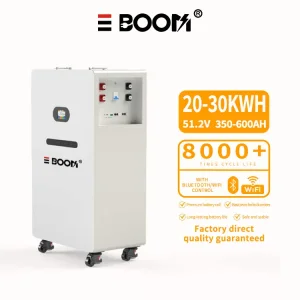
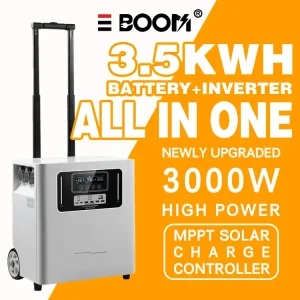
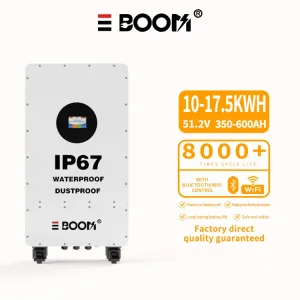
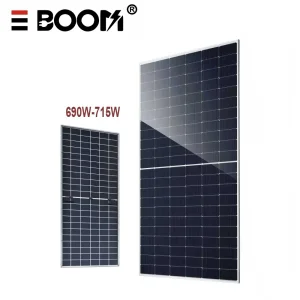
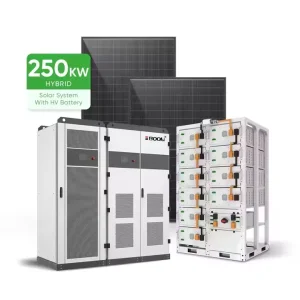
The global micro-mobility industry is undergoing a seismic shift in structural power design. With electric scooters and lightweight electric vehicles (LEVs) becoming integral components of modern urban transport networks and enterprise logistics, the demand for high-reliability energy systems has reached historic levels. High-capacity, robust lithium-ion battery configurations are systematically replacing outdated chemistry technologies. This replacement cycle is driven by the mandate to optimize the Total Cost of Ownership (TCO) for shared fleet networks and commercial operators.
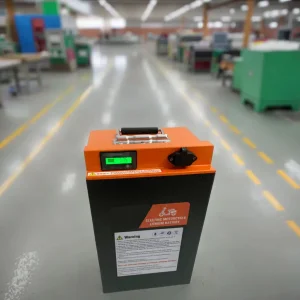
Modern micro-mobility batteries must handle high current discharges, withstand severe outdoor mechanical stress, resist extreme temperatures, and ensure long term functional safety. Traditional lithium chemistries have evolved toward highly optimized formulations. Specifically, Lithium Iron Phosphate (LiFePO4) and customized Lithium Nickel Manganese Cobalt Oxide (NMC) cells have emerged as dominant solutions. These compounds offer balanced performance profiles, providing high energy density alongside stable thermal safety margins.
Different localized application scenarios dictate which battery chemistry is best. For instance, urban scooter sharing networks operating in areas with high ambient temperatures prioritize LiFePO4 due to its higher thermal runaway threshold (around 270°C, compared to NMC's ~210°C) and superior calendar life. Conversely, lightweight consumer e-scooters requiring minimal frame thickness rely on high-energy-density ternary NMC cylindrical cells (such as 21700 formats) to maximize runtime per unit volume.
Advanced Grade A LiFePO4 cells yield 6,000 to 8,000 full depth of discharge (DoD) cycles, dramatically reducing hardware replacement overhead for commercial mobility systems.
Engineered structural spacing paired with high-quality cell materials mitigates thermal runaway risks, allowing operation in demanding environments without structural degradation.
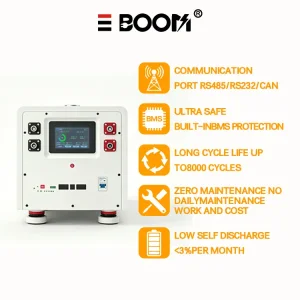
Integrated CAN/UART communication buses output real-time State-of-Charge (SoC), State-of-Health (SoH), and safety diagnostic metrics directly to fleet management platforms.
The performance of a lithium scooter battery is heavily dependent on the design of its Battery Management System (BMS). A standard off-the-shelf analog protective circuit is insufficient for the harsh operating environments of commercial micro-mobility fleets. Enterprise networks require intelligent digital BMS platforms capable of dynamic cell balancing, real-time diagnostic reporting, and multi-tier electronic protection.
OEM engineering at Jiangxi Lithium Idea Technology Co., Ltd. focuses on developing customizable BMS boards that support integration with onboard IoT telematics. Key functionalities include:
Founded on the principles of engineering excellence and industrial reliability, Jiangxi Lithium Idea Technology Co., Ltd. has developed over two decades into a trusted manufacturer of global energy storage solutions, power inverters, and high-efficiency photovoltaic modules. Our production footprint delivers clean energy hardware configured to support residential, commercial, industrial, and micro-mobility projects worldwide.
We combine advanced material sourcing with precise assembly methods to deliver power systems that satisfy demanding international quality directives. By partnering with leading lithium chemical suppliers and utilizing automated production equipment, we ensure that every custom battery pack conforms to international safety and reliability standards.
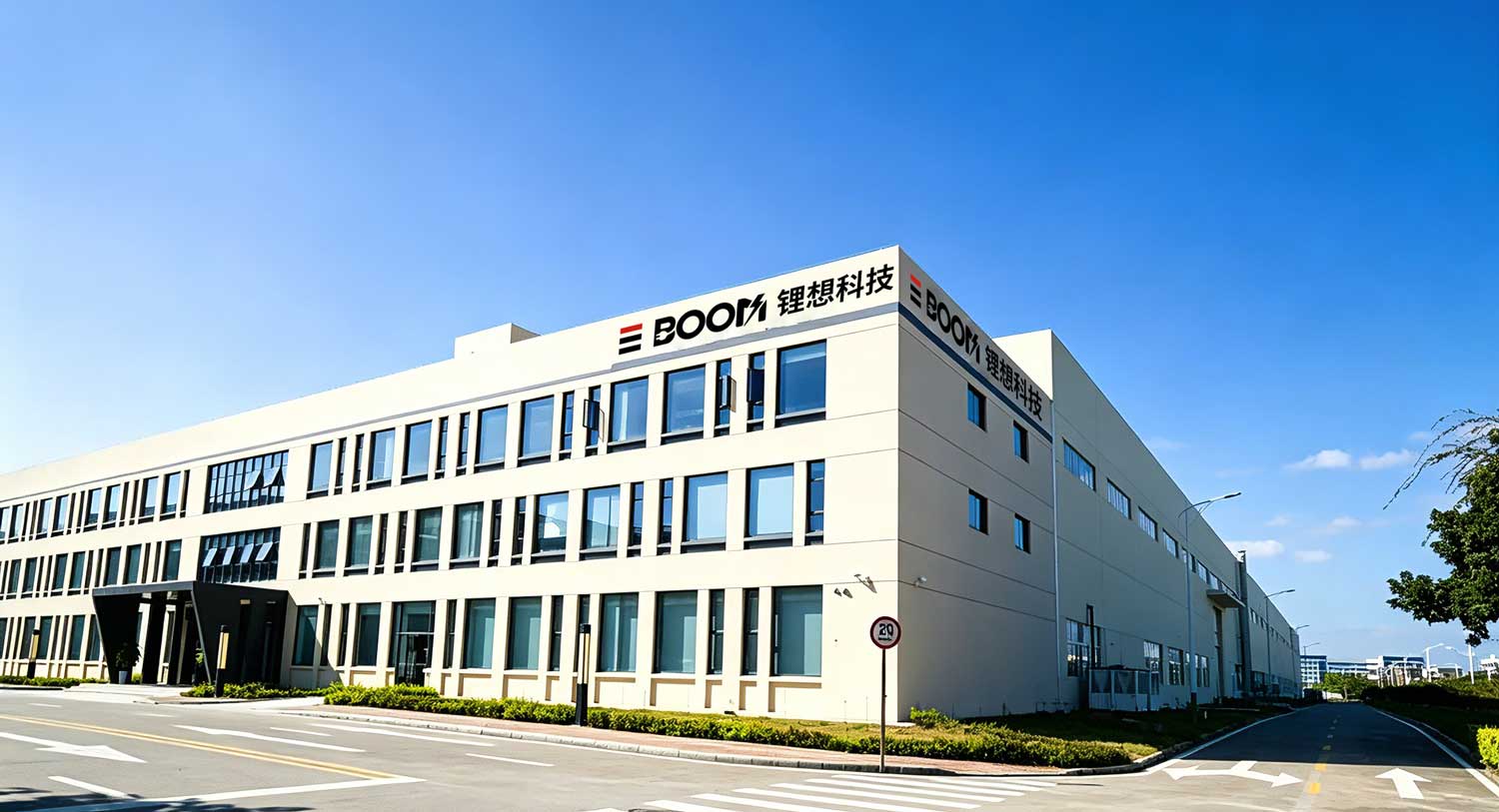


Global electronics manufacturing demands consistent quality and supply chain agility. Jiangxi Lithium Idea Technology Co., Ltd. addresses these requirements by integrating Factory 4.0 automation models into our battery pack production workflows. The modern lithium battery supply chain requires automated assembly, raw material verification, and strict quality control measures to maintain cell consistency.
Automated processes at our facility begin at the initial cell receiving phase. Individual cells undergo automated grading to sort and group them based on capacity, internal resistance, and voltage characteristics. Minimizing variance in cell parameters is critical; even slight deviations in cell impedance within a series-parallel pack can lead to premature capacity degradation. Automated cell-matching ensures consistent battery pack performance throughout its operating life.
Our manufacturing facility utilizes automatic laser welding systems to assemble cell arrays. Laser welding creates low-resistance joints that handle prolonged high-current discharge profiles without generating excessive heat. Following weld inspection, battery modules undergo computerized electrical testing. These automated testing routines simulate real-world usage patterns, including temperature extremes, continuous vibration stress, and deep discharge conditions. Our systems track charge/discharge profiles to ensure battery integrity prior to final packaging and shipment.
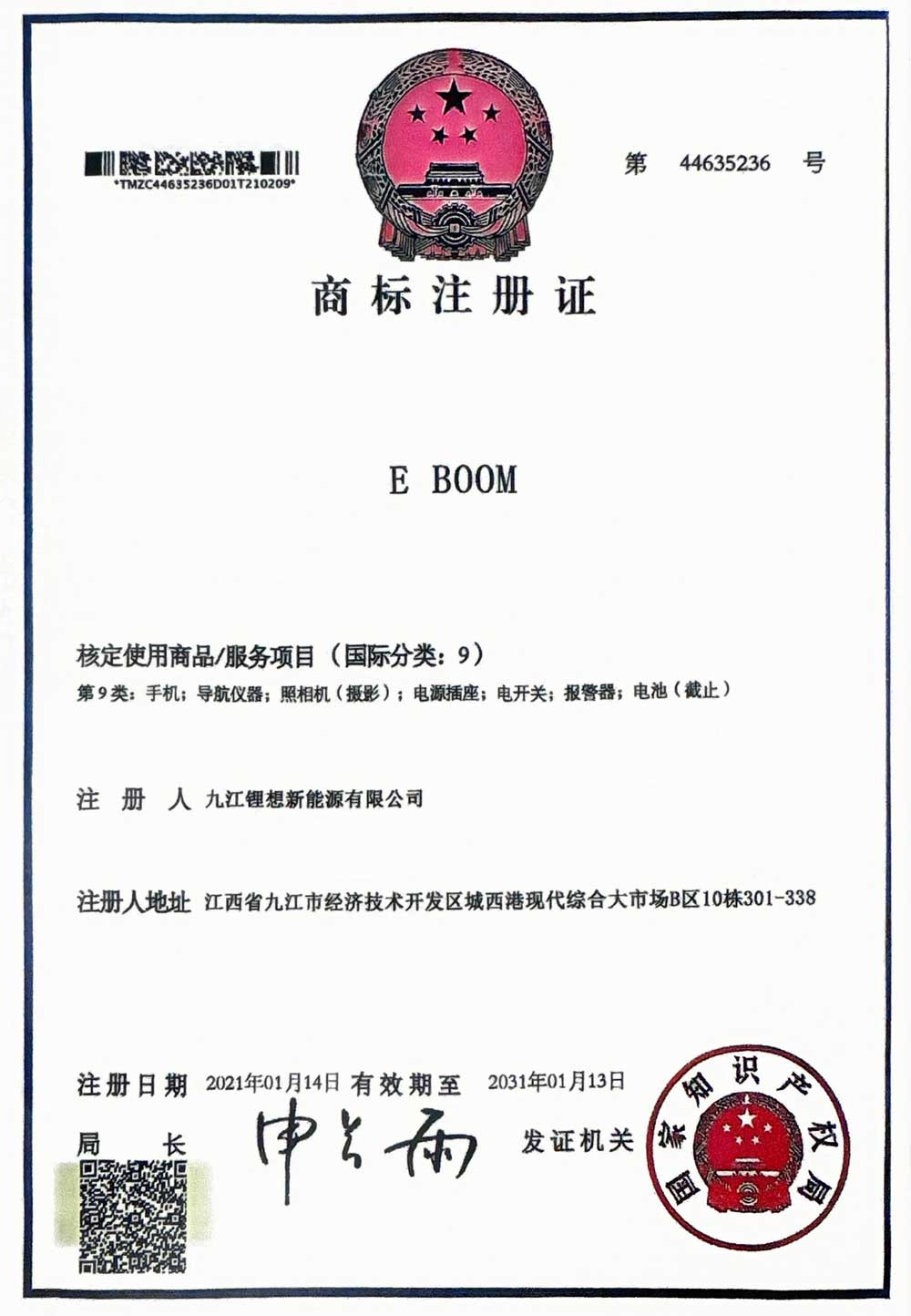
Our production facilities maintain strict alignment with international quality standards. We secure raw lithium cells through direct supply relationships with Tier-1 battery cell manufacturers (such as EVE, Gotion High-Tech, and BYD). This sourcing strategy ensures that only Class A, automotive-grade cells are integrated into our battery systems, providing reliable cycle-life and safety characteristics.
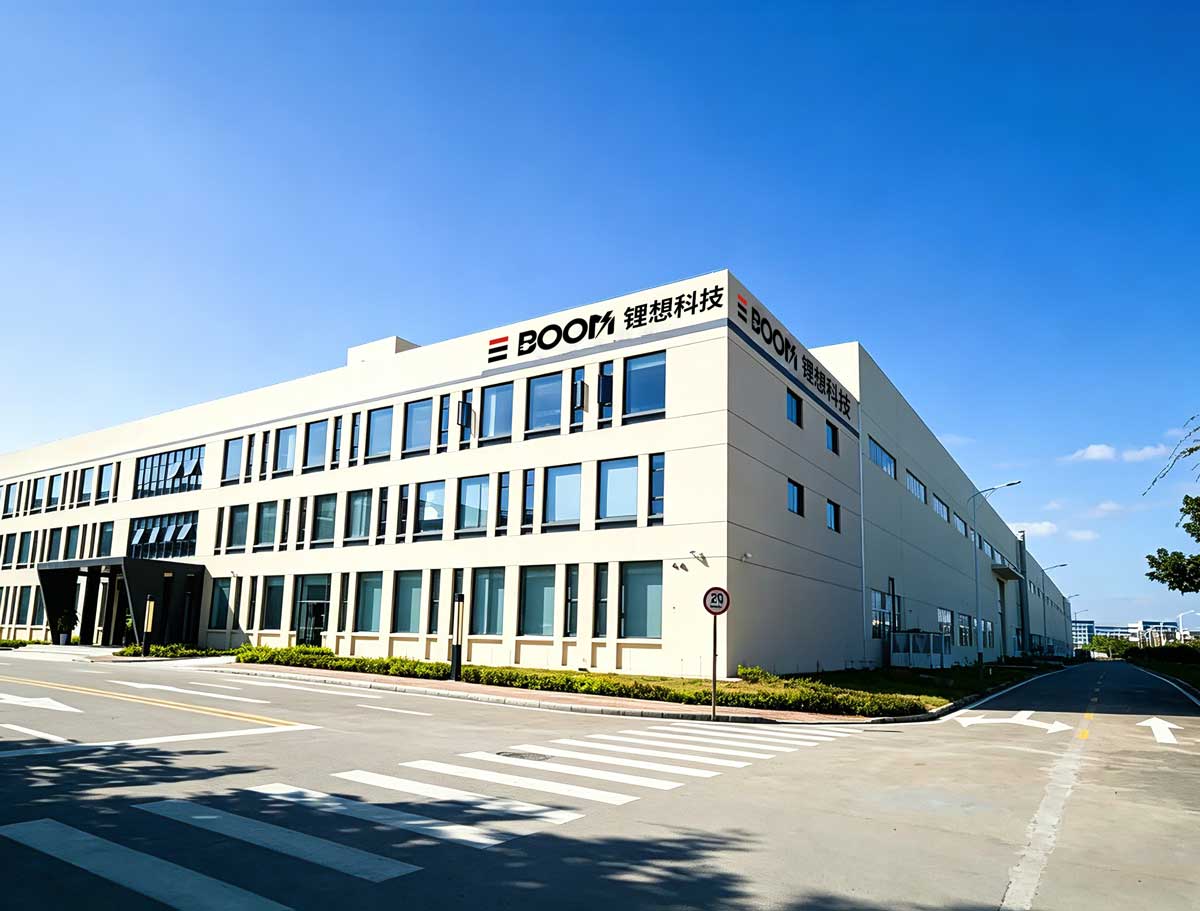
Operating out of Jiangxi's industrial cluster provides access to key raw material and chemical processing networks. This geographical advantage helps mitigate the supply bottlenecks that frequently disrupt global manufacturing schedules. By maintaining component inventory buffers, including BMS microchips, specialized connectors, extruded aluminum enclosures, and lithium cells, we provide stable production schedules and predictable delivery timelines for global commercial buyers.
Micro-mobility hardware must operate reliably across diverse climatic conditions and under varying mechanical loads. Global shipping environments require robust physical design. Our custom OEM lithium batteries are designed to handle environmental and physical stressors, from extreme cold to humid tropical conditions.
Designed with low-temperature chemical formulations and optional built-in heating elements, these batteries sustain stable charge efficiency and power output in climates below 0°C.
Equipped with thermal dissipation systems, flame-retardant enclosures, and high-tolerance seals to protect cells from ambient heat and high relative humidity.
Configured with heavy-duty structural dampening and reinforced brackets to absorb constant vibration and impacts from urban delivery routes.
To prevent ingress from water and fine dust, our scooter and light electric vehicle battery packs are manufactured to IP67 and IP69K standards. Extruded aluminum or reinforced polycarbonate housings protect the internally isolated battery cells, preventing structural damage during physical impact or drop events. These mechanical features help extend operating lifespans and reduce device downtime in demanding applications.
We work with global logistics companies to develop modular, swappable battery designs. Swappable battery configurations allow operators to replace discharged packs quickly, minimizing down-time. This structural flexibility supports efficient fleet operations in large urban centers.
Connecting with leading engineers, fleet operators, and system integrators at global clean energy conferences.
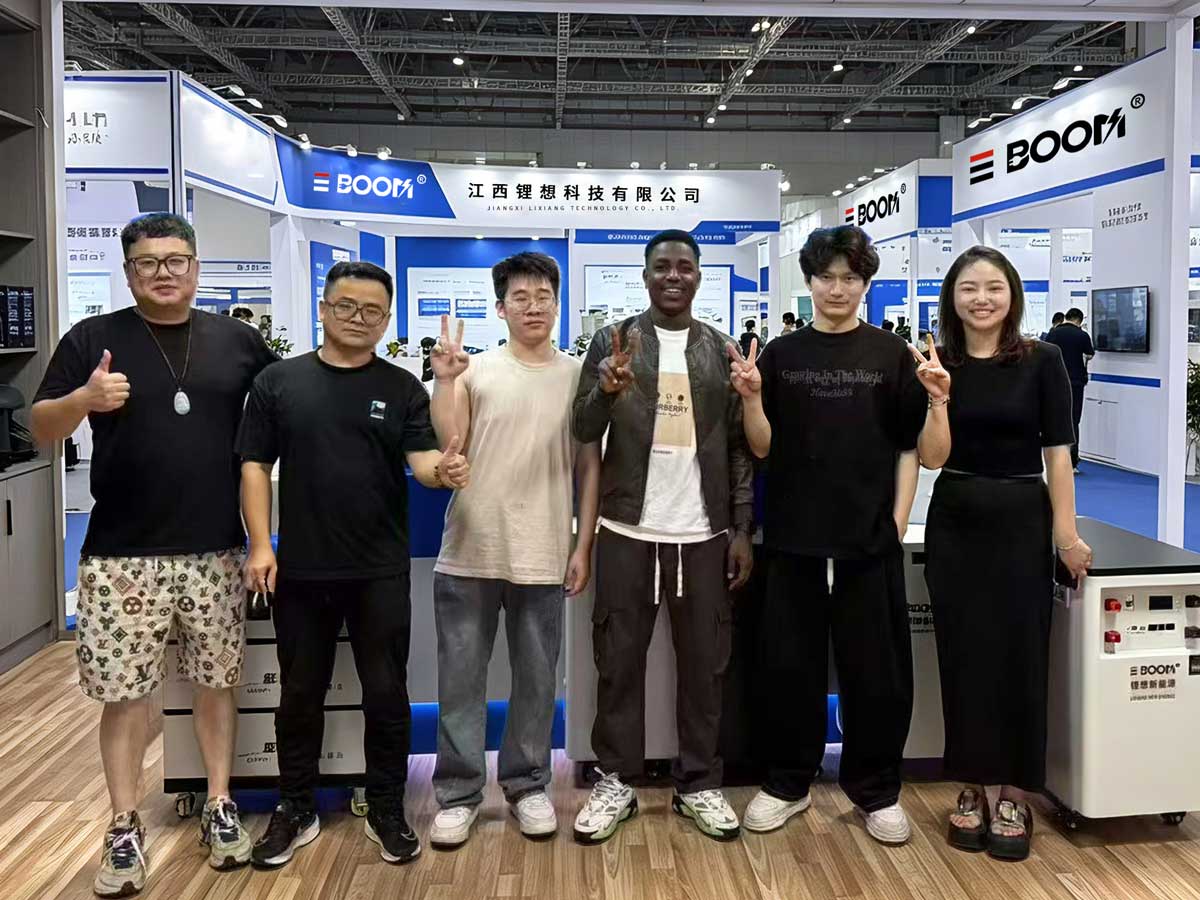
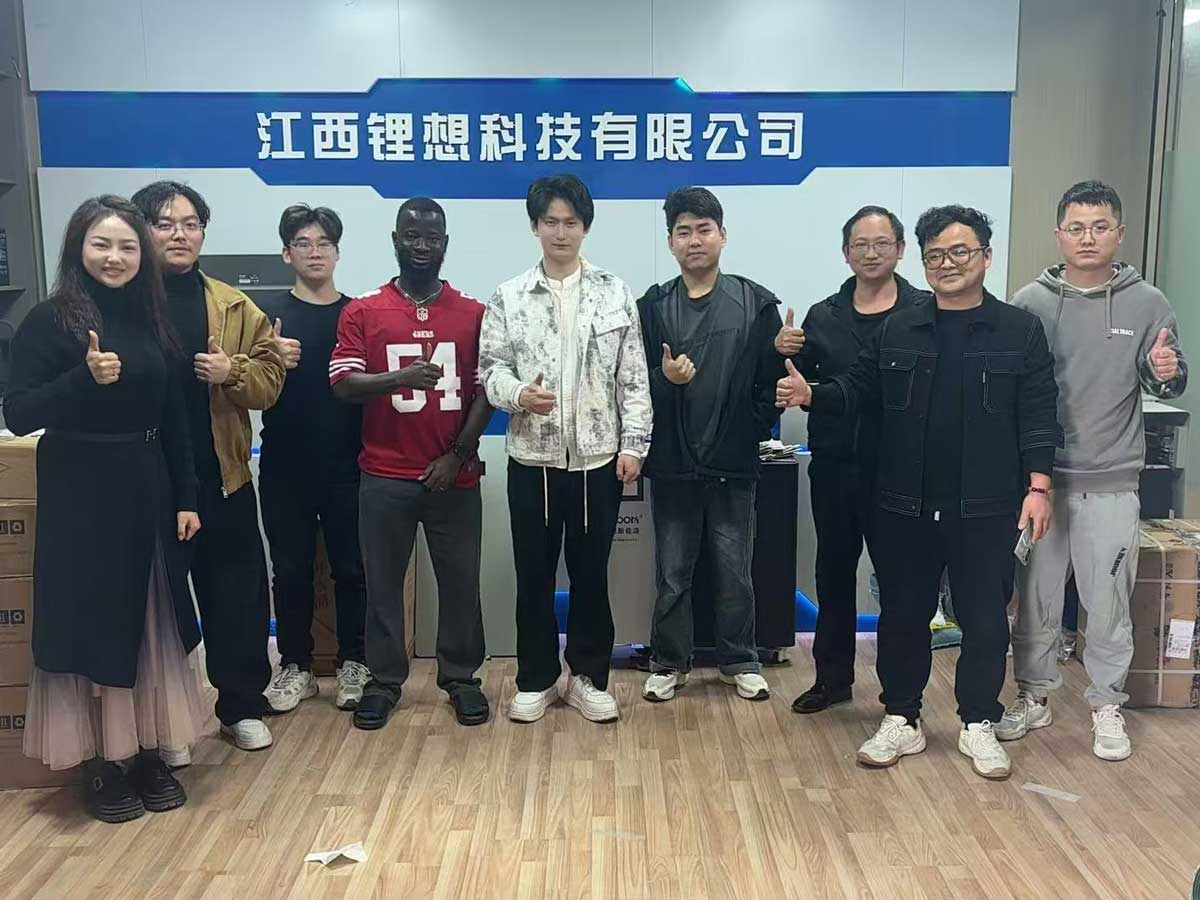

We exhibit our products at renewable energy and micro-mobility trade shows in the United States, Germany, Australia, and Brazil. These events allow us to showcase our new designs and align our product specifications with local regulatory mandates. This direct customer feedback helps us adjust our research and development direction to meet changing market needs.
This FAQ section covers common inquiries from enterprise buyers, procurement managers, and design engineers regarding our custom lithium battery manufacturing and delivery processes.
Explore our full line of commercial battery packs, hybrid solar inverters, and high-efficiency photovoltaic systems.
 Lithium Idea