An authoritative analysis of the maritime shift toward sustainable, high-density energy storage systems in modern commercial and recreational watercraft.
The maritime industry is undergoing an unprecedented technological shift. For over a century, internal combustion engines and lead-acid battery chemistries dominated marine environments. However, the rise of stringent environmental regulations, including the International Maritime Organization (IMO) greenhouse gas reduction strategies, alongside the commercial imperative for operational efficiency, has accelerated the adoption of lithium-ion technology. Modern vessels—ranging from luxury hybrid yachts and commercial fishing trawlers to electric passenger ferries and workboats—demand energy solutions that deliver high power density, exceptional thermal stability, and deep discharge cycles.
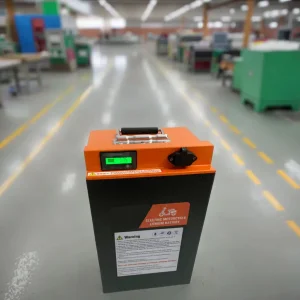
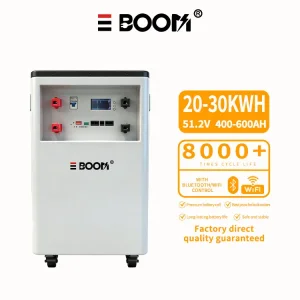
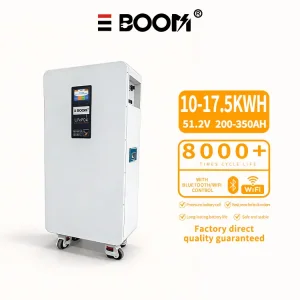
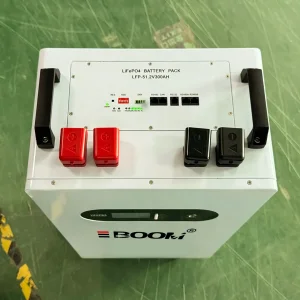
In this evolving sector, the OEM Lithium Ion Boat Battery acts as the central hub of propulsion and auxiliary power system design. Lithium Iron Phosphate (LiFePO4) has emerged as the chemistry of choice for maritime operations. Unlike Lithium Nickel Manganese Cobalt (NMC) cells, LiFePO4 chemistry offers a significantly higher thermal runaway threshold (up to 270°C), making it inherently safer in enclosed marine vessel environments where fires are catastrophic. Furthermore, the chemical structure allows for deep discharges—up to 100% Depth of Discharge (DoD)—without the rapid capacity degradation commonly experienced by lead-acid alternatives.
Information Gain Insight: While typical consumer lithium batteries prioritize compact energy density, marine grade OEM systems place structural robustness, active cell balancing under continuous vibration, and IP67/IP68 sealing against salt mist ingress at the forefront. As an expert OEM/ODM partner, Jiangxi Lithium Idea Technology Co., Ltd. customizes lithium packs to survive these exact harsh marine stressors while ensuring constant communications with onboard diagnostic systems.
Marine lithium battery modules must feature integrated cell-level thermal isolation and fire-retardant enclosures. LiFePO4 cells naturally reduce risk, ensuring stable operations even under accidental stress.
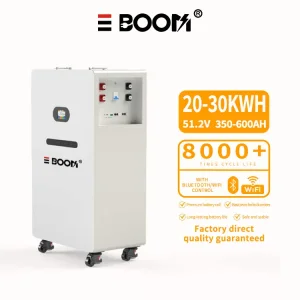
Offering standard performance of 6,000 to 8,000 full charge-discharge cycles at 80% DoD. This longevity is roughly 10x that of AGM batteries, yielding a lower Total Cost of Ownership (TCO).
Reducing overall energy storage weight by up to 60% compared to lead-acid layouts. This drastically improves boat speed, stability, hull drag, and fuel/energy efficiency.
Why sourcing custom marine energy storage and boat batteries from specialized Chinese OEMs yields massive quality and cost advantages.
The global battery landscape is centered heavily around Chinese manufacturing clusters. When sourcing an OEM Lithium Ion Boat Battery, working directly with a manufacturer in China provides unparalleled scale, supply chain integration, and cost efficiencies. China handles over 70% of global lithium-ion chemical refining and battery component manufacturing. This localized ecosystem gives producers direct access to Grade-A automotive-grade cells from premium cell developers such as EVE, Gotion High-Tech, and BYD.
Jiangxi Lithium Idea Technology Co., Ltd. harnesses these geographical and structural benefits to deliver robust, high-performance battery systems. By operating in proximity to raw material refining hubs, we bypass international freight markups on active chemical materials, passing the savings down to custom system buyers. Furthermore, our automated packaging lines, advanced cell-matching systems, and direct integration of high-grade Battery Management Systems (BMS) guarantee that every module operates at optimal efficiency.
Our engineers don't just assemble components; they build tailored marine configurations. The marine environment presents distinct hurdles: salt spray, ambient heat inside engine compartments, structural vibration from high-speed planing, and sudden voltage spikes from alternator charging. To address these factors, our factory specializes in:
Understanding the dynamic requirements of boat batteries across various real-world maritime environments.
Commercial vessels rely on deep-cycle power to run winches, sonar arrays, refrigeration units, and high-draw processing equipment. Standard batteries drain quickly and require frequent replacements, disrupting work cycles. Our high-voltage LFP battery modules offer stable voltage curves, allowing equipment to run efficiently even at low charge states, without dropping voltage.
For high-end luxury cruising, silence and comfort are key. By replacing diesel auxiliary generators with a high-capacity lithium bank (20kWh to 100kWh+), yacht owners can run air conditioning, lighting, galley systems, and navigation setups silently through the night. The high charge acceptance rate allows rapid replenishment using shore power or solar arrays.
Electric propulsion demands continuous high current discharge without thermal issues. OEM lithium boat batteries configured with high-C discharge cells provide the instant torque required for electric outboards and inboard motor shafts. Precision state-of-charge tracking ensures operators have highly accurate remaining-range data on their helm screens.
Anticipating engineering advances that will shape the next generation of maritime energy storage.
The marine electrification industry is rapidly advancing. Key trends shaping design specs and purchasing decisions over the next five years include:
Modern marine battery systems are increasingly integrated into smart internet architectures. Future OEM packs will feature built-in cloud diagnostics, allowing commercial fleet operators to monitor battery temperature, cycle health, cell deviation, and state-of-charge remotely from shore-based control rooms.
While LiFePO4 remains the standard for safety, solid-state battery development is progressing. As solid-state options become commercially viable, they promise to double current energy density while eliminating liquid electrolytes entirely, offering even higher safety profiles for sub-surface and high-performance craft.
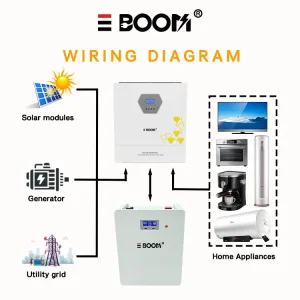
Modern vessel design is embracing hybrid systems. High-efficiency solar arrays (such as monocrystalline panels ranging from 550W to 730W) are paired with dedicated high-voltage hybrid solar inverters and lithium storage banks. This creates self-sustaining power loops that reduce dependence on fossil fuel ports.
A roadmap for procurement directors, yacht builders, and marine distributors looking to establish OEM agreements.
Purchasing high-capacity lithium marine batteries requires careful consideration of safety certifications, supply chain compliance, and technical compatibility. Marine systems must handle high currents and harsh environments. Below is a checklist for procurement managers sourcing boat batteries from Chinese factories:
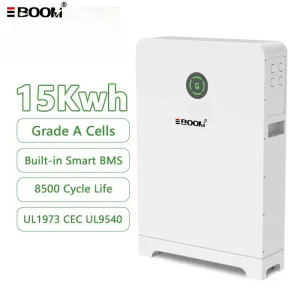
Verify that your manufacturer uses only certified Grade A automotive cells (from top brands like EVE, BYD, Gotion). Avoid suppliers using graded cells, which can lead to capacity imbalances within 12 months.
Ensure the BMS includes triple protection loops for overvoltage, undervoltage, high temperature, low-temperature charging prevention, and short circuits. Redundant hardware switches protect against unexpected failures at sea.
Confirm compliance with international standards, including UN38.3 for lithium shipping safety, CE, UL1973 for stationary and motive applications, and IEC62619 for industrial applications.
A legacy of clean energy innovation, engineering excellence, and global reliability.
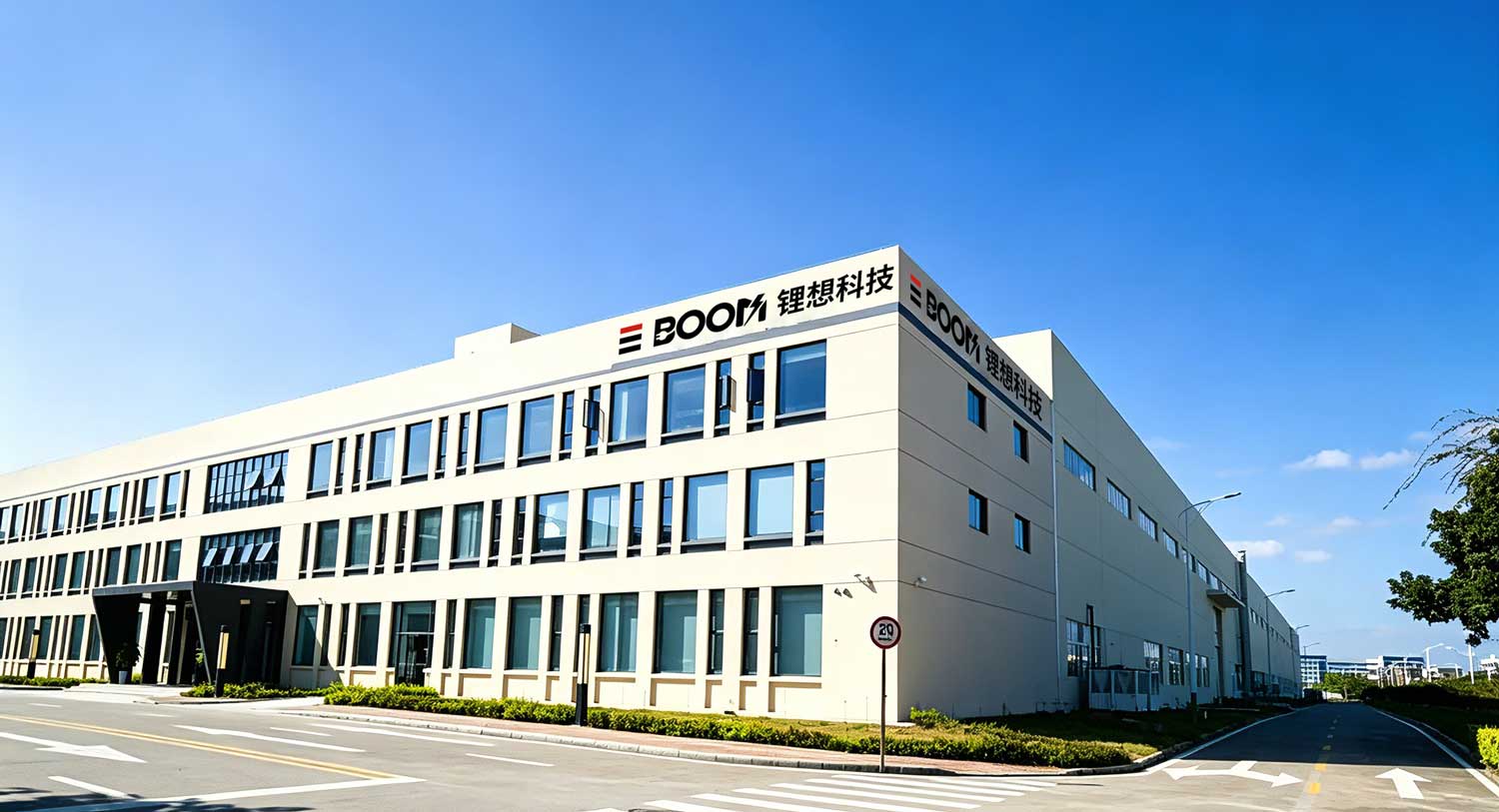
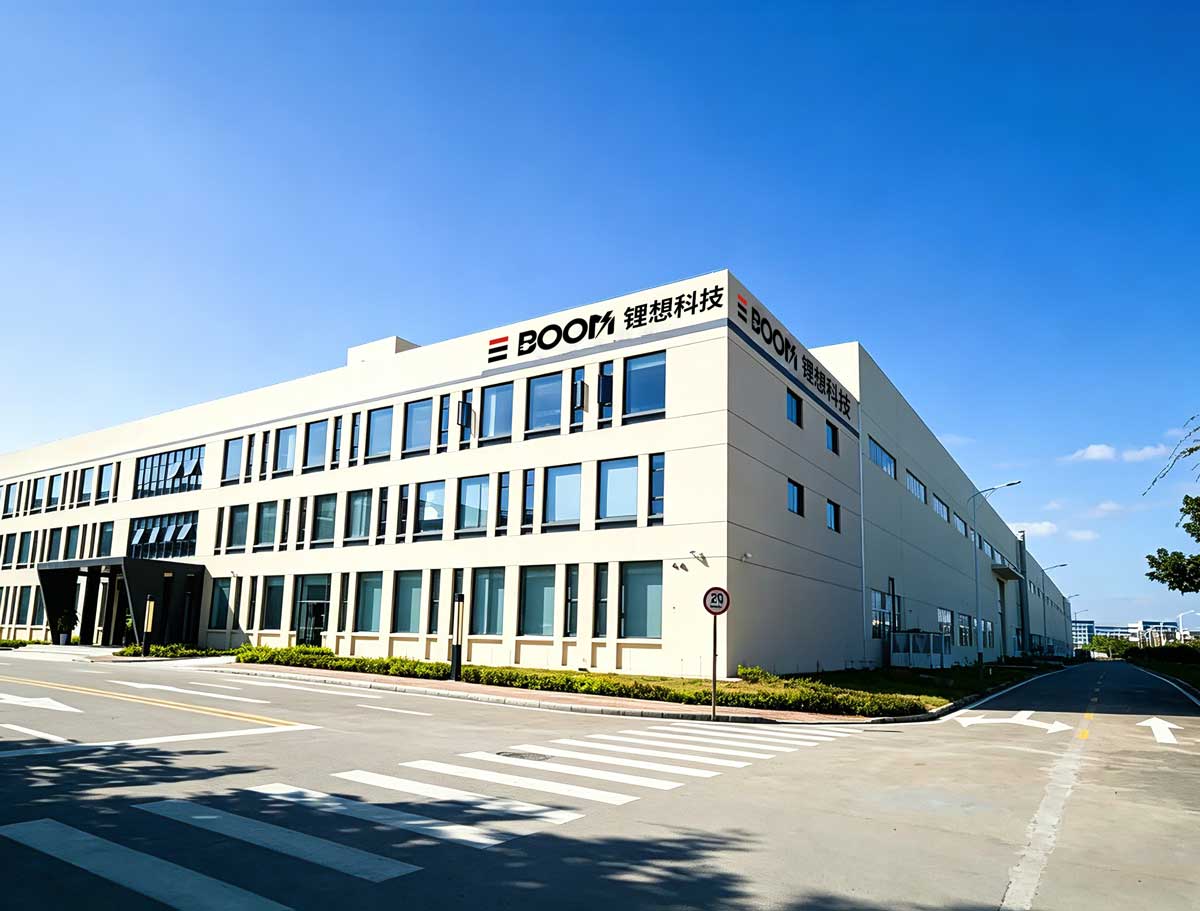
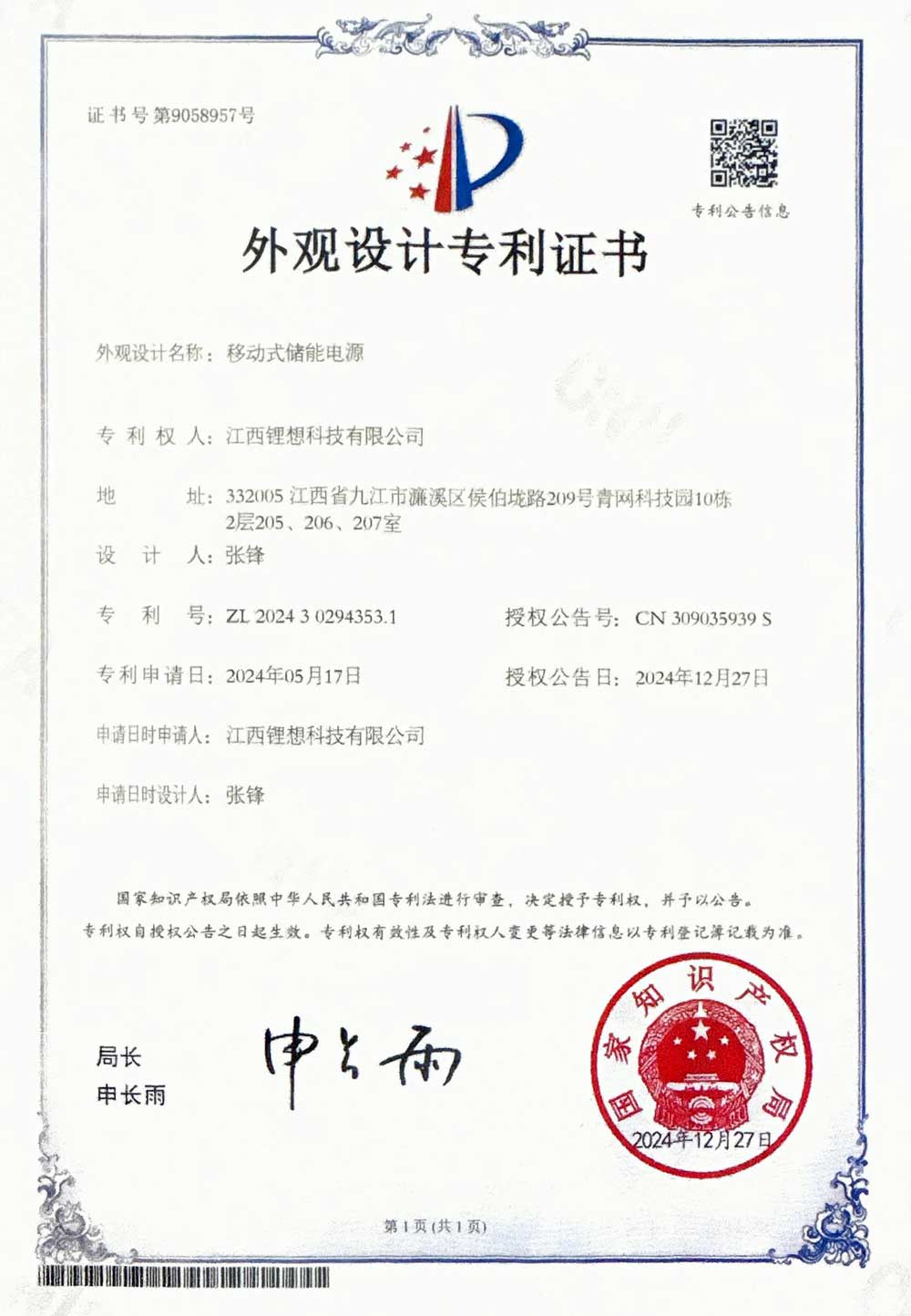
With over 20 years of dedicated expertise in the renewable energy industry, Jiangxi Lithium Idea Technology Co., Ltd. stands as a globally trusted manufacturer and supplier of integrated energy storage systems, inverters, and high-performance solar panels. Over the last two decades, we have designed, engineered, and manufactured advanced energy systems that enable residential, commercial, industrial, and marine operators to achieve energy independence and reliable power security.
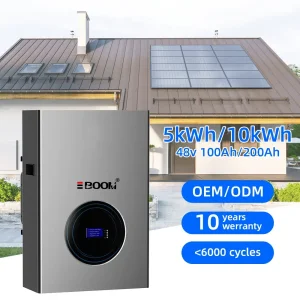
By combining high-quality materials, such as Grade A LiFePO4 cells, with modern manufacturing processes, we deliver solutions that consistently exceed expectations. Our production facilities feature strict quality controls, ensuring that every battery module matches its theoretical lifecycle profile. Supported by a comprehensive 10-year remote warranty, our customers gain a reliable, long-term clean energy partner.
Technical answers regarding marine lithium batteries, system configuration, and customization.
 Lithium Idea