Direct from OEM manufacturing lines, engineered with Tier-1 automotive cells and advanced power management interfaces.
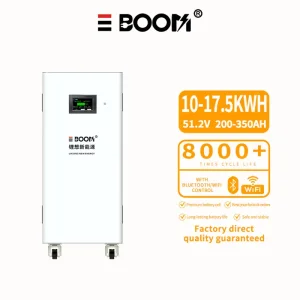
10/15kWh Grade A | 8000 Cycles | 10-Year Warranty. Designed for resilient energy independence and utility backup integration.
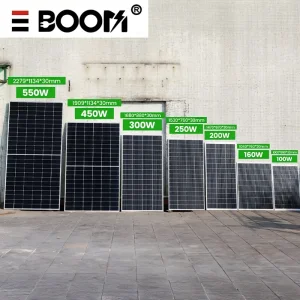
IP68 Waterproof design optimized for off-grid configurations, maximum solar irradiance conversion, and heavy weather resilience.
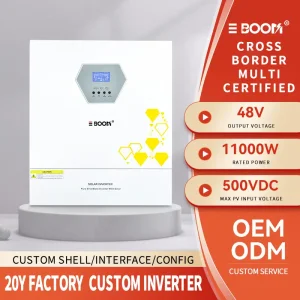
On/Off-Grid smart inverter equipped with WiFi remote monitoring, built-in dual MPPT algorithms, and direct factory pricing.
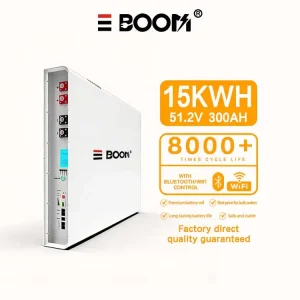
51.2V 300Ah LiFePO4 chemistry, 8000+ Cycles, integrated Smart BMS with active balancing protocol and safety parameters.
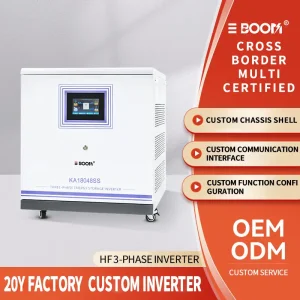
High-frequency PV processing unit with built-in multi-MPPT tracker and wireless cloud monitoring for commercial estates.
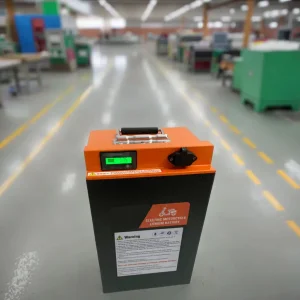
6000+ Charge Cycles engineered for EVs and E-bikes. High discharge rates, structural stability, and smart cell layout.
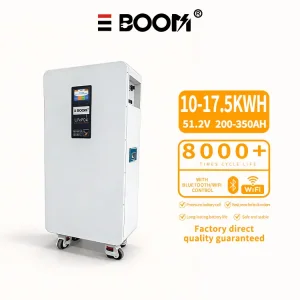
Premium 15kWh capacity modules with 8000 cycles rating. Ideal for scalable rack-mount arrays and high-capacity microgrids.
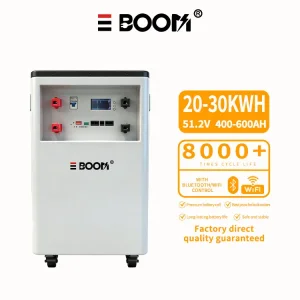
Heavy-duty commercial storage solution. Grade A cells, Eco-Friendly architecture, and comprehensive 10-Year Warranty coverage.
Understanding the chemistry, constraints, and unmatched advantages of LCO in high-energy density applications.
Lithium Cobalt Oxide ($LiCoO_2$), commonly known as LCO, remains the foundational material powering the high-energy portable battery market. While Lithium Iron Phosphate ($LiFePO_4$ / LFP) has captured a significant share of stationary grid-level storage due to its safety and lifecycle metrics, Lithium Cobalt Oxide holds an unyielding monopoly where gravimetric and volumetric energy density are paramount.
In the global industrial complex, the demand for LCO chemistry is driven primarily by modern high-end consumer hardware, aerospace instrumentation, specialized medical devices, and high-drain defense electronics. An OEM factory specializing in LCO must possess advanced chemical synthesis processes and strict atmosphere-controlled environments to mitigate the high volatility of cobalt-based compounds. As global supply chains navigate the constraints of ethical mining and cobalt pricing fluctuations, Tier-1 manufacturing facilities like Jiangxi Lithium Idea Technology Co., Ltd. are innovating with advanced surface coatings and crystal-lattice doping techniques to decrease cobalt dependencies while pushing high-voltage operation cut-offs to unprecedented levels ($4.5\text{V} - 4.6\text{V}$).
The geographical centers for OEM Lithium Cobalt Oxide battery fabrication are heavily clustered in regions boasting integrated upstream precursor refining. This supply chain centralization is vital, as precursor matching—specifically, the synthesis of high-density spherical cobalt hydroxide and its subsequent calcination with lithium carbonate—controls the final electrochemical efficiency of the battery cell. In response to these market requirements, our production lines implement state-of-the-art co-precipitation systems and automated high-temperature tunnel kilns to guarantee crystalline uniformity across millions of OEM batches.
Unmatched energy output per cubic centimeter. LCO chemistry provides the compact form factor essential for smartphones, premium wearables, and specialized drone platforms.
Features a highly flat discharge curve, ensuring constant voltage delivery. This protects sensitive onboard electronics and enhances end-user battery calibration.
High electronic conductivity of the $LiCoO_2$ layered structure enables fast charging configurations and high pulse currents under heavy electrical loads.
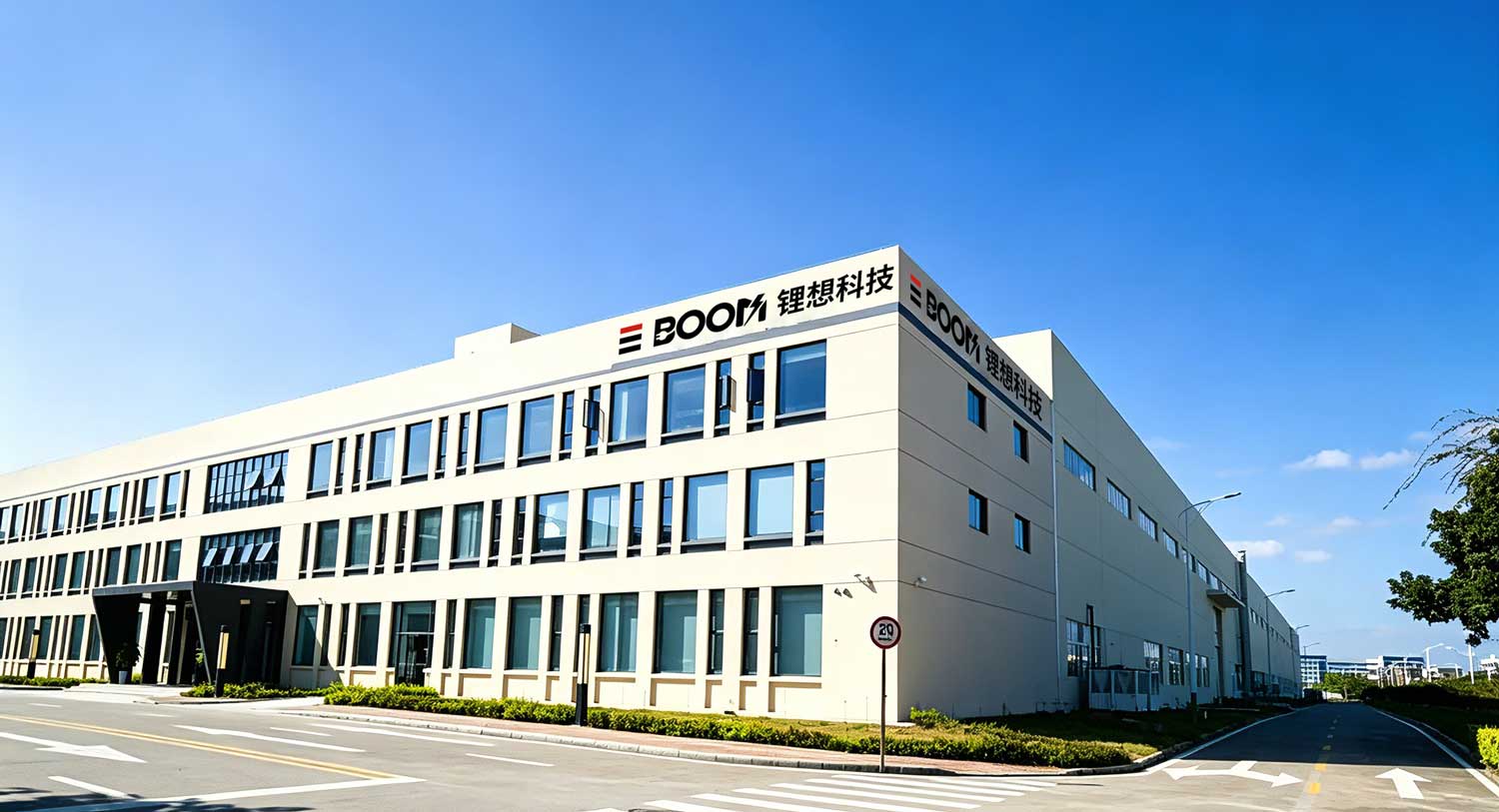
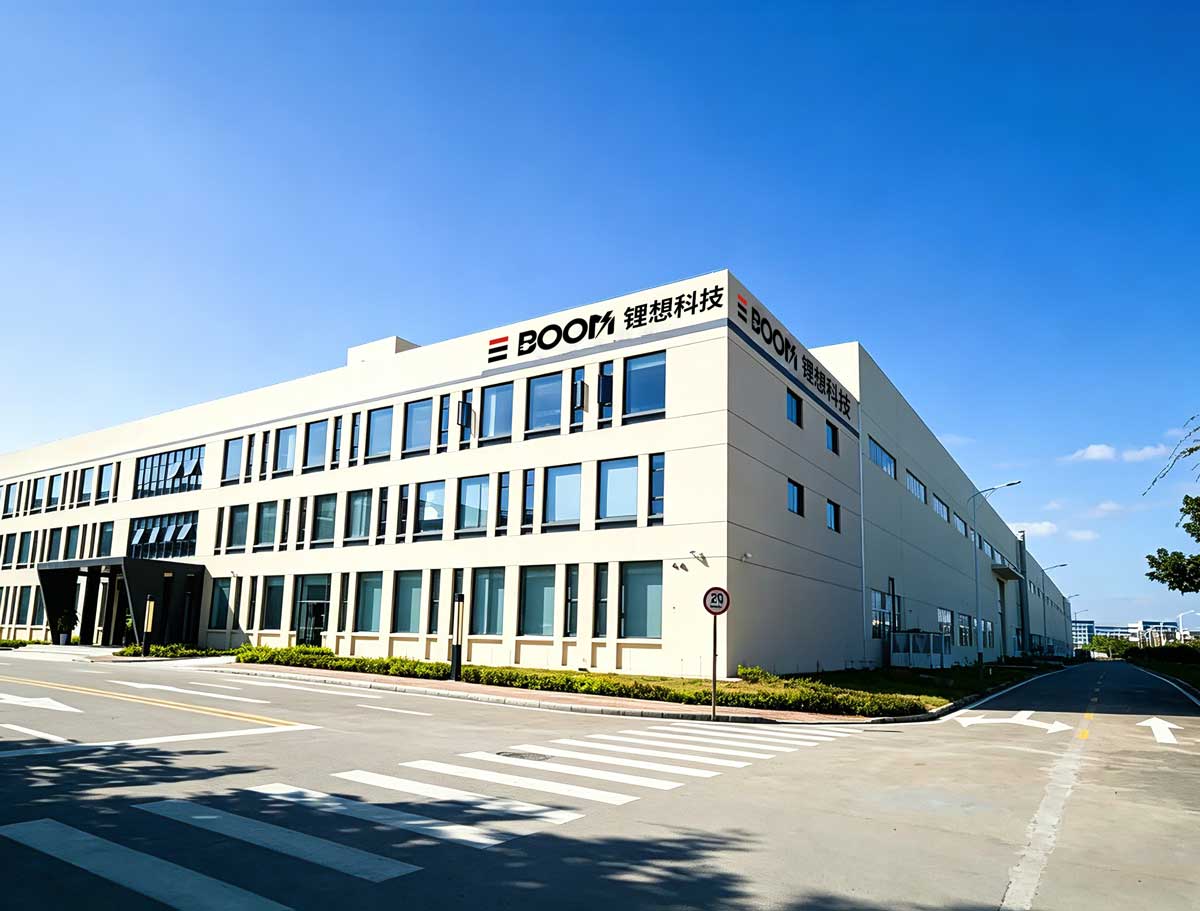
For over two decades, Jiangxi Lithium Idea Technology has been at the forefront of the clean energy transition. Originally founded as a specialist battery packaging enterprise, we have scaled into a globally recognized developer of comprehensive energy platforms, micro-grids, and high-capacity solar systems.
By utilizing automotive-grade Class A cells from world-renowned strategic supply partners including EVE, Gotion High-Tech, and BYD, we ensure our assemblies operate with a cycle life of 8000+ charges. Our custom manufacturing capabilities cover everything from high-voltage EV battery modules to home storage systems, hybrid multi-MPPT inverters, and high-conversion monocrystalline solar panels.
Wall-mounted systems (3kWh to 5kWh) and rolling/mobile solar generators (10kWh to 30kWh) designed for complete domestic blackout redundancy.
Scalable containerized installations from 100kWh to 1000kWh+ with integrated liquid or smart-air cooling for factories and peak-shaving applications.
A full range of single-phase and three-phase off-grid, grid-tie, and hybrid inverters ranging from 3kW to 300kW with built-in Wi-Fi and solar tracking.
High-output monocrystalline PV modules (550W to 730W) featuring multi-busbar (MBB) cell architecture and anti-reflective, high-transmission tempered glass.
Two decades of engineering growth, industrial scale, and global supply chains.
Addressing the critical engineering adjustments that define next-generation LCO and LFP battery systems.
Historically, Lithium Cobalt Oxide was plagued by safety concerns at elevated temperatures and voltage states. As battery voltages rise above $4.2\text{V}$, the extraction of lithium ions from the $Li_xCoO_2$ layered structure drops below $x = 0.5$. This triggers a structural phase transition from the stable O3 hexagonal phase to the unstable H1-3 monoclinic phase. If uncontrolled, this transition results in lattice oxygen release, electrolyte oxidation, and subsequent thermal runaway.
To address this limitation, our OEM engineering teams deploy a dual-stabilization protocol:
Below is a comparative breakdown of key lithium chemistries optimized in our manufacturing facilities:
| Electrochemical Parameter | Lithium Cobalt Oxide ($LiCoO_2$) | Lithium Iron Phosphate ($LiFePO_4$) | Nickel Manganese Cobalt ($LiNiMnCoO_2$) |
|---|---|---|---|
| Gravimetric Energy Density | $180 - 240\text{ Wh/kg}$ | $120 - 160\text{ Wh/kg}$ | $200 - 280\text{ Wh/kg}$ |
| Volumetric Energy Density | $600 - 750\text{ Wh/L}$ | $320 - 400\text{ Wh/L}$ | $550 - 680\text{ Wh/L}$ |
| Nominal Cell Voltage | $3.7\text{V} - 3.9\text{V}$ | $3.2\text{V} - 3.3\text{V}$ | $3.6\text{V} - 3.7\text{V}$ |
| Standard Cycle Life ($100\%\text{ DoD}$) | $500 - 1,000\text{ Cycles}$ | $6,000 - 8,000+\text{ Cycles}$ | $1,500 - 2,500\text{ Cycles}$ |
| Thermal Runaway Threshold | $\approx 150^\circ\text{C}$ | $\approx 270^\circ\text{C}$ | $\approx 210^\circ\text{C}$ |
| Target Applications | High-End Consumer Electronics, Medical, Aerospace | Residential ESS, Commercial Storage, Utility Grid | Electric Vehicles, High-Drain Power Equipment |
Custom engineering templates developed for specific industrial, commercial, and geographical applications.
OEM battery packs utilizing premium grade cells for surgical instrumentation, mobile ventilators, and diagnostic equipment. Features redundant multi-tier protection circuits and real-time SMBus communication protocols.
Custom high-energy LCO packs optimized for sub-zero temperature operation. Featuring lightweight structural carbon-fiber casings and tailored electrolyte formulas designed to maintain charge transfer kinetics under low ambient pressure.
Hybrid energy configurations combining high-voltage LCO buffers for peak instantaneous load shedding and durable $LiFePO_4$ battery banks for sustained, long-duration energy cycling.
Technical responses to common procurement and design questions from energy storage developers.
Engaging with global energy partners and displaying our manufacturing capabilities on the international stage.
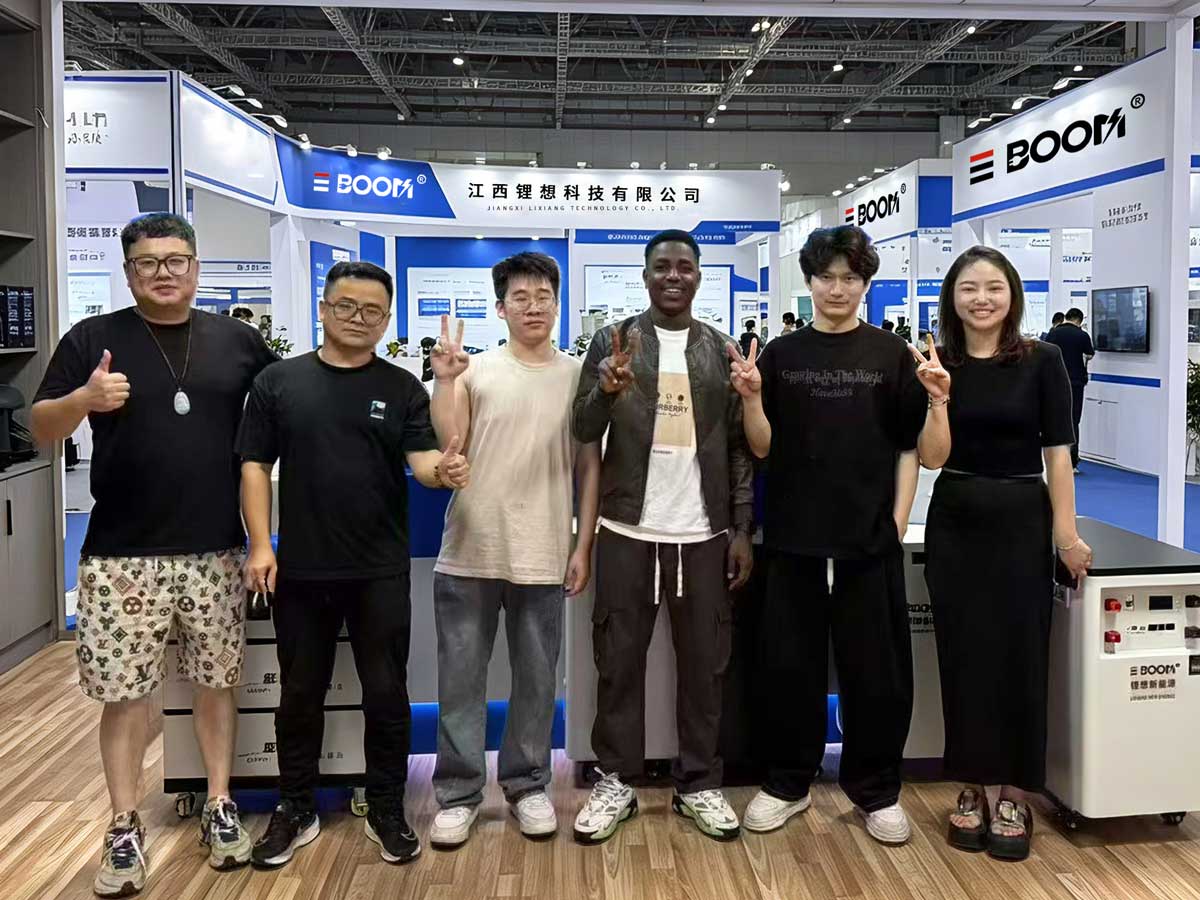
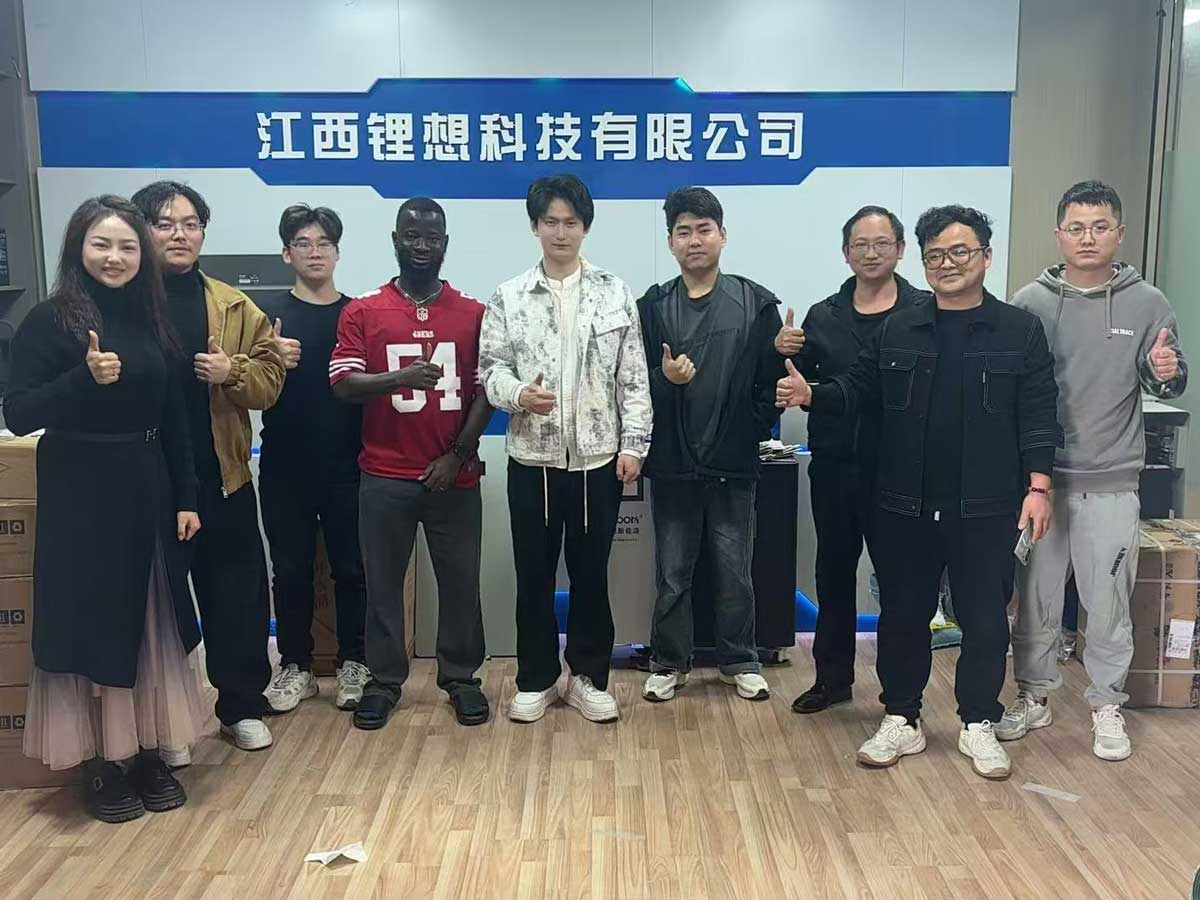

High-performance microgrid, monocrystalline module, and inverter arrays optimized for direct commercial sourcing.
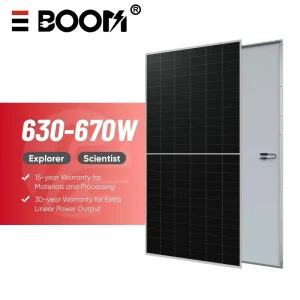
High-density monocrystalline cell matrices engineered for commercial structures and agricultural solar projects.
Equipped with wide voltage inputs, fast MPPT response cycles, and full integration compatibility with solar storage arrays.
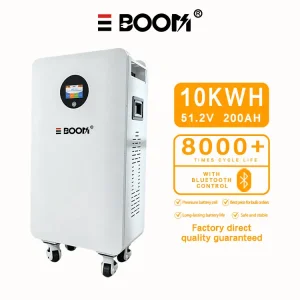
Mobile wheeled layout with integrated smart BMS. Allows quick emergency relocations and rapid backup integration.
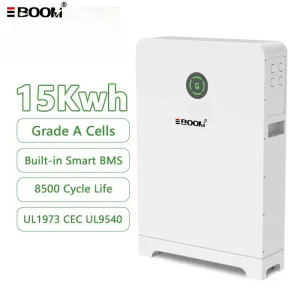
UL certified blackout protection system utilizing Grade A prismatic cells for reliable energy security.
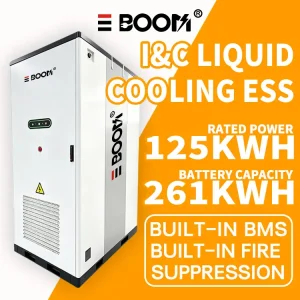
All-In-One Commercial and Industrial system. Liquid thermal cooling guarantees safe operation across all ambient conditions.
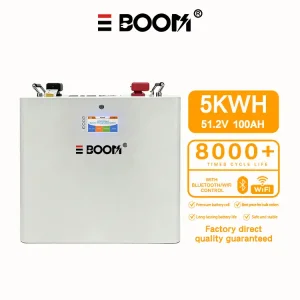
Compact wall storage system designed for residential peak-shaving and off-grid PV architectures.
High-capacity mobile battery trolley equipped with industrial-grade BMS and emergency power distribution panels.
Premium multi-busbar modules showing superior energy yield profiles in low-light environments.
 Lithium Idea