Direct from Jiangxi Lithium Idea Technology - Engineered with Grade A Cells & Long-Cycle Smart BMS
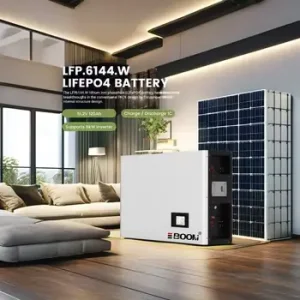
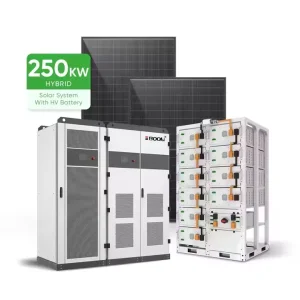
The global transition toward clean, decentralized energy infrastructure has elevated the home solar battery system from a niche consumer product to a critical asset in national energy security and grid stabilization. Global energy supply chains face structural challenges, placing high demand on B2B procurement professionals, system integrators, and solar distributors for Tier-1 OEM manufacturing partners who deliver not just products, but engineering expertise, supply chain resilience, and technological longevity.
The global ESS landscape is characterized by three distinct trends: the transition to high-voltage architectures, integration of intelligent Battery Management Systems (BMS) with cloud analytics, and the widespread adoption of Lithium Iron Phosphate (LiFePO4) over cobalt-based chemistries due to safety and lifecycle considerations. In terms of engineering, modern residential storage systems have transitioned from low-voltage (48V) modules to high-voltage stacking architectures (ranging from 100V to over 400V). Higher voltage systems minimize DC-AC conversion losses, enable smaller cable cross-sections, and deliver higher efficiency under heavy loads. Concurrently, advanced AI-driven BMS platforms now perform predictive diagnostics and thermal runaway forecasting. The modern battery pack is a localized computing node capable of dynamically communicating with hybrid inverters and smart microgrids.
Moving from traditional 48V setups to high-voltage architectures to minimize transmission losses, boost round-trip efficiency, and simplify local solar installation.
Standardizing on Automotive-Grade Grade A LiFePO4 cells (BYD, EVE, Gotion) to secure up to 8,000 charge-discharge cycles at 80% Depth of Discharge.
BMS integration with Wi-Fi and Bluetooth, allowing operators to execute OTA firmware updates, monitor cell health, and balance voltages remotely.
B2B Sourcing Directors in the energy sector prioritize three criteria: regulatory compliance, quality control consistency, and cost-per-kWh scalability. As national grids implement strict grid-connection standards (such as UL9540A, CE-LVD, IEC 62619, and UN38.3), compliance documentation acts as a vital entry barrier for imports. Companies procuring energy storage units must ensure cells are sourced directly from Class A automotive-grade manufacturing lines. Jiangxi Lithium Idea Technology mitigates sourcing risks by relying on premium battery cells from EVE, Gotion High-Tech, and BYD. This configuration reduces capacity fade rates, maintaining operational capacity above 80% after 8,000 cycles. For EPCs (Engineering, Procurement, and Construction contractors), this translates to low project lifecycle costs and fewer warranty claims.
Jiangxi Lithium Idea Technology Co., Ltd. stands as a globally trusted manufacturer and supplier of integrated energy storage systems, inverters, and solar panels. Backed by a team of seasoned engineers and a state-of-the-art production facility, we bring expertise in energy storage system assembly and manufacturing, ensuring every product meets global standards of safety, efficiency, and durability.
The manufacturing infrastructure in China has evolved beyond simple cost advantages into a robust, vertically integrated ecosystem driven by Factory 4.0 principles. At Jiangxi Lithium Idea Technology, smart automation ensures cell grading, sorting, laser welding, and automated packing are executed under precise environmental controls (temperature ≤ 25°C, humidity ≤ 30% RH). This control minimizes early cell degradation and ensures consistent performance across series-parallel connections. Vertical integration allows China's factory base to source structural enclosures, electronic components, and advanced BMS systems quickly, reducing lead times to 3–4 weeks compared to the industry average of 12+ weeks. This resilience enables global partners to scale their inventory in response to sudden regulatory shifts or utility tariff adjustments.
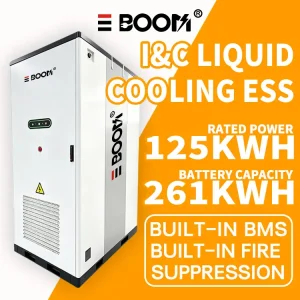
While residential applications focus on compact sizes and ease of installation, Commercial & Industrial (C&I) scenarios demand thermal stability and heavy duty cycle capacity. Liquid cooling has emerged as a key technology for utility-scale systems (like the 125kW 261kWh containerized models). Compared to forced air-cooling, liquid cooling maintains a uniform temperature gradient across cell terminals (delta T ≤ 2.5°C), reducing thermal variance that causes accelerated degradation. This uniform cooling prolongs overall battery life, enhances safety in hot environments, and yields a round-trip efficiency of 92%+, making it a preferred choice for factories and commercial properties looking to lower peak power demand costs.
Precision grouping of battery cells using internal resistance, voltage, and capacitance metrics to prevent module mismatching.
Minimizes thermal variance under heavy charge/discharge cycles, preventing local hotspots and protecting C&I cabinets.
Equipped with independent hardware protective circuits and smart software layers to monitor over-current, over-charge, and short circuits.
Energy needs vary significantly depending on geographic factors and local infrastructure. Our OEM home battery systems are designed with these diverse environmental demands in mind:
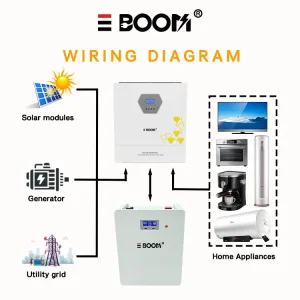
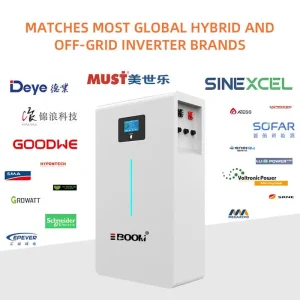
Sourcing directors in the US and Canada prioritize automatic transfer switches (ATS) and quick backup transition times. Our high-voltage battery storage packs integrate with standard split-phase inverters (120V/240V), ensuring residential power is maintained during hurricane-induced grid outages.
With high electricity tariffs and feed-in limits, European markets focus on intelligent arbitrage. Our battery systems are programmed to charge during low-cost utility hours and discharge during high-demand peaks, reducing household grid reliance.
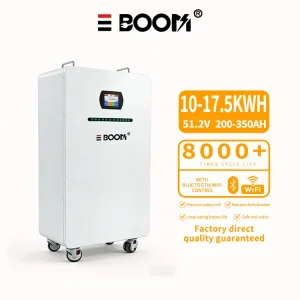
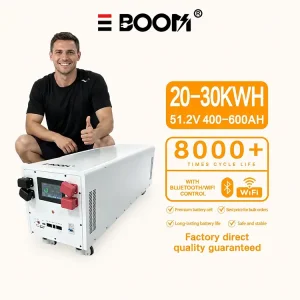
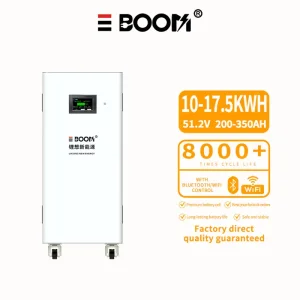
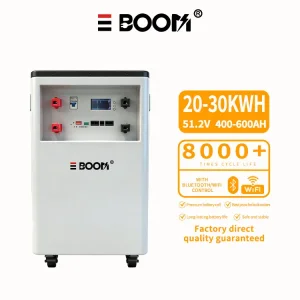
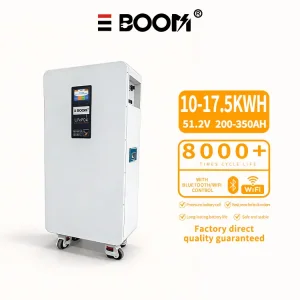
In regions with weak grids or for temporary installations, wheeled energy storage units (10kWh to 35kWh) provide modular, deployable energy. These units feature heavy-duty enclosures and integrated BMS for immediate use without permanent mounting.
Sourcing teams must select configurations aligned with their installation requirements. The table below outlines our OEM product range:
| Product Series | Capacity Range | Cell Chemistry | Interface Ports | Target Application |
|---|---|---|---|---|
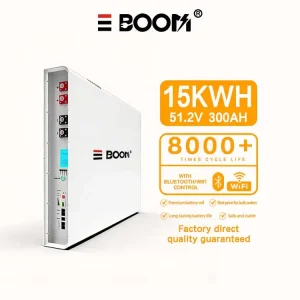
| Wall-Mounted Systems | 5kWh - 15kWh | LiFePO4 (Grade A) | CAN / RS485 / Wi-Fi | Residential Space-Saving Backup |
| Wheeled Mobile Storage | 10kWh - 35kWh | BYD Blade / LiFePO4 | CAN / RS232 / App | Flexible / Remote / Off-Grid |
| Liquid-Cooled ESS | 250kWh - 1000kWh | Prismatic LFP Cells | Modbus TCP / EtherCAT | Commercial Peak-Shaving & Microgrid |
In accordance with the Google Search Quality Rater Guidelines, we provide direct, technically accurate answers to the most common queries raised by engineering and procurement professionals.
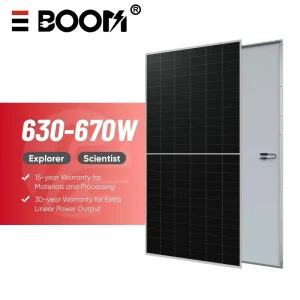
High-Capacity Wheeled Storage, Liquid Cooling Units, and High-Efficiency Monocrystalline Solar Panels
 Lithium Idea