Factory-direct OEM/ODM products optimized for severe duty cycle profiles and stable backup applications.
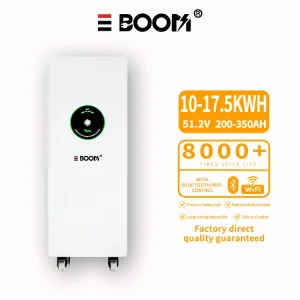
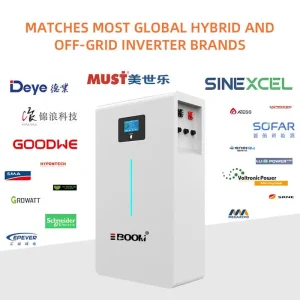
Exploring market dynamics, performance metrics, and technological paradigm shifts in high-capacity energy storage.
The global demand for high-capacity energy storage has experienced an exponential surge, primarily driven by utility-scale decarbonization, localized microgrid installations, and commercial & industrial (C&I) initiatives. At the center of this transition stands the 500Ah deep cycle battery. In the past, heavy lead-acid (AGM or Gel) batteries were the dominant solution for large-scale backup. However, their severe degradation when discharged beyond 50% Depth of Discharge (DoD) and their heavy, space-consuming form factors made them economically unviable for modern efficiency requirements.
Today, the industry is standardizing on Lithium Iron Phosphate (LiFePO4) chemistry for the 500Ah class. At nominal voltages of 12V, 24V, or 48V (and up to 51.2V), a single 500Ah system stores between 6.4 kWh and 25.6 kWh of usable energy. When coupled with advanced Battery Management Systems (BMS), these modular blocks are scaled in parallel to build Megawatt-hour (MWh) setups. High-capacity deep cycle batteries are now critical assets for peak shaving, solar self-consumption, and mission-critical backup power in regions experiencing extreme grid instability.
Global suppliers are scaling up their manufacturing operations to support customizable OEM and ODM solutions. Procurement managers and utility engineers look to specialized factories that can guarantee cell consistency, robust mechanical packaging, thermal stability, and standard communication interfaces (such as CANbus and RS485) to integrate seamlessly with hybrid inverters.
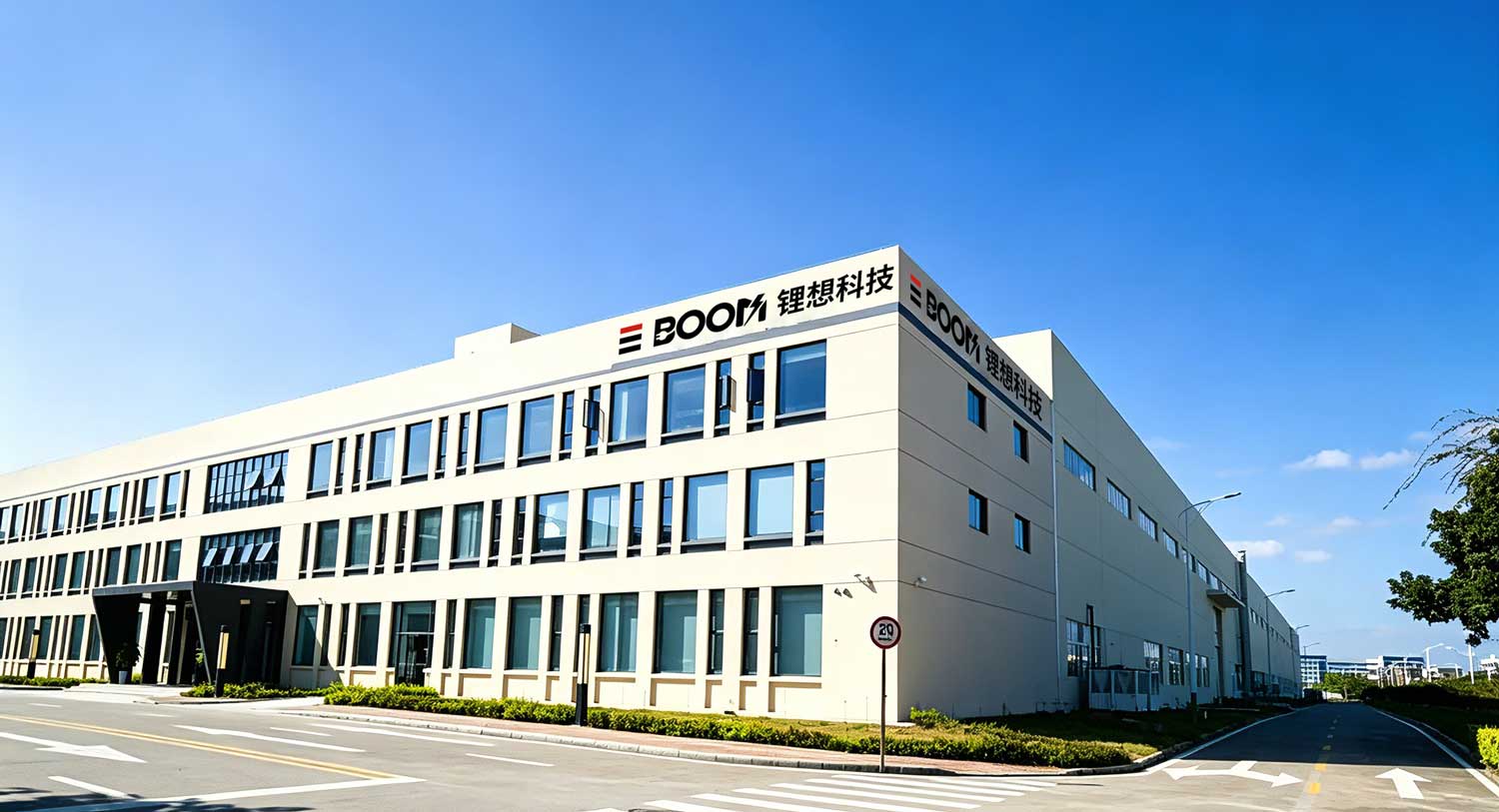
Powering a Sustainable Future, One Energy Solution at a Time.
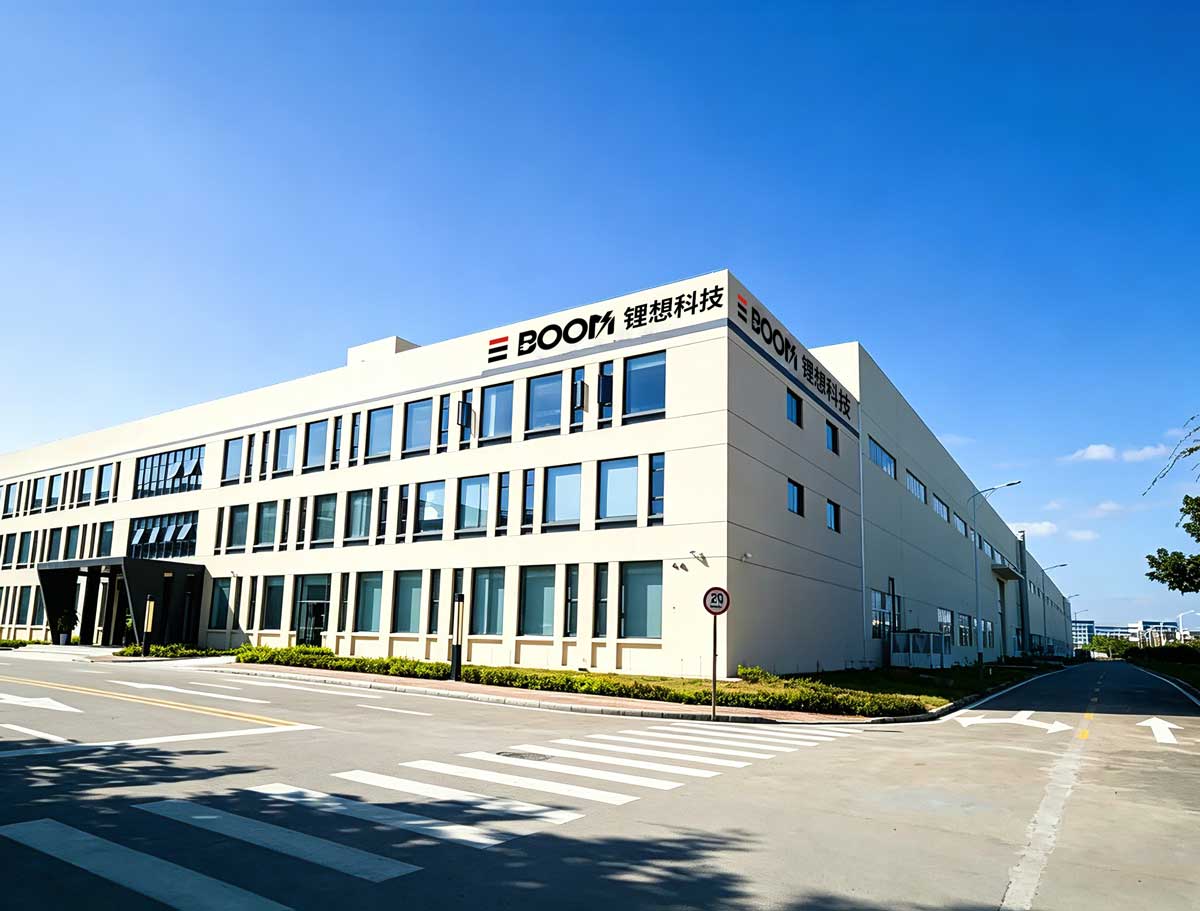
With two decades of dedicated expertise in the renewable energy industry, Jiangxi Lithium Idea Technology Co., Ltd. stands as a globally trusted manufacturer and supplier of integrated energy storage systems, inverters, and high-efficiency solar panels. For over 20 years, we have specialized in designing, engineering, and producing high-performance energy solutions that empower residential, commercial, and industrial users worldwide to achieve energy independence, reduce carbon footprints, and secure reliable power supply.
Our core manufacturing philosophy centers on uncompromising quality. By sourcing exclusively Class A automotive-grade lithium-ion cells from world-renowned brands, including EVE, Gotion High-Tech, and BYD, we guarantee that our energy storage systems deliver a cycle life exceeding 8,000 charges. This dedication translates to a reliable 10-year warranty, supported by remote engineering diagnostics and responsive after-sales support.
A metric-driven demonstration of our global supply footprint and production capabilities.

Ensuring 8000+ cycle life with negligible degradation rates.

Comprehensive protection against over-current, over-voltage, and thermal anomalies.
Engineering customizable power platforms to meet the rigorous standards of modern commercial grid requirements.
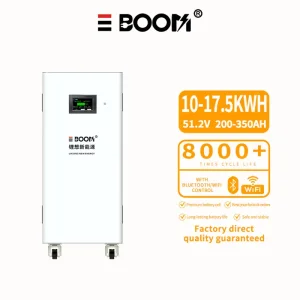
Wall-Mounted Storage Systems: Designed to optimize residential interior footprint. Standard layouts range from 3kWh to 5kWh, allowing wall installation for emergency residential backup, localized load-shifting, and off-grid configurations.
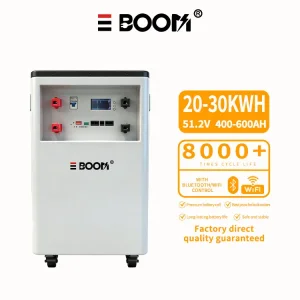
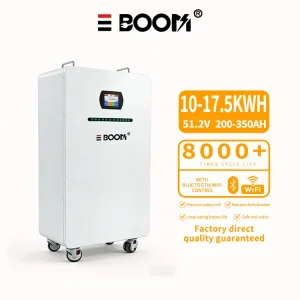
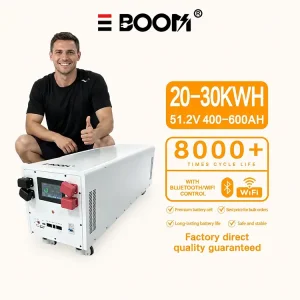
Rolling Mobile Energy Storage: Ranging from 10kWh to 30kWh, these smart cabinets integrate high-strength casters for easy deployment. Ideal for mobile emergency management, outdoor events, heavy tool support, and portable off-grid stations.
Medium to Large-Scale Industrial ESS: Ranging from 100kWh to 1000kWh (and custom scalable to multi-megawatt systems). Engineered specifically to optimize utility demands, manage peak shaving, balance complex inductive loads in factories, and guarantee continuous supply for critical assembly lines.
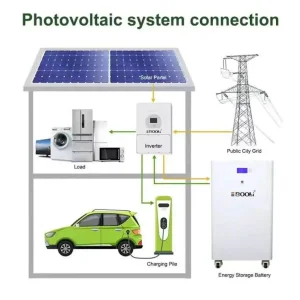
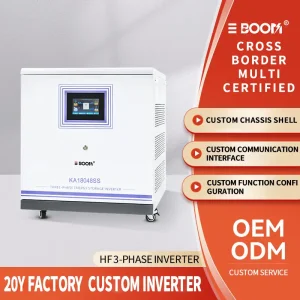
Our complete line of grid-tie, off-grid, and hybrid single-phase/three-phase inverters handles capacities from 3kW to 300kW. Built-in high-voltage MPPT charge controllers and specialized communication firmware ensure zero-millisecond transfer times and stable integration with commercial batteries.
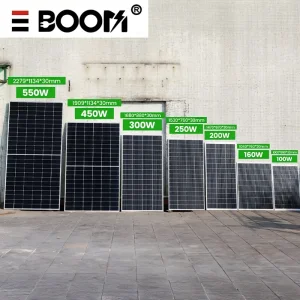
High-density solar panels with outputs from 550W to 730W. Standardizing on half-cut PERC or N-Type TOPCon cell technology, these modules achieve over 22% conversion efficiency, offering IP68 weather protection and heavy mechanical load durability in high-latitude environments.
Understanding the engineering milestones shaping next-generation energy storage.
A 500Ah capacity is a critical milestone for high-demand power systems. Sizing a battery bank to 500Ah at 48V (yielding a total energy capacity of 24,000 Watt-hours or 24kWh) provides commercial businesses and large estate owners with enough backup energy to run essential services for multiple days. The core advantage of choosing a unified 500Ah block over multiple paralleled small-capacity blocks (e.g., ten 50Ah batteries) lies in the simplicity of wiring and internal resistance matching.
Paralleling numerous small batteries creates minor resistance variations across cables, causing current imbalances. Some batteries discharge or charge faster than others, leading to premature localized degradation. A single high-capacity 500Ah cell configuration limits the number of parallel connections, reducing connection points, minimizing voltage drops, and drastically lowering the risk of thermal runaway at terminal points.
When selecting a 500Ah deep cycle system, the underlying chemistry determines long-term ROI. Here is an analytical comparison of how Lithium Iron Phosphate (LiFePO4) outperforms traditional Lead-Acid variations:
| Metric | LiFePO4 Chemistry (LFP) | Traditional Lead-Acid (AGM/Gel) |
|---|---|---|
| Depth of Discharge (DoD) | Up to 90% - 100% | 50% Recommended (max) |
| Cycle Life (@ 80% DoD) | 6000 - 8000+ Cycles | 300 - 600 Cycles |
| Energy Density (Wh/kg) | 120 - 160 Wh/kg (Lightweight) | 30 - 40 Wh/kg (Extremely Heavy) |
| Round-trip Efficiency | > 95% - 98% | 75% - 82% |
| Peukert's Loss | Negligible (Constant capacity at high rates) | High (Capacity drops as discharge rate increases) |
How high-capacity deep cycle modules are integrated into specific regional and industrial environments.
In regions like North America and Western Europe, commercial businesses pay steep demand charges based on their peak electricity usage. Sizing a 500Ah 51.2V LFP battery bank (approx. 25.6kWh) allows factories to draw energy from the battery during peak pricing hours. This load-shifting technique reduces peak demand charges from utility companies, offering a rapid return on investment.
Remote telecom base stations require continuous power under harsh environmental conditions. Lead-acid batteries degrade rapidly in hot climates, requiring frequent maintenance. A smart 48V 500Ah LiFePO4 rack provides autonomous power for days. It resists high ambient temperatures and connects to central operations via SNMP or Modbus protocols for real-time State of Health (SoH) monitoring.
In developing agricultural regions across Latin America and Sub-Saharan Africa, grid connections are often unreliable or unavailable. High-capacity 500Ah batteries store solar energy generated during the day to run heavy irrigation pumps and processing equipment during night hours. This setup guarantees crop irrigation cycles independent of grid stability.
Commercial fishing vessels, research yachts, and electric workboats are transitioning away from noisy diesel generators. High-capacity 500Ah deep cycle battery systems run heavy onboard house loads (air conditioning, navigation, cooking systems, winches) in silence. When coupled with solar panels and high-efficiency hybrid inverters, they enable zero-emission harbor operations.
Connecting with global clients, showcase highlights, and verified customer testimonials.
Our products have earned widespread recognition and trust, with a global distribution network covering over 100 countries and regions, including the United States, Australia, the United Kingdom, France, the Middle East, Africa, and Southeast Asia. We work closely with distributors, installers, and end-users worldwide, providing customized energy solutions tailored to local grid conditions, climate, and user needs.
Whether you are a homeowner seeking reliable backup power, a business owner looking to reduce energy costs, or a project developer building large-scale energy storage systems, we offer end-to-end support from product design and manufacturing to installation guidance and after-sales service.
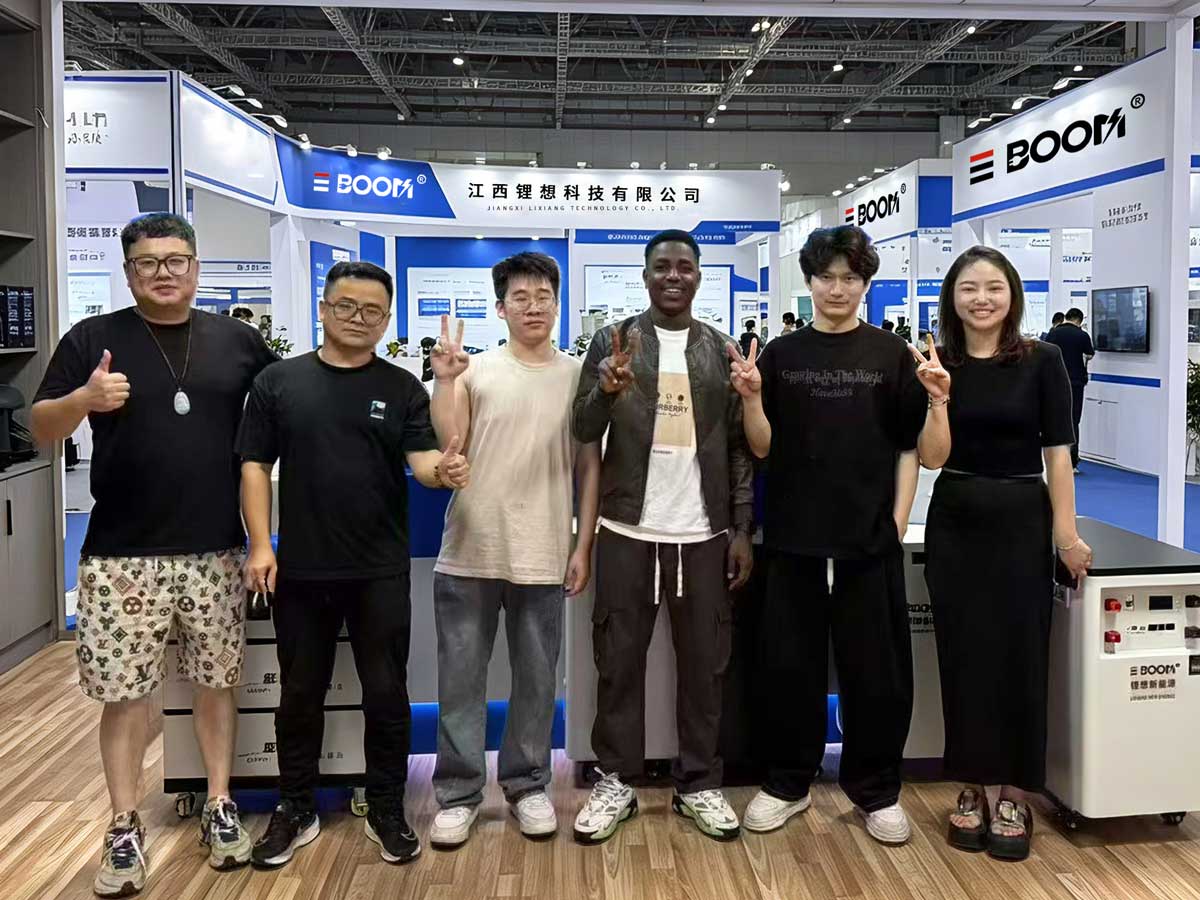
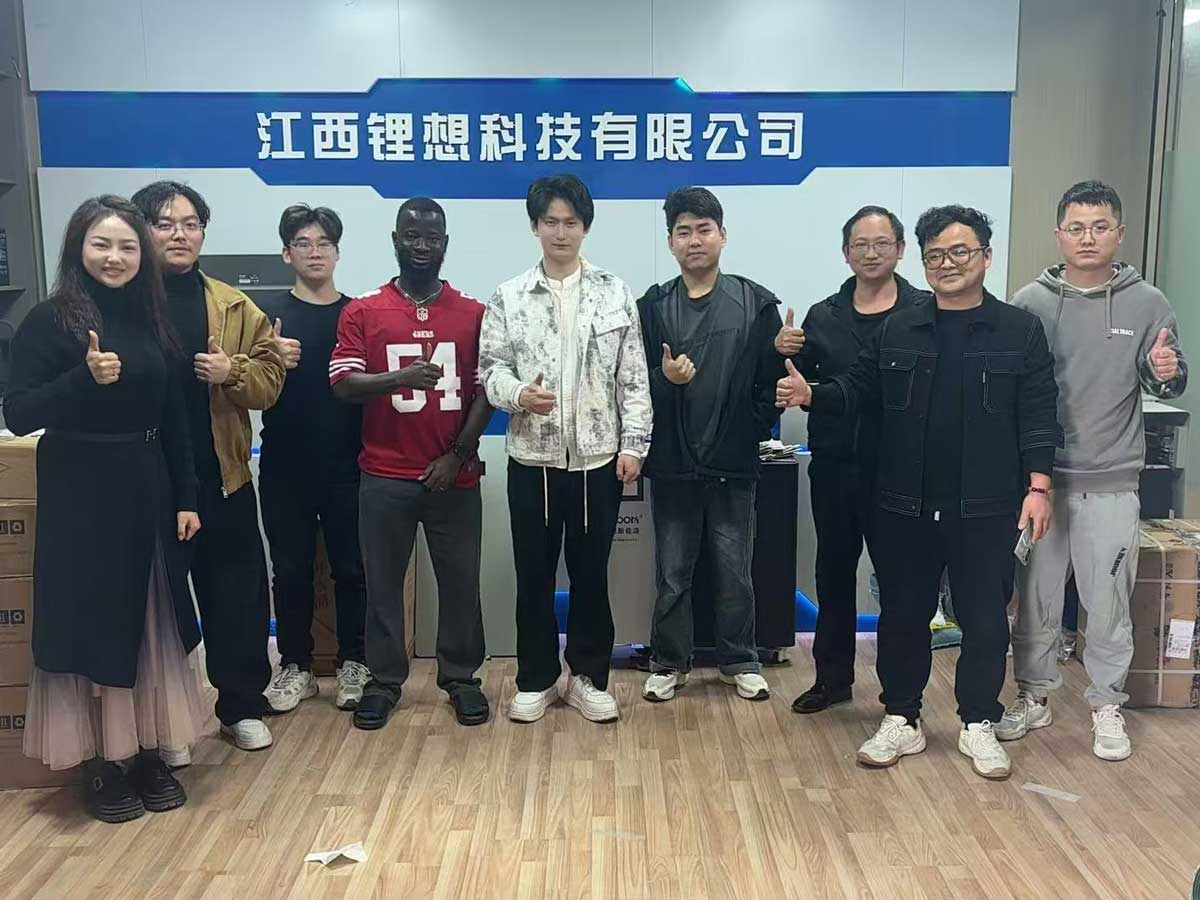

"Our fire station's reliable backup! Powers all our emergency gear, always ready to roll when it counts."
"This battery's a lifesaver for our home! Lasts forever and keeps everything running smooth as silk."
"Our office's new best friend! Steady power, no hiccups, and it just won't quit—total workhorse."
"No more customer complaints about outages! This battery handles our busy store like a pro, lasts ages."
"Built for the job site! Takes a beating, powers our tools all day, and doesn't quit—tough as nails."
"Keeps our business running when the grid flakes out. Tough, long-lasting, and worth every penny."
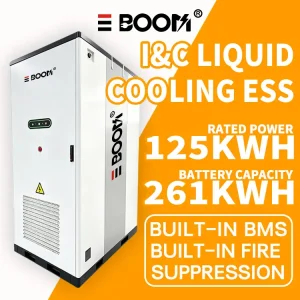
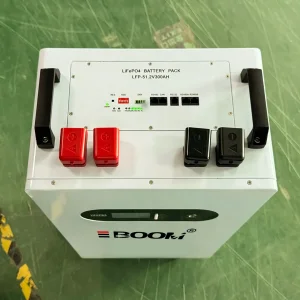
Browse our top-tier catalog for high-capacity projects, featuring BYD blade cells, advanced BMS, and liquid cooling options.
Technical answers to key questions asked by engineers, procurement managers, and systems integrators.
OEM (Original Equipment Manufacturer): Under this paradigm, our factory manufactures the 500Ah battery system based exactly on your engineering designs, housing drawings, dimensions, dynamic load ratings, and specific branding requirements. You provide the design, and we utilize our state-of-the-art production lines, assembly tools, and material relationships to manufacture to spec.
ODM (Original Design Manufacturer): Under this paradigm, you select one of our pre-designed, certified battery systems (such as our 51.2V 600Ah 30kWh standard wheel cabinets). We then customize specific parameters, such as software interfaces, firmware communication logs, casing colors, and product labels, to align with your brand identity, saving you developmental and certification costs.
LiFePO4 (Lithium Iron Phosphate) offers major advantages over traditional lead-acid chemistries:
Temperature is a key factor in battery performance. The optimal operating range for LiFePO4 chemistry is between 15°C and 35°C. Charging below 0°C can cause lithium plating on the anodes, which permanently degrades cell capacity and increases the risk of short circuits. Sizing systems with built-in thermal heating jackets prevents this risk by warming cells prior to charging in freezing environments.
Conversely, operating batteries in temperatures exceeding 55°C accelerates the degradation of internal materials, reducing their overall lifespan. Our advanced Smart BMS includes multiple temperature sensors (thermistors) across the cells to monitor conditions. If temperature limits are exceeded, the BMS safely reduces charging currents or shuts down the system to prevent damage.
To export high-capacity lithium batteries globally, manufacturers must comply with international safety regulations:
Yes, but connection configurations require careful engineering. Connecting batteries in parallel increases total capacity (e.g., two 48V 500Ah units in parallel yield 48V 1000Ah), while connecting in series increases nominal voltage (e.g., four 12V 500Ah units in series yield 48V 500Ah).
When configuring these setups, all batteries must use the same chemistry, voltage rating, and capacity. They should also be from the same manufacturing batch to match internal resistance. High-current connections must use equal cable lengths to balance resistance, and the integrated BMS units must support inter-system communication (e.g., master-slave protocols) to balance charge distributions across all cells.
The Battery Management System (BMS) acts as the brain of the battery pack. In a large 500Ah system, individual cells can experience minor voltage imbalances over time due to charging differences. The BMS resolves this by employing either passive balancing (shunting excess charge through resistors) or active balancing (transferring charge from high-voltage cells to low-voltage cells).
Additionally, the BMS continuously monitors parameters like State of Charge (SoC), State of Health (SoH), over-voltage, under-voltage, over-current during charge/discharge, and short circuits. If any parameter drifts outside safe limits, the BMS disconnects the load using heavy-duty contactors or MOSFET switches, protecting the battery cells from permanent damage and ensuring operational safety.
 Lithium Idea