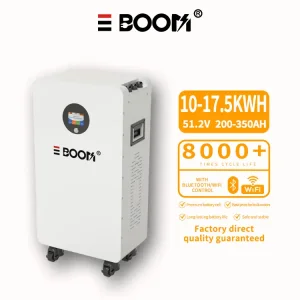
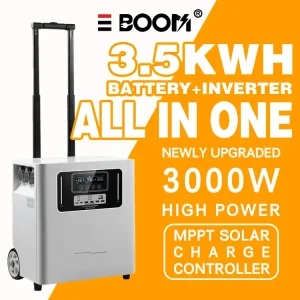
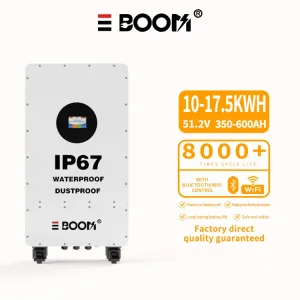
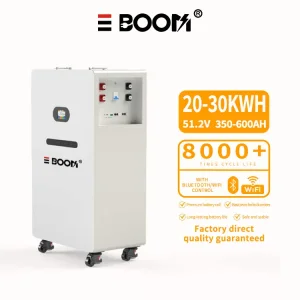
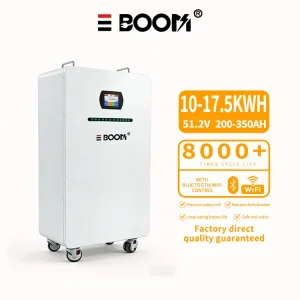
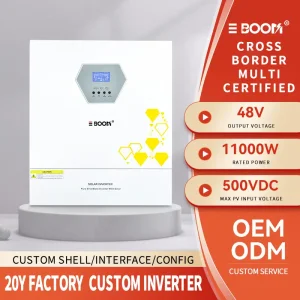
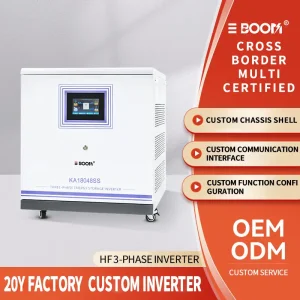
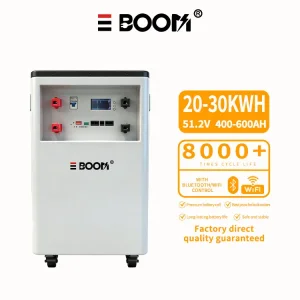
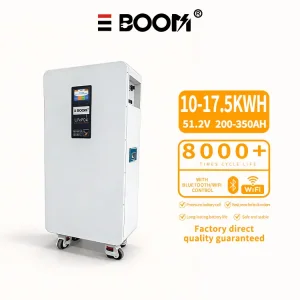
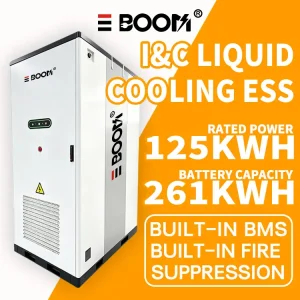
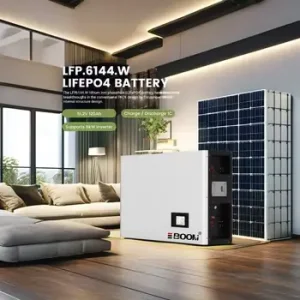
Explore our industrial-grade, highly reliable battery packs and high-performance inverters certified for global application standards.
In the rapidly evolving landscape of electromobility and decentralized energy storage, the **24V Lithium-Ion Battery** remains a fundamental voltage standard. To satisfy high-reliability thresholds, design engineers must look past superficial metrics and analyze the core chemistry, safety systems, and manufacturing tolerances that govern modern industrial battery units.
An industrial-grade 24V lithium-ion battery system is typically configured using Lithium Iron Phosphate (LiFePO4) or Lithium Nickel Manganese Cobalt Oxide (NMC) chemistries. LiFePO4 is preferred for heavy industrial applications due to its superior thermal stability, structural integrity under high discharge rates, and exceptional cycle life. Nominally structured in an 8S (8 cells in series) configuration, a 24V LFP battery operates stably across a voltage window of 20.0V (fully discharged) to 29.2V (fully charged), matching perfectly with industrial DC buses.
Conversely, **NMC chemistry** provides a 7S configuration (25.9V nominal). NMC is often integrated into space-constrained applications like portable medical carts or AGVs where volumetric energy density (Wh/L) is prioritized.
Information Gain Principle: The ultimate performance difference between standard off-the-shelf 24V batteries and custom ODM packs lies in the Battery Management System (BMS) logic and mechanical structural safety. A high-tier BMS handles active balancing, precise State of Charge (SoC) calculations using Coulomb counting integrated with OCV (Open Circuit Voltage) curves, and real-time thermal throttling.
Under E-E-A-T manufacturing standards, we configure advanced multi-tier protection architectures for all customized 24V battery systems:
Unlocking cost efficiency, quality control, and supply chain speed through advanced automated manufacturing.
Over 80% of global lithium refining and anode/cathode precursor production takes place within the domestic Chinese ecosystem. This guarantees immediate access to top-tier materials, avoiding shipping bottlenecks and reducing input material costs.
By partnering directly with tier-1 cell manufacturers such as BYD, EVE, and Gotion High-Tech, Chinese ODM factories secure the best internal resistance and capacity consistency grades, enabling 8000+ cycle systems.
Advanced robotic laser welding, automatic cell sorting, and computerized BMS test benches ensure that every customized 24V pack delivers uniform thermal and electrical performance, minimizing early-stage failures.
A 24V lithium-ion battery system is not a one-size-fits-all product. Different operating environments require specific mechanical and electrical configurations. As a leading 24V lithium-ion battery manufacturer, we specialize in customizing packs for the following high-demand scenarios:
Warehouse automation requires 24/7 continuous operation. Standard lead-acid batteries demand hours of charging time and frequent maintenance. Our customized **24V LiFePO4 packs** support **1C to 2C fast opportunity charging** during lunch breaks or idle times, reducing vehicle downtime to zero. Features include integrated CANopen / Modbus communication for continuous health and SoC reporting back to fleet management platforms.
Remote installations face extreme temperature swings. A standard battery pack exposed to cold conditions experiences sudden voltage drops, triggering emergency shutdowns. Our customized cold-climate 24V batteries feature built-in heating films that utilize charger energy to warm up cells prior to charging. This maintains cell health down to -30°C, securing 99.99% uptime for cellular towers and weather stations.
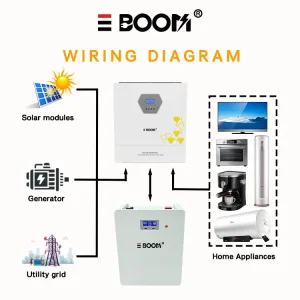
For commercial facilities, agricultural complexes, and off-grid resorts, we design integrated energy systems combining our **Monocrystalline Solar Panels (550W–730W)**, **Hybrid PV Inverters (3kW–300kW)**, and high-capacity battery storage banks. By utilizing 24V or higher voltage standards, we build modular, scalable systems that store solar power during peak production and discharge it during peak tariff rates, delivering immediate carbon footprint reductions and operational savings.
Navigating the transition toward smart, circular, and highly efficient energy storage technologies.
Integrating IoT and AI into BMS firmware enables remote state-of-health tracking and predictive analysis, spotting minor cell mismatches before they lead to battery degradation.
Environmental regulations now require end-of-life battery tracking. Our batteries are developed with recycling in mind, allowing easy disassembly and eco-friendly material recovery.
While semi-solid state cells are entering low-volume production, high-cycle LFP continues to be the dominant choice for heavy-duty industrial systems, delivering reliable cost-to-performance metrics.
Procuring 24V lithium-ion batteries at scale requires strict adherence to international safety standards, customs logistics, and detailed verification protocols. For purchasing directors, evaluating factory capabilities involves reviewing four main criteria:
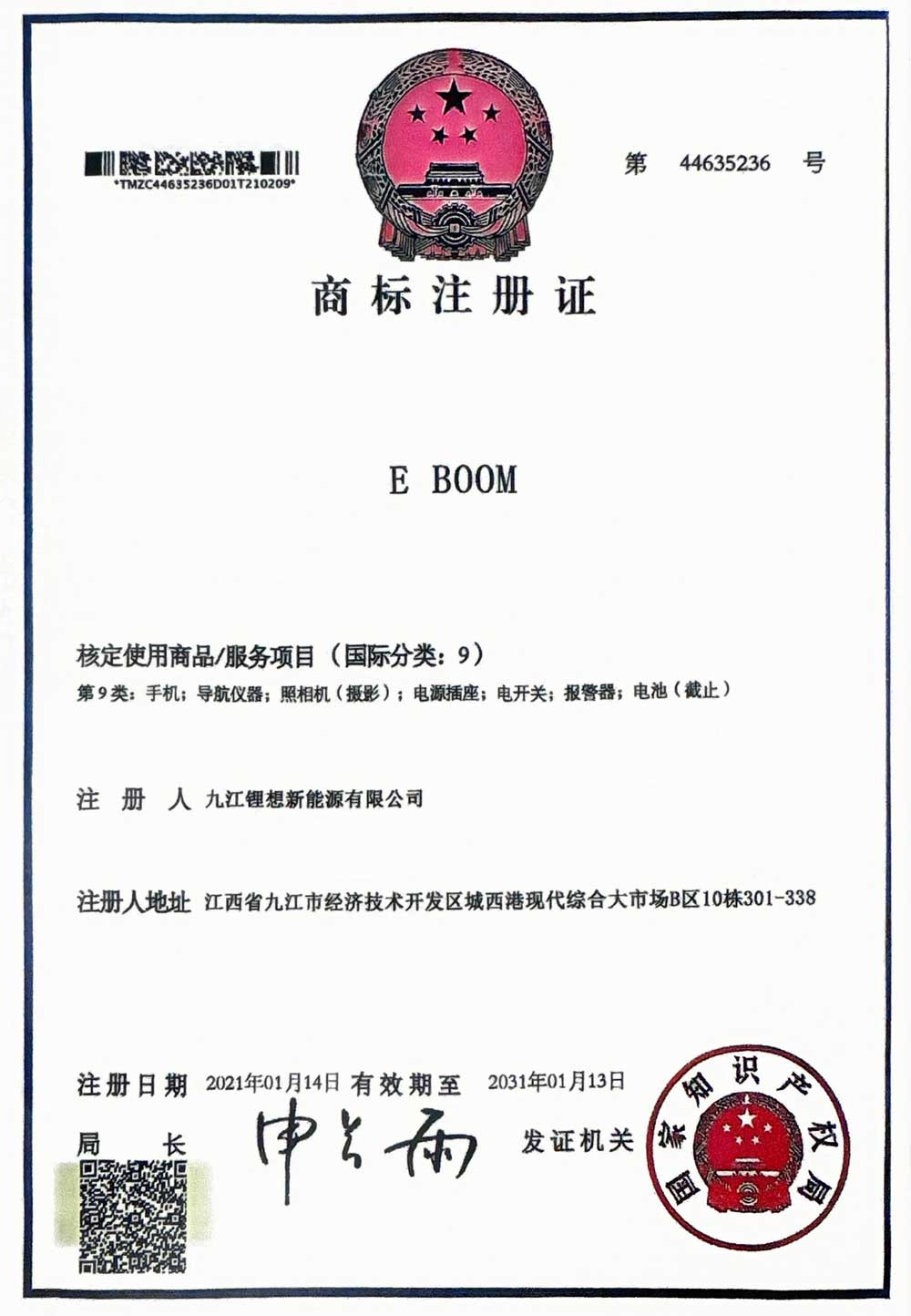
To import lithium battery packs into the US, European Union, or Australasia, products must carry relevant safety markings. Make sure your manufacturer provides full documentation, including:
Ensure the factory uses only Grade A cells. Lower-cost vendors often buy Grade B cells (which have small cosmetic defects or minor capacity variances) to reduce costs. These packs deteriorate quickly and present high thermal hazards. At Jiangxi Lithium Idea Technology Co., Ltd., we use Class A cells with a proven cycle life of 8000+ times, ensuring your systems perform reliably for years.
Factory Audit Advice: Always ask for the testing reports of the cells used in your batch. The internal resistance variance between cells in a series should be less than 0.5mΩ, and voltage variance should be under 5mV to ensure stable performance.

Powering a Sustainable Future, One Energy Solution at a Time
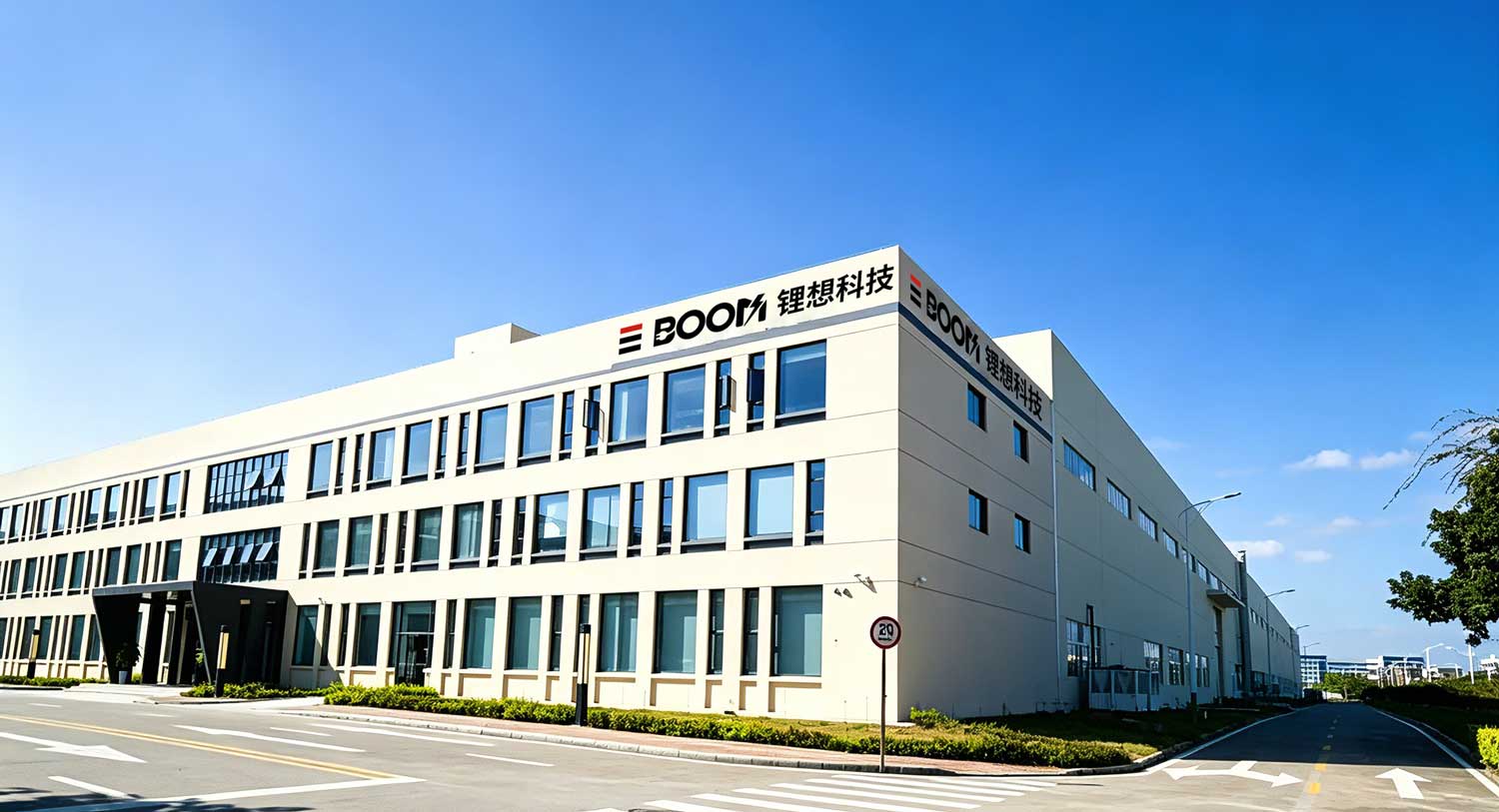
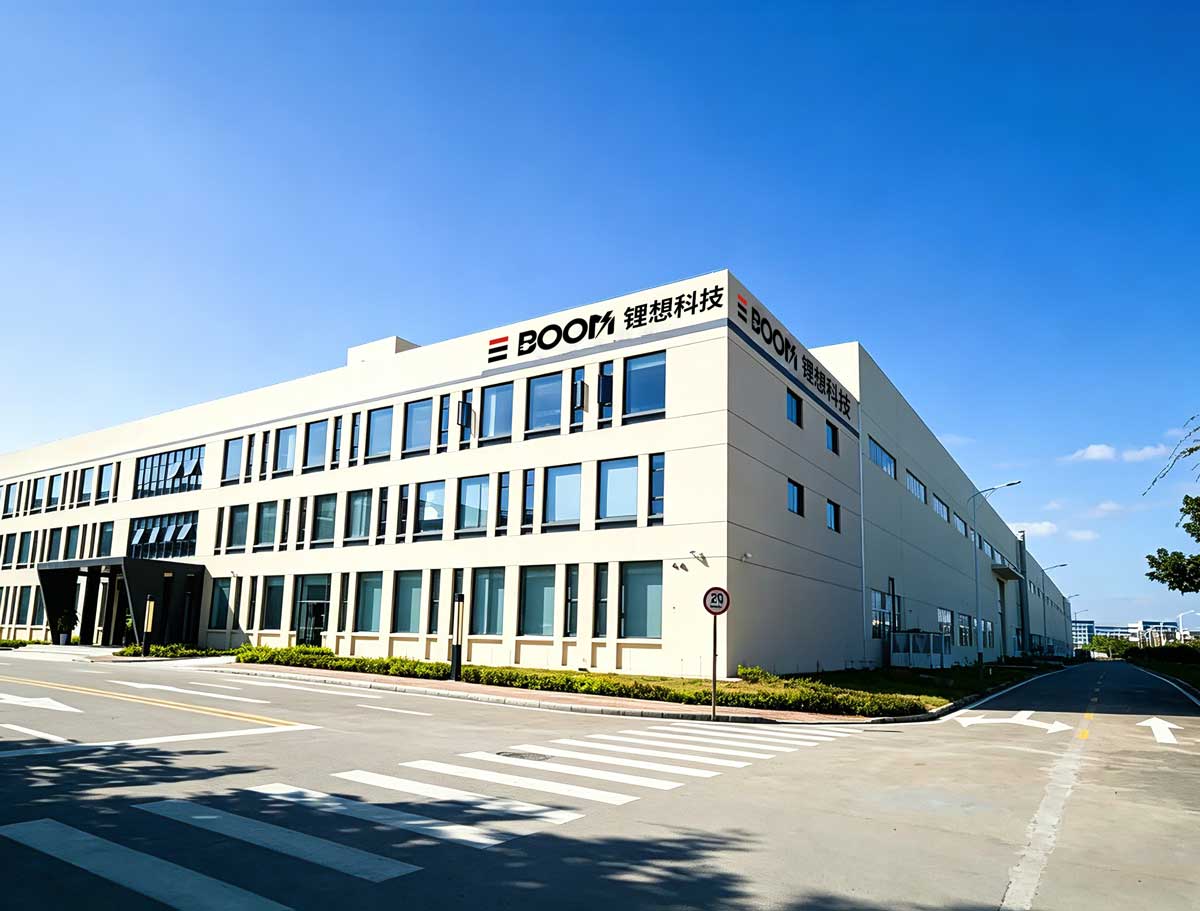
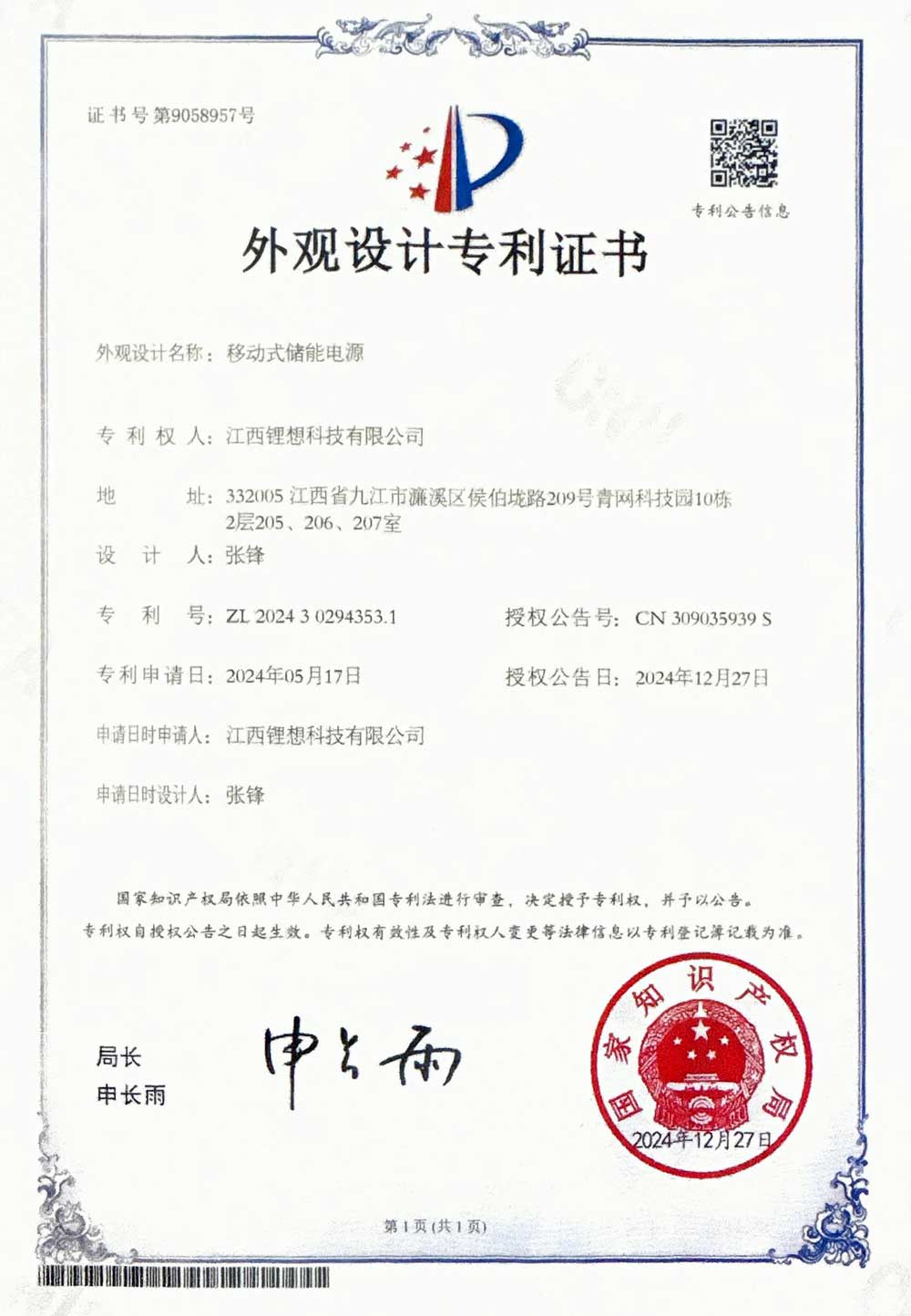
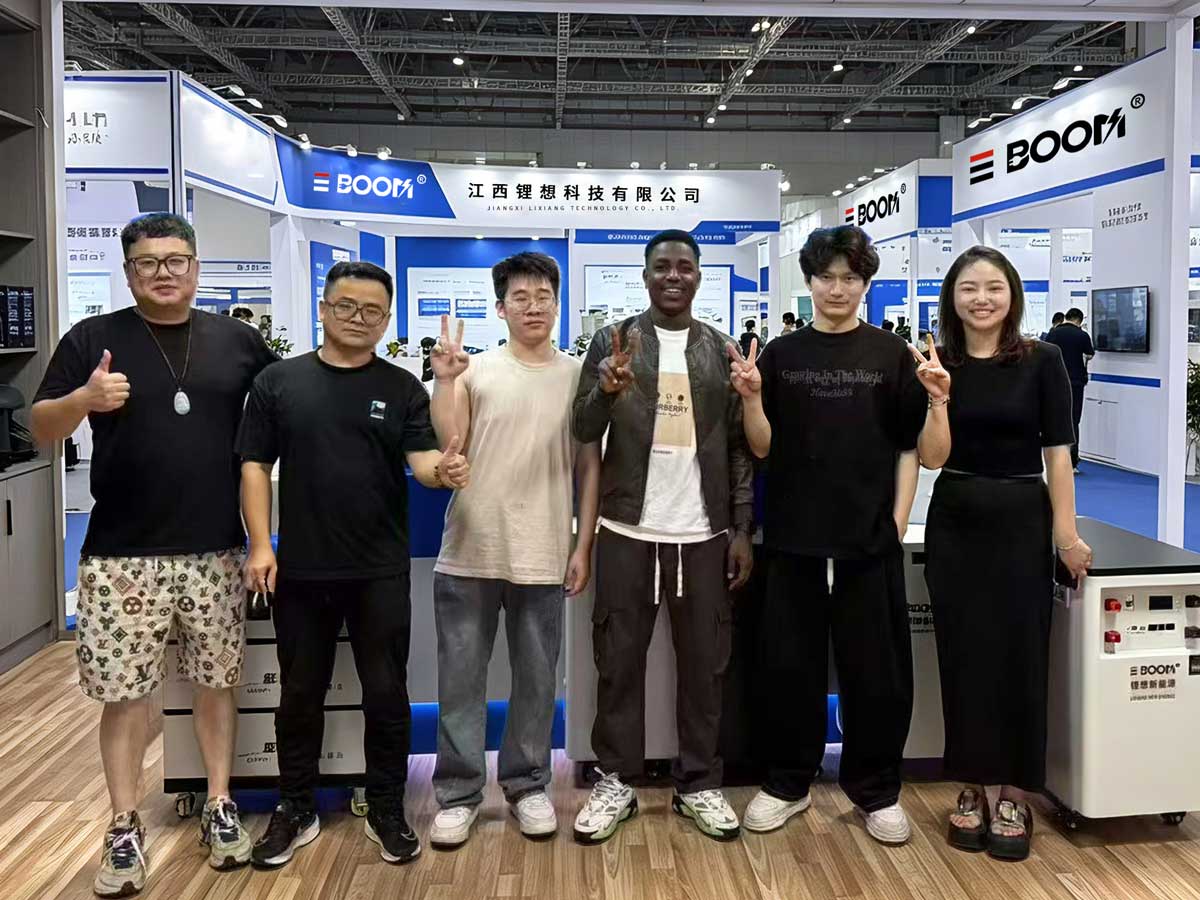
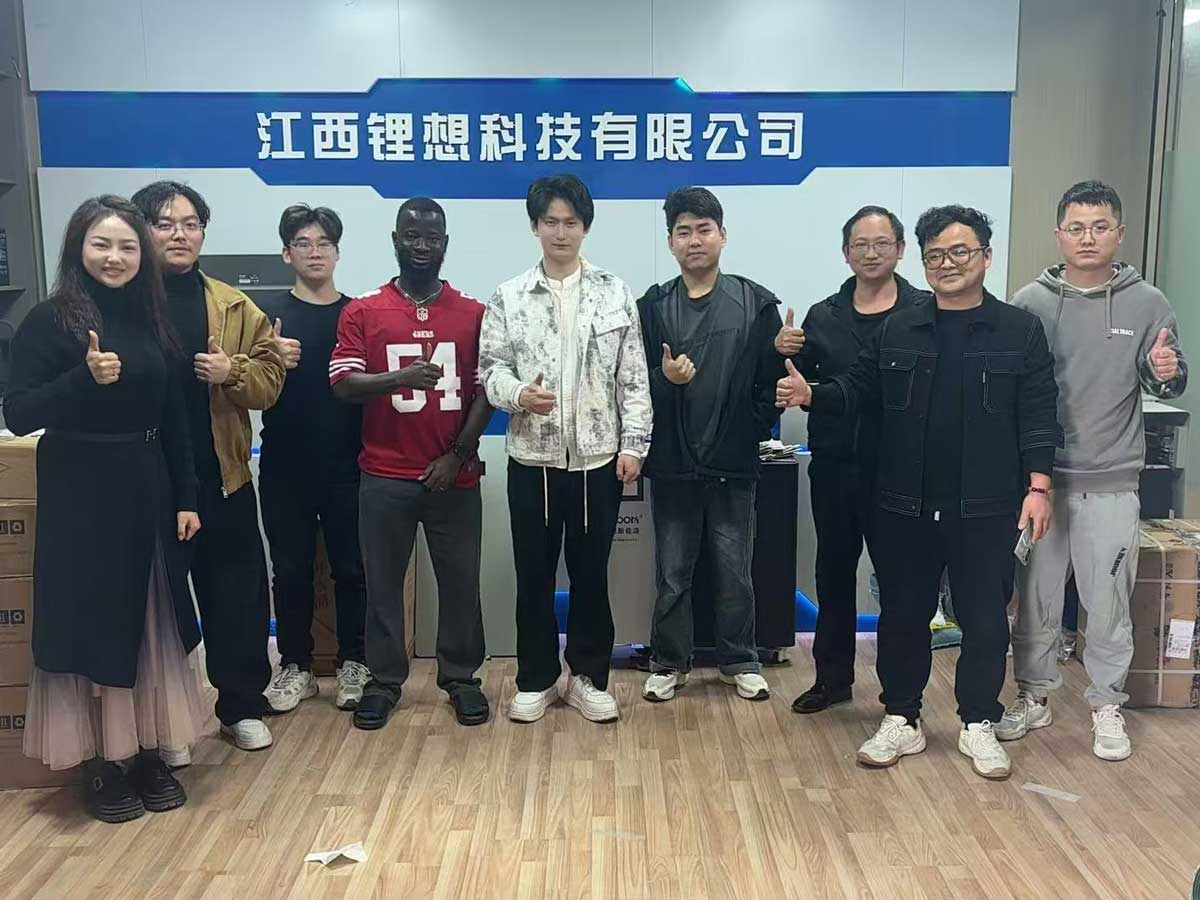
With 20 years of dedicated expertise in the renewable energy industry, Jiangxi Lithium Idea Technology Co., Ltd. stands as a globally trusted manufacturer and supplier of integrated energy storage systems, inverters, and solar panels. For over two decades, we have specialized in designing, engineering, and producing high-performance energy solutions that empower residential, commercial, and industrial users worldwide to achieve energy independence, reduce carbon footprints, and secure reliable power supply.
Every product undergoes rigorous testing and quality control throughout the production process, from raw material inspection to final assembly, guaranteeing safety, reliability, and a 10-year remote warranty for global customers. We are committed to providing hassle-free after-sales support, with remote technical assistance and maintenance services to ensure our products operate stably for decades.
Addressing the key engineering, logistical, and commercial inquiries from global buyers.
High-efficiency hybrid inverters, scalable wall-mounted systems, and utility-scale energy storage solutions.
 Lithium Idea