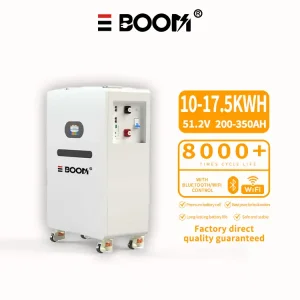
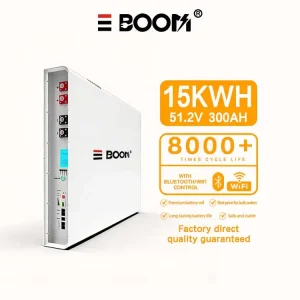
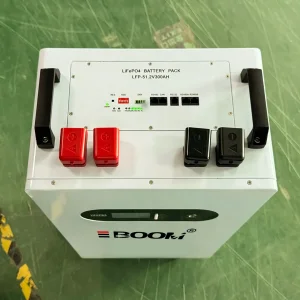
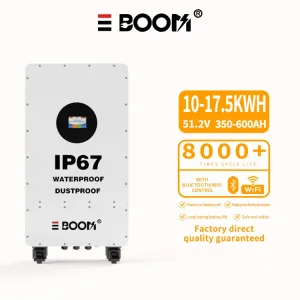
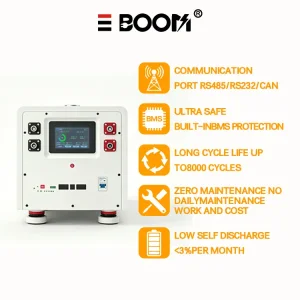
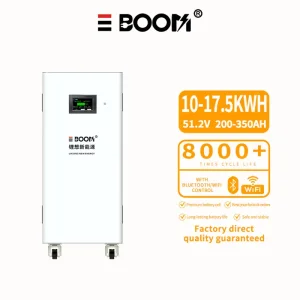
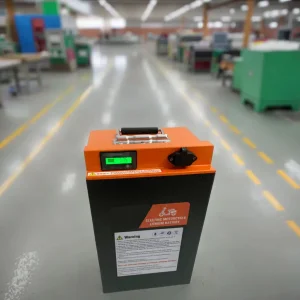
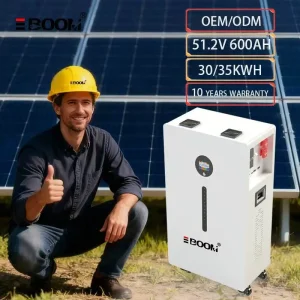
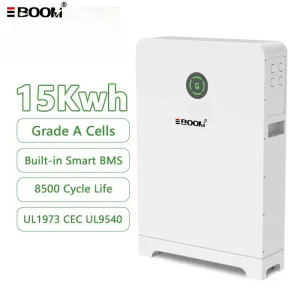
Utilizing Grade A prismatic cells from BYD and EVE, our batteries deliver consistent discharge curves and 8000+ cycles at 80% DoD.
Integrated intelligent Battery Management Systems monitor voltage, current, and temperature in real-time, preventing thermal runaway.
While the initial cost is higher than Lead-Acid, the 10-year lifespan reduces the lifetime cost per kWh by over 70%.
Modern 12V 200Ah units now feature Bluetooth and WiFi connectivity, allowing users to monitor battery health via mobile apps—a crucial feature for remote base stations and solar installations.
Research into semi-solid state LFP cells aims to further increase safety and energy density, potentially doubling the capacity in the same physical footprint.
Global enterprises now demand "Green Batteries." Our factory is transitioning to 100% renewable energy for production, aligning with ESG goals of our European and American partners.
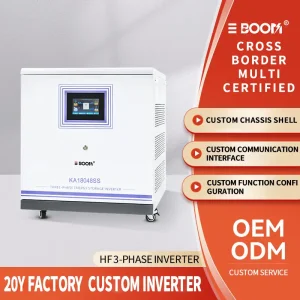
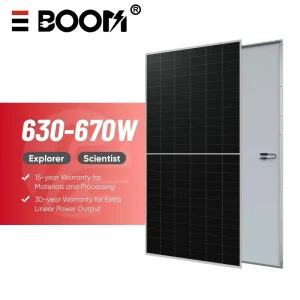
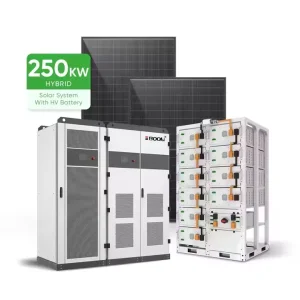
Jiangxi Lithium Idea Technology Co., Ltd. is dedicated to powering a sustainable future. With a 7000m² state-of-the-art facility and 100+ dedicated employees, we deliver integrated solutions—from solar panels (550W-730W) to high-efficiency inverters (3kW-300kW) and industrial-scale energy storage (up to 1000kWh).
Yes. Our batteries are designed with a robust BMS that supports up to 4 units in series (48V) and unlimited units in parallel. However, we recommend using a busbar for more than 4 parallel connections to ensure balanced current distribution.
LiFePO4 batteries generally should not be charged below 0°C (32°F). Jiangxi Lithium Idea offers optional internal heating elements that automatically activate to warm the cells before charging begins, ensuring performance in arctic climates.
EVE is known for prismatic cell longevity; BYD is the leader in safety with its "Blade" architecture; Gotion offers excellent energy density. We match the cell brand to your specific application requirements to optimize performance.
For standard 12V 200Ah models, lead time is 15-20 days. For custom OEM/ODM solutions involving specific BMS protocols or enclosure designs, the timeline ranges from 30 to 45 days including prototyping.
 Lithium Idea