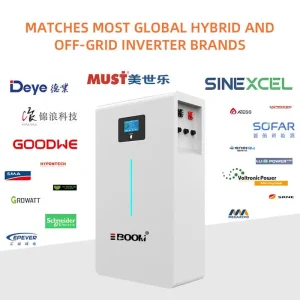
Explore our leading selection of industrial-grade and residential blackout prevention systems engineered for high efficiency and longevity.
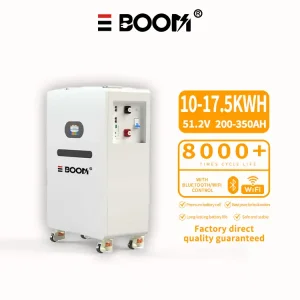
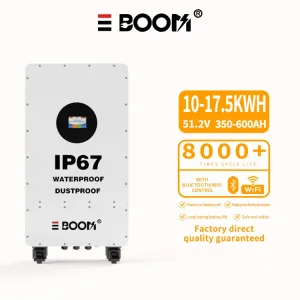
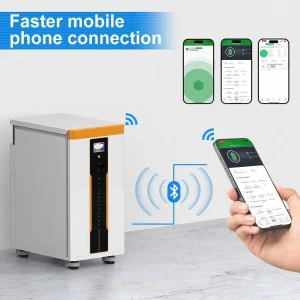
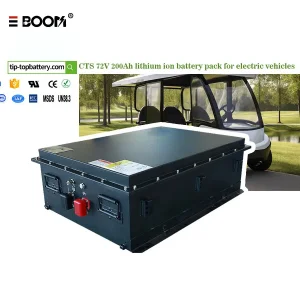
As extreme weather events, rapidly aging electrical grids, and the exponential growth of energy-intensive applications (such as artificial intelligence data centers) place unprecedented strain on global power distribution, the demand for highly resilient emergency storage has risen dramatically. Modern commercial enterprises, manufacturing facilities, and high-performance residential properties can no longer operate under the threat of unpredictable downtime. A brief interruption in power can result in substantial financial losses, compromised data safety, and critical operation failures. This reality has elevated blackout battery backups from simple peripheral accessories to foundational elements of operational infrastructure.
“Information Gain Dimension: When evaluating energy storage manufacturers, global buyers prioritize thermal runaway protection, BMS diagnostic capabilities, and actual Levelized Cost of Storage (LCOS) over basic energy density figures.”
Deploying a robust emergency backup framework requires an understanding of chemical stability, hardware architecture, and grid synchronization. As a premier partner with 20 years of dedication in the renewable energy field, Jiangxi Lithium Idea Technology Co., Ltd. designs, engineers, and manufactures industrial and residential battery systems built on premium Lithium Iron Phosphate (LiFePO4) chemistry. Our focus remains on delivering safe, durable, and highly efficient systems to ensure operations continue uninterrupted during unexpected utility outages.
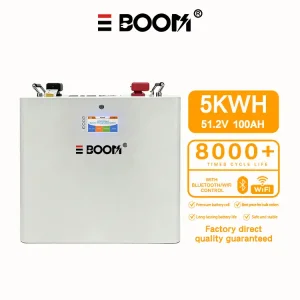
Leveraging Grade-A cells from top tier brands (BYD, EVE, Gotion), ensuring thermal stability and over 8,000 to 10,000 charging cycles.
Real-time cell monitoring, automated balancing, state-of-health tracking, and remote diagnostics via secure WiFi and Bluetooth networks.
Configured to handle transient surge currents from inductive loads like motors, cooling compressors, and heavy factory machinery.
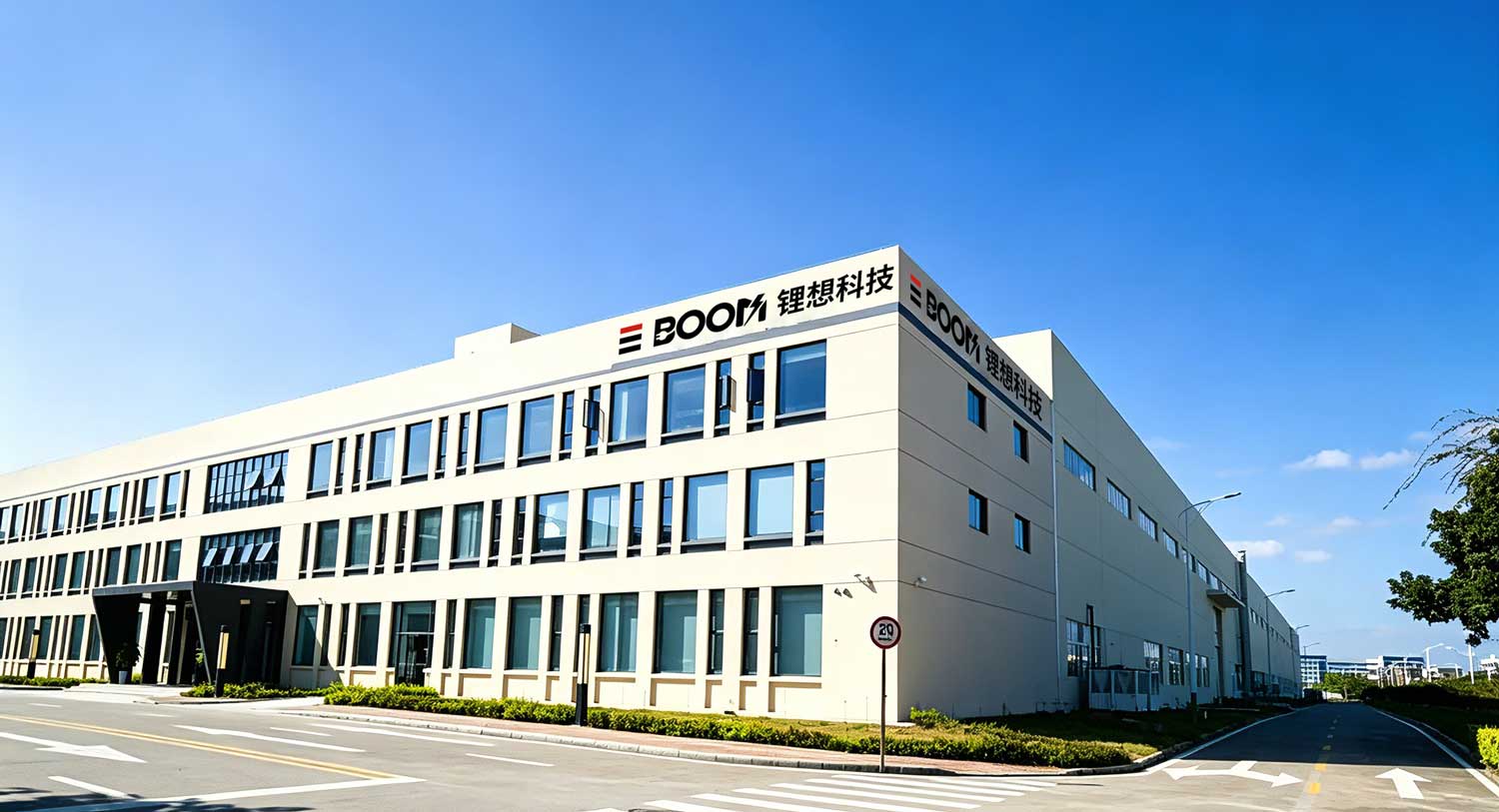
With 20 years of dedicated expertise in the renewable energy industry, Jiangxi Lithium Idea Technology Co., Ltd. stands as a globally trusted manufacturer and supplier of integrated energy storage systems, inverters, and solar panels. For over two decades, we have specialized in designing, engineering, and producing high-performance energy solutions that empower residential, commercial, and industrial users worldwide to achieve energy independence, reduce carbon footprints, and secure reliable power supply.
Our 7,000+ square meter state-of-the-art production facility incorporates advanced automation and strict quality control measures. Supported by a professional workforce of over 100 specialists, we manufacture advanced systems ranging from low-voltage wall-mounted residential batteries to high-voltage containerized liquid-cooling commercial systems. Our global distribution network supports deployment across more than 100 countries, ensuring energy stability for businesses worldwide.
A reliable blackout battery backup requires more than standard cells in an enclosure. It represents an integrated system where chemistry, thermal management, software diagnostics, and hardware enclosures are engineered to work in unison. Understanding these parameters is essential for procurement managers and project engineers to ensure high-performance deployments.
Compared to traditional Lead-Acid or Nickel Manganese Cobalt (NMC) formulations, Lithium Iron Phosphate (LiFePO4) offers significant advantages for stationary backup applications. LiFePO4 is chemically stable and eliminates the risk of oxygen release at high temperatures, which is the primary cause of thermal runaway in NMC configurations. Furthermore, our systems feature a cycle life exceeding 8,000 cycles at 80% Depth of Discharge (DoD), compared to just 500-1,000 cycles for lead-acid setups.
| Parameter | LiFePO4 (Lithium Iron Phosphate) | NMC (Nickel Manganese Cobalt) | Traditional Lead-Acid |
|---|---|---|---|
| Cycle Life (80% DoD) | 8,000 - 10,000 Cycles | 2,000 - 3,000 Cycles | 300 - 500 Cycles |
| Thermal Runaway Temp | ~270°C (High Safety) | ~150°C (Risk Profile) | N/A (Outgassing Risk) |
| Warranty Period | 10 Years | 3-5 Years | 1-2 Years |
| Toxicity & Recycling | Eco-friendly, Cobalt-free | Heavy metals (Cobalt, Nickel) | Highly toxic lead components |
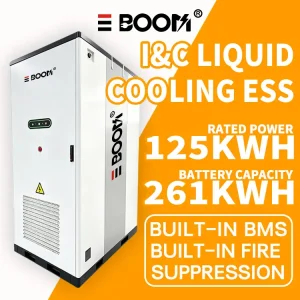
For high-capacity commercial and industrial energy storage systems (C&I ESS), thermal control directly influences system longevity. While residential systems below 20kWh utilize passive convection cooling, high-power backup solutions—such as our 125kW 261kWh Liquid Cooling Energy Storage System—employ closed-loop liquid cooling. This design reduces internal cell temperature variation to under 3°C, extending battery lifetime by up to 20% compared to air-cooled equivalents.
Power reliability challenges vary by region and industry. Identifying specific operational demands helps determine the correct backup architecture:
Agricultural processing plants and medical storage facilities rely on automated battery systems to prevent spoilage during unexpected grid disruptions, maintaining precise temperature control.
Manufacturing facilities utilize high-capacity battery units to offset peak electricity demands, drawing stored energy when rates are high and charging during off-peak windows.
Unmanned telecommunications sites utilize robust wall-mounted and wheeled systems to maintain signal integrity in remote regions without dependable utility access.
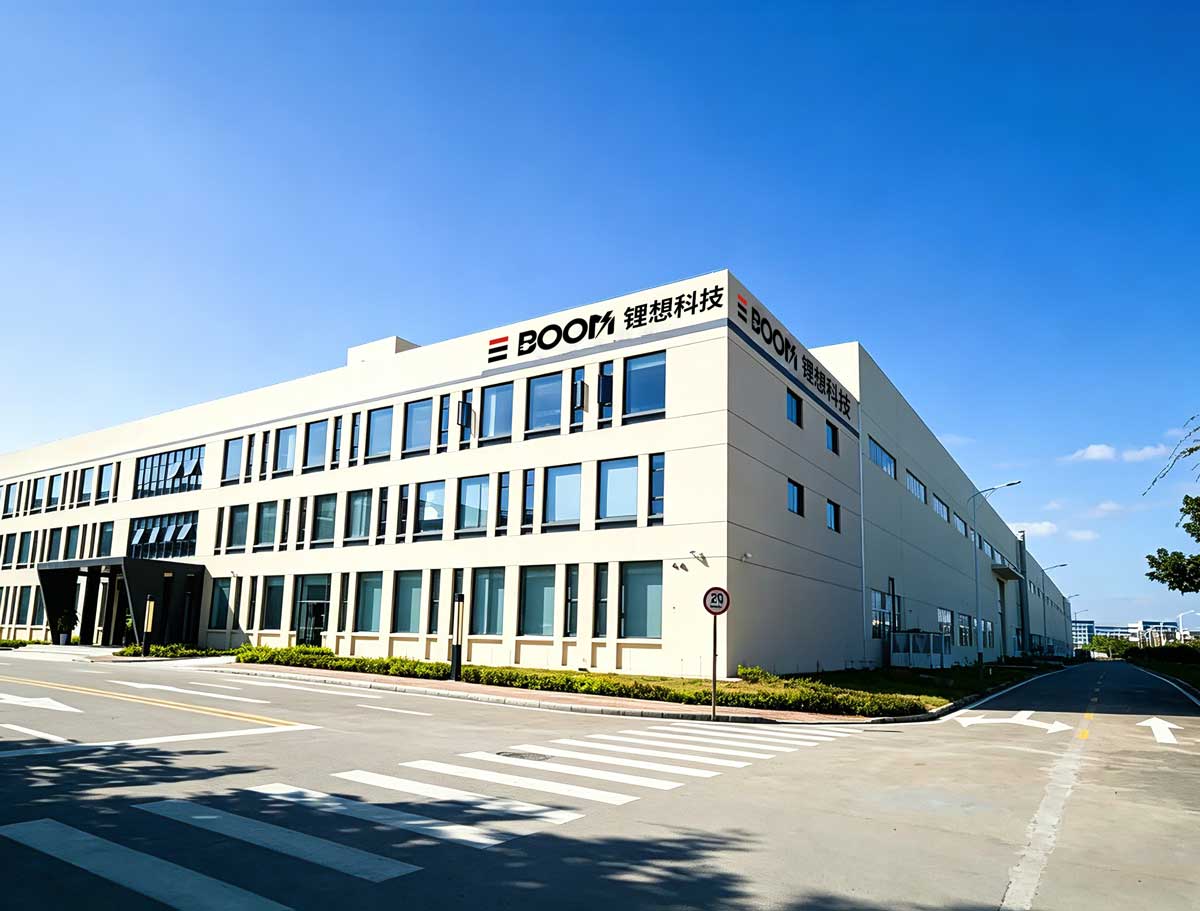
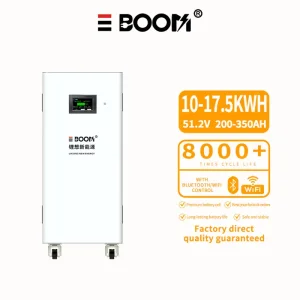
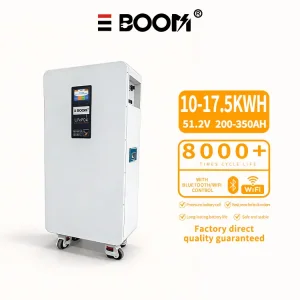
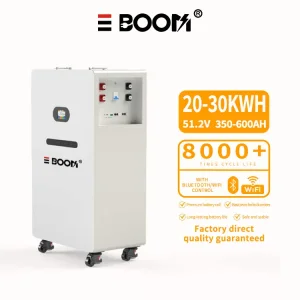
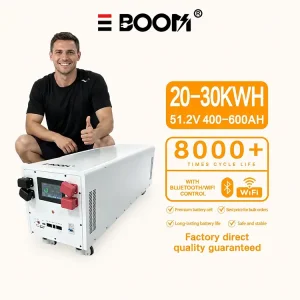
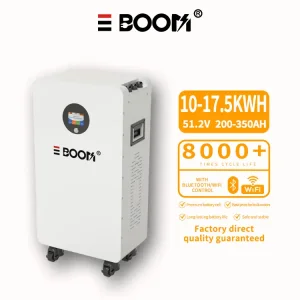
To address varied global requirements, Jiangxi Lithium Idea Technology maintains an adaptable product portfolio categorized by specific deployment scales:
Understanding the dynamics of industrial manufacturing is key to sourcing battery components effectively. China represents the global hub for battery raw materials processing and manufacturing, refining over 60% of the world’s lithium and producing a major share of active anode and cathode materials. Partnering with an established manufacturer in this ecosystem offers several distinct advantages:
Industrial energy storage systems are subject to strict safety standards worldwide. When importing blackout backups, compliance with regional certifications is essential:
Essential for deployment in the North American market, validating thermal runaway containment and system-level electronic safety.
Required for European Union markets, confirming compliance with electrical, mechanical, and thermal safety directives.
Specifies high-level dust and moisture resistance, protecting outdoor battery components from ingress under challenging environmental conditions.
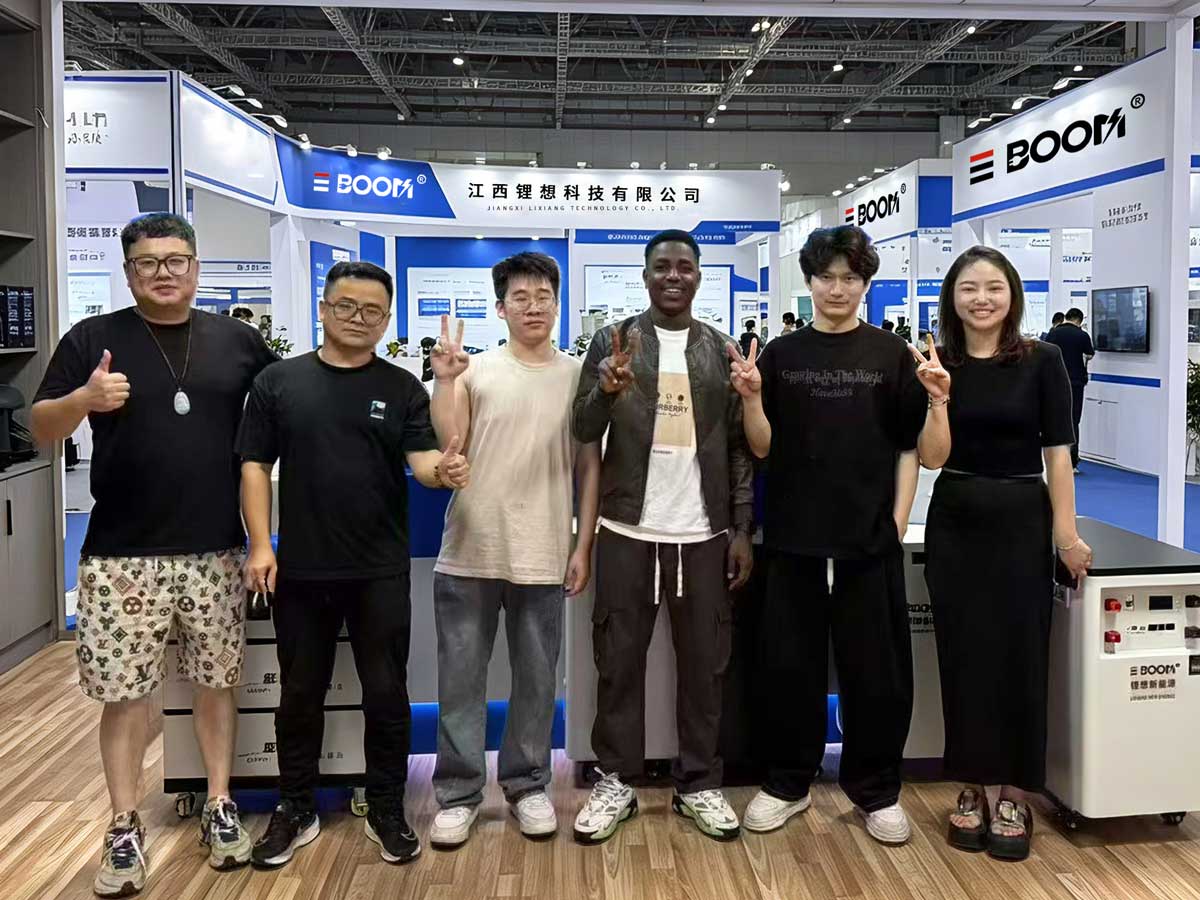
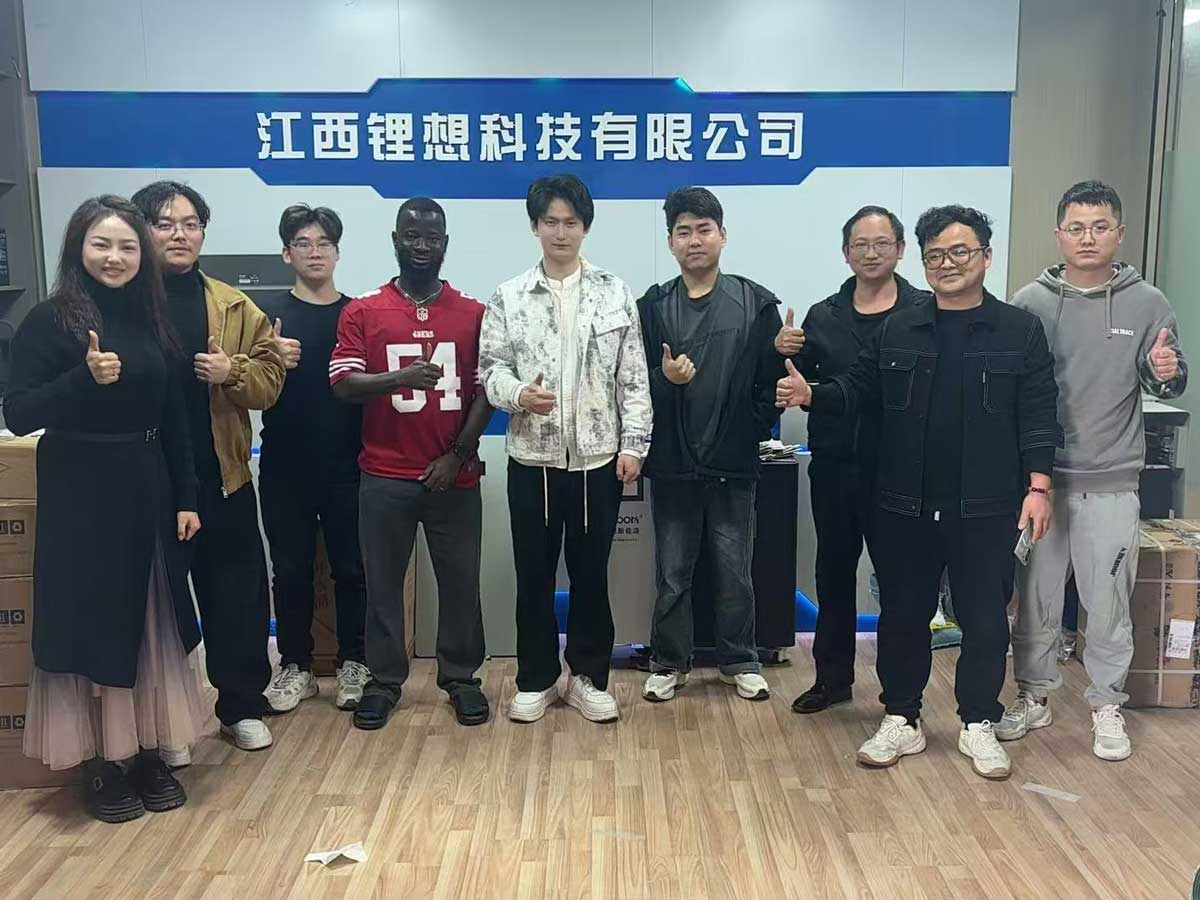
A visual insight into our global reach, manufacturing quality control, and on-site installations.
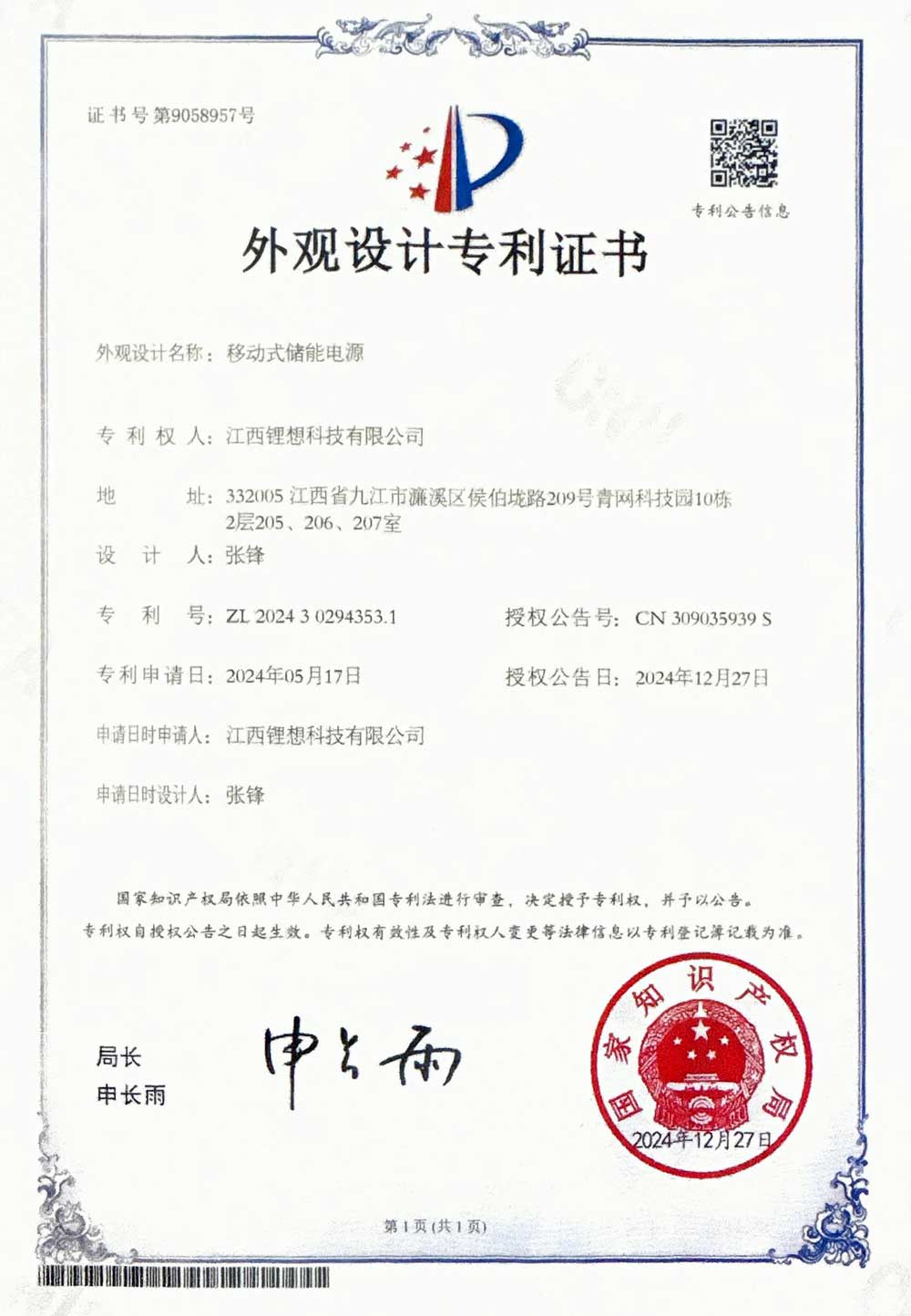
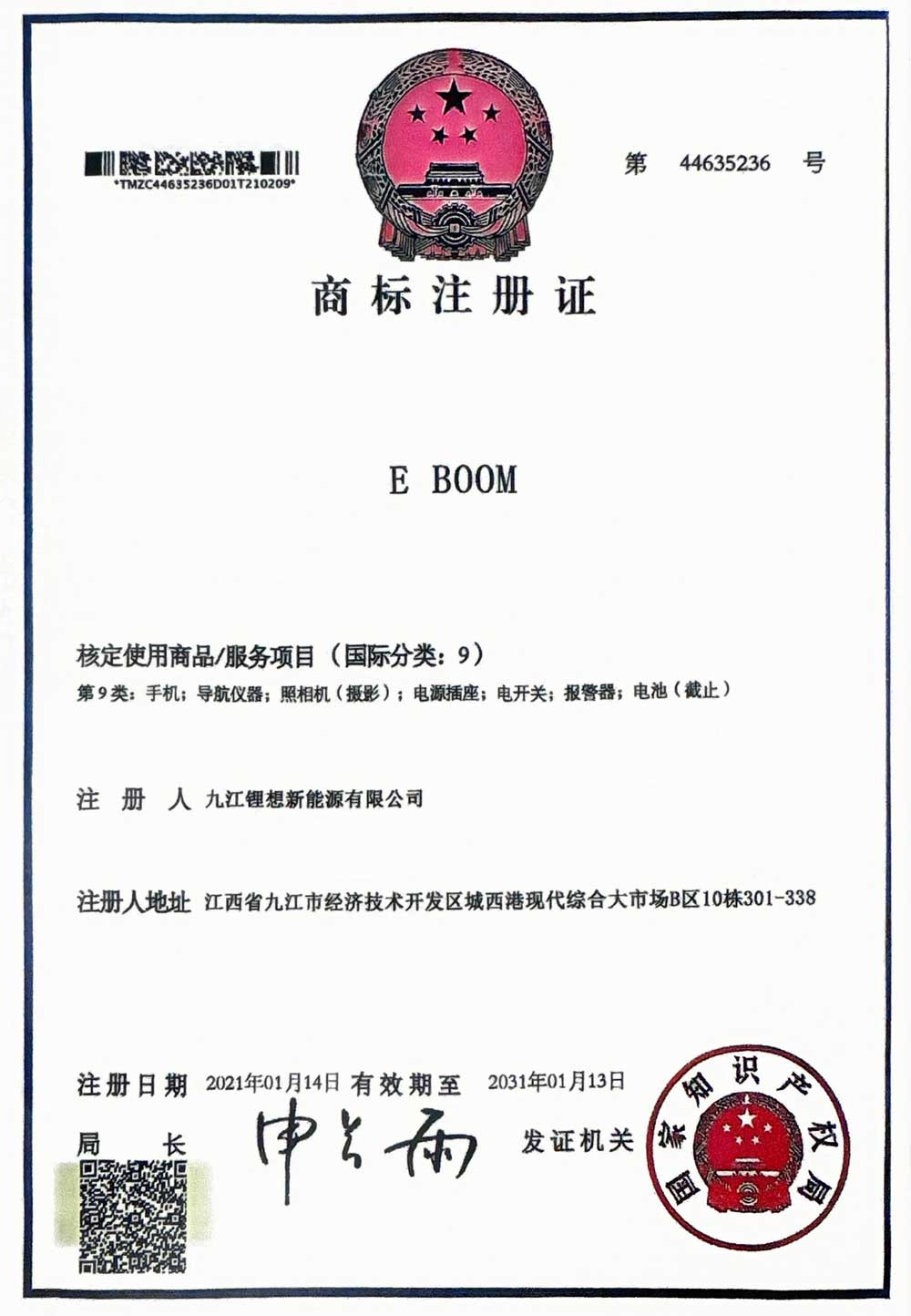

Detailed answers to primary technical and procurement questions asked by engineering and installation professionals.
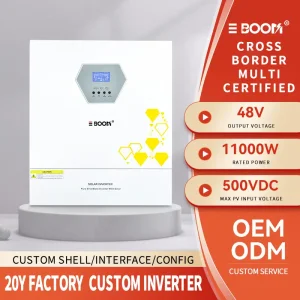
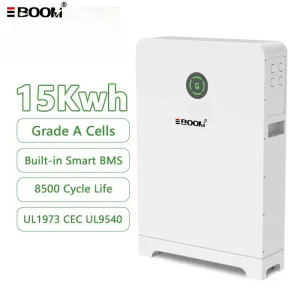
Discover our selection of industrial inverters, mobile backup systems, and high-capacity battery units designed for seamless integration.
 Lithium Idea