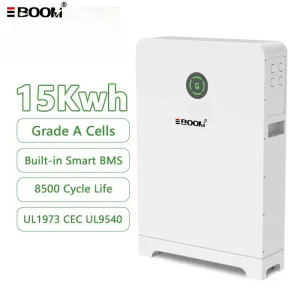
Explore our highly integrated solar inverters, premium lithium storage packs, and tier-1 photovoltaic panels direct from our smart manufacturing facility.
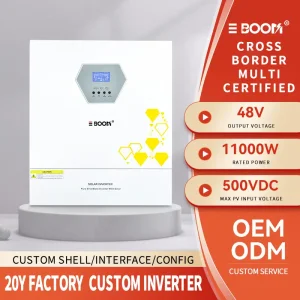
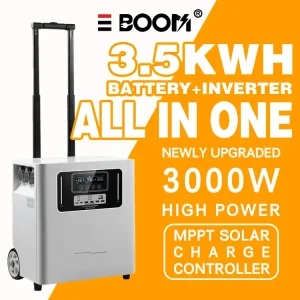
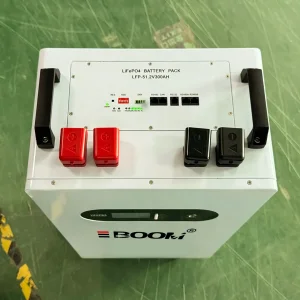
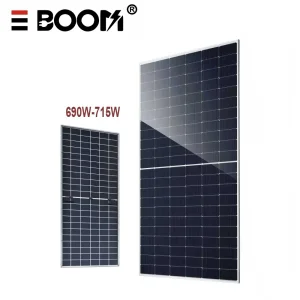
In the rapidly evolving landscape of electrochemical energy storage, the nominal 3.7 volt lithium-ion cell remains the primary building block of modern portable power systems, light electric vehicle (LEV) battery packs, and distributed consumer electronics. Utilizing chemistries such as Lithium Cobalt Oxide (LiCoO2), Lithium Manganese Oxide (LiMn2O4), and Lithium Nickel Manganese Cobalt Oxide (LiNiMnCoO2 or NMC), these cells offer an optimal balance between gravimetric energy density (often exceeding 250 Wh/kg), safety metrics, and cycle durability.
As international industries demand higher efficiency at reduced capital expenditures, sourcing high-grade yet cost-effective 3.7V cells directly from a certified factory is critical. Jiangxi Lithium Idea Technology Co., Ltd. leverages twenty years of intensive R&D and manufacturing processes to provide custom lithium configurations that meet global standards. We bridge the gap between high-precision cell fabrication and scalable power solutions.
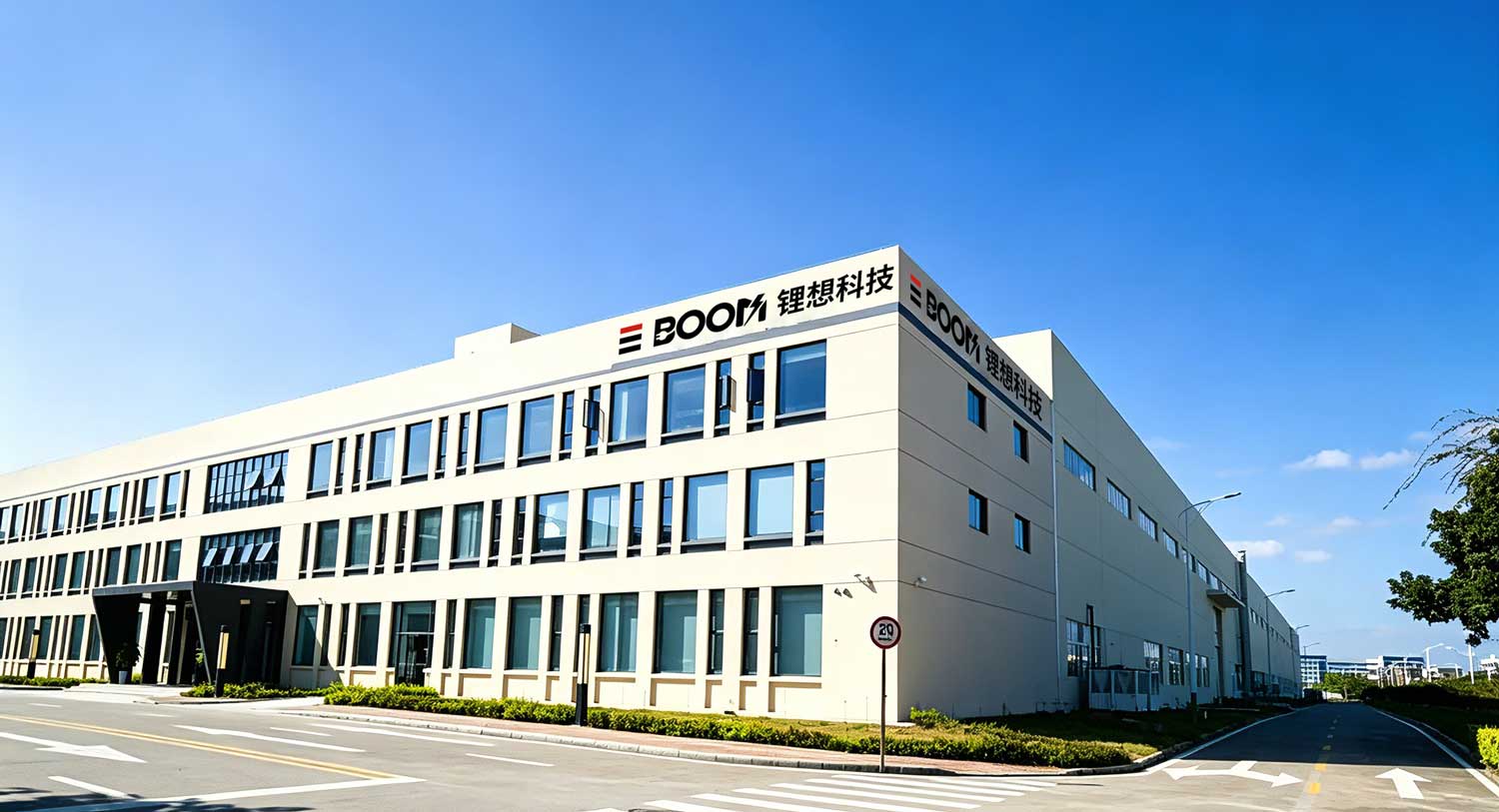
Our commitment to rigorous testing and Tier-1 cell sourcing ensures unmatched performance across the globe.
The nominal voltage of 3.7V is derived from the average potential difference between the lithium intercalation compound at the cathode and the graphite anode during a full discharge cycle. The standard operating window of these batteries spans from a fully charged state of 4.2V down to a safe discharge cutoff voltage of approximately 3.0V. Engineering these boundaries requires absolute precision; even minor deviations can lead to accelerated capacity fade, structural decomposition of the solid electrolyte interphase (SEI) layer, or thermal runaway.
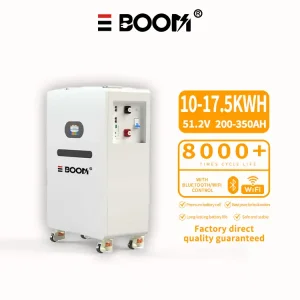
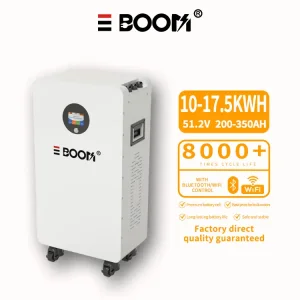
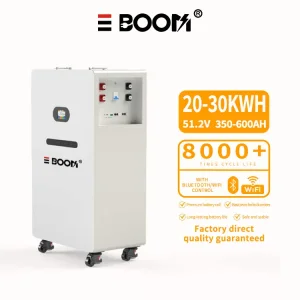
For heavy-duty applications such as energy storage systems (ESS) and electric vehicles (EV), companies often opt for Lithium Iron Phosphate (LiFePO4) which runs at a nominal 3.2V, or high-density NMC cells at 3.7V. By utilizing automotive-grade Class A cells sourced from global powerhouses like EVE, Gotion High-Tech, and BYD, Jiangxi Lithium Idea Technology guarantees a long life expectancy of 8000+ cycles, backed by smart Battery Management Systems (BMS) with Bluetooth and Wi-Fi remote tracking mechanisms.
| Cell Chemistry Type | Nominal Voltage | Energy Density (Wh/kg) | Typical Cycle Life | Primary Industrial Use Cases |
|---|---|---|---|---|
| Lithium Cobalt Oxide (LCO) | 3.7V | 150 - 200 | 500 - 1,000 | Smartphones, laptops, wearable electronics, lightweight drones. |
| Lithium Nickel Manganese Cobalt (NMC) | 3.6V - 3.7V | 200 - 250+ | 1,500 - 3,000 | Electric vehicles (EV), power tools, portable power stations, industrial automation. |
| Lithium Iron Phosphate (LFP) | 3.2V | 120 - 160 | 4,000 - 8,000+ | Home Energy Storage Systems (ESS), solar backup systems, electric buses. |
Analyzing how automated lines, material sourcing clusters, and scale production lower overall acquisition costs.
By situating our 7000+ m² production facility in Jiangxi, China, we operate in the heart of the global lithium raw material supply chain. This proximity minimizes raw component logistics, secures prioritized cell allocations from companies like BYD and EVE, and significantly reduces upstream material procurement costs.
Discounted prices do not equal low quality. Through advanced automatic cell-matching equipment, automated laser-welding, and automated charge-discharge cycles, our factory achieves exceptional consistency in cell capacity and internal resistance, dropping error rates to parts per million.
We manage export logistics internally, certifying all cell configurations to UN38.3, MSDS, CE, and UL guidelines. This ensures seamless shipping customs clearance and mitigates risks associated with importing hazardous Class 9 materials.
From sub-zero temperatures in Scandinavian weather stations to the hot, humid environments of tropical telecommunication towers, our custom configured packs perform exceptionally.
Looking toward 2030, the lithium battery sector is shifting rapidly in response to environmental demands and automated energy distribution grids:
Delivering solid energy platforms to businesses, fire services, and retail stores worldwide.
Our fire station’s reliable backup! Powers all our emergency gear, always ready to roll when it counts.
This battery’s a lifesaver for our home! Lasts forever and keeps everything running smooth as silk.
Our office’s new best friend! Steady power, no hiccups, and it just won’t quit—total workhorse.
Keeps our biz running when the grid flakes out. Tough, long-lasting, and worth every penny.
Built for the job site! Takes a beating, powers our tools all day, and doesn’t quit—tough as nails.
Our little store’s hero! Keeps the coolers cold and lights on, even when the power’s spotty.
Technical insights to help guide your sourcing, logistics, and engineering decisions.
Our technology is deployed worldwide, helping build clean energy grids across continents.
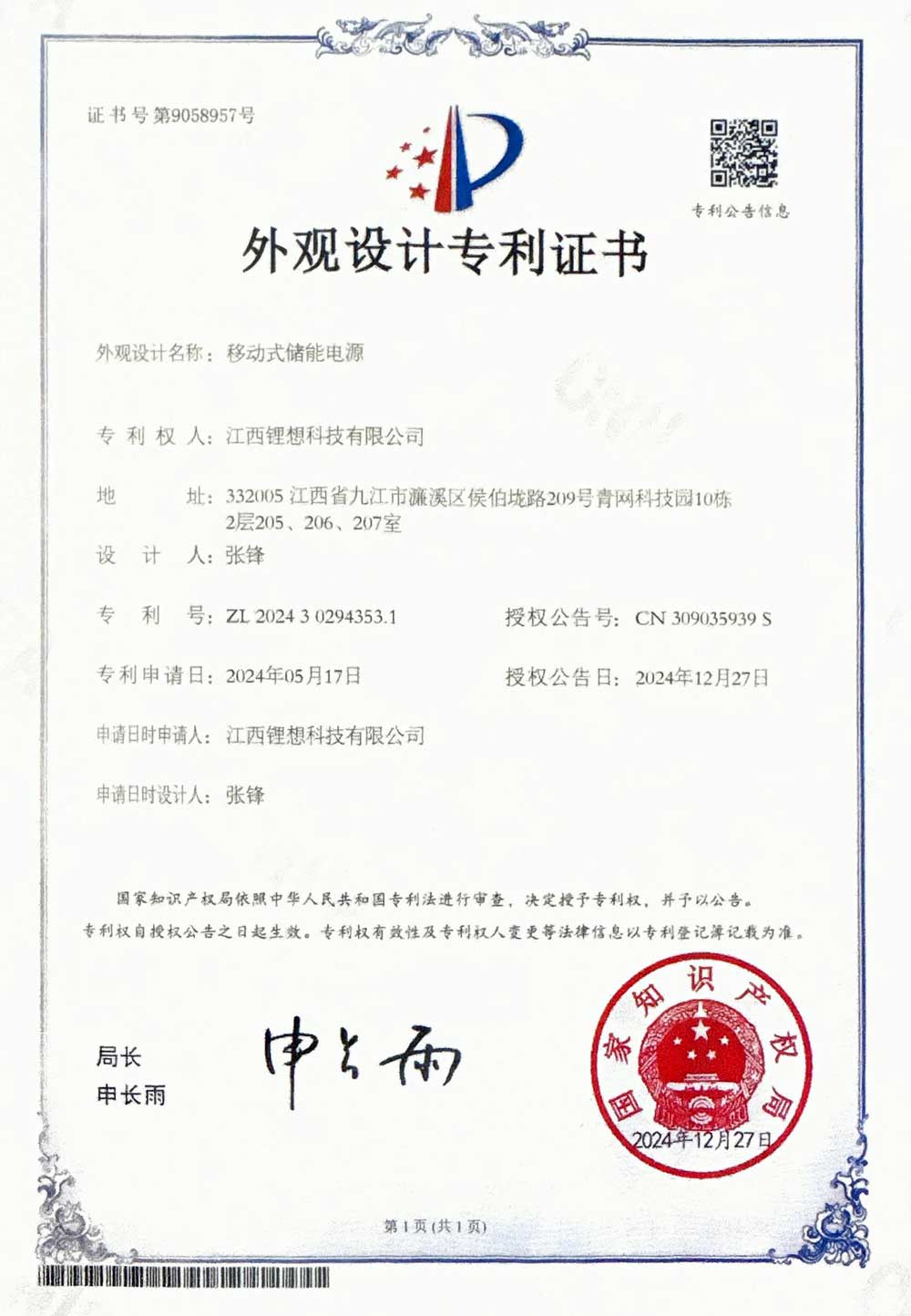
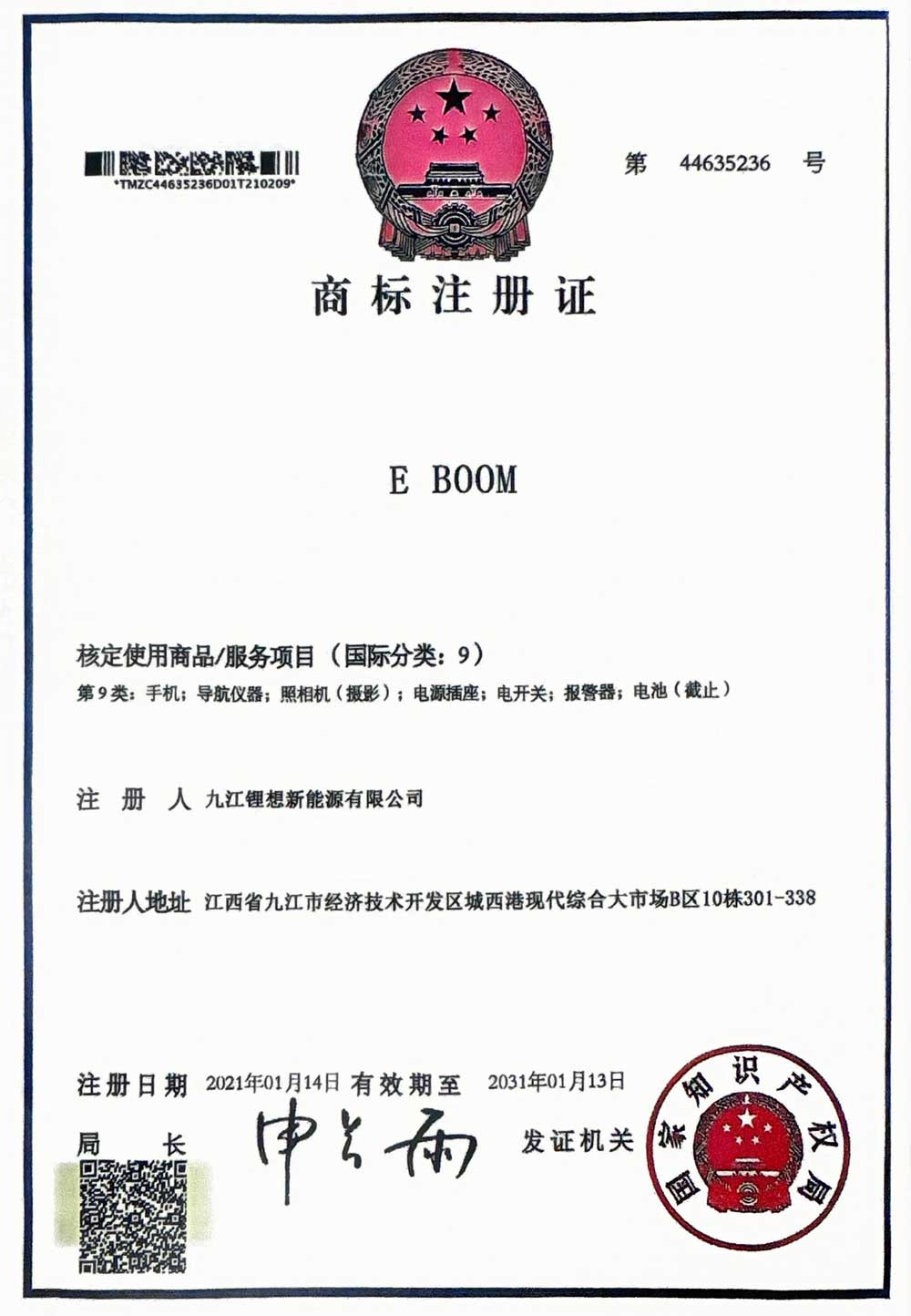
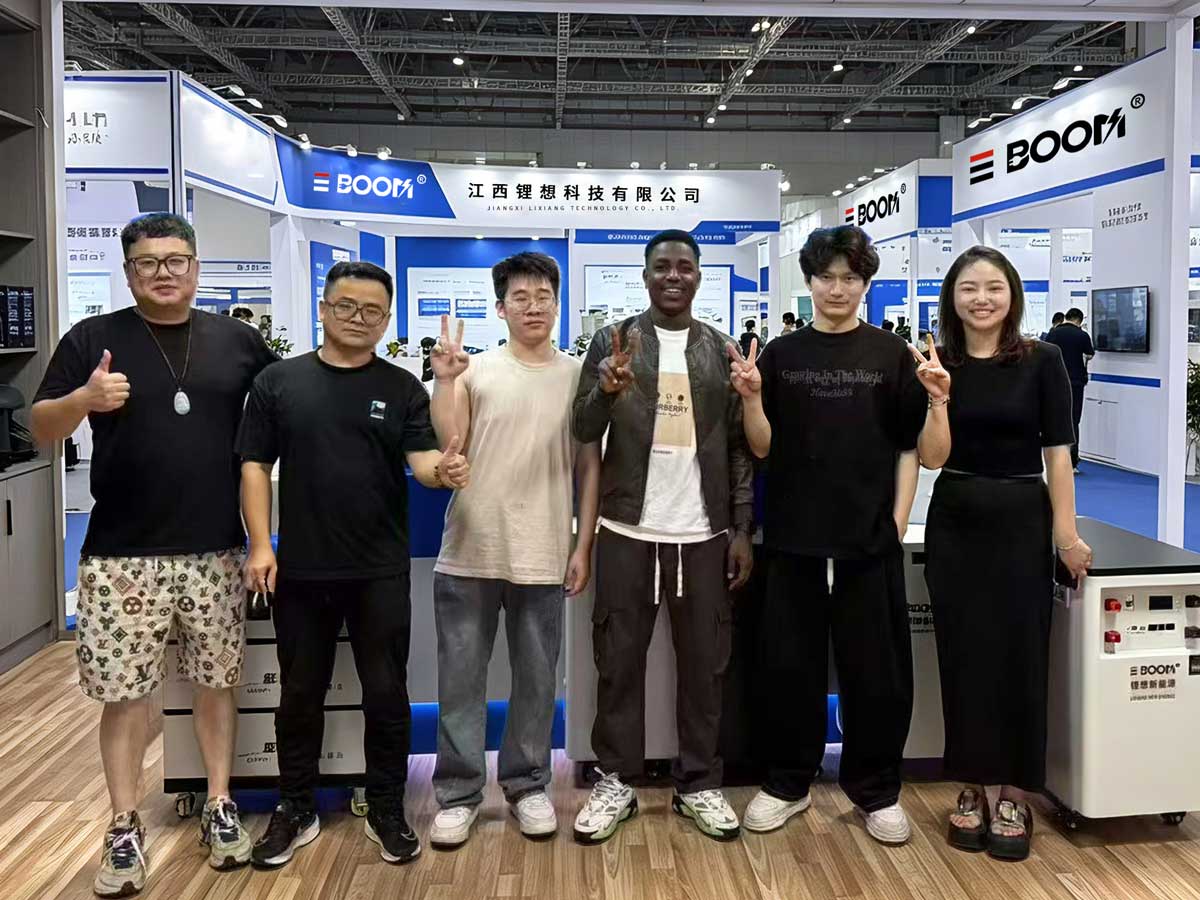
Commercial-grade power converters and custom smart storage options direct from the factory floor.
 Lithium Idea