Explore our industrial energy portfolio featuring Class-A cells, intelligent BMS, and scalable storage system configurations.
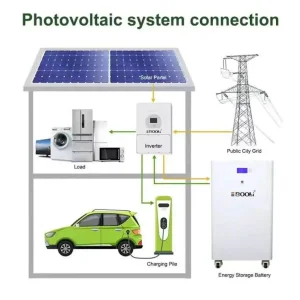
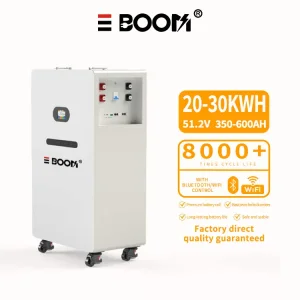
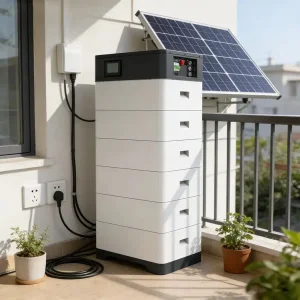
The industrial primary battery sector is dominated by the Lithium Thionyl Chloride (Li-SOCl2) chemistry, commonly packaged in the ubiquitous AA cell format (ER14505). Delivering a nominal voltage of 3.6 V, this chemical formulation represents one of the most energetically dense and durable power sources available today. In contrast to consumer-grade 1.5V alkaline or lithium iron disulfide (Li-FeS2) cells, industrial 3.6 V AA batteries are engineered for extreme durability, long shelf lives of up to 15-20 years, and ultra-low self-discharge rates.
Modern applications require stable voltage plateaus during discharge, allowing microprocessors to run continuously without brownouts. The electrochemical formulation of Li-SOCl2 ensures that the battery retains a flat discharge curve over 90% of its total capacity. This is critical for remote IoT installations, automated meter reading (AMR), and commercial security transceivers that must remain operational for decades without maintenance intervention.
| Battery Chemistry | Nominal Voltage | Energy Density (Wh/kg) | Operating Temp. Range | Typical Self-Discharge / Year | Key Applications |
|---|---|---|---|---|---|
| Lithium Thionyl Chloride (Li-SOCl2) | 3.6 V | Up to 650 Wh/kg | -60°C to +85°C | < 1% at 20°C | Smart Utilities, IoT, Military Electronics, Asset Tracking |
| Lithium Manganese Dioxide (Li-MnO2) | 3.0 V | Up to 280 Wh/kg | -40°C to +70°C | < 1% at 20°C | Security systems, Cameras, Memory backup, Medical |
| Lithium Iron Disulfide (Li-FeS2) | 1.5 V | Up to 300 Wh/kg | -40°C to +60°C | < 1.5% at 20°C | High-drain consumer devices, flashlights, smart remotes |
Understanding user intent and application-specific parameters in major global markets.
Smart gas, water, and heat meters depend on the continuous power of ER14505 cells. They must handle high pulse currents during data transmission protocols like LoRaWAN, NB-IoT, or Sigfox, combined with low base currents for real-time clock monitoring.
Wireless alarm panels, PIR sensors, glass break detectors, and smoke alarms require reliable 3.6 V power. A zero-maintenance lifespan of 10+ years reduces operating overhead for large-scale commercial property owners.
Sensors tracking temperature, structural integrity, vibrations, and pressure in pipelines or remote oil fields use 3.6 V AA cells to withstand extreme heat and freezing temperatures, ensuring continuous data updates.
Procuring wholesale 3.6 V AA lithium batteries at competitive prices requires a balance of cost management and technical vetting. While "discount" offers reduce initial expenditures, buyers must evaluate cells against high-stress reliability metrics.
Key Sourcing Considerations:
How automation and advanced vertical integration drive down manufacturing costs while maintaining high cell quality.
High-speed automated grading machines measure internal resistance, open-circuit voltage (OCV), and capacity variations to ensure cell consistency and long-term reliability.
Automated laser welding ensures clean connections, minimizes thermal stress on active materials, and provides strong mechanical joints for heavy-duty battery packs.
Advanced custom battery management systems (BMS) are integrated directly at the assembly line to prevent overcharge, over-discharge, and thermal runaway.
Cells undergo thermal shock, mechanical vibration, and humidity testing to guarantee performance under harsh operating conditions.
Powering a Sustainable Future, One Energy Solution at a Time
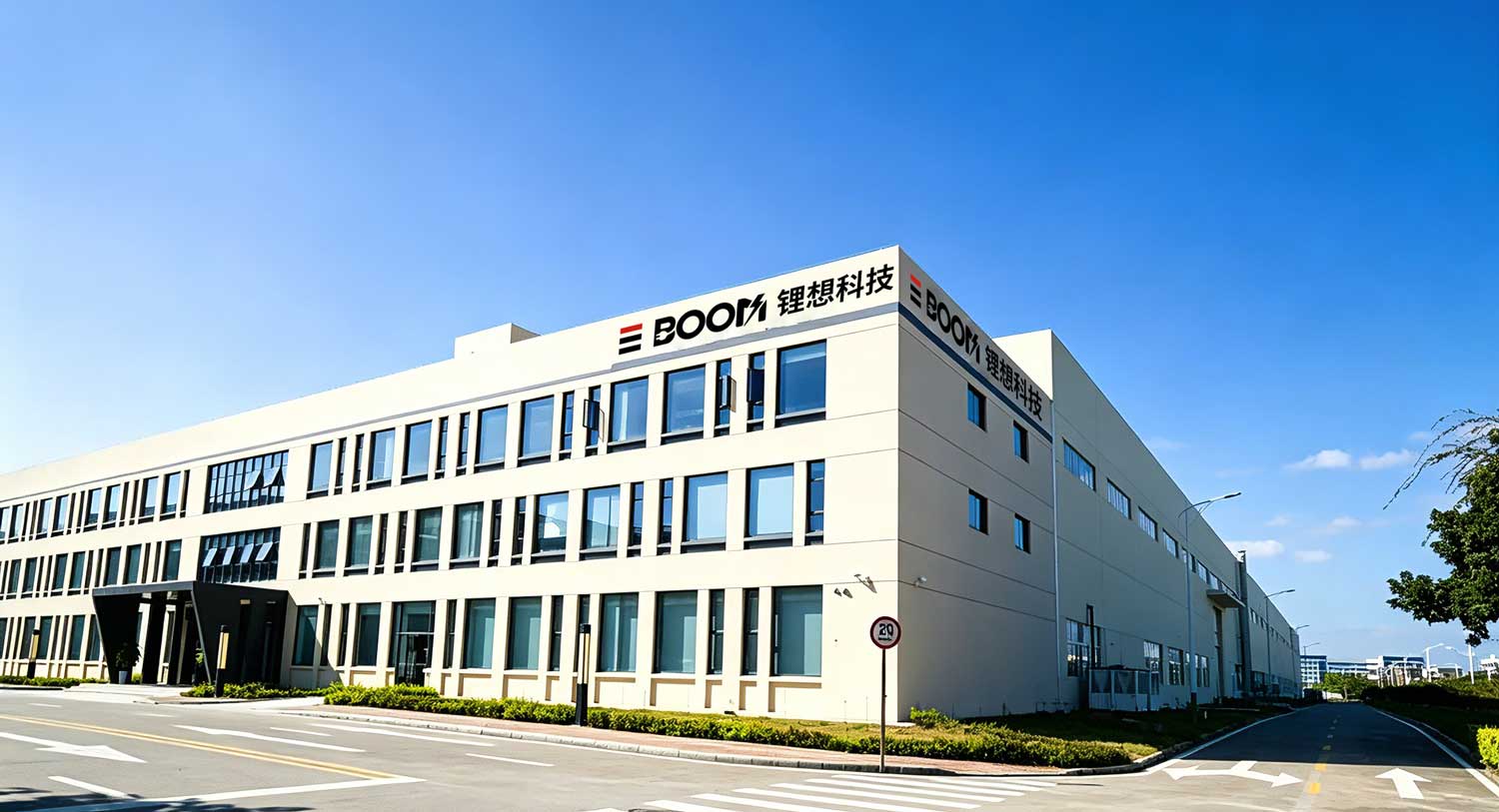
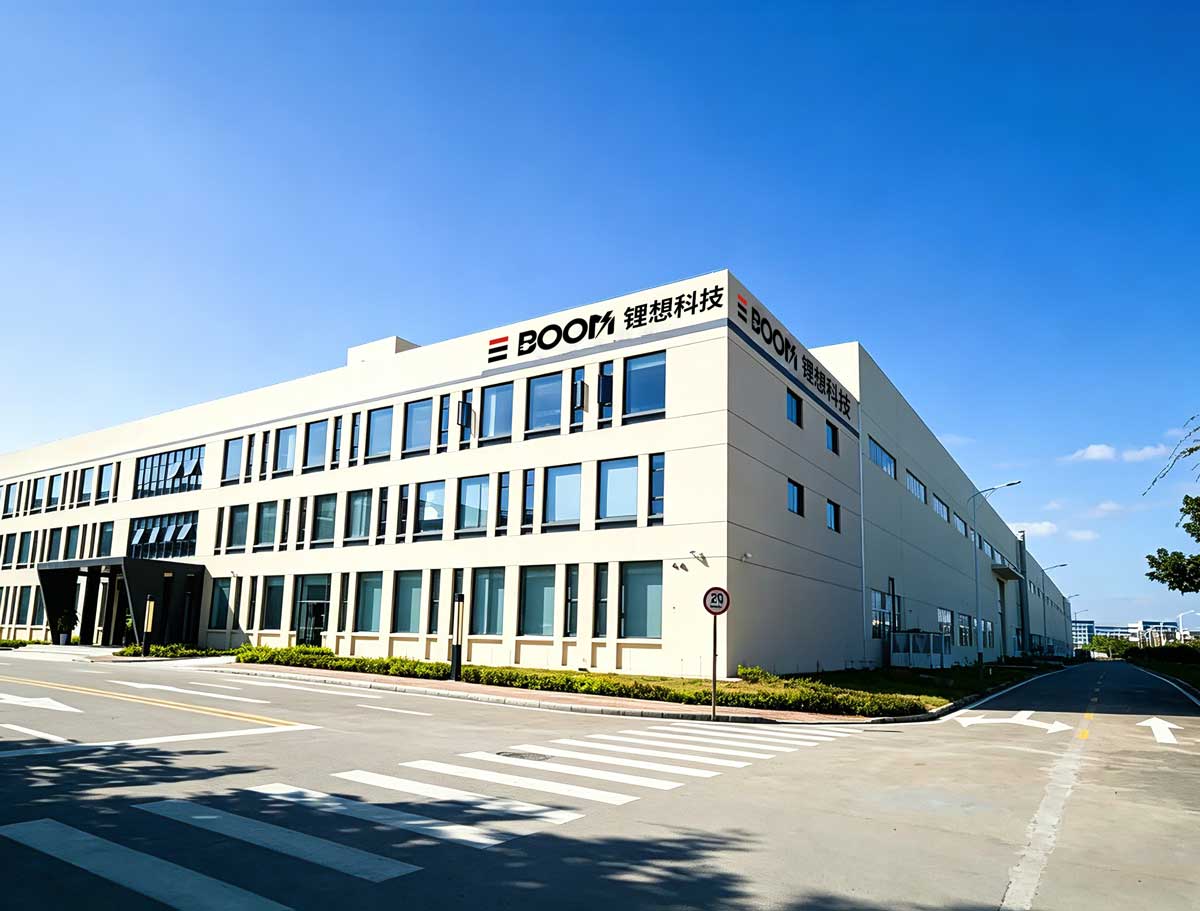
With 20 years of dedicated expertise in the renewable energy industry, Jiangxi Lithium Idea Technology Co., Ltd. stands as a globally trusted manufacturer and supplier of integrated energy storage systems, inverters, and solar panels. For over two decades, we have specialized in designing, engineering, and producing high-performance energy solutions that empower residential, commercial, and industrial users worldwide to achieve energy independence, reduce carbon footprints, and secure reliable power supply.
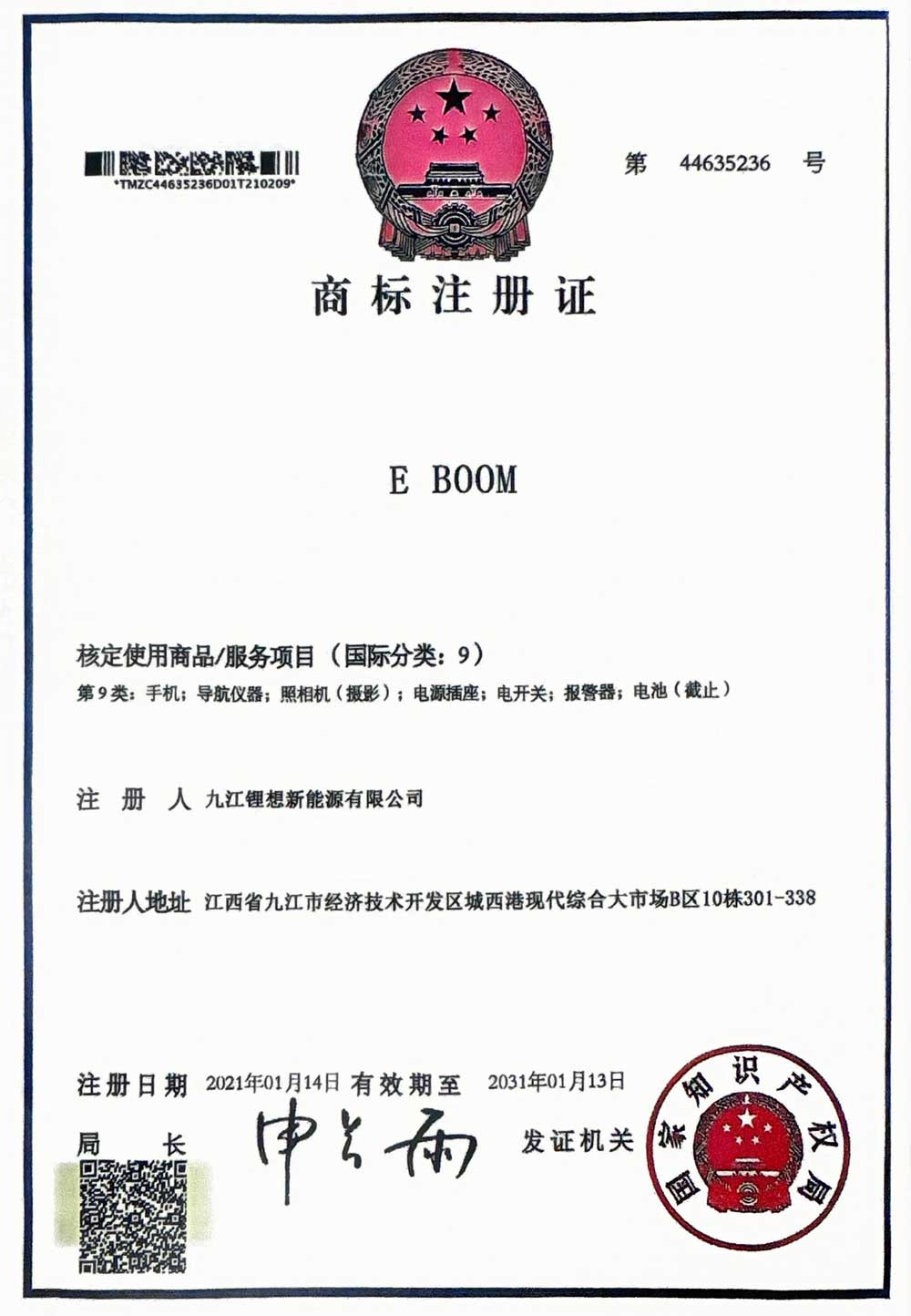
We source only Class A automotive-grade lithium-ion cells from world-renowned brands including EVE, Gotion High-Tech, and BYD. This ensures our energy storage systems deliver exceptional performance with a cycle life of 8000+ times, far exceeding industry standards. Every product undergoes rigorous testing and quality control throughout the production process, from raw material inspection to final assembly, guaranteeing safety, reliability, and a 10-year remote warranty for global customers.
Deploying specialized battery packs across diverse global environments.
In high-latitude regions, temperatures regularly drop below -40°C. Standard chemistry batteries fail due to electrolyte freezing. Our 3.6V AA Li-SOCl2 cells are designed to maintain operations at temperatures as low as -60°C, providing constant output voltage to telemetry hardware.
Desert utility metering systems experience intense daytime heat (up to +85°C), which accelerates battery degradation and self-discharge. Our cells are formulated to minimize self-discharge under high thermal loads, ensuring a long operating lifespan.
Water meters located underground face high humidity and damp conditions, which can lead to corrosion and electrical failure. Our batteries use hermetic glass-to-metal sealing and laser-welded pins to prevent moisture ingress, protecting the cell's chemistry and nearby electronic components.
Answers to common technical and logistical questions from global battery buyers.
Our commitment to partnership and technical exchange is showcased through global exhibitions and client visits.
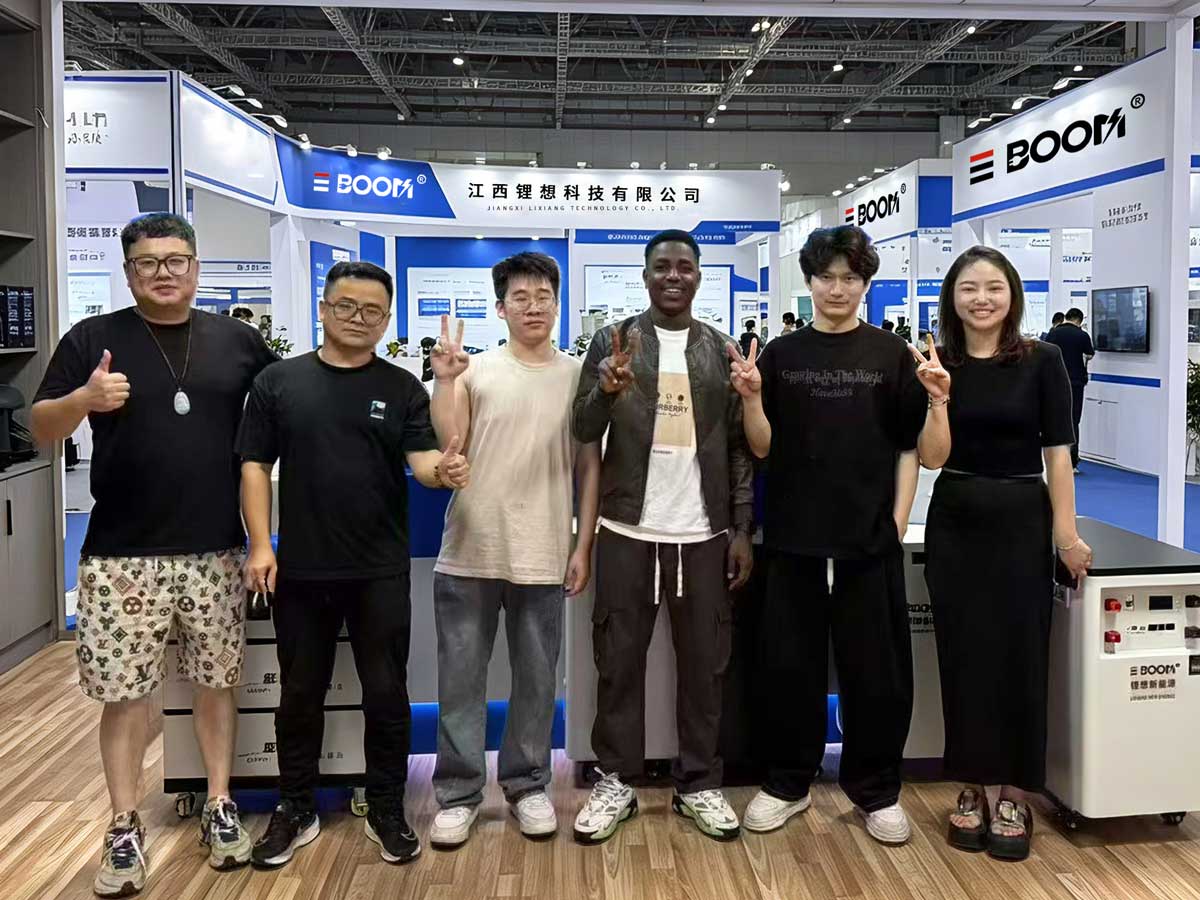
International Clean Energy Summit
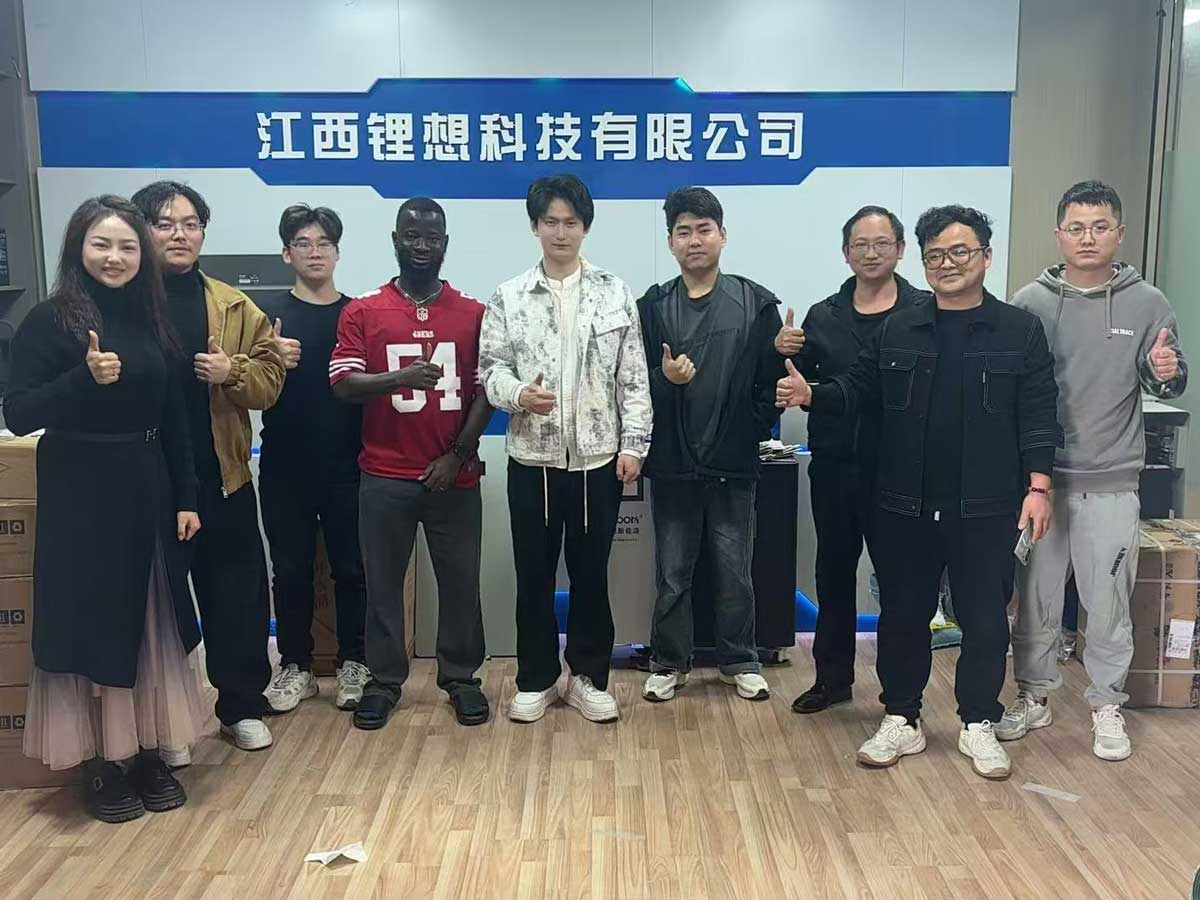
Smart Grid Utility Sourcing Forum

Global Industrial IoT Expo
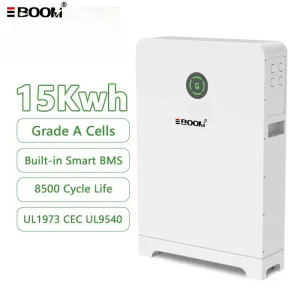
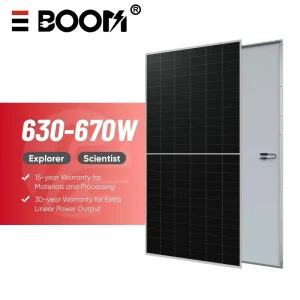
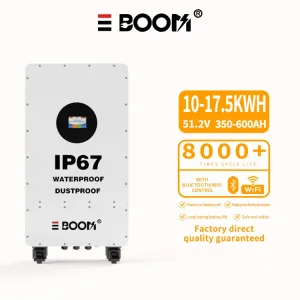
Compare our high-capacity LiFePO4 batteries, monocrystalline solar panels, and hybrid energy systems.
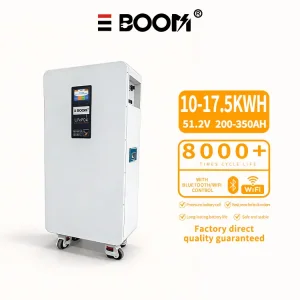
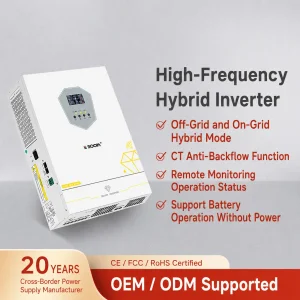
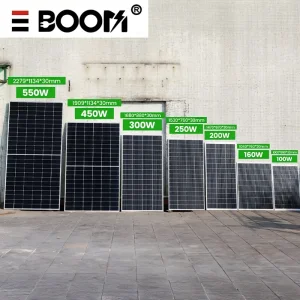
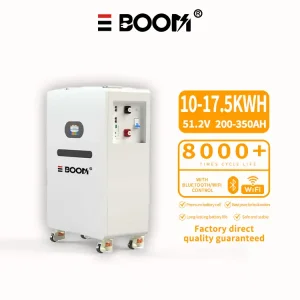
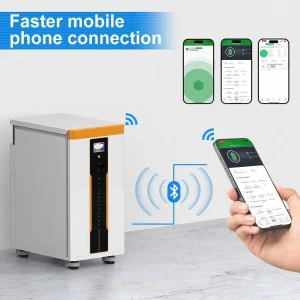
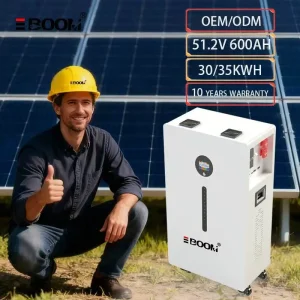
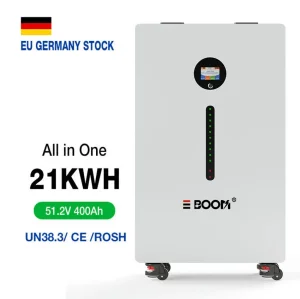
Direct from our manufacturing hubs: high-performance specialized power modules.
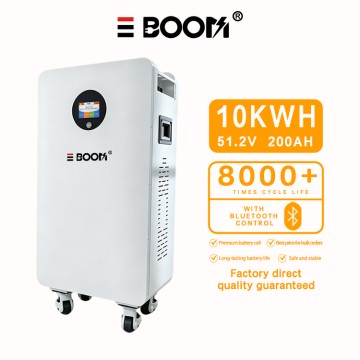
Reliable grid-independent power for emergency backup and critical machinery backup.
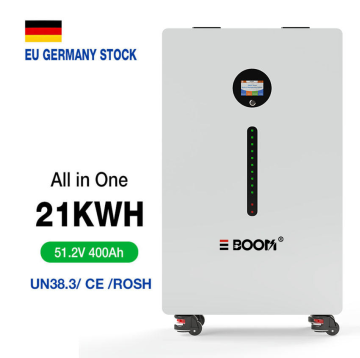
Integrated mobile backup power with advanced BMS protection and dual connectivity options.
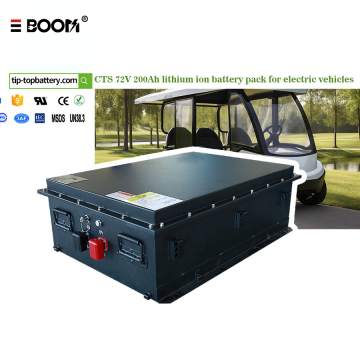
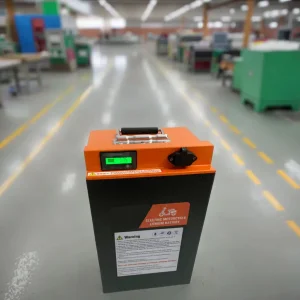
Optimized energy density solutions for modern two-wheeler platforms and urban fleets.
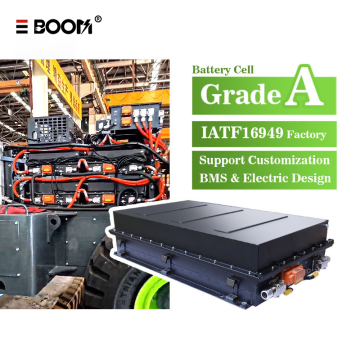
Engineered for commercial utility vehicles, marine configurations, and heavy industrial machinery.
 Lithium Idea