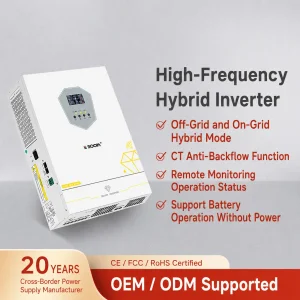
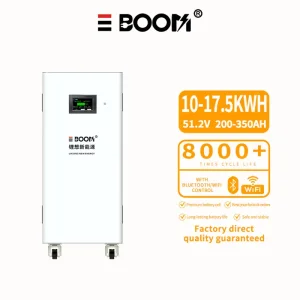
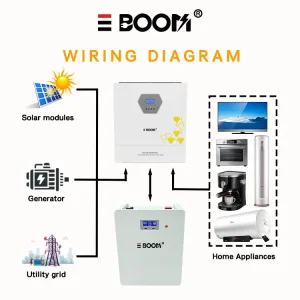
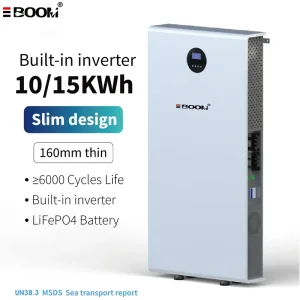
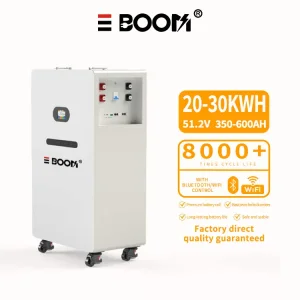
In the rapidly changing landscape of residential and light commercial renewable energy systems, selecting the appropriate voltage architecture remains a primary consideration for engineers, project designers, and global procurement departments. Among various platforms, the 24V Home Solar Battery system represents a highly resilient, cost-efficient, and inherently safe choice for specific scale requirements.
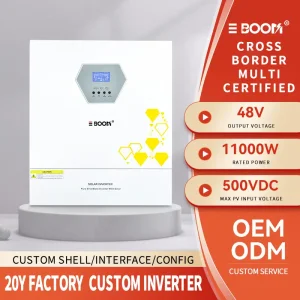
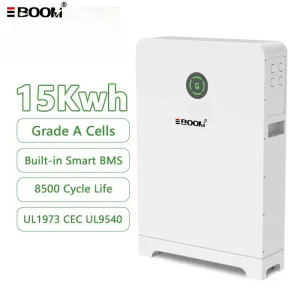
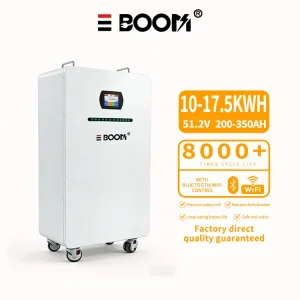
Historically, low-voltage systems were categorized as off-grid accessories. Today, through innovations in lithium iron phosphate (LiFePO4) cell technology and highly integrated battery management interfaces, discount 24V home solar battery systems sourced directly from manufacturers like Jiangxi Lithium Idea Technology Co., Ltd. bridge the gap between financial optimization and high efficiency. By operating at lower dc-voltages, these systems reduce the risks of arc flash and simplify the thermal management profiles, making them suitable for compact wall-mounted configurations and mobile wheeled trolley storage units.
"Global demand data collected over the last three fiscal quarters shows a 34% year-over-year increase in low-voltage battery procurement for residential retrofits and microgrid systems. The reason: high safety indexes, ease of installation, and a significantly lower upfront capital expenditure."
International importers, distributors, and engineering contractors are increasingly looking for ways to streamline their supply chains. Working directly with a tier-one home solar battery factory helps reduce intermediary costs and allows for extensive system customization. Jiangxi Lithium Idea Technology provides customized OEM and ODM solutions to meet various regional requirements, ensuring each unit matches local grid standards.
By bypassing domestic brokers, distributors gain direct access to factory pricing, allowing them to optimize their retail and commercial margins while maintaining competitive pricing in their target markets.
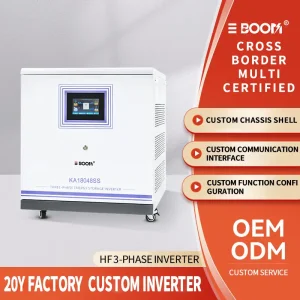
Whether you require specific wheeled casing dimensions, integrated LCD parameters, custom protocol communication cards, or co-branded silkscreen logos, our facility delivers end-to-end design flexibility.
We provide complete Delivered Duty Paid (DDP) logistic structures for destinations in the EU, US, UK, and Australia, handling customs clearance, marine insurance, and local port transfers.
Not all lithium batteries are engineered equally. Under the hood of Jiangxi Lithium Idea Technology systems, the chemistry and monitoring design determine the lifetime value. We utilize Grade-A Automotive-Grade Lithium Iron Phosphate (LiFePO4) cells sourced from industry leaders such as EVE, Gotion High-Tech, and BYD. This chemistry provides significant structural advantages over conventional nickel manganese cobalt (NMC) options.
| Performance Metrics | Lithium Iron Phosphate (LiFePO4) | Nickel Manganese Cobalt (NCM) | Lead-Acid (Conventional) |
|---|---|---|---|
| Cycle Life (80% DoD) | 8000+ Cycles | 1500 - 2000 Cycles | 300 - 500 Cycles |
| Thermal Runaway Temperature | 600°C (Extremely Safe) | 250°C (High Risk) | N/A |
| Toxicity & Environmental Impact | Zero heavy metals, highly recyclable | Contains cobalt and nickel | Highly toxic lead and sulfuric acid |
| Operating Efficiency | >95% round-trip efficiency | >92% round-trip efficiency | 70% - 80% due to heat losses |
| 10-Year Total Cost of Ownership | Lowest (Highly optimized longevity) | Medium (Requires mid-life replacement) | High (Requires constant replacement) |
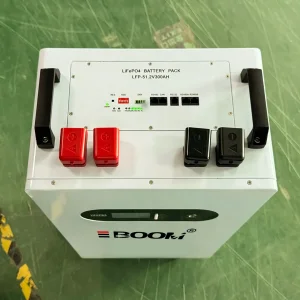
Every 24V or 51.2V battery assembly features a custom-engineered Smart Battery Management System (BMS). The BMS acts as the primary safety component, continuously monitoring voltage levels, cell balance, temperature, and current. With overcurrent, overvoltage, undervoltage, and thermal cutoff thresholds, our BMS prevents cell damage before it can occur, extending system operational life to 15+ years.
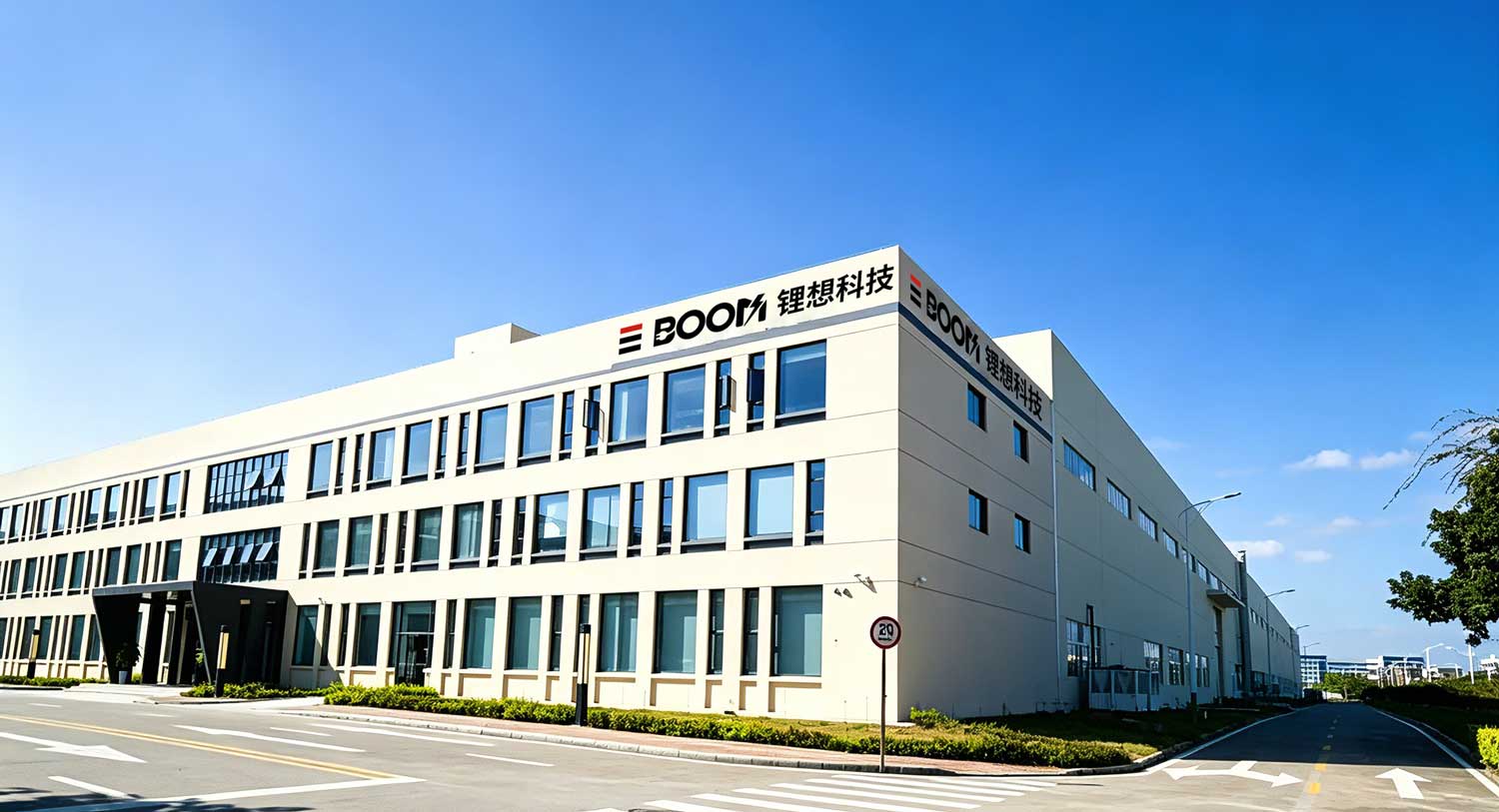
With 20 years of experience in the renewable energy sector, Jiangxi Lithium Idea Technology is a globally trusted manufacturer and supplier of integrated energy storage systems, inverters, and high-efficiency solar panels.
We operate a modern 7,000+ square meter factory designed to maintain strict quality standards. From raw cell matching to final system testing, we ensure every product complies with global safety guidelines before leaving our line.
Modern energy challenges require scalable configurations that adapt to varying infrastructure restrictions. Sourcing a discount 24V or 48V home solar battery from a professional factory provides the flexibility to support multiple configuration strategies:
Designed for compact wall-mounted installations. Ideal for peak shaving, daily backup power, and saving on utility bills by storing clean solar energy.
Delivers stable DC/AC power conversion in isolated regions. Works reliably with monocrystalline solar panels for independent power generation.
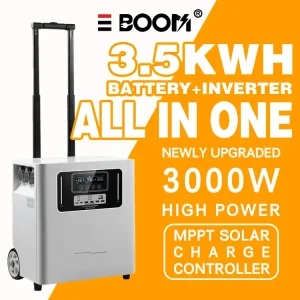
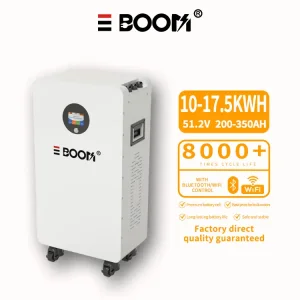
Features highly mobile rolling casings (10kWh to 30kWh) for flexible use in emergency services, commercial operations, and outdoor activities.
Scales from 100kWh to 1000kWh, enabling commercial facilities to improve grid stability, avoid peak rates, and optimize operating costs.
Entering major global markets like the European Union, the United Kingdom, North America, and Australia requires strict adherence to international safety certifications. To satisfy both grid regulations and insurance mandates, Jiangxi Lithium Idea Technology ensures all systems pass thorough safety testing.
Our products hold certifications including UL 1973 (standards for batteries used in stationary applications), IEC 62619 (safety requirements for secondary lithium cells), CE, and UN38.3 (safeguards for international transport). This level of testing assures distributors and installers that our batteries comply with local building regulations and can be safety connected to public utility grids.
 Lithium Idea