Explore our elite series of industrial-grade battery systems, monocrystalline PV panels, and smart inverter architectures
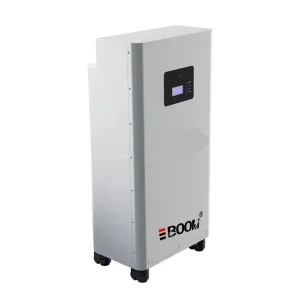
Reliable Home Solar Energy Storage solutions with advanced integrated Battery Management Systems (BMS).
Learn More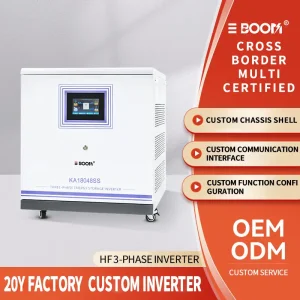
Built-in MPPT, WiFi support, and high frequency parallel operation capabilities designed for robust grid systems.
Learn More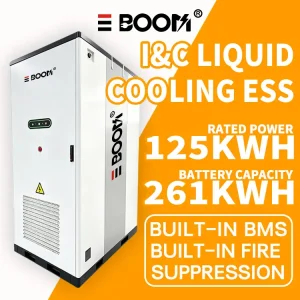
Heavy-duty liquid cooling commercial & industrial energy storage, optimized for factory backup power solutions.
Learn More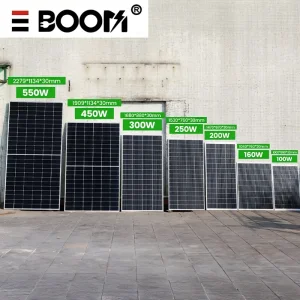
Grade-A monocrystalline cells optimized for off-grid operations and microgrid distribution arrays.
Learn More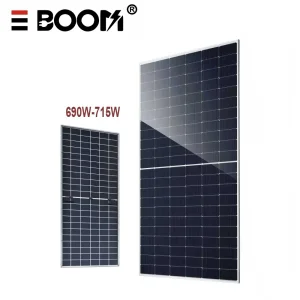
Waterproof and anti-aging architecture engineered for long-term deployments in harsh coastal or desert regions.
Learn More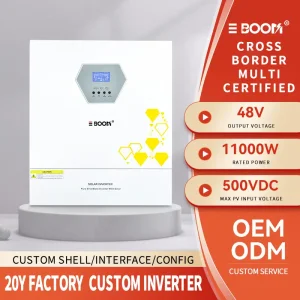
On/Off grid smart support system featuring real-time telemetry, MPPT, and high density power conversion.
Learn More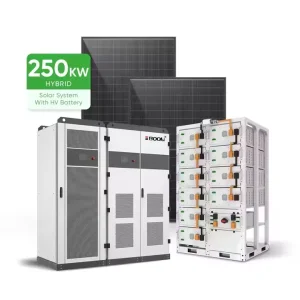
High-capacity 250-1000kWh battery integration systems designed for industrial grid resilience.
Learn More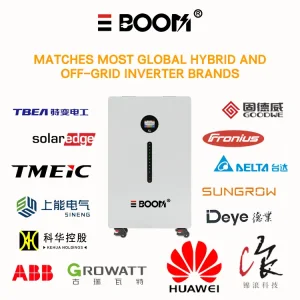
High capacity 20kWh backup module backed by an industrial 10-year warranty program.
Learn MoreUnlocking technological innovation, procurement guidelines, and supply chain strategies in primary lithium cells and high-capacity battery architectures.
In modern electronic design and industrial IoT ecosystems, the 3.6 Volt Lithium Battery represents the bedrock of remote power longevity. Unlike standard consumer battery cells, industrial 3.6V lithium cells—principally based on Lithium Thionyl Chloride (Li-SOCl2) and advanced Lithium Manganese Dioxide (Li-MnO2) variations—are designed for applications requiring decades of operational reliability. The high nominal voltage of 3.6V offers superior energy density per unit weight, enabling sensors, smart telemetry units, and military tracking systems to operate uninterrupted for up to 15 to 20 years.
From a chemistry standpoint, Li-SOCl2 batteries utilize a liquid thionyl chloride cathode and a solid lithium metal anode. The chemical reaction forms a microscopic lithium chloride (LiCl) passivation layer on the anode surface. This passivation layer acts as a natural barrier, inhibiting spontaneous internal discharge. Consequently, the self-discharge rate is kept below 1% per annum at room temperature. For critical infrastructure, this mechanism minimizes the Total Cost of Ownership (TCO) by eliminating frequent battery replacement cycles in the field.
While primary 3.6V cells serve as high-density single-use solutions, the global energy transition has driven synergy between primary cell intelligence and rechargeable high-capacity systems. Modern telemetry and commercial power grids deploy hybrid setups. Here, primary 3.6V cells power remote monitoring nodes, and heavy-duty Lithium Iron Phosphate (LiFePO4) packs sustain localized microgrids and backup infrastructure. This comprehensive energy matrix ensures uninterrupted control from the micro-sensor level up to megawatt-hour (MWh) storage installations.
Global industrial buyers—ranging from energy grid operators to IoT infrastructure developers—face strict requirements when sourcing batteries from China. Sourcing raw 3.6V cells or large capacity modules requires strict adherence to international safety, performance, and environmental compliance frameworks.
When evaluating manufacturers, procurement departments prioritize the following quality vectors:
Furthermore, modern purchasing strategies require deep integration with factories capable of ODM/OEM customization. Standard battery sizes often fail to meet the tight spatial layouts of customized smart meters or compact marine tracking units. Working with a Chinese manufacturer that offers custom terminal configurations (e.g., axial leads, radial pins, wire connectors) and specialized packaging ensures seamless integration into client devices.
The landscape of battery manufacturing in China has transitioned from traditional assembly lines to fully automated Industry 4.0 Smart Factories. At Jiangxi Lithium Idea Technology Co., Ltd., advanced manufacturing integrates computerized raw material mixing, high-precision automated electrode coating, and laser-welding systems. This precision minimizes cell resistance variations, directly improving performance consistency and expanding the cell's lifespan.
Supply chain resilience is a core advantage of Chinese manufacturing. By sourcing raw lithium materials, casing elements, and high-performance safety vents locally, production costs remain competitive while delivery times are protected from global logistics disruptions. In addition, the proximity to major battery component makers allows for faster cycle times from design to prototype validation.
Additionally, quality control processes integrate dynamic X-ray inspection and thermal imaging to detect internal impurities or electrode misalignment. This ensures that only Class A, high-energy-density cells reach packaging and system integration. This strict testing process underpins our 10-year remote warranty program, offering global commercial buyers peace of mind.
Industrial 3.6 Volt Lithium batteries and high-power battery storage systems are used across diverse commercial, municipal, and industrial scenarios:
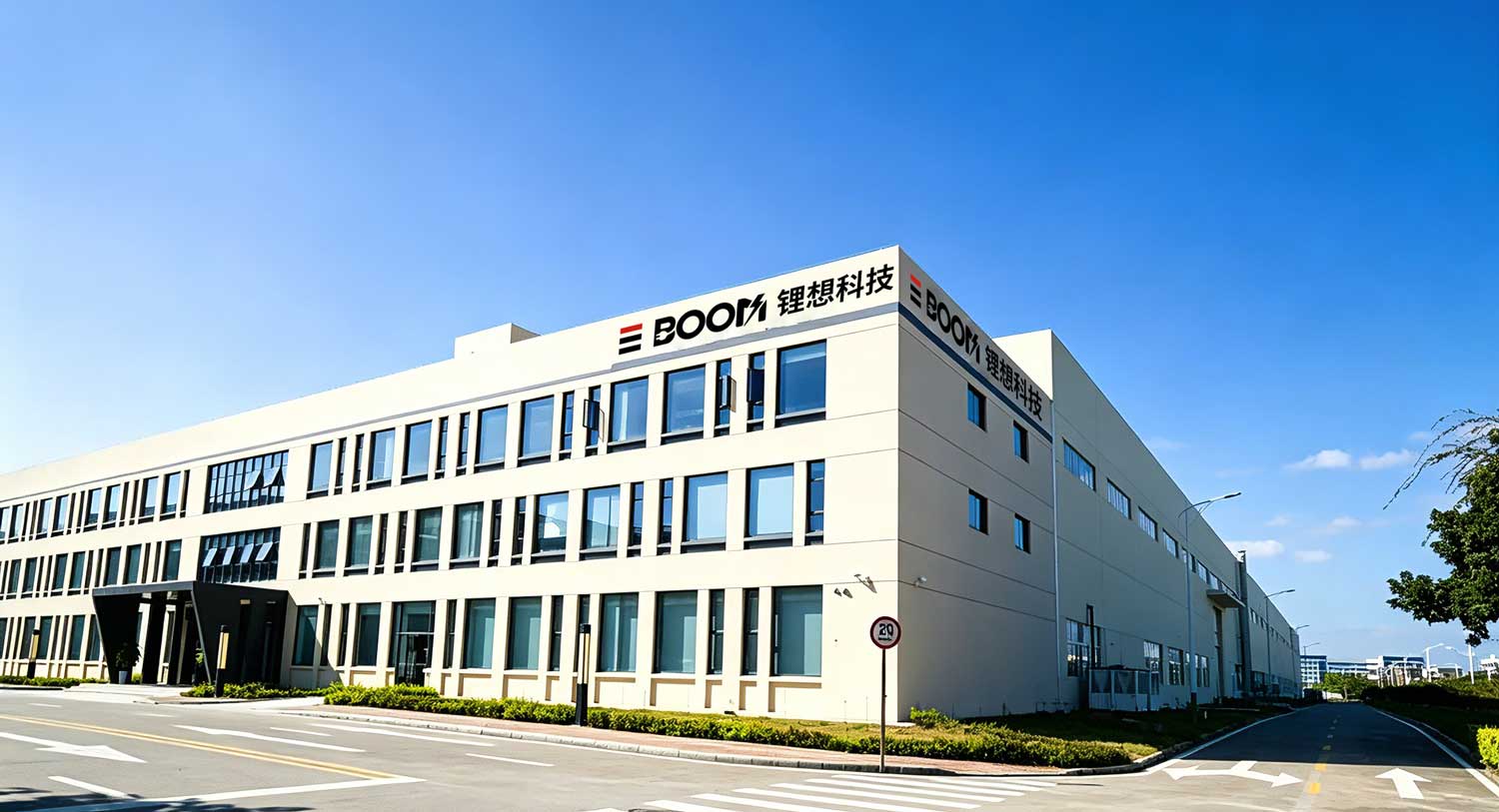
For over 20 years, Jiangxi Lithium Idea Technology Co., Ltd. has delivered integrated energy solutions that connect micro-cell reliability with industrial-scale power systems. Operating from a 7000+ m² production facility with a dedicated team of over 100 industry experts, we provide scalable battery integration for residential, commercial, and utility-scale projects worldwide.
Whether implementing wall-mounted home batteries, commercial liquid-cooling energy storage systems (ESS), or high-efficiency monocrystalline solar panels, our engineering process focuses on performance, safety, and long-term durability.
Why global engineers and procurement managers partner with Jiangxi Lithium Idea Technology
Glass-to-metal sealing technology prevents electrolyte leakage and protects internal components from high-humidity and corrosive environments.
Passivation-controlled design keeps self-discharge below 1% per year, ensuring systems remain operational even after extended storage.
Engineered to operate reliably in extreme conditions, from arctic environments of -55°C to desert climates reaching +85°C.
Technical parameters of dominant lithium chemistries for smart grids, telemetry, and energy systems.
| Chemistry Type | Nominal Voltage | Energy Density (Wh/kg) | Self-Discharge Rate | Operating Temperature Range | Typical Life / Cycle Expectancy |
|---|---|---|---|---|---|
| Li-SOCl2 (Primary) | 3.6V | 500 - 650 Wh/kg | < 1% / year | -55°C to +85°C | 10 to 20 Years (Shelf/Operational) |
| Li-MnO2 (Primary) | 3.0V | 280 - 400 Wh/kg | < 1.5% / year | -40°C to +70°C | 7 to 10 Years |
| LiFePO4 (Rechargeable) | 3.2V (Cell) / 51.2V (System) | 140 - 180 Wh/kg | < 3% / month | -20°C to +60°C | 6000 - 8000+ Cycles (10Y Warranty) |
| NMC (Rechargeable) | 3.6V - 3.7V (Cell) | 200 - 250 Wh/kg | < 4% / month | -20°C to +55°C | 1500 - 3000 Cycles |
Answers to common technical, design, and procurement questions regarding 3.6V lithium batteries and energy systems.
Discover our comprehensive range of high-cycle solar PV panels, hybrid inverters, and heavy-duty portable batteries.
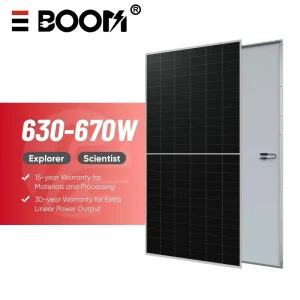
Cost-effective monocrystalline silicon panel arrays designed for high-efficiency solar conversion in utility projects.
Learn More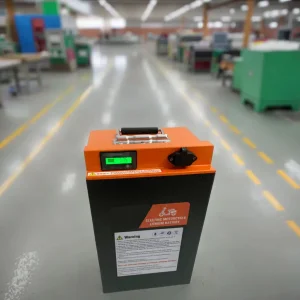
High-cycle battery configuration optimized for light electric vehicles, e-bikes, and mobile transportation.
Learn More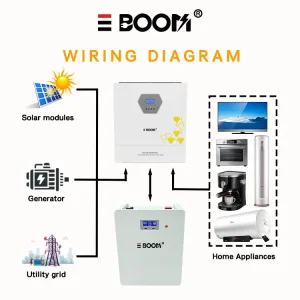
High-capacity mobile energy systems with integrated BMS for residential backup during power grid outages.
Learn More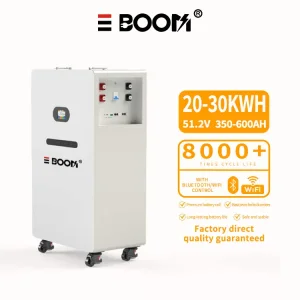
Heavy-duty energy storage configuration backed by a 10-year warranty, designed for commercial off-grid installations.
Learn More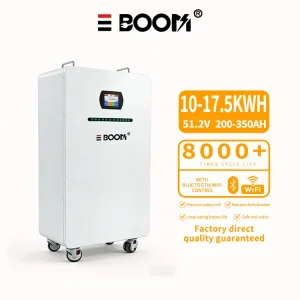
Grade-A lithium cells configured for smart residential microgrids and backup solar applications.
Learn More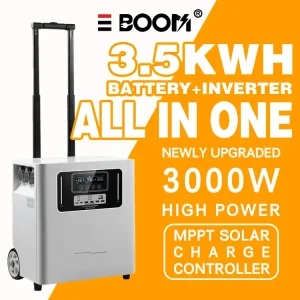
Mobile trolley energy systems featuring integrated rolling chassis designs, ideal for emergency services and outdoor sites.
Learn More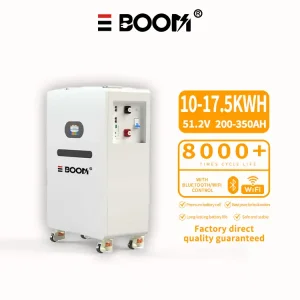
10kWh to 15kWh custom configurations designed for space-saving wall-mounted residential setups.
Learn More
Mobile wheeled power storage systems designed by China factories for dependable emergency backup power.
Learn More Lithium Idea