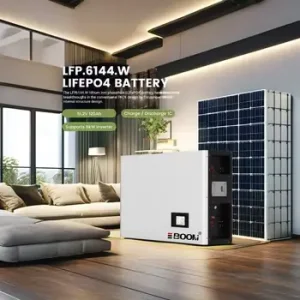
Explore our foundational range of Tier-1 LiFePO4 and advanced energy storage modules engineered for unmatched thermal stability, high density, and extended cycle runtimes.
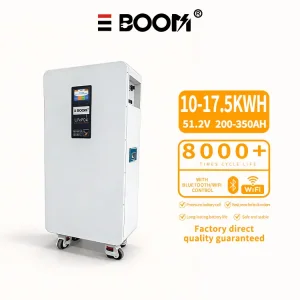
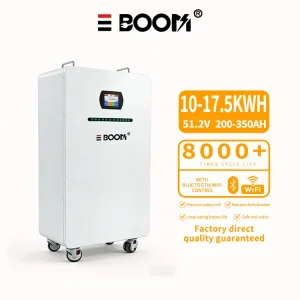
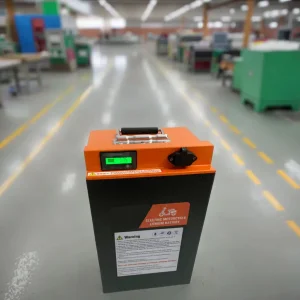
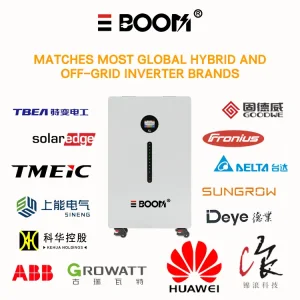
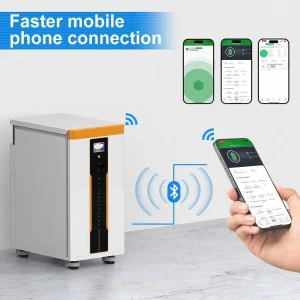
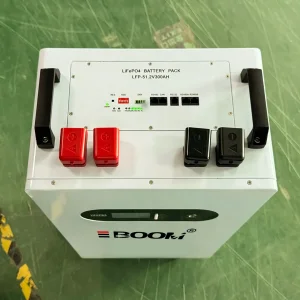
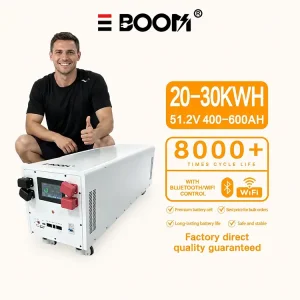
The shift toward scalable decentralization in energy systems places a spotlight on the standard 200Ah deep cycle form factor. Deep cycle battery systems defined by a 200Ah capacity—specifically configurations using Lithium Iron Phosphate (LiFePO4) chemistry—represent a sweet spot in the efficiency-to-footprint ratio. These systems yield nominal storage capacities ranging from 2.56kWh (at a 12.8V nominal voltage) to 10.24kWh (at a 51.2V system bus line). These parameters provide exactly the dynamic discharge parameters needed to power critical infrastructure, telecom towers, remote homesteads, and small commercial entities.
For international procurers, engineering leads, and distribution networks, choosing the right manufacturer in China is a major strategic decision. It requires looking past simple price-per-kilowatt metrics and examining physical cell sorting parameters, structural packing, BMS thermal runtimes, and strict localized compliance pathways.
Why domestic sourcing, raw-material processing superiority, and vertical integrations make Chinese suppliers the premier source for global energy storage equipment.
Over 70% of the world's lithium chemical processing and cathode material production happens in China. This concentration guarantees raw material supply security and stable pricing, cushioning global buyers from sudden supply shocks.
Premium Chinese battery manufacturers work with Tier-1 cell producers (like EVE, BYD, and Gotion High-Tech). Sourcing Grade-A, automotive-standard prismatic cells guarantees low internal resistance and a lifespan exceeding 8,000 charge cycles.
Modern Chinese factories use laser welding, automated cell sorting, and computerized aging systems. This structural automation reduces packaging defects and maintains high consistency across battery cells.
When engineering long-term backup power, the chemistry's physical durability under varying C-rates is a key performance driver. While a 1C discharge rate will pull a continuous 200 Amps of current from a 200Ah pack (depleting it in one hour), typical residential and commercial deployments operate at lower C-rates (such as 0.2C to 0.5C). These lower discharge rates minimize internal heat generation and maximize battery lifetime.
Understanding these metrics is vital for matching battery banks to commercial hybrid inverters (e.g., 8kW, 11kW, or 15kW continuous outputs).
B2B buyers, EPC contractors, and utility operators must verify standard criteria when auditing a battery supplier. The technical checklist below outlines key factors for evaluating potential manufacturing partners:
A supplier must provide complete documentation tracing cells back to the original manufacturer (e.g., EVE, BYD, Gotion). Procurement contracts should stipulate the use of Grade A cells with matching internal resistance and voltage values, preventing the inclusion of degraded Grade B or salvaged cells.
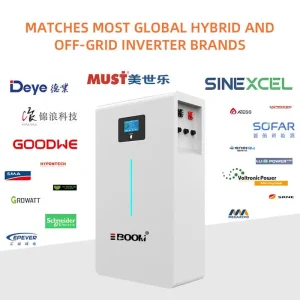
Modern battery management systems must monitor voltage down to the individual cell. The system should support key industrial communication protocols (like CANbus, RS485, and Modbus) to ensure compatibility with major global inverter brands (such as SMA, Victron, Deye, and Growatt).
Thermal runaway in lithium batteries is a key risk factor. High-quality 200Ah packs use structural insulation between cells, physical fire-extinguishing barriers, and advanced BMS systems that cut off charging if temperatures exceed safety thresholds (typically 55°C).
Navigating global regulatory landscapes and logistics systems for importing lithium-ion energy storage systems safely.
Importing into key markets like North America and the EU requires compliance with UL1973, UL9540A, CE, and IEC 62619 standards. Sourcing certified batteries ensures smooth customs clearance and facilitates system insurance approvals.
Because batteries are classified as Class 9 Dangerous Goods, shippers must provide valid UN38.3 test summaries, MSDS documentation, and compliant packaging. Partnering with suppliers experienced in these logistics avoids port holds and shipping delays.
Top manufacturers offer remote monitoring systems, cloud-connected diagnostic apps, and local service centers to streamline warranty claims. These services minimize down-time for end users during maintenance events.
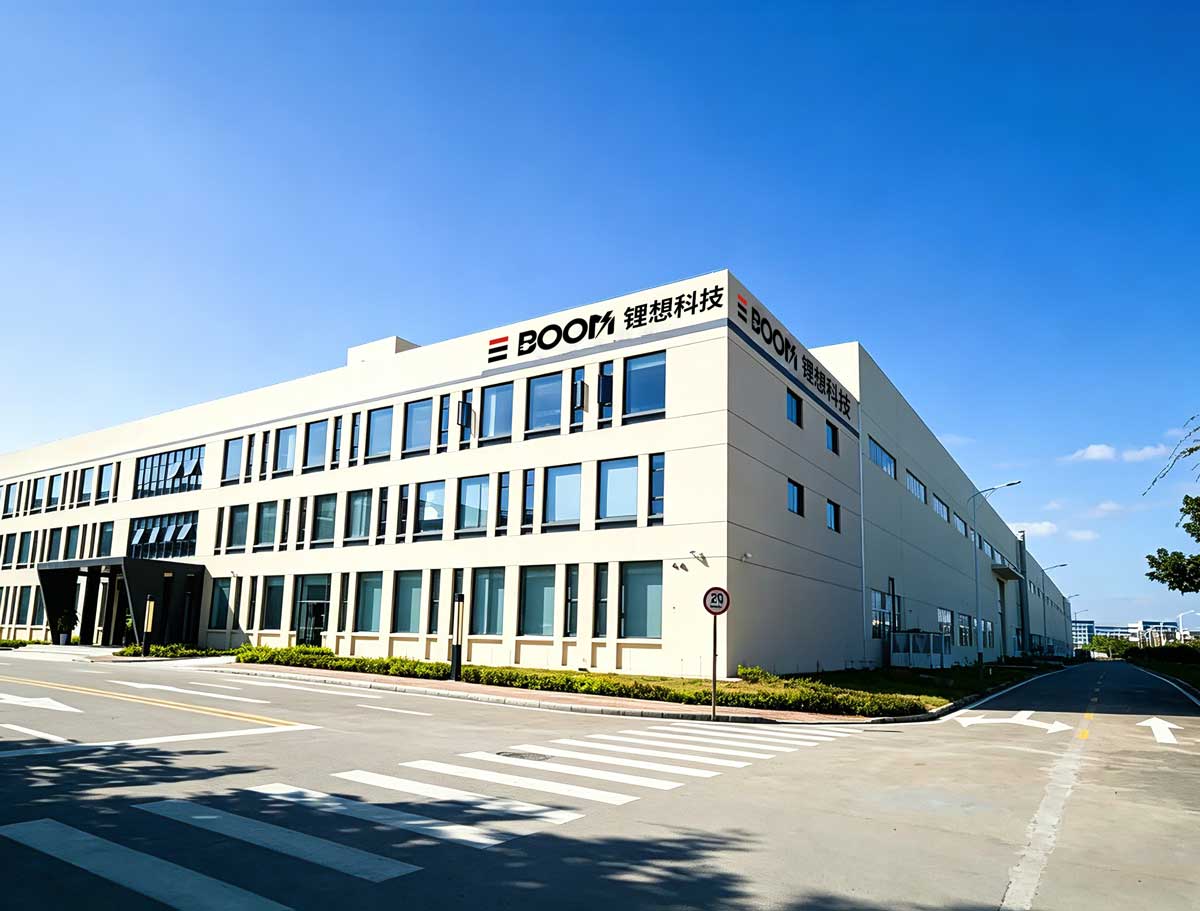
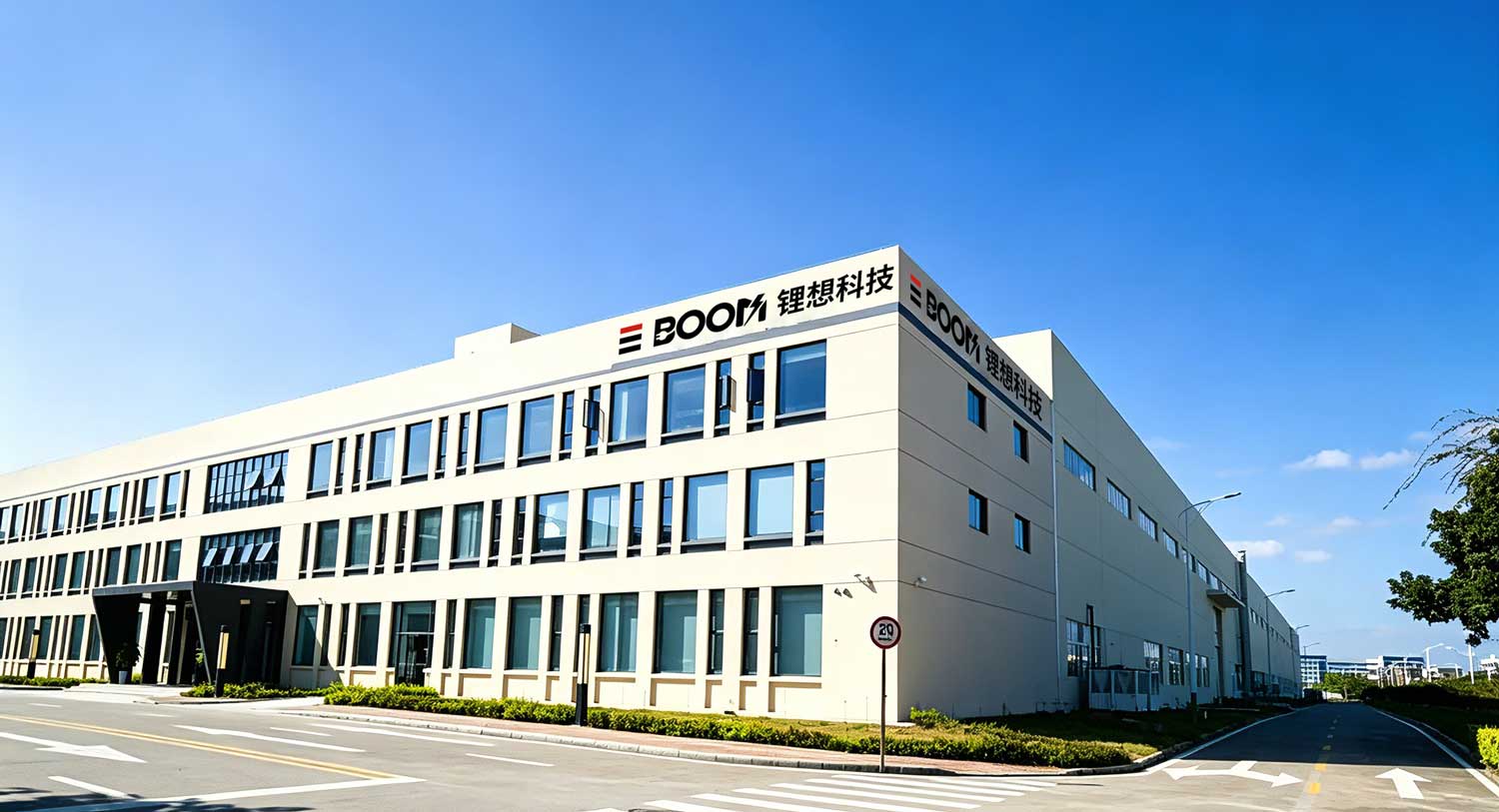
With over 20 years of experience in the renewable energy industry, Jiangxi Lithium Idea Technology Co., Ltd. is a trusted global manufacturer and supplier of integrated energy storage systems, hybrid inverters, and high-efficiency monocrystalline solar panels.
Operating out of a modern 7,000+ m² production facility, the company's engineering teams build solutions that empower residential, commercial, and industrial clients to secure reliable power and reduce energy costs. By using only Class A automotive-grade cells (from makers like EVE, Gotion, and BYD), Lithium Idea systems deliver an industry-leading cycle life of 8000+ charges, backed by a comprehensive 10-year remote warranty.
From home storage setups to large industrial projects, Lithium Idea provides global support from initial design and compliance approvals to international logistics and after-sales service.
Get answers to common technical, logistics, and design questions about 200Ah deep cycle battery systems.
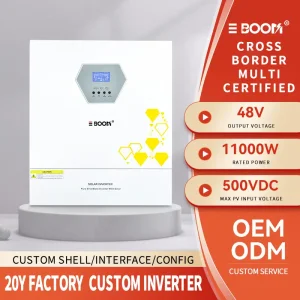
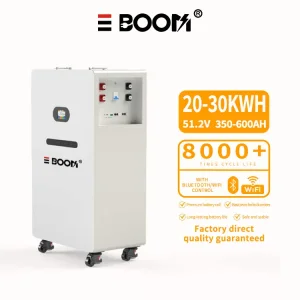
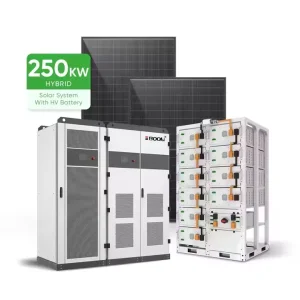
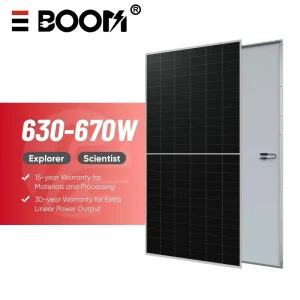
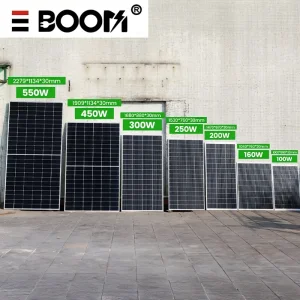
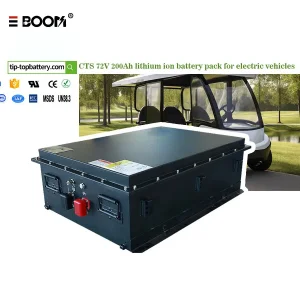
Complete your renewable system with high-efficiency hybrid inverters, waterproof solar arrays, and specialized vehicle battery packs designed for total system compatibility.
 Lithium Idea