Explore our foundational smart energy systems engineered with advanced LFP chemistry and intelligent BMS architectures.
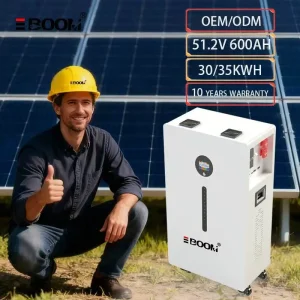
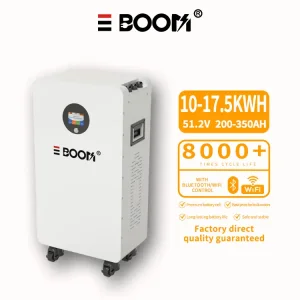
Within the residential energy storage landscape, the selection of the correct system nominal voltage represents the primary decision parameter impacting lifetime system cost, installation safety, and overall conversion efficiency. In modern engineering contexts, a 48V system is nominally designated as 51.2V, arising from the standard 16S configuration (16 cells arranged in series) of lithium iron phosphate (LiFePO4) chemistry (3.2V nominal voltage per cell).
Under international safety standards such as IEC 60364, voltages below 60V DC fall under the classification of Safety Extra Low Voltage (SELV). This categorization provides distinct engineering advantages: it significantly reduces the hazard of electrical shock, lowers structural safety overheads, simplifies local compliance requirements, and enables rapid installation without requiring specialized high-voltage licensing in many global territories.
Lithium Iron Phosphate (LiFePO4) has emerged as the industry benchmark for stationary storage systems due to its superior molecular stability. Unlike ternary lithium (NMC) chemistries, the covalent bonds within the P-O crystal lattice of LFP cells prevent oxygen liberation at elevated temperatures. This makes LFP inherently resistant to thermal runaway up to temperatures exceeding 270°C.
| Parameters | Low-Voltage 48V/51.2V LFP Systems (16S) | High-Voltage (HV) Systems (100V-400V+) |
|---|---|---|
| Shock Hazard Classification | SELV (Safety Extra Low Voltage) - Under 60V DC | Hazardous Live Voltage - Requires specialized insulation |
| Cell Balancing Dynamics | Simplified monitoring of 16 cells in series | Complex multi-pack balancing of 100+ series cells |
| Modular Expansion Ease | Parallel installation with linear capacity scaling | Series stack expansion with identical capacity cells only |
| Inverter Compatibility | Highly standardized across legacy off-grid architectures | Proprietary high-voltage hybrid inverter interfaces |
By keeping the system configuration in a parallel low-voltage layout, the degradation of a single cell does not disable the entire system. Instead, the balance of current is dynamically handled by the system's smart Battery Management System (BMS), ensuring continuous operational reliability.
A smart BMS acts as the operational brain of our 48V battery systems. It ensures safety and longevity by monitoring real-time metrics:
Over Two Decades of Industrial Leadership in Integrated Energy Storage Systems, High-Frequency Inverters, and Solar Panels.
With 20 years of dedicated expertise in the renewable energy industry, Jiangxi Lithium Idea Technology Co., Ltd. stands as a globally trusted manufacturer and supplier of integrated energy storage systems, inverters, and solar panels. For over two decades, we have specialized in designing, engineering, and producing high-performance energy solutions that empower residential, commercial, and industrial users worldwide to achieve energy independence, reduce carbon footprints, and secure reliable power supply.
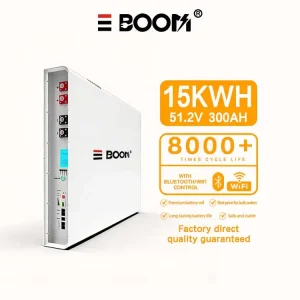
At Jiangxi Lithium Idea Technology, quality is the cornerstone of everything we do. We source only Class A automotive-grade lithium-ion cells from world-renowned brands including EVE, Gotion High-Tech, and BYD, ensuring our energy storage systems deliver exceptional performance with a cycle life of 8000+ times, far exceeding industry standards.
Sourcing low-voltage energy systems from highly integrated Chinese factories yields critical operational and commercial benefits for distributors and installers.
Our proximity to world-class cell manufacturers (EVE, BYD, Gotion) eliminates transit times, guarantees fresh batch cells, and significantly lowers logistical costs compared to Western assembly plants.
From automatic cell sorting by voltage and internal resistance, to robotic laser busbar welding and automated charge-discharge testing chambers, we maintain a highly standardized and repeatable quality control process.
Our designs strictly align with major global standardization frameworks, ensuring that safety, shipping, and utility approvals are built-in from the prototyping phase.
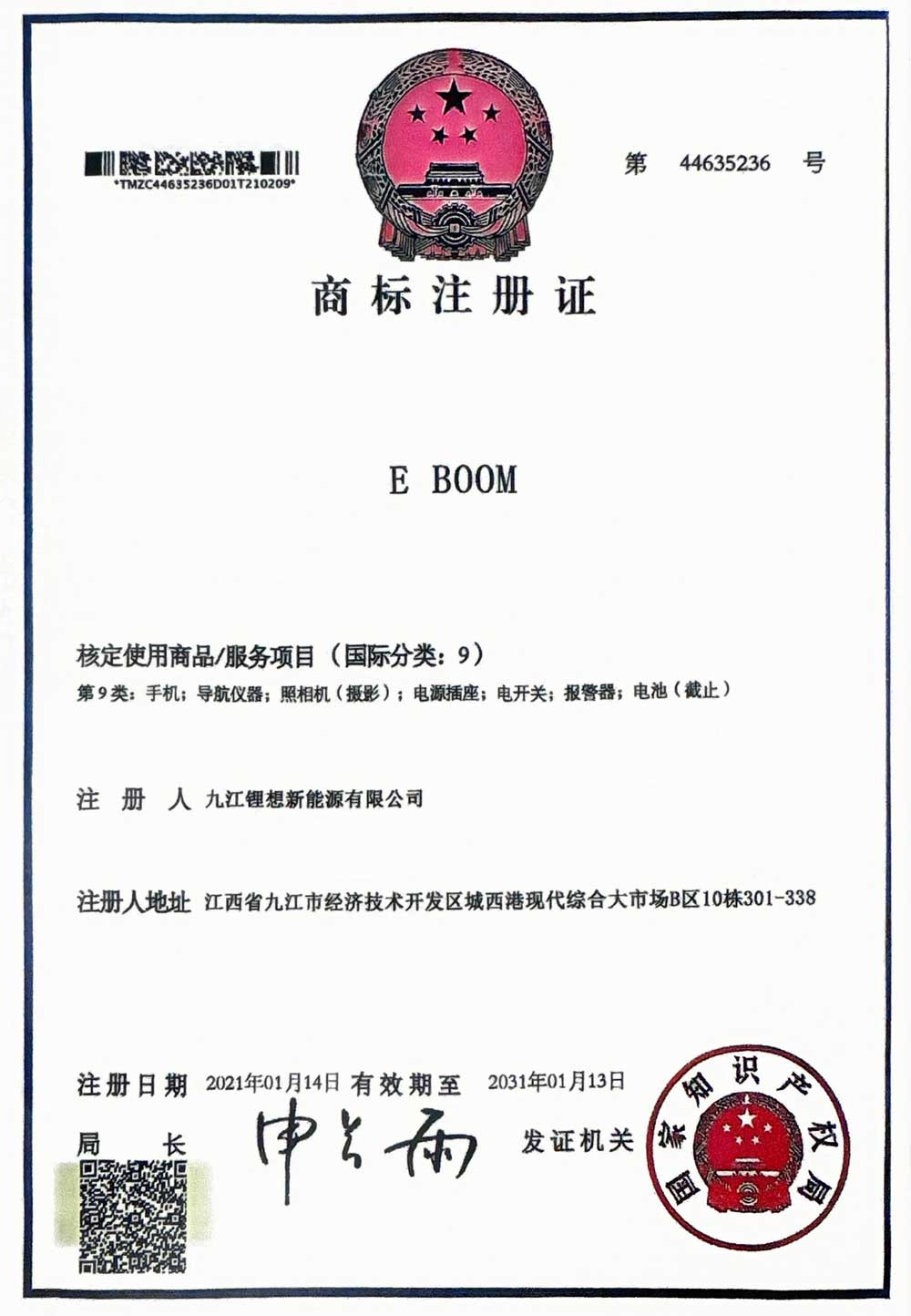
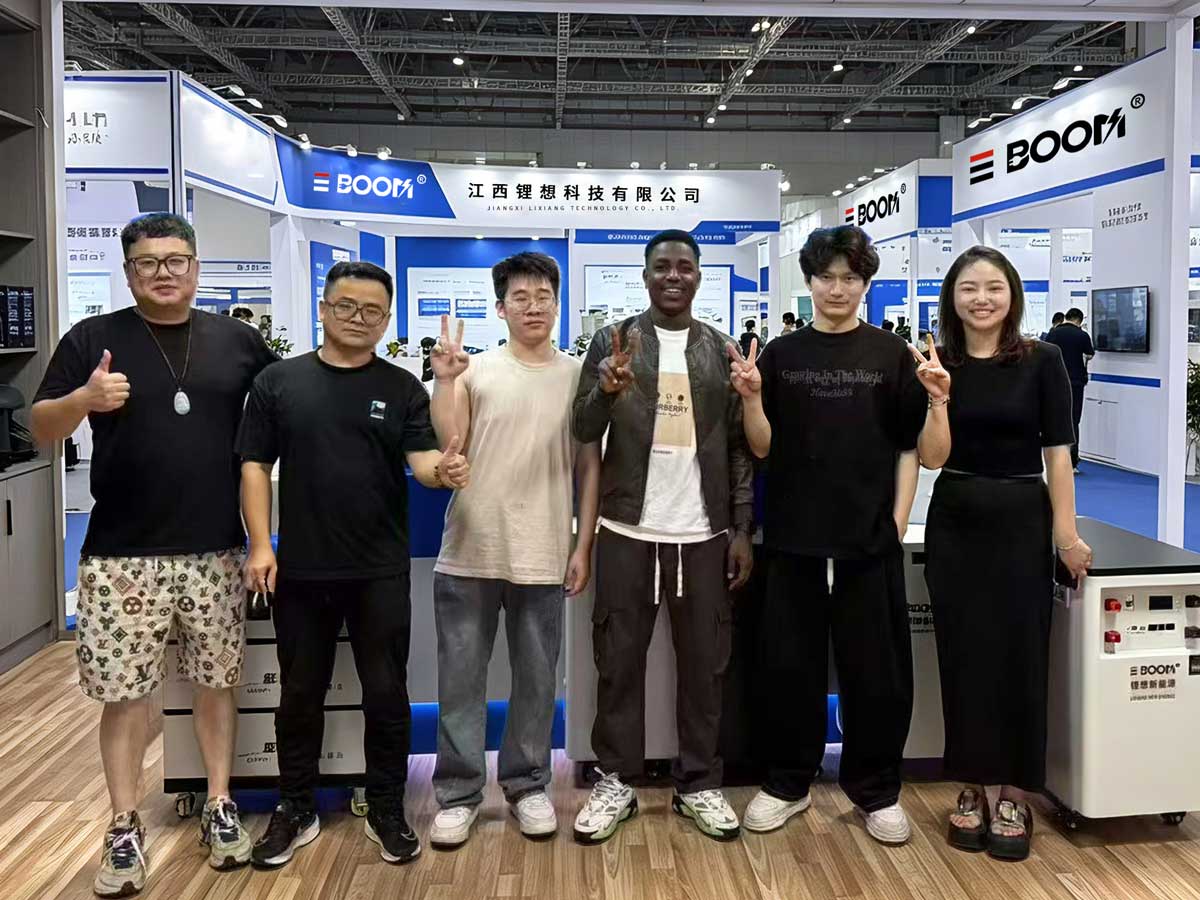
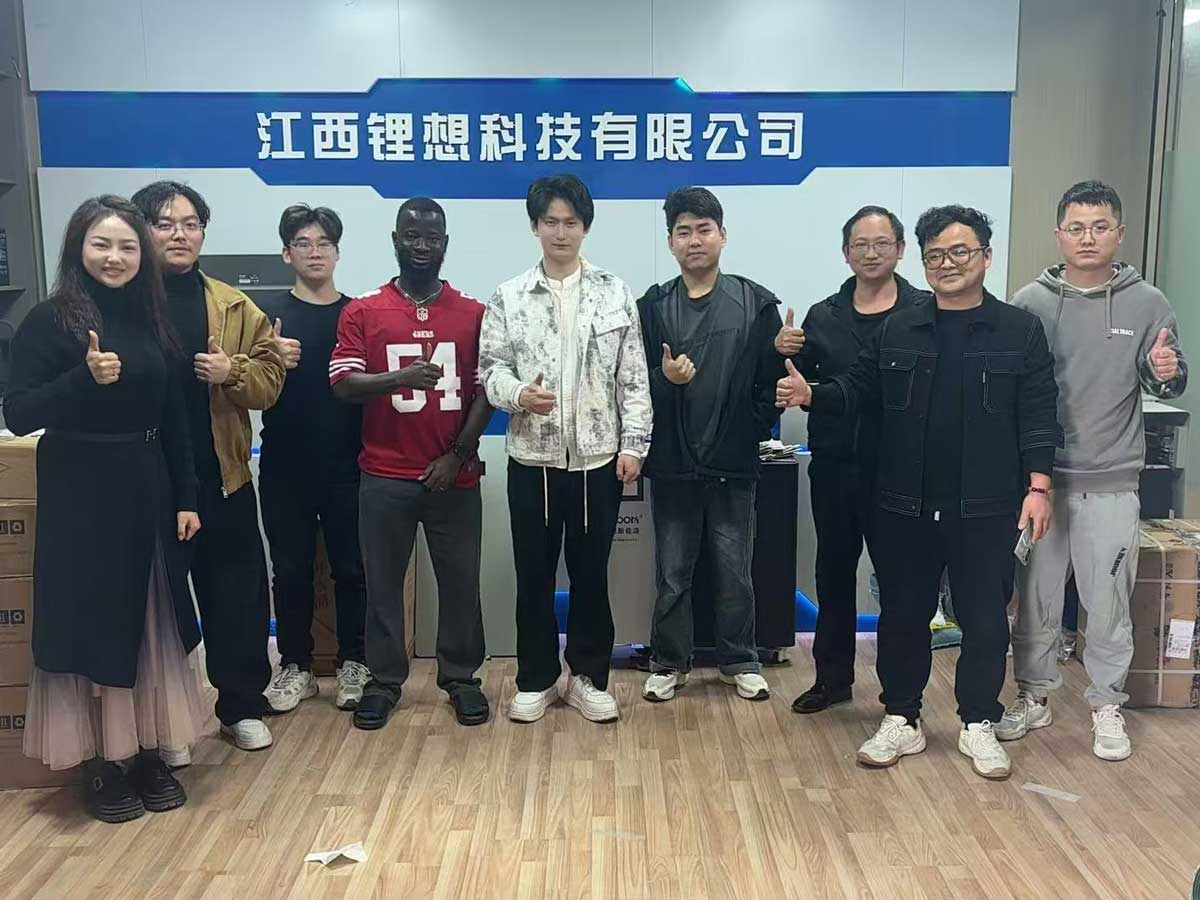
A structural look inside our 7,000 m² factory. We maintain rigorous standards at every stage of the manufacturing workflow.


Understanding where the market is moving over the next 3-5 years is crucial for strategic procurement.
Modern battery storage systems are no longer passive backup units. Intelligent BMS interfaces now enable seamless API connectivity, allowing homeowners to pool their systems into localized VPPs to support grid stabilization and generate passive revenue.
Strict structural regulations, such as UL 9540A testing in North America and CE-EMC in Europe, dictate strict fire safety and electromagnetic compliance. Developing systems that adhere to these protocols simplifies market access.
While standard LFP dominates, cell-to-pack (CTP) structural configurations and high-purity graphite anodes are expanding storage densities, allowing for smaller, lighter wall-mounted units without reducing thermal lifespan.
Analyzing how different regional requirements determine structural configurations for low-voltage systems.
In regions such as Scandinavia and Northern North America, freezing charge cycles risk lithium plating in the cells. Our advanced ODM solutions integrate automatic internal thermal heating strips, warming the cells above 0°C before commencing the charging cycle.
For areas with daily rolling load shedding (such as South Africa or portions of Central Asia), batteries need high charge acceptability to replenish capacity quickly. Our systems support up to 1C charge rates, fully recharging in under 1.2 hours when the grid becomes active.
For high-tariff urban centers (like Germany, Australia, or California), the BMS can be configured for automated peak shaving. By drawing power during low-cost night rates and discharging during peak evening rates, system ROI is accelerated.
A comprehensive inventory of our specialized OEM/ODM options, including wheeled, wall-mounted, EV modules, and stackable structures.
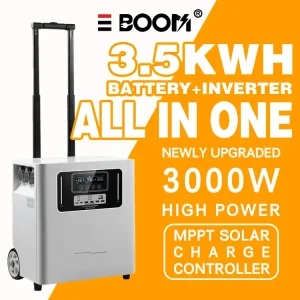
Designed for emergency deployment, robust portable power, and temporary sites.
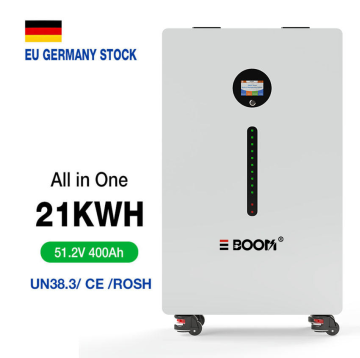
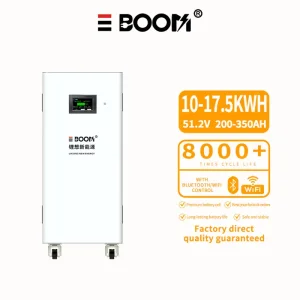
High capacity modular integration featuring heavy-duty rolling castors.
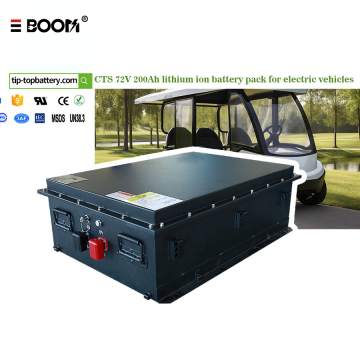
Light electric vehicle traction designs optimizing thermal dissipation.
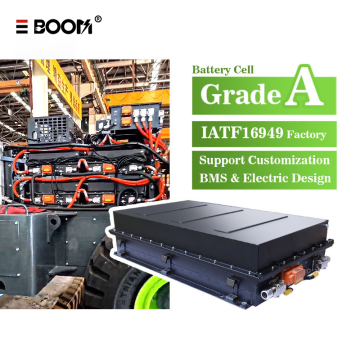
Engineered for heavy-duty electric platforms, mining machinery, and marine craft.
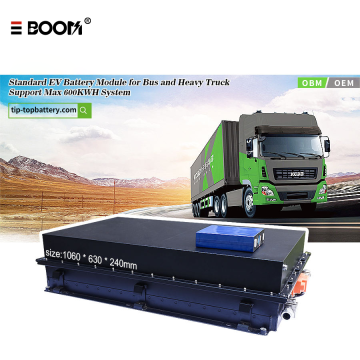
Precision configurations tailored for unique vehicle architectures.
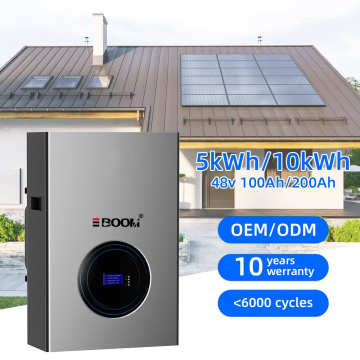
Compact form factor designed for seamless integration in space-saving rooms.
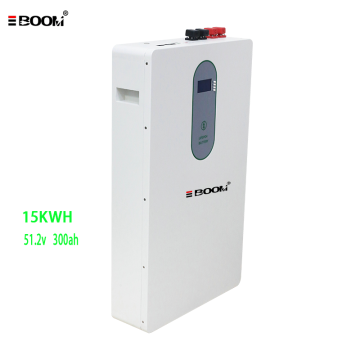
Clean aesthetics, integrated LCD display, and built-in breakers.
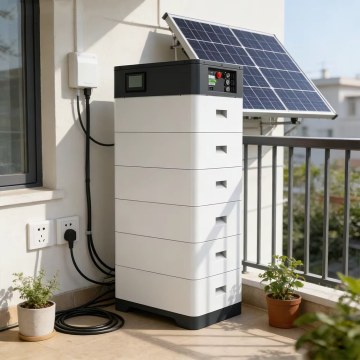
Tool-free modular stacking that scales from 10kWh to 40kWh.
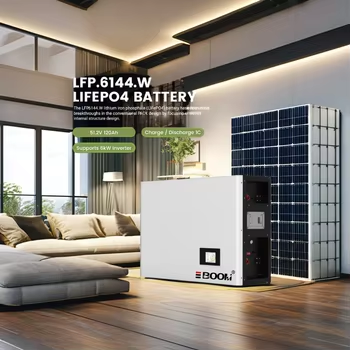
Optimized for off-grid hybrid telecom systems and remote sites.
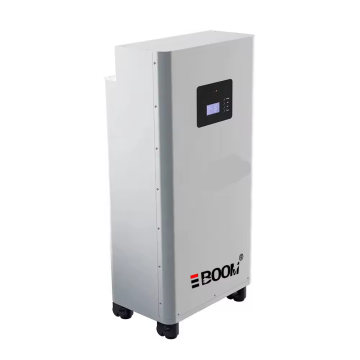
Tailored branding, coloring, and specific BMS protocols.
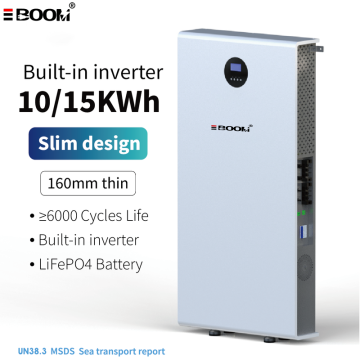
Expert structural consulting and capacity-planning methodologies.
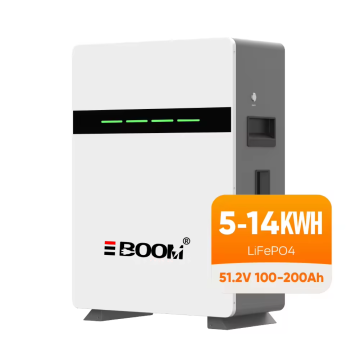
High output current configurations for backup power solutions.
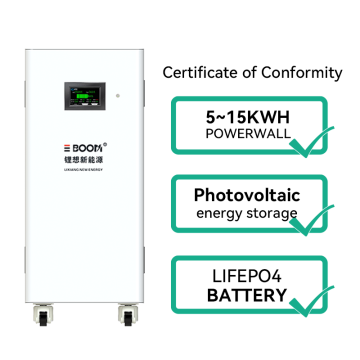
Heavy-duty construction suited for site construction and work sites.
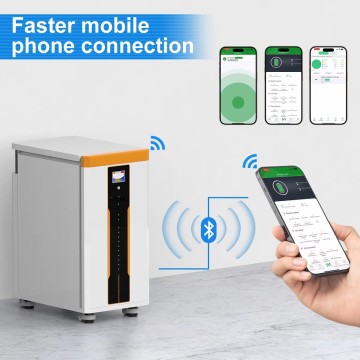
Medium commercial battery systems optimized for heavy loads.
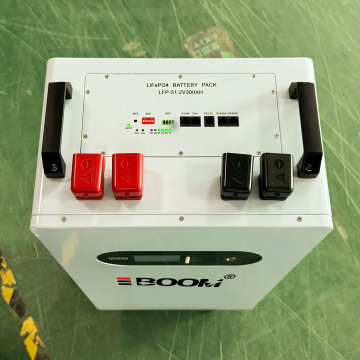
Flexible residential energy storage systems.
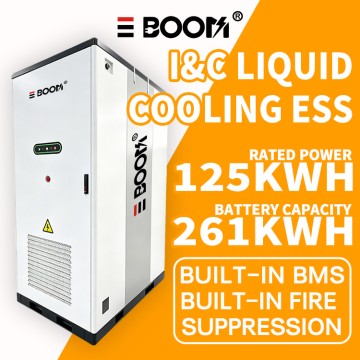
Advanced liquid thermal balancing systems designed for industrial sites.
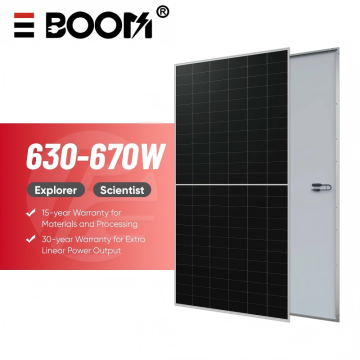
Optimized efficiency module arrays suitable for commercial roof layouts.
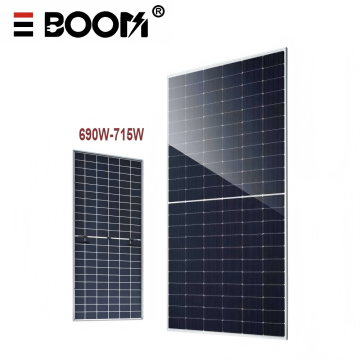
High output arrays with advanced weather-proofing laminates.
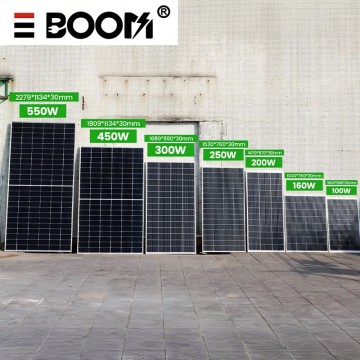
High performance solar arrays for utility scale arrays.
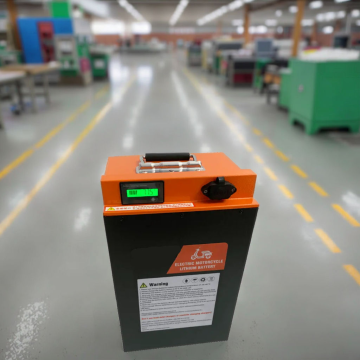
Traction grade power modules customized for electric fleets.
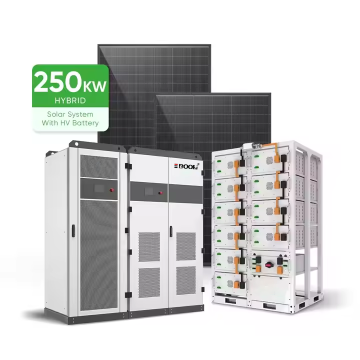
Standard 19-inch rack profiles for clean industrial storage configurations.
Automotive-grade cell construction for residential systems.
Reliable and robust backing systems designed to prevent blackouts.
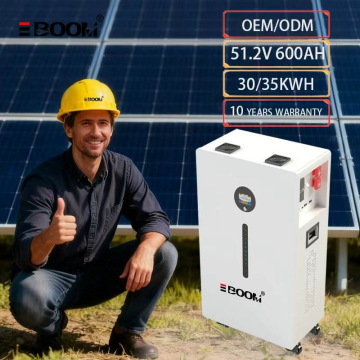
Branded configurations for regional distributorships.
Direct protection against blackouts.
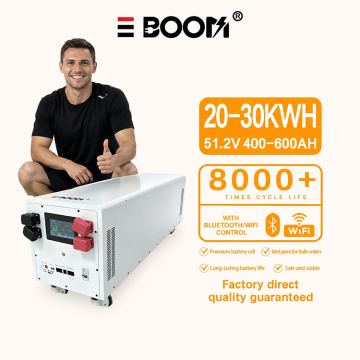
High efficiency power support with heavy-duty tires.
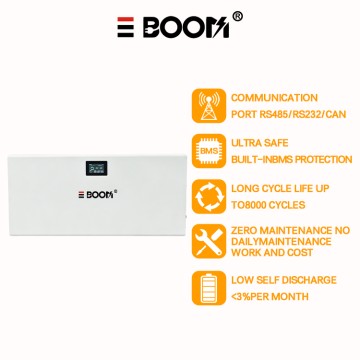
Featuring ultra-slim BYD Blade cells for durability.
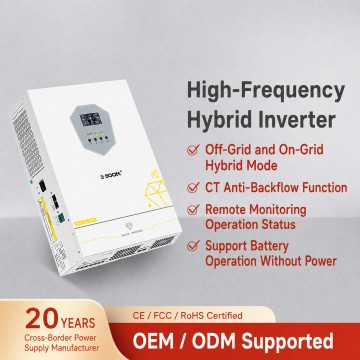
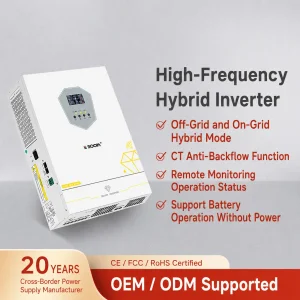
Off-grid and grid-tie integration supporting double current loads.
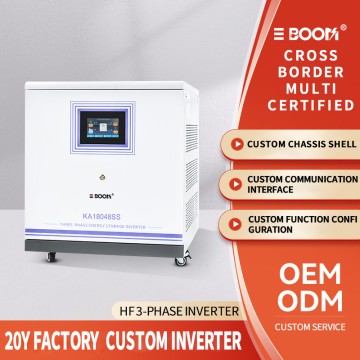
Commercial grade three phase system control.
Real feedback from distributors, commercial buyers, and homeowners worldwide.
"Our fire station’s reliable backup! Powers all our emergency gear, always ready to roll when it counts."
"This battery’s a lifesaver for our home! Lasts forever and keeps everything running smooth as silk."
"Our office’s new best friend! Steady power, no hiccups, and it just won’t quit—total workhorse."
"Our go-to power fix! Tough, easy to handle, and never lets our lights or fridge go dark."
"We’re obsessed! This thing just keeps going—no fuss, no breakdowns, perfect for family life."
"Keeps our biz running when the grid flakes out. Tough, long-lasting, and worth every penny."
"Our little store’s hero! Keeps the coolers cold and lights on, even when the power’s spotty."
"Keeps our home humming! Handles all our gadgets and outages like a champ, way better than we hoped."
"No more customer complaints about outages! This battery handles our busy store like a pro, lasts ages."
"Built for the job site! Takes a beating, powers our tools all day, and doesn’t quit—tough as nails."
Direct technical explanations addressing procurement, physics, chemistry, and installation requirements.
A 48V (51.2V nominal) configuration falls within the Safety Extra Low Voltage (SELV) range (under 60V DC). This classification minimizes arc-flash risks, simplifies safety requirements, and reduces insulation complexity compared to high-voltage systems (100V–400V+). It also allows parallel scalability, meaning you can add modules without having to balance high-voltage series strings.
The difference lies in the series cell count. A nominal 48V pack often refers to a 15S LiFePO4 setup (15 cells * 3.2V = 48V). Modern standards favor a 16S setup (16 cells * 3.2V = 51.2V). This nominal 51.2V configuration aligns better with the input voltage ranges of modern hybrid and off-grid inverters, offering a broader operational window.
We use only Class A automotive-grade lithium-ion cells from Tier-1 manufacturers, including BYD (Blade cells), EVE, and Gotion High-Tech. These cells deliver a cycle life of 8000+ times under typical operating conditions (80% Depth of Discharge, 25°C), which is supported by our 10-year remote warranty.
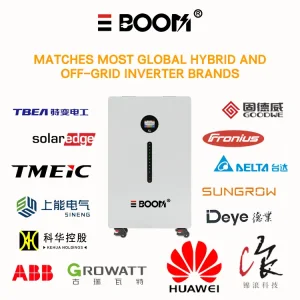
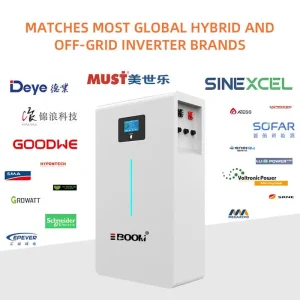
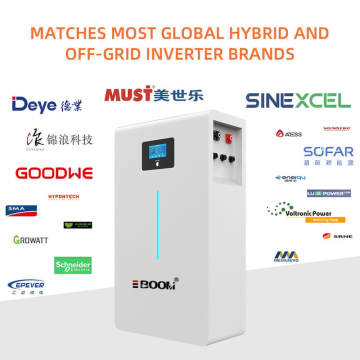
Our smart BMS features native RS485, CANbus, and Modbus RTU communication interfaces. It is pre-programmed to sync with leading inverter brands, including Victron Energy, SMA, Growatt, Deye, Luxpower, and GoodWe, enabling plug-and-play monitoring.
Standard LiFePO4 cells should not be charged below 0°C to prevent lithium plating. For cold-climate installations, our ODM solutions can include integrated heating elements managed by the BMS. When charging current is detected, the BMS uses it to warm the cells above freezing before enabling the charging path.
Our industrial standard configurations engineered for immediate global distribution and utility compatibility.
 Lithium Idea