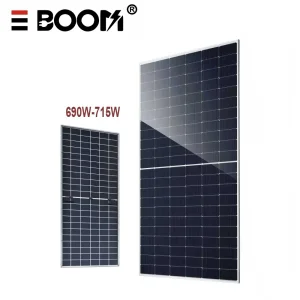
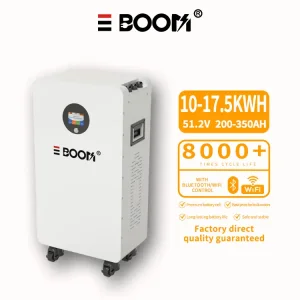
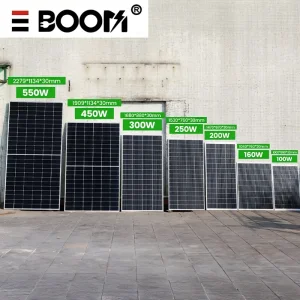
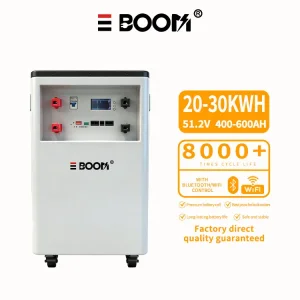
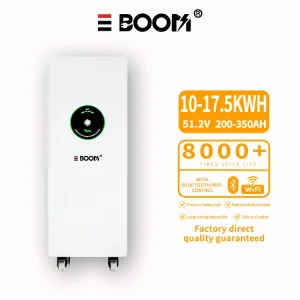
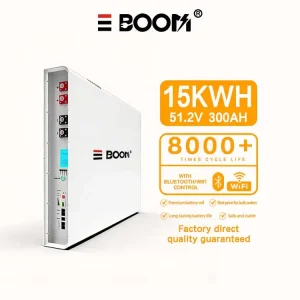
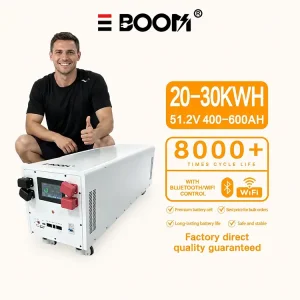
Factory-Direct Monocrystalline Panels, Deep-Cycle LiFePO4 Battery Packs, & Hybrid Power Storage Systems
As the global energy transition accelerates, Lithium Iron Phosphate (LiFePO4) has emerged as the chemistry of choice for stationary energy storage systems (ESS), motive power, and critical industrial applications. Unlike traditional lead-acid or nickel-cobalt-based chemistries, LiFePO4 requires highly specialized charging profiles to guarantee cell balancing, maximize cycle life, and prevent thermal micro-runaways.
To unlock the full potential of these cells—capable of exceeding 8,000 deep discharge cycles—the role of the charger has evolved from a simple power delivery mechanism into an intelligent, data-driven system. High-quality LiFePO4 battery charger manufacturers must operate at the intersection of power electronics, software design, and battery chemistry diagnostics. This comprehensive industry white paper explores the critical technical roadmaps, manufacturing standards, and supply chain efficiencies driving the next generation of LiFePO4 charging systems.
Backed by 20 years of dedicated expertise in the renewable energy industry, we design, engineer, and manufacture top-tier energy solutions for residential, commercial, and industrial markets.
We source only Class A automotive-grade lithium-ion cells from world-renowned brands including EVE, Gotion High-Tech, and BYD, guaranteeing exceptional performance and lifespan.
Every charging device and battery module undergoes comprehensive load testing, automated optical inspection, and extreme thermal testing to satisfy strict global certifications.
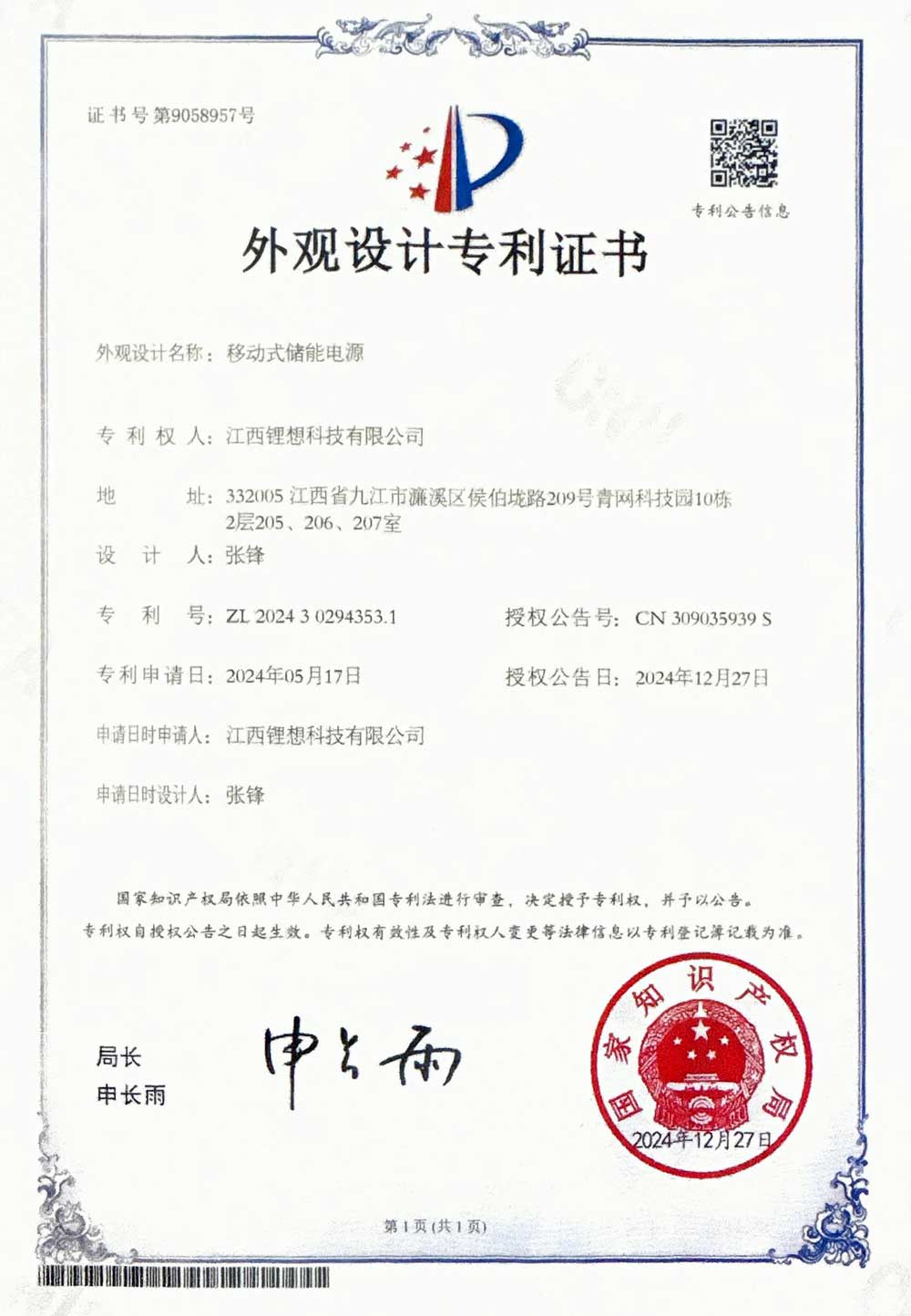
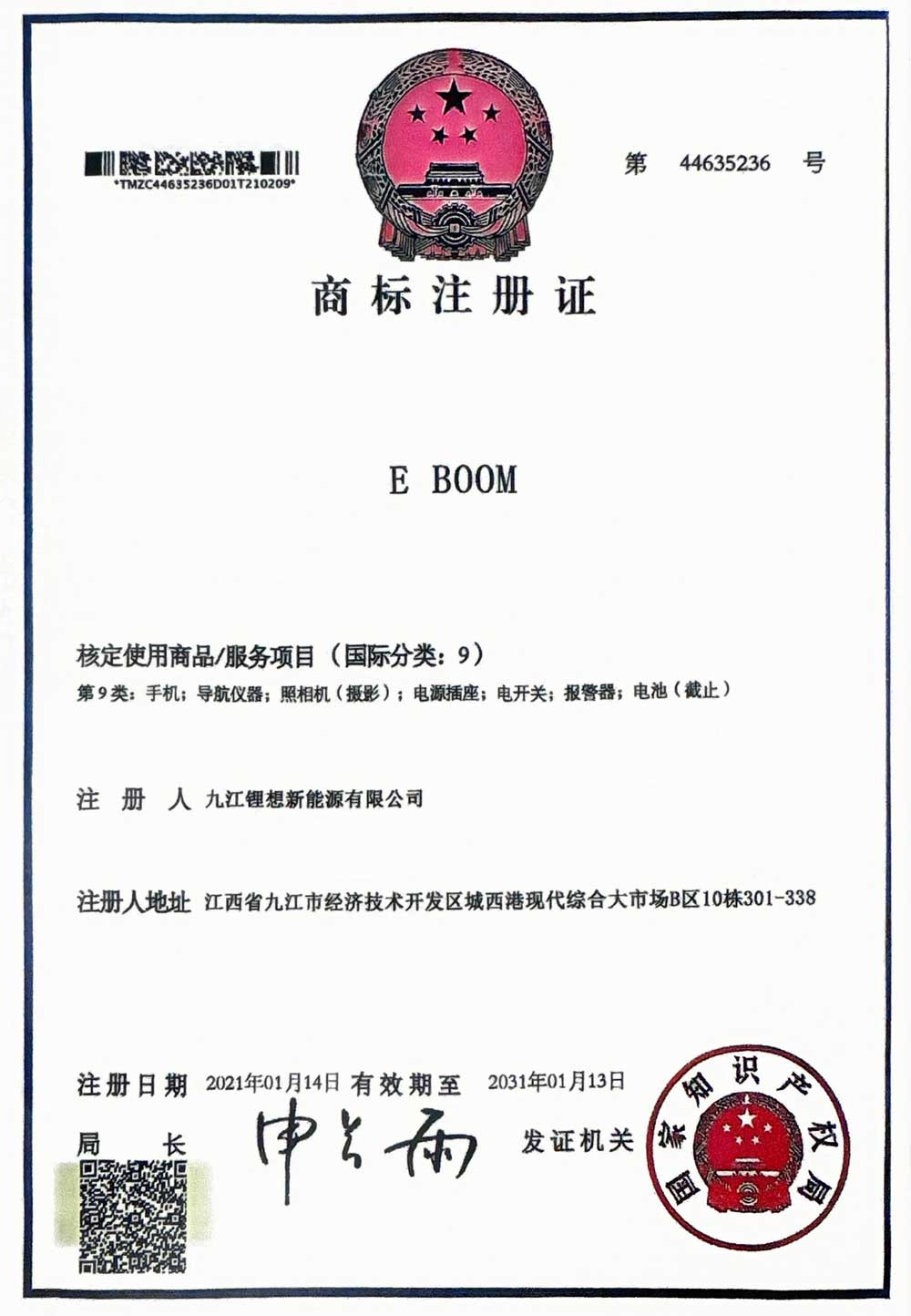
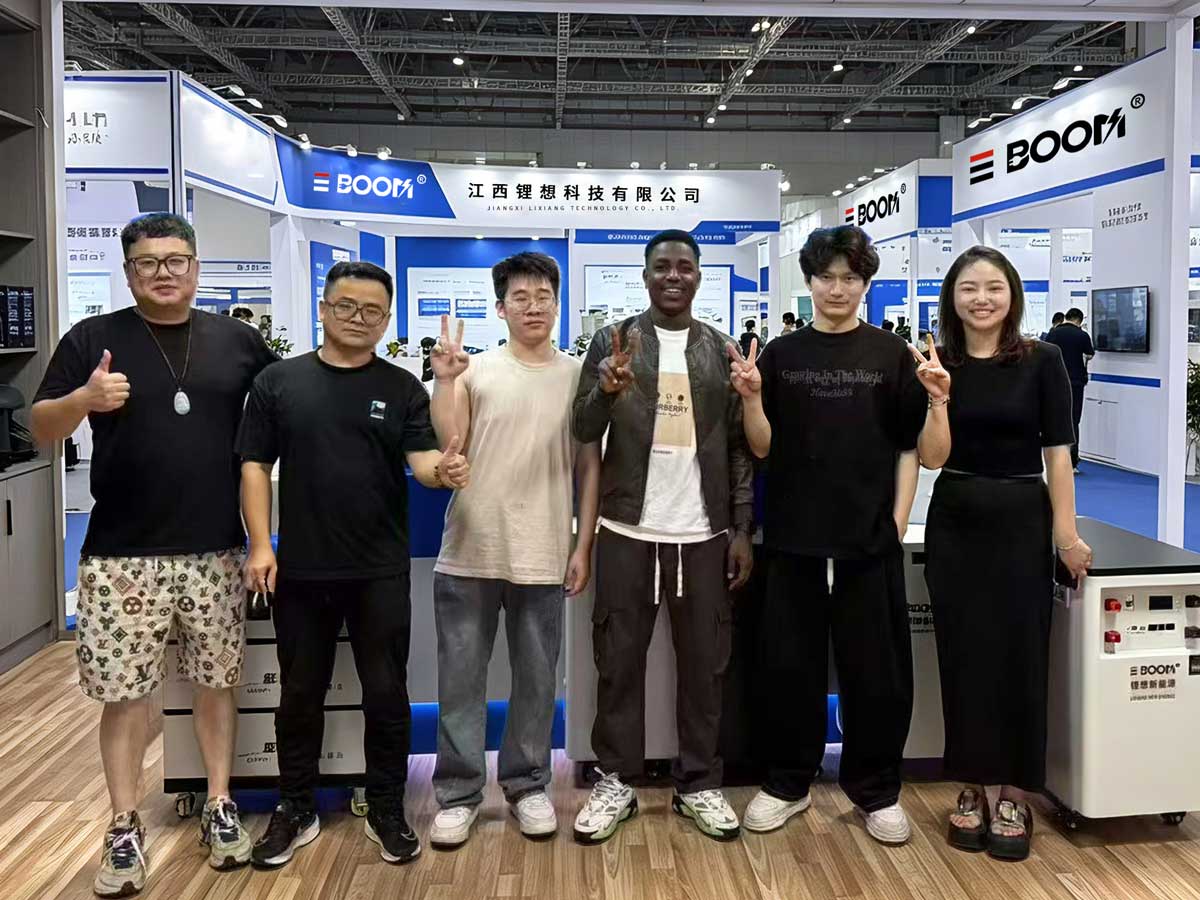
For over two decades, Jiangxi Lithium Idea Technology Co., Ltd. has stood as a globally trusted manufacturer and supplier of integrated energy storage systems, hybrid inverters, solar panels, and specialized charging devices. Our mission is to deliver innovative, high-quality, and affordable renewable energy solutions that make clean energy accessible to everyone.
By integrating advanced manufacturing technology with stringent engineering criteria, we empower residential, commercial, and industrial operators to secure energy independence and drastically reduce their environmental impact. Our 7,000+ square meter factory operates automated SMT, module assembly, and comprehensive aging lines that serve partners across more than 100 countries.

As requirements for battery systems become more stringent, charging technology is undergoing a paradigm shift towards higher efficiency, intelligent thermal control, and bidirectional capability.
Transitioning from traditional silicon MOSFETs to Gallium Nitride (GaN) and Silicon Carbide (SiC) semiconductors allows chargers to operate at higher switching frequencies. This directly reduces volumetric footprint by up to 45% while driving power conversion efficiency past 98%.
Modern chargers communicate dynamically with the internal Battery Management System via CAN bus, RS485, or Modbus. Real-time diagnostic parameters like Internal Resistance (IR), State of Health (SOH), and cell temperature curves allow the charger to modulate current dynamically, preventing dendrite formation.
Future charging topologies integrate vehicle-to-grid (V2G) and vehicle-to-home (V2H) structures. This converts LiFePO4 batteries in electric vehicles, off-grid equipment, and recreational vehicles into virtual power plants, releasing energy back into the microgrid during peak cost hours.
High-efficiency charging technologies must adapt to diverse commercial environments. From telecommunication towers to marine transport, our systems ensure maximum power integration, minimal thermal loss, and continuous uptime.
Supporting high-capacity modular charging racks ranging from 100kWh to 1000kWh. Features multi-cabinet synchronization, intelligent load shedding, and phase correction for optimal grid stability.
Custom-tuned battery charging units for electric golf carts, AGVs (Automated Guided Vehicles), forklifts, and standard electric vehicles, assuring safe and rapid replenishment under extreme industrial usage.
Constant-voltage backup charging stations integrated with dynamic temperature compensation. Designed for remote off-grid telecom stations subject to significant environmental swings.
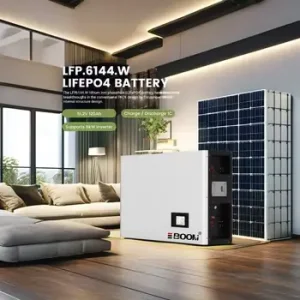
Smart home charger integrations compatible with home energy storage systems (5kWh to 30kWh) and monocrystalline solar arrays, enabling optimized zero-export or grid-export functionalities.
Operating a smart digital factory allows Jiangxi Lithium Idea Technology to achieve unparalleled price-to-performance efficiency without compromising product reliability. Our production workflow utilizes automated SMT assembly for charging controller boards, advanced optical inspection (AOI) machines, and intelligent welding stations.
By maintaining tight strategic partnerships with battery raw material suppliers and key tier-1 semiconductor foundries, we minimize lead times and insulate our procurement processes from global market volatility.
B2B enterprises must address complex, region-specific standards. Our chargers are engineered and certified to comply with strict international regulatory and electrical safety protocols.
All charging infrastructure meets UL 1564, UL 1973, CE (EN 62368, EN 55032), FCC Part 15, RoHS, KC, and PSE compliance standards, ensuring seamless importation and regional grid connectivity.
We provide global Field Application Engineering (FAE) support, offering localized hardware diagnostics, firmware calibration, and spare parts supply networks across North America, Europe, and the Middle East.
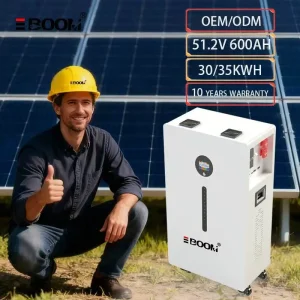
Our commitment extends beyond delivery. We offer a 10-year remote technical diagnostic warranty, facilitating over-the-air (OTA) updates and customized charging profiles as your batteries age.
For commercial procurers, utility companies, and high-volume battery pack assemblers, selecting the right charger manufacturer requires verifying strict performance parameters. When reviewing bids, engineering procurement managers (EPCs) should prioritize the following performance data points:
Does the charger support high-precision Constant Current (CC) / Constant Voltage (CV) transitions with a cut-off current limit under 0.02C? Standard lead-acid profiles will damage the LiFePO4 chemistry.
Ensure the hardware incorporates OVP (Over Voltage), OCP (Over Current), SCP (Short Circuit), OTP (Over Temperature), and Reverse Polarity physical protection circuits.
Look for IP65/IP67 ingress ratings for wet or dusty installations. Evaluate active forced-air cooling vs. fanless convection designs to reduce maintenance costs.
Ensure the factory supports OEM custom charging profiles for specialized cell types (like high-drain vs. long-life deep-cycle designs) and allows field upgrades.
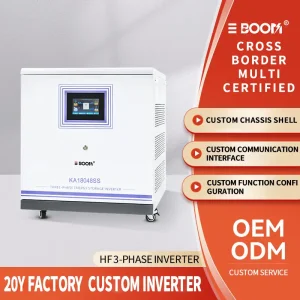
*Jiangxi Lithium Idea Technology offers tailor-made design support (both mechanical casing layout and proprietary software curves) to accommodate unique battery assemblies.
Answering critical questions on charging algorithms, chemical safety, compatibility, and grid integration.
Factory-Direct Access to High-Capacity LiFePO4 Packs & Inverter Infrastructure
 Lithium Idea