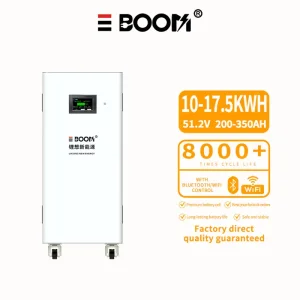
Explore our showcase of standard-setting wall-mounted, wheeled, and expandable lithium iron phosphate configurations engineered for global distribution.
Powering a Sustainable Future, One Energy Solution at a Time
With over 20 years of dedicated expertise in the renewable energy sector, Jiangxi Lithium Idea Technology Co., Ltd. stands as a globally trusted manufacturer and supplier of integrated energy storage systems, hybrid inverters, and high-efficiency solar modules.
Our mission has remained unchanged: to deliver innovative, high-quality, and affordable clean energy technologies that allow households and businesses alike to achieve energy autonomy. By employing Class A automotive-grade LFP cells from premier suppliers (including EVE, Gotion High-Tech, and BYD), we design residential configurations such as our core 5kWh battery pack to provide 8000+ deep cycles and an industry-leading 10-year warranty roadmap.
In the landscape of residential energy management, the 5kWh capacity point has established itself as the strategic baseline for single-family homes globally. Why has 5kWh emerged as the universal standard for home battery backup systems? The answer lies in the balance of load profiles, cost structures, and physical sizing.
For most modern households, a 5kWh battery system combined with a 5.12V low-voltage or high-voltage architecture matches the baseline electricity consumption during peak hours (typically 5:00 PM to 10:00 PM). By deploying a 5kWh unit, homeowners can store excess solar power generated during the day and discharge it during peak tariff windows, achieving optimized peak shaving. This drastically reduces utility bills and limits reliance on carbon-intensive grid infrastructure.
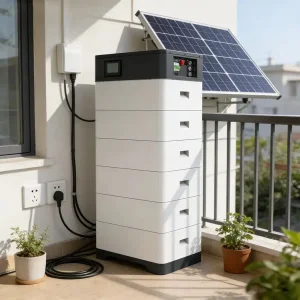
Additionally, modern LFP chemistry ensures that 5kWh systems are highly compact and suitable for space-constrained indoor or outdoor installations. Whether wall-mounted or stacked, the 5kWh configuration serves as the foundational module. System designers can easily link units in parallel to scale from 5kWh to 10kWh, 15kWh, or 20kWh as household demands increase.
The global energy crisis, coupled with aggressive net-zero grid regulations, has driven commercial, industrial, and residential users toward decentralized generation models. Under this model, residential batteries are no longer isolated energy storage units; they are nodes within a larger, interconnected smart energy web.
In regions with advanced grid infrastructure like Western Europe, North America, and Australia, local grid operators are leveraging residential energy storage systems to form Virtual Power Plants (VPPs). When thousands of 5kWh residential units are networked via cloud-based energy management systems (EMS), they act as a single utility-scale battery. This aggregated capacity can support grid stabilization, inject power during peak blackouts, and provide frequency regulation services.
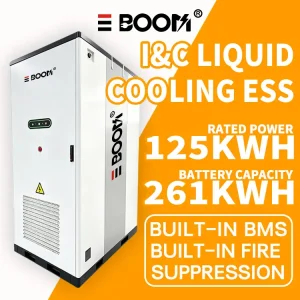
This residential model mirrors commercial and industrial (C&I) installations. On a larger scale, our factory designs advanced 125kW/261kWh liquid-cooled C&I systems that rely on the same fundamental battery management principles. By coordinating residential storage nodes with local commercial grids, microgrids are created. These microgrids guarantee energy security for local businesses and communities during severe weather and grid disruptions.
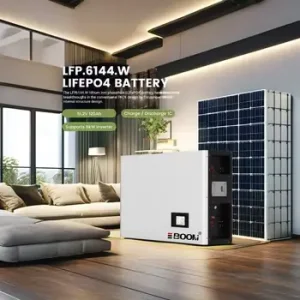
Beyond our core 5kWh home storage batteries, our factories specialize in manufacturing high-efficiency solar panels, hybrid off-grid/on-grid inverters, and rolling mobile power banks for diverse applications.
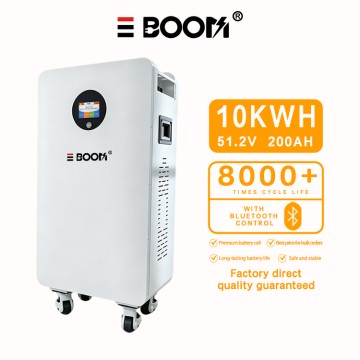
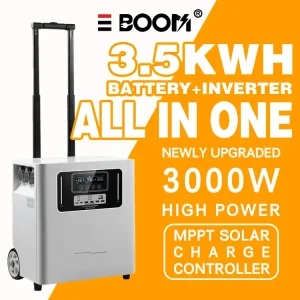
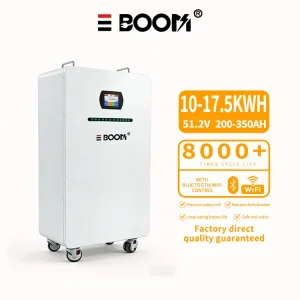
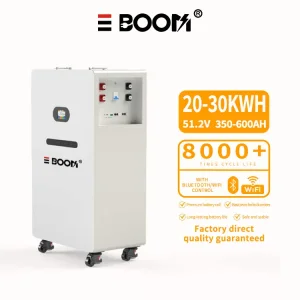
Perfect for mobile power needs, emergency response, and off-grid job sites. This wheeled system stores solar energy to shield against sudden grid blackouts.
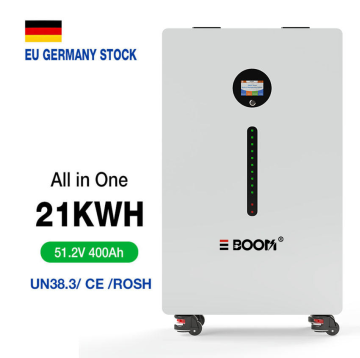
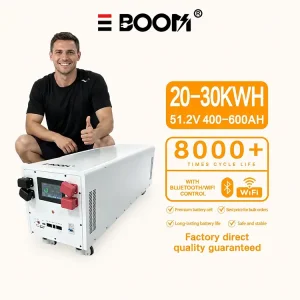
A heavy-duty backup unit featuring high capacity, quick deployment, and dynamic thermal management for critical loads in home or commercial structures.
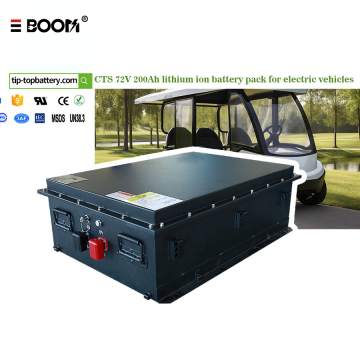
Bespoke battery packs engineered to withstand vibration, shocks, and high discharge rates, lowering fuel costs for light mobility fleets.
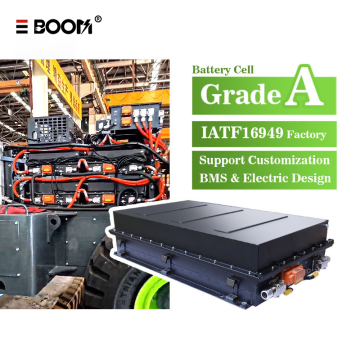
Custom industrial module for commercial vehicles, agricultural machinery, and marine vessels requiring high energy density and rigid sealing.
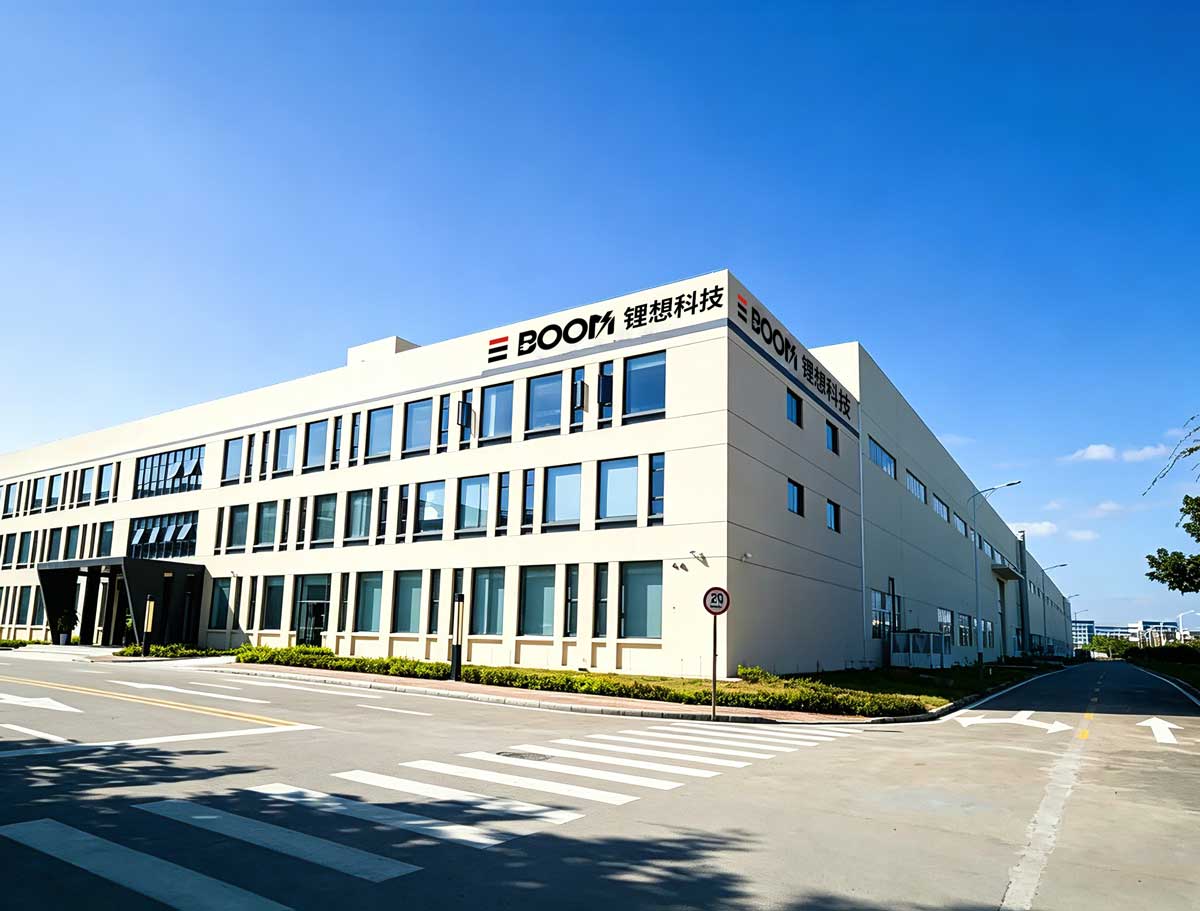
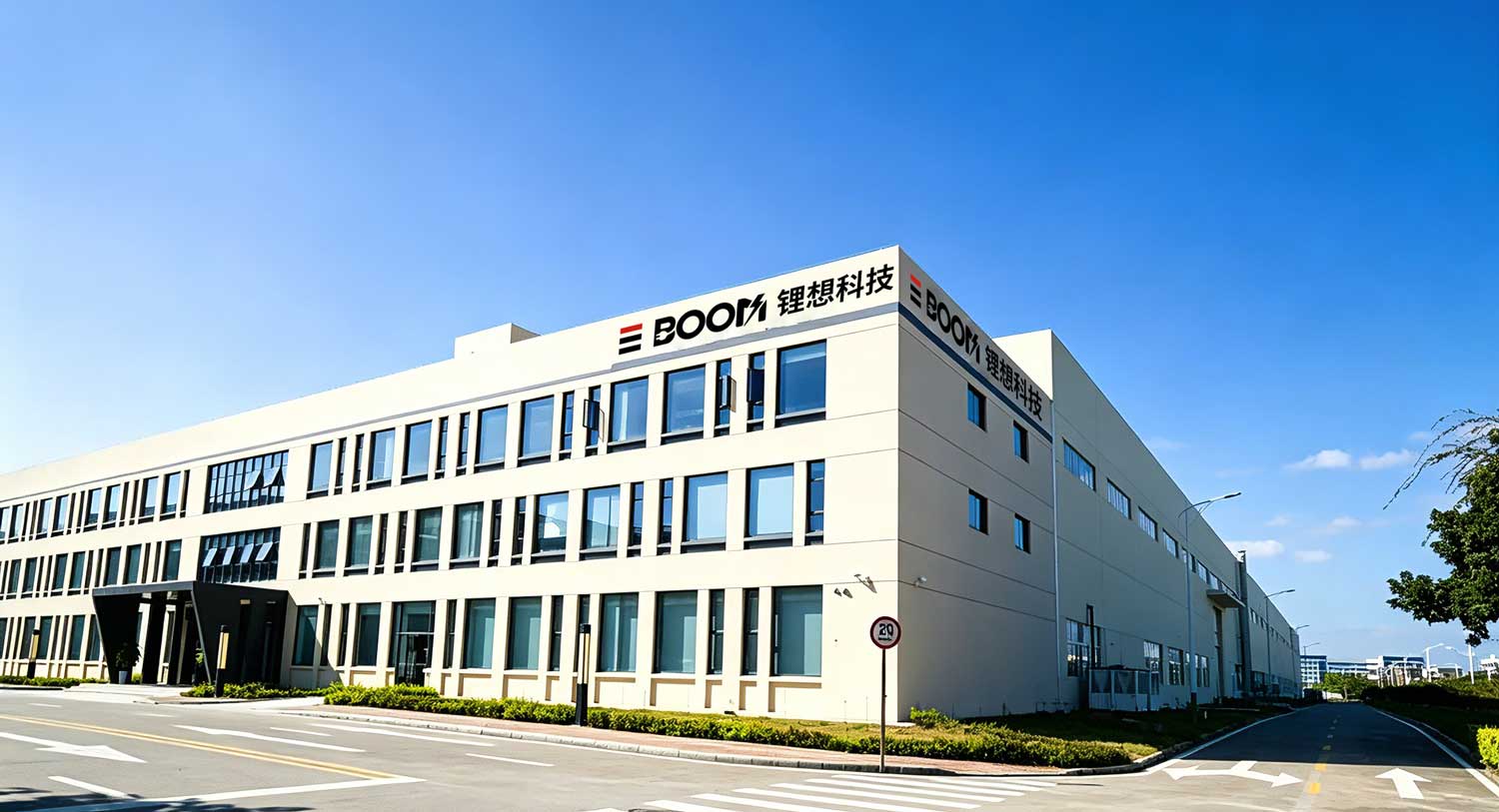
A glimpse inside our 7,000 square meter ISO-certified factory, housing state-of-the-art testing stations and automated cell assembly structures.
For an energy storage system to operate safely and effectively for over a decade, its internal components must meet the highest engineering standards. At Jiangxi Lithium Idea Technology, our manufacturing philosophy is rooted in the E-E-A-T framework, ensuring that only premium materials are integrated into our systems.
Our residential battery packs utilize Lithium Iron Phosphate (LiFePO4) chemistry instead of Nickel Cobalt Manganese (NCM). LFP offers superior thermal stability, resisting thermal runaway up to 270°C. Additionally, LFP boasts a significantly longer cycle life. While typical NCM batteries degrade after 1,500 to 2,000 cycles, our Grade-A LFP cells (sourced from leading Tier-1 manufacturers like EVE, Gotion, and BYD) achieve over 8,000 cycles at 80% Depth of Discharge (DoD). This matches our 10-year warranty roadmap, providing reliable daily storage for decades.
The Battery Management System (BMS) acts as the brain of our home battery systems. Our proprietary BMS continuously monitors cell voltages, currents, and temperatures. It prevents over-charging, over-discharging, short circuits, and thermal imbalances. Advanced communication capabilities (including CAN, RS485, and integrated Bluetooth/WiFi) allow installers and homeowners to monitor state-of-charge (SoC) and cell health via mobile apps or desktop dashboards.
Efficient heat dissipation is crucial for battery longevity. For standard 5kWh residential batteries, our air-cooled designs feature passive thermal dissipators and aluminum structural casings. For larger scale commercial & industrial systems, we implement liquid-cooling systems. Liquid cooling regulates temperature variations within ±2°C, ensuring uniform cell degradation and reducing thermal stress in high-temperature environments.
Global deployment requires flexible engineering tailored to diverse local requirements. Our systems are optimized to perform in varying residential contexts around the world:
In the United States and Canada, typical residential grid setups require split-phase 120V/240V power. Our 5kWh systems integrate seamlessly with split-phase hybrid inverters. This design supports essential backup circuits, powering critical loads like water pumps, refrigerators, and lighting systems during weather-driven blackouts.
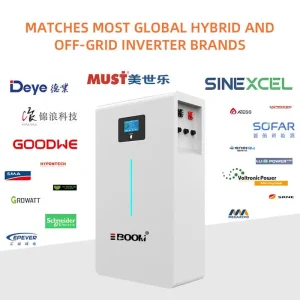
European households frequently utilize three-phase grid systems. Our stackable battery systems allow users to easily expand capacity. Modules stack vertically, offering tool-free wiring and quick installation. The integrated high-voltage BMS coordinates with leading European inverter brands to maximize solar self-consumption.
In areas facing grid instability, wall-mounting a battery may not be ideal. Our portable wheeled trolley systems (3.5kWh to 5.5kWh configurations) offer mobile power security. Users can easily move these units between rooms or roll them outdoors to charge via solar arrays.
Read testimonials from our global distribution partners and commercial clients who trust Lithium Idea storage systems.
"Our fire station's reliable backup! Powers all our emergency gear, always ready to roll when it counts."
"This battery's a lifesaver for our home! Lasts forever and keeps everything running smooth as silk."
"Our office's new best friend! Steady power, no hiccups, and it just won't quit—total workhorse."
"Keeps our biz running when the grid flakes out. Tough, long-lasting, and worth every penny."
Exporting lithium-based storage systems demands strict adherence to international safety standards. A home energy storage system is a multi-decade investment, and safety remains our priority.
Our manufacturing facility follows ISO 9001 and ISO 14001 guidelines. Our standard 5kWh batteries hold certifications for key global markets:
We believe that high-quality manufacturing must be backed by reliable local service. To support our global distributors, Lithium Idea has established local warehouses and customer service networks across North America, the EU, and Australia. Our 10-year remote warranty provides troubleshooting support, firmware updates, and replacement components to ensure stable operation for decades.
As battery technologies evolve, Lithium Idea is positioning its R&D teams to implement next-generation energy storage solutions:
A. Transition to Solid-State Batteries: Solid-state cells offer higher energy densities and eliminate flammable liquid electrolytes. Our research team is developing a prototype solid-state residential battery, targeting release by late 2028.
B. AI-Driven Energy Management Systems (EMS): Future EMS software will use machine learning to analyze household consumption habits and weather forecasts. By predicting solar output and adjusting charge cycles, the system optimizes battery use to maximize savings.
C. Bidirectional V2G Integration: Our upcoming home energy storage systems will support Vehicle-to-Home (V2H) and Vehicle-to-Grid (V2G) protocols. This allows homeowners to coordinate their home storage systems with electric vehicle batteries, creating a flexible residential energy hub.
Our engineers and service reps regularly showcase our advanced energy storage systems at clean energy exhibitions worldwide.
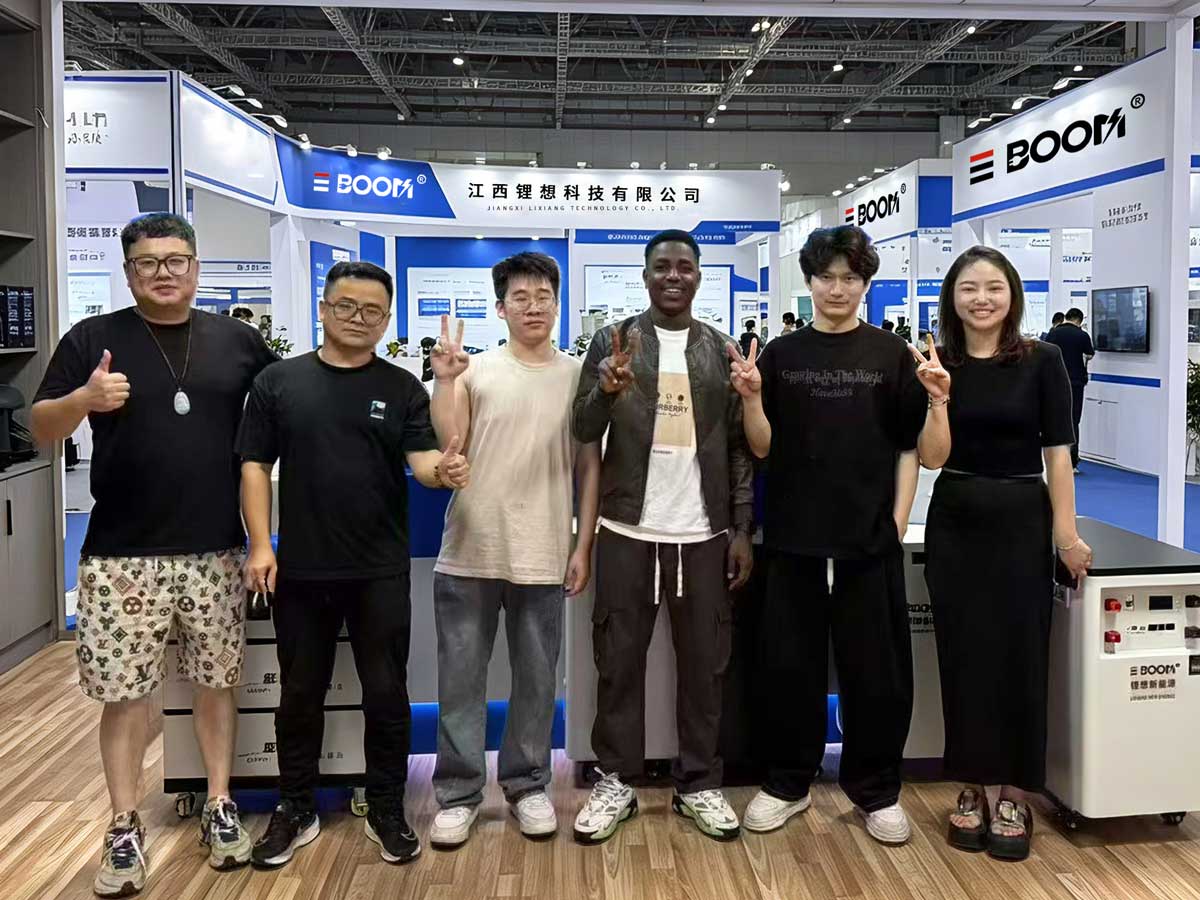
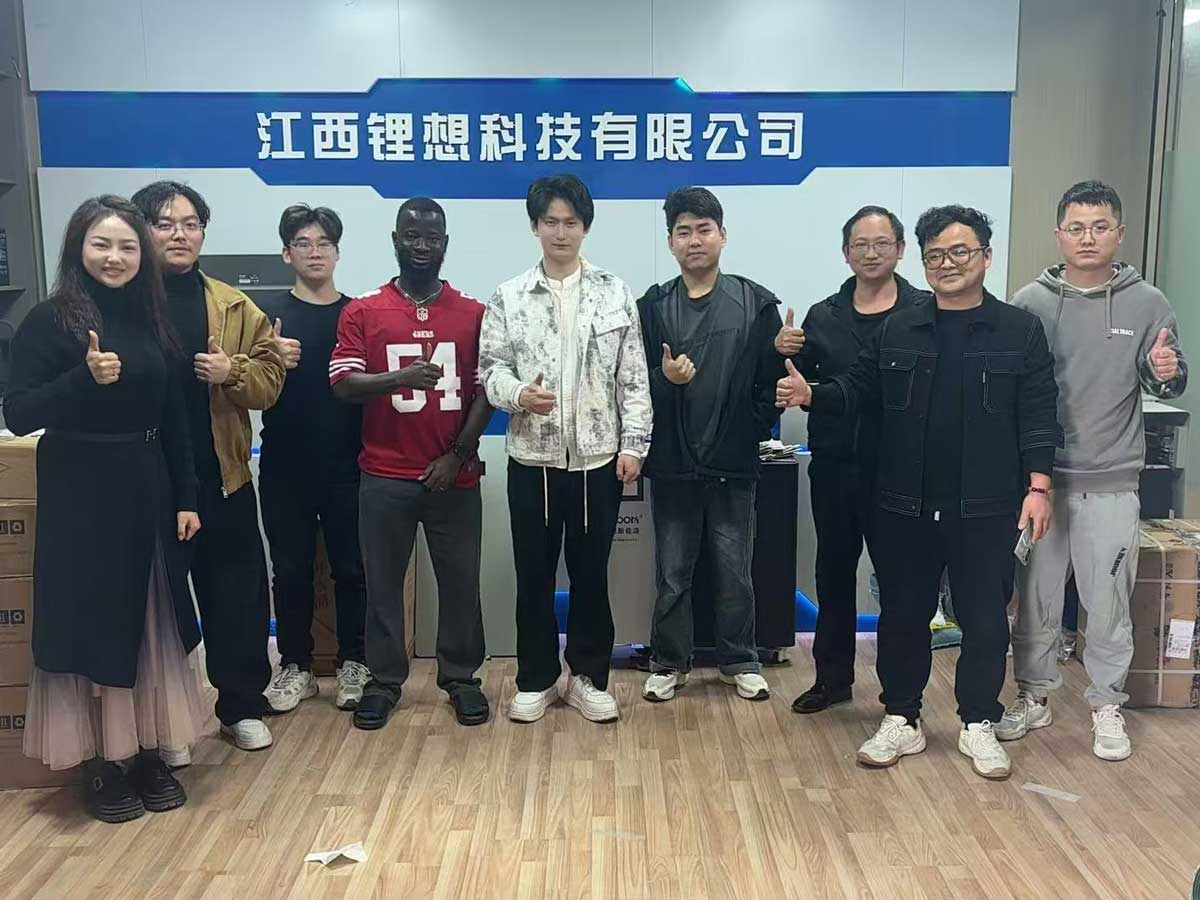

Get answers to common technical, shipping, and installation questions regarding our 5kWh battery systems.
A 5kWh battery can run essential home systems (such as a refrigerator, LED lighting, Wi-Fi routers, and charging devices) for 8 to 12 hours during an outage. If you run high-draw appliances like central air conditioning or electric ovens, a 5kWh battery will deplete much faster, typically within 1 to 2 hours. We recommend prioritizing critical loads in your backup panel.
LiFePO4 batteries offer excellent longevity. Our Grade-A cells are rated for over 8,000 charge cycles at 80% Depth of Discharge (DoD) before capacity drops to 80% of its original rating. In typical residential setups with one full cycle per day, the battery will last over 15 years.
Low-voltage (48V/51.2V) configurations are highly popular for residential systems because they are easier to scale in parallel, simple to install, and offer inherent safety advantages. High-voltage setups (typically 200V to 400V) offer slightly higher conversion efficiencies and are better suited for large three-phase commercial systems or high-power solar arrays.
Yes. Our wall-mounted and stackable batteries support parallel connection. You can add up to 15 additional battery packs to scale your storage from 5kWh up to 80kWh. To ensure balanced performance, we recommend adding extra modules within the first two years of the original installation.
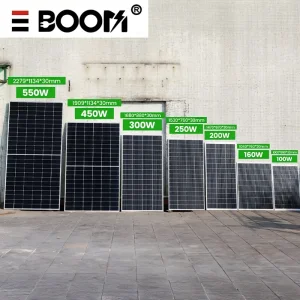
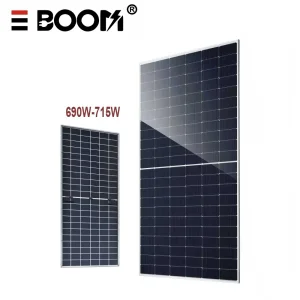
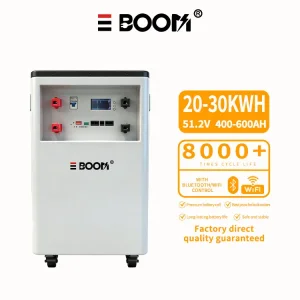
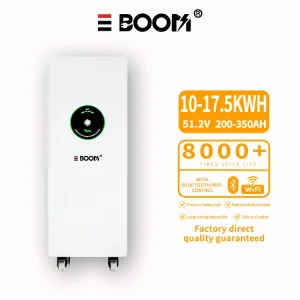
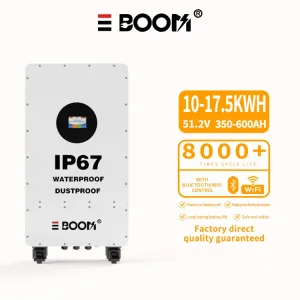
Explore our high-power monocrystalline solar modules and high-capacity industrial LFP batteries, providing complete grid-tied and off-grid solutions.
 Lithium Idea