Explore our high-performance power portfolio, meticulously engineered with premium components to meet absolute commercial standards.
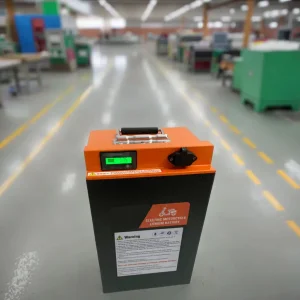
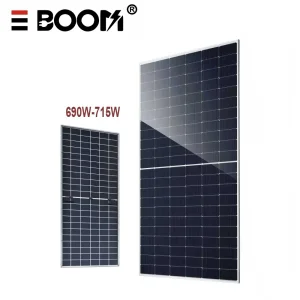
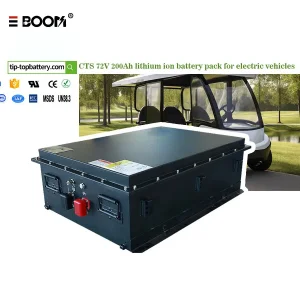
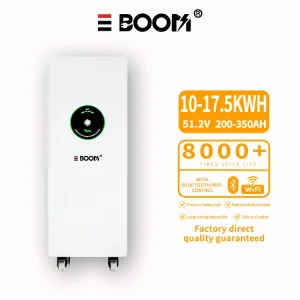
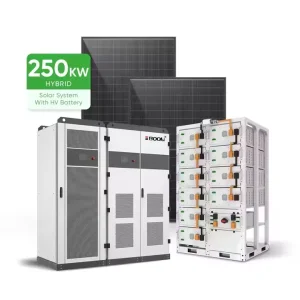
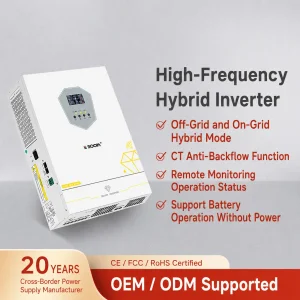
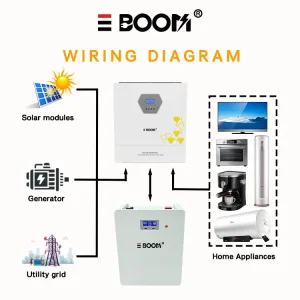
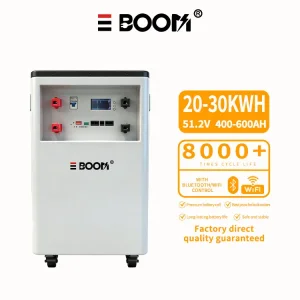
Powering a Sustainable Future, One Energy Solution at a Time.
With 20 years of dedicated expertise in the renewable energy industry, Jiangxi Lithium Idea Technology Co., Ltd. stands as a globally trusted manufacturer and supplier of integrated energy storage systems, inverters, and solar panels. For over two decades, we have specialized in designing, engineering, and producing high-performance energy solutions that empower residential, commercial, and industrial users worldwide to achieve energy independence, reduce carbon footprints, and secure reliable power supply.
Backed by a team of seasoned engineers and a state-of-the-art production facility, we bring unparalleled experience in energy storage system assembly and manufacturing, ensuring every product meets the highest global standards of safety, efficiency, and durability.
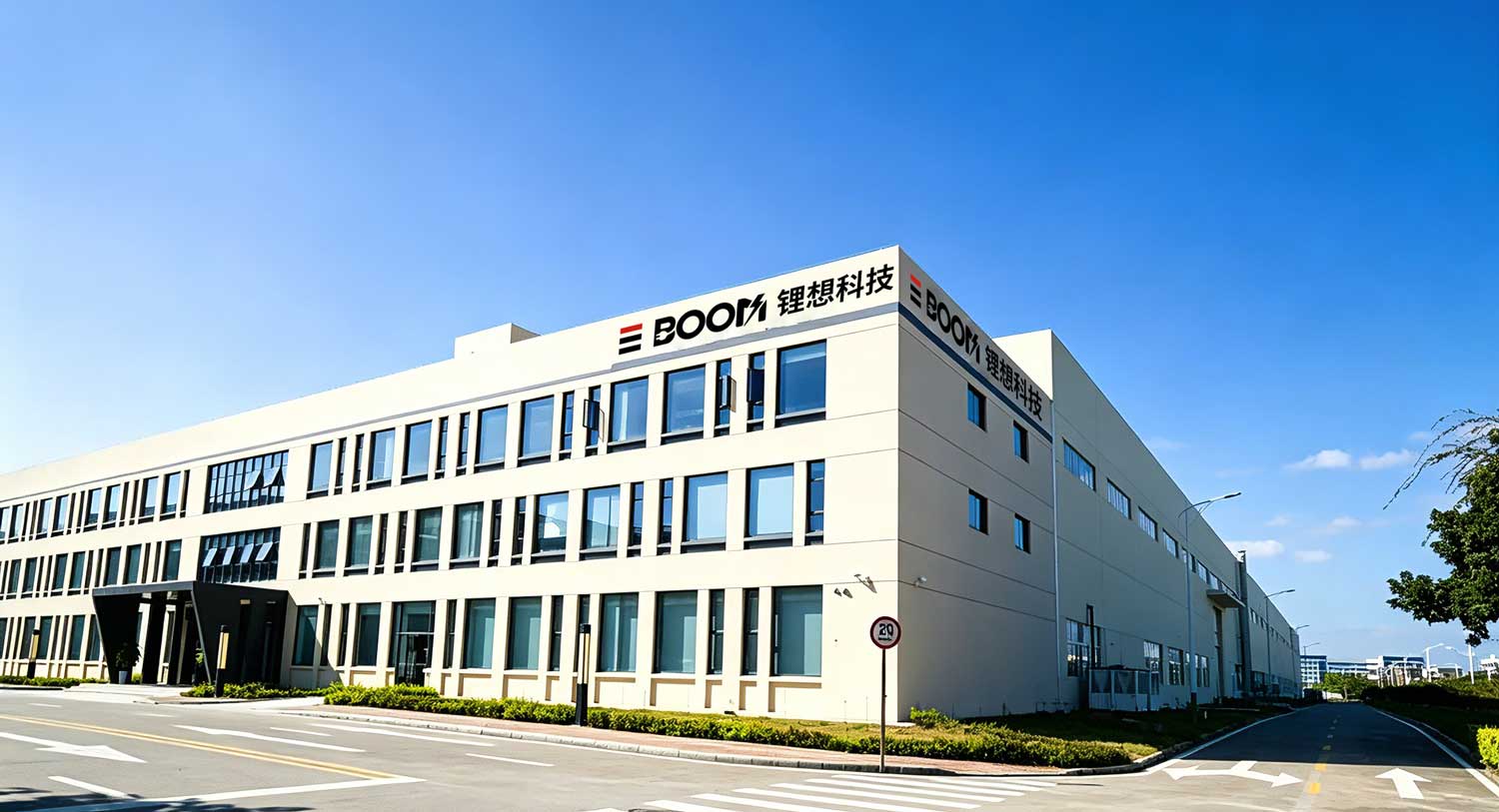
Delivering high-efficiency engineering setups and turnkey energy system assemblies worldwide.
An Industrial Whitepaper on 100Ah 12V, 24V, and 48V Battery Systems: Technical Architectures, Global Deployment, Compliance Safeguards, and Future Technology Trends.
The modern global landscape is transitioning away from conventional lead-acid solutions toward high-energy-density LiFePO4 (Lithium Iron Phosphate) technologies. Across industrial, commercial, and utility sectors, the demand for stable, decentralized energy systems has placed the 100Ah lithium battery cell architecture at the focal point of storage engineering. This specific capacity—whether configured in 12V, 24V, or 48V arrays—offers the ultimate sweet spot between volumetric energy density, weight, and modular scalability.
By leveraging automotive-grade cells from tier-1 manufacturers such as EVE, Gotion High-Tech, and BYD, modern systems ensure unparalleled safety levels, preventing thermal runaway and maximizing round-trip efficiency (RTE) to over 95%. This efficiency minimizes energy degradation during the daily charge-discharge cycles required by smart grids and solar off-grid infrastructures globally.
"The transition to high-capacity LiFePO4 is not just an upgrade in battery chemistry; it is a critical shift in the Levelized Cost of Storage (LCOS), enabling companies to reduce lifetime power storage expenses by up to 60% compared to traditional lead-acid configurations."
Understanding which nominal voltage matches specific load profiles is critical for project managers, engineers, and distributors. A 100Ah battery system stores different amounts of total energy (measured in Watt-hours) depending on its nominal voltage:
| Voltage Configuration | Capacity (Ah) | Energy Storage (Wh / kWh) | Typical Industrial & Commercial Applications | Key Architectural Advantages |
|---|---|---|---|---|
| 12V System | 100Ah | 1,200 Wh (1.2 kWh) | Marine, RVs, emergency backup lighting, mobility scooters, remote sensor grids. | Highly compatible with standard 12V DC accessories, simple plug-and-play setup. |
| 24V System | 100Ah | 2,400 Wh (2.4 kWh) | Industrial Automated Guided Vehicles (AGVs), small solar setups, marine trolling motors. | Reduced cabling cross-section requirements by 50% compared to 12V, lower thermal losses. |
| 48V System | 100Ah | 4,800 Wh (4.8 kWh) | Telecom base stations, residential solar ESS, server-room UPS, grid-tie microgrids. | Minimized line loss, highest inverter conversion efficiency, scalable to high voltages. |
In highly regulated markets across Europe, North America, and Australia, battery deployment requires compliance with strict safety standards to guarantee both performance and insurance protection. Jiangxi Lithium Idea Technology ensures that all exported systems comply with the following standards:
Furthermore, our regional support network ensures that distributors in the United States, Germany, the United Kingdom, and Australia receive localization assistance, including custom casing configurations, localized communication protocols (CANbus, RS485, Modbus), and on-demand field-engineering advice.
As a leading 100Ah battery manufacturer, our R&D roadmap focuses on three major advancements:
Smart BMS Integrated with AI: Real-time algorithms to predict cell degradation profiles and perform active cell balancing. This technology monitors individual cell state-of-health (SOH) and state-of-charge (SOC) down to the millivolt level, extending total cycle life past the standard 8000 iterations.
Sub-Zero Thermal Management: Integrating internal self-heating element systems. When charging current is detected in extreme climates, the battery directs power to internal heating plates first, warming cells to safe charging zones and preventing lithium plating.
Next-Generation Solid-State Evolution: Investing in research to transition from liquid-electrolyte LFP cells to semi-solid state architectures, which will increase volumetric energy density by 30% while eliminating liquid-flammability risks.
Sourcing only Grade-A automotive-grade lithium-ion cells from world-renowned brands including EVE, Gotion High-Tech, and BYD.
We reject secondary-grade cells. Every batch shipped undergoes cell-capacity matching and impedance sorting to guarantee long-term stability.
Designed with optimized anode coating formulations and active gas-release valves, offering an operating lifespan exceeding 10 years.
Every system includes cloud-based remote monitoring support, enabling our field engineering teams to run diagnostic updates globally.
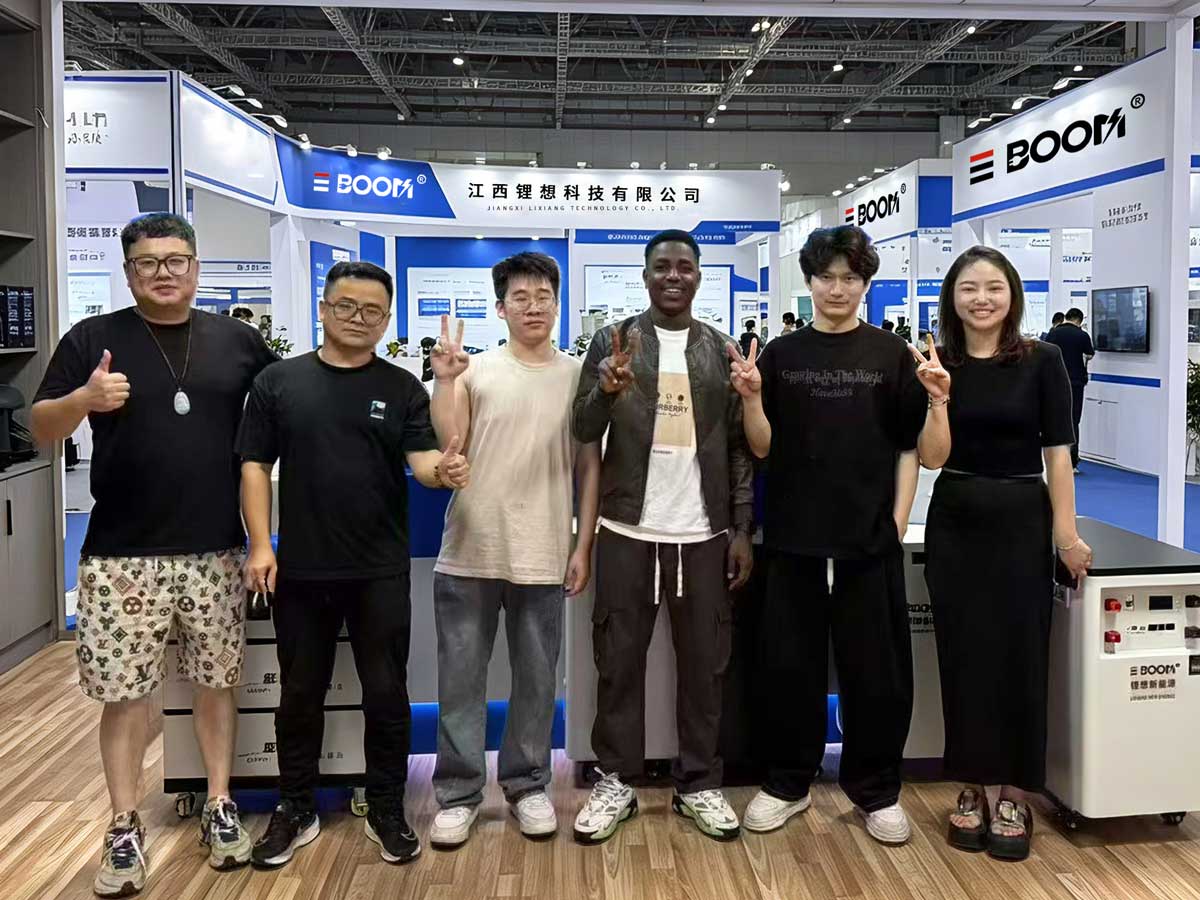
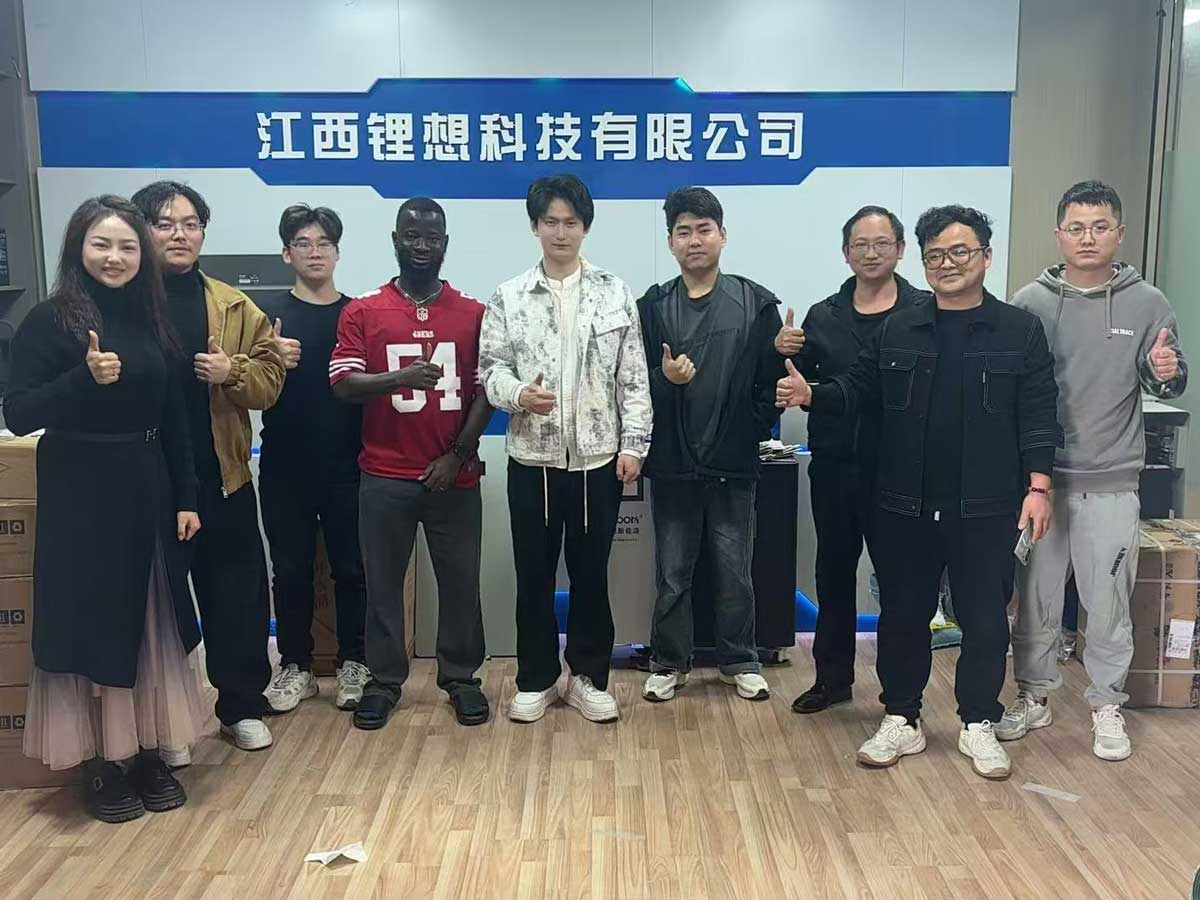

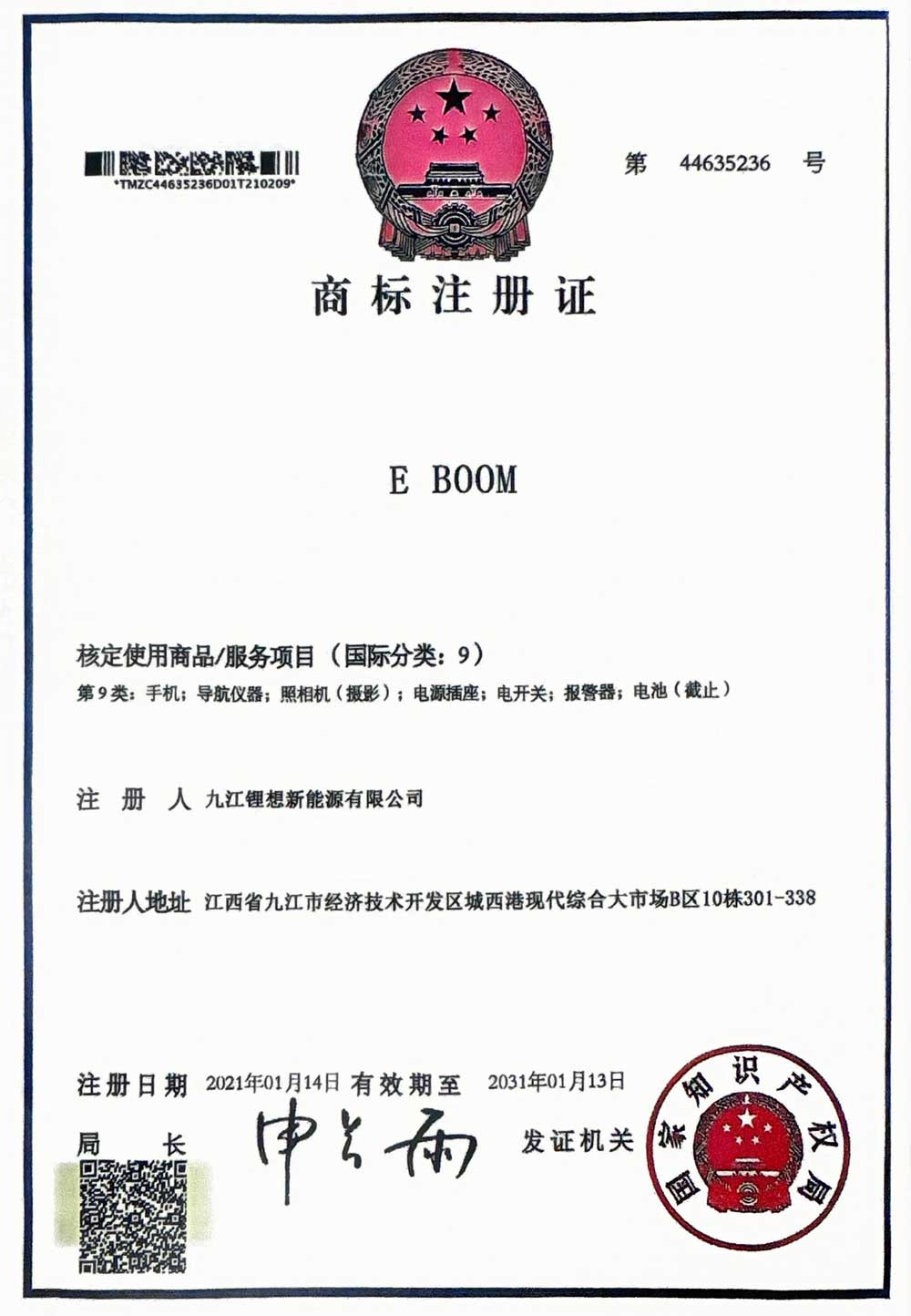
Our products have earned widespread recognition and trust, with a global distribution network covering over 100 countries and regions, including the United States, Australia, the United Kingdom, France, the Middle East, Africa, and Southeast Asia. We work closely with distributors, installers, and end-users worldwide, providing customized energy solutions tailored to local grid conditions, climate, and user needs.
Our Mission: To deliver innovative, high-quality, and affordable renewable energy solutions that make clean energy accessible to everyone. As a leader in the energy storage industry, we continue to invest in R&D, advance green technology, and partner with global customers to build a sustainable, low-carbon future powered by reliable, renewable energy.
Whether you are a homeowner seeking reliable backup power, a business owner looking to reduce energy costs, or a project developer building large-scale energy storage systems, we offer end-to-end support from product design and manufacturing to installation guidance and after-sales service.
Discover how our robust lithium battery solutions perform in field environments across diverse operational profiles.
Get answers to critical integration, engineering, and manufacturing questions concerning 100Ah Lithium Iron Phosphate systems.
The primary difference lies in the internal cell series and parallel arrangement. A 12V 100Ah LiFePO4 battery generally consists of 4 cells in series (4S1P configuration, using 3.2V 100Ah prismatic cells) producing 12.8V nominal voltage. A 24V 100Ah pack uses 8 cells in series (8S1P, producing 25.6V), while a 48V 100Ah battery requires 16 cells in series (16S1P, producing 51.2V). While all store nominal 100Ah capacity, their total stored energy differs significantly (1.28kWh vs. 2.56kWh vs. 5.12kWh respectively). Higher voltage configurations significantly reduce transmission loss and minimize copper wiring thickness requirements.
Yes, our systems are manufactured with robust BMS protection systems supporting both series and parallel configurations. However, when connecting units, they must be from the same production batch, share identical voltage, capacity, and state-of-charge, and be limited to the maximum configuration specified by the factory BMS parameters (typically up to 4S or 15P). Failing to match voltage values will trigger over-current protection and imbalance within the bank.
Grade-A cells represent the top-tier manufacturing yield with uniform internal resistance, capacity balance, and chemical purity. When a factory uses Grade-A cells, the internal balancing circuit of the BMS does not have to work under extreme stress. In contrast, Grade-B or recycled cells show varying degradation profiles, leading to early pack capacity fade, lower thermal thresholds, and a drastically reduced lifetime of under 2000 cycles, compared to our 8000+ cycle guarantee.
While LiFePO4 chemistry safely allows a depth of discharge up to 100%, operations between 80% to 90% DoD dramatically extend the overall cycle lifespan of the battery. By setting the low-voltage cutoff threshold slightly above the chemical minimum, the cells avoid excessive stress on the chemical electrodes, boosting the cycles from 5000 to over 8000.
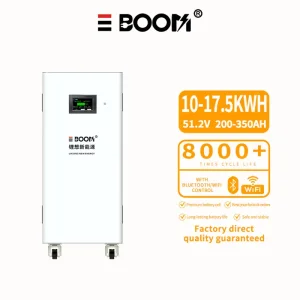
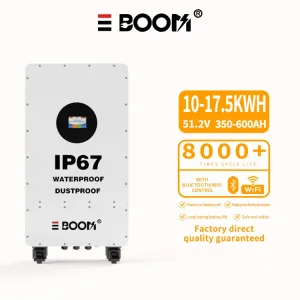
Select industrial units designed for complex energy conversion and remote site installations.
 Lithium Idea