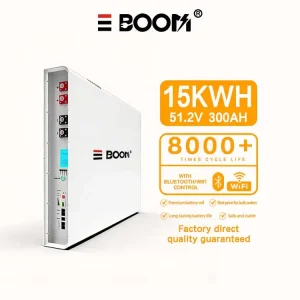
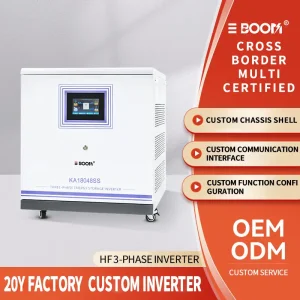
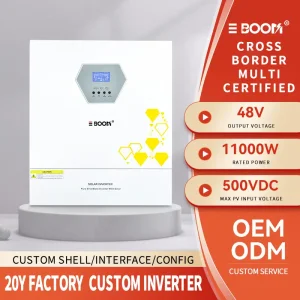
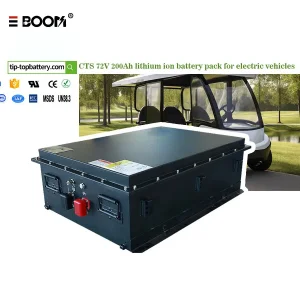
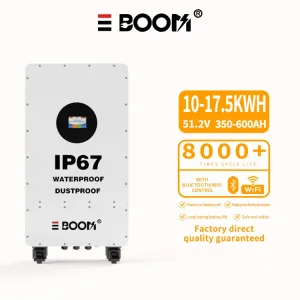
Direct from our state-of-the-art factories. Explore our key technological offerings designed for global commercial and industrial applications.
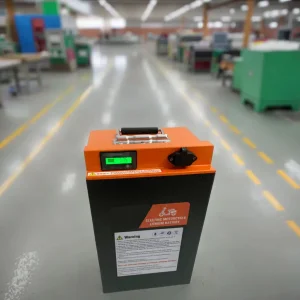
In the rapidly advancing world of rechargeable technology, the 20V lithium battery configuration represents a pivotal engineering balance. Operating standardly with 5 series lithium cells (5S configurations yielding 18V nominal and 20V maximum limits) or 6 series configurations using LiFePO4 chemistry, 20V systems are the baseline power mechanism of modern handheld industrial power tools, outdoor utility machinery, modular robotic assemblies, and portable medical hardware. The integration of 20V lithium battery systems has revolutionized industries by displacing heavy, low-efficiency nickel-cadmium (Ni-Cd) options and matching the performance levels of small fossil-fuel engines.
For procurement officers and technical designers, locating a premier China 20V lithium battery supplier & factory involves evaluating safety thresholds, chemistry options, cell consistency, and structural engineering expertise. Modern applications require batteries that do not just deliver power but offer smart features like Bluetooth tracking, active cellular balancing, and smart cooling systems to extend operating life up to several thousand cycles under challenging temperatures.
Not all 20V battery packs are built the same. The internal cell grading system (Class A Automotive vs. B-grade recycling) defines the cycle longevity and safety profile of the battery pack. Top-tier factories utilize strictly Class A cells from manufacturers like EVE, BYD, and Gotion High-Tech. A certified BMS (Battery Management System) checks every single cell for temperature variations, avoiding thermal runaway through independent circuit interruption if temperature limits are crossed.
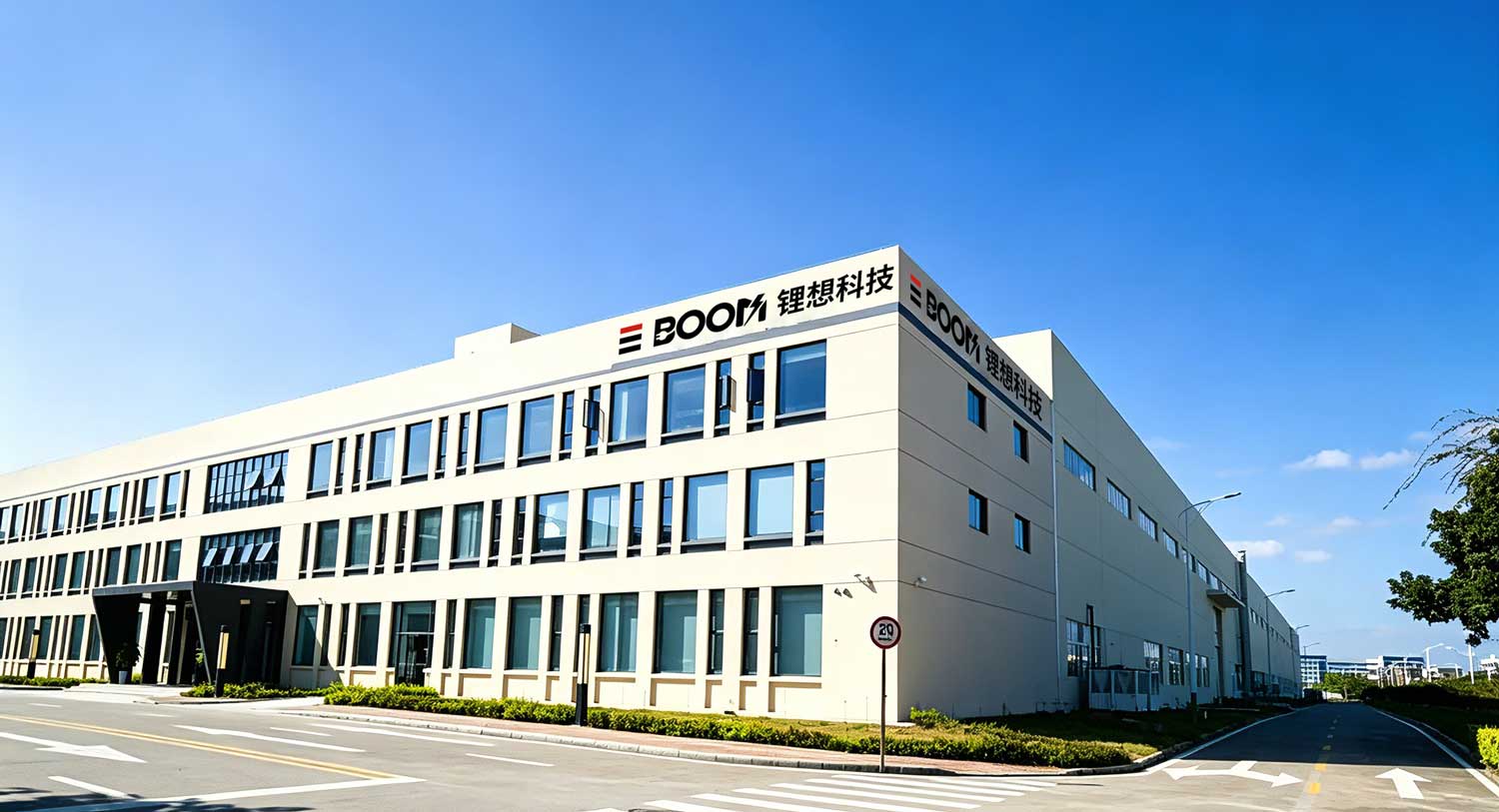
The global lithium battery market is heavily anchored in China's manufacturing landscape, which leverages advanced vertical integration to optimize both cost and component quality. At **Jiangxi Lithium Idea Technology Co., Ltd.**, our smart facilities utilize Industry 4.0 automation. We monitor every step of the assembly line—from cell grading, automated laser welding of nickel plates, to final BMS integration and multi-stage aging testing.
By combining high-precision robotic positioning with strict quality audits, we minimize discrepancies in cell internal resistance. Standardizing resistance differences to within 2 milliohms across our battery systems prevents uneven wear, ensuring that our battery packs deliver consistent power over thousands of discharge cycles.
Furthermore, our raw material supply chain guarantees consistent access to high-quality chemical cells, keeping production schedules stable regardless of international raw material fluctuations. Our global clients benefit from this reliability through faster turnaround times, lower freight costs, and consistent compliance with strict international regulations.
Procurement processes in North America, Western Europe, and Asia-Pacific require strict adherence to international safety certifications. Global compliance criteria are crucial for commercial success and international trade clearances:
Safety certifications covering individual cell durability and complete battery pack design under electrical and mechanical stress.
Mandatory testing for air and ocean freight, verifying structural integrity under high vibration, impact, thermal shock, and external short circuiting.
Verifies environmental safety of all raw solder, lead components, and electronic circuitry within European markets.
To streamline customs processes, our production lines perform complete QA tests on every batch of 20V battery packs, documenting internal resistance, nominal capacities under variable temperature conditions, and structural seal integrity (IP67 or IP68 water resistance rating).
Choosing the right lithium chemistry for your product line dictates operational safety, weight limits, and longevity. The table below outlines the trade-offs between standard Nickel Manganese Cobalt (NMC) and Lithium Iron Phosphate (LiFePO4) chemistries used in 20V applications:
| Performance Parameter | Lithium Iron Phosphate (LiFePO4) | Nickel Manganese Cobalt (NMC) |
|---|---|---|
| Nominal Voltage per Cell | 3.2V (6S configuration for 19.2V) | 3.6V / 3.7V (5S configuration for 18V-21V) |
| Energy Density (Wh/kg) | 140 - 180 Wh/kg (Heavier, highly durable) | 200 - 260 Wh/kg (Lighter, higher power density) |
| Typical Cycle Life (80% DOD) | 6,000 to 8,000+ Cycles | 1,500 to 3,000 Cycles |
| Thermal Runaway Temperature | 270°C (Highly safe and stable) | 210°C (Requires active safety venting) |
| Cold Weather Performance (-20°C) | Fair (Retains approx. 60-70% capacity) | Good (Retains approx. 80-85% capacity) |
| Primary Applications | Industrial ESS, Telecom Backup, EVs, Marine | Handheld Power Tools, Robotic Sweepers, UAVs |
The requirements for 20V lithium battery systems vary significantly depending on localized environmental and industrial applications. Let's analyze how these systems perform in diverse operating environments:
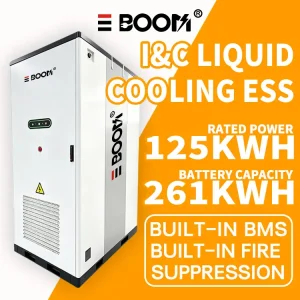
Integrating 20V control blocks within larger 125kW / 261kWh liquid-cooling energy storage systems. These low-voltage modules manage high-voltage relays, maintaining cooling and telemetry functions during primary grid shutdowns.
Automated harvesters and remote environmental sensors use weatherproof LiFePO4 packs. These systems are designed to withstand temperatures over 45°C in dry agricultural regions without failing, ensuring uninterrupted field data monitoring.
Powering delivery e-bikes and urban golf carts with modular, hot-swappable 20V battery modules. These systems utilize smart communications, allowing fleet operators to track battery health, charge state, and temperature metrics in real-time.
Backed by 20 years of technical innovation and comprehensive factory certifications.
Sourcing directly from a China battery supplier allows you to customize power profiles to your exact equipment specifications. Our engineering team at **Jiangxi Lithium Idea Technology Co., Ltd.** streamlines the customization process through a structured design and validation sequence:
We analyze your voltage curves, peak current loads, space limitations, and water protection demands (IP65/IP67/IP68).
We integrate communication protocols like CANbus, RS485, SMBus, or Bluetooth to allow real-time diagnostic reporting from your equipment.
Prototype units undergo thermal chambers, drop testing, vibration modeling, and simulated load testing over hundreds of cycles.
This rigorous engineering process ensures that your finished product complies with local warranty and liability requirements, reducing product recalls and field failures.
Expert insights on safety parameters, customization limitations, battery management systems, and shipping rules.
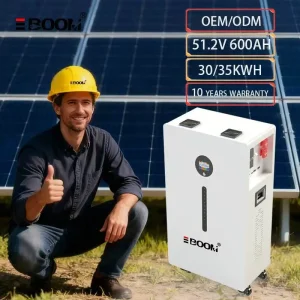
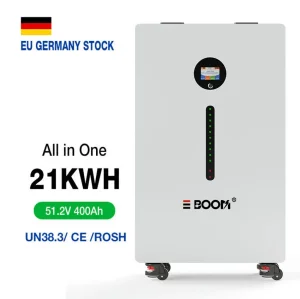
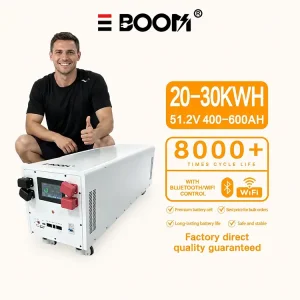
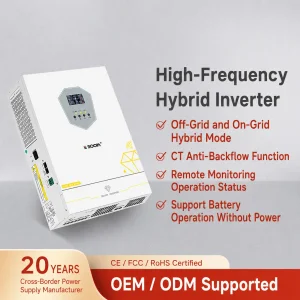
Complete your energy ecosystem with our high-power modular battery systems, monocrystalline PV panels, and industrial solar inverters.
 Lithium Idea