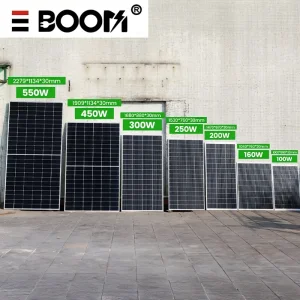
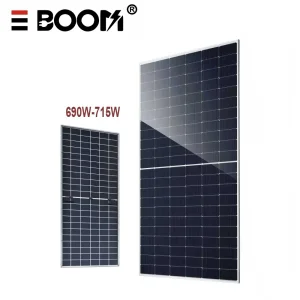
Optimized monocrystalline modules engineered with multi-busbar technology to convert Seattle's high ratio of diffuse light into reliable baseline power.
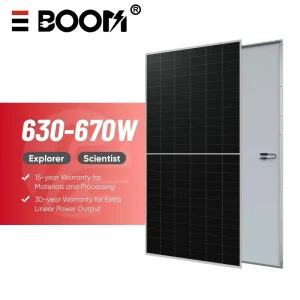
A common industry misconception is that the maritime Northwest climate is unsuitable for high-capacity solar production. As a leading Tier-1 solar panel manufacturer serving the Seattle metroplex, King County, and the broader Washington state market, we approach this challenge through advanced materials science and meteorological physics.
Seattle receives an average of 152 sunny days per year. However, modern Multi-Busbar (MBB) and N-Type TOPCon monocrystalline silicon technologies do not rely solely on direct irradiance. They excel in capturing diffuse irradiance—the solar radiation scattered by atmospheric water vapor and cloud cover. By modifying the chemical structure of the cell's front-side passivation layer and optimizing anti-reflective textures, our panels maintain an exceptional conversion rate under overcast skies, generating consistent power when traditional panels drop below threshold voltages.
Additionally, Seattle's lower average summer temperatures compared to the American Southwest present a unique engineering benefit. Photovoltaic cells degrade in efficiency as temperature rises (measured by the temperature coefficient of Pmax). With Seattle's mild summers, monocrystalline systems operate near their thermal sweet spots, delivering maximum yield and mitigating heat-induced losses.
Navigating the regulatory frameworks of Seattle City Light (SCL) and Puget Sound Energy (PSE) is paramount for commercial and industrial (C&I) projects. Washington State’s net metering laws (RCW 80.60) mandate that utilities credit solar systems up to 100 kW at a 1:1 retail rate for excess power fed back into the grid.
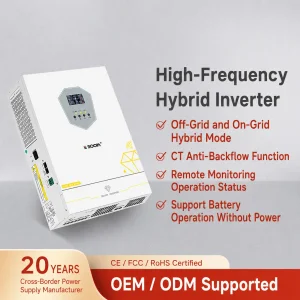
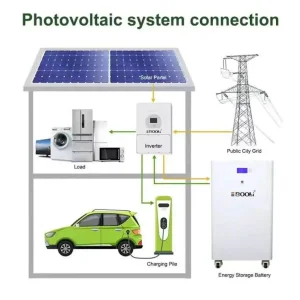
To prevent grid instability, our 11kW and multi-megawatt high-frequency hybrid inverters feature rapid Current Transformer (CT) anti-backflow sensors. This provides sub-second monitoring of power direction, allowing facility operators to limit grid export to meet localized interconnection agreements while maximizing local consumption.
For modern commercial complexes, high-volume logistics warehouses in Kent Valley, and manufacturing facilities throughout Washington, solar is no longer a standalone addition. It works in tandem with Battery Energy Storage Systems (BESS).
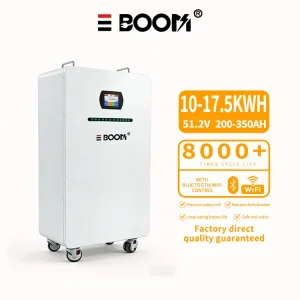
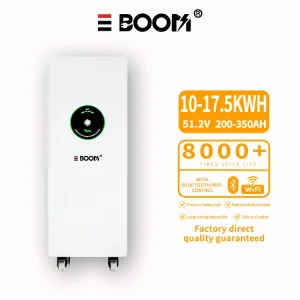
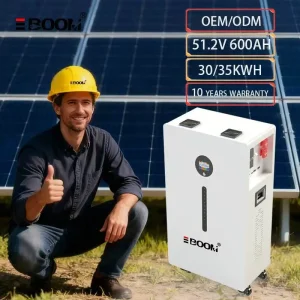
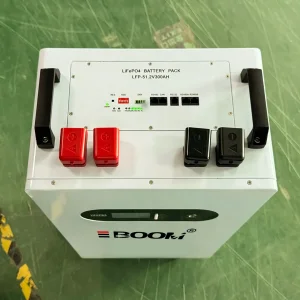
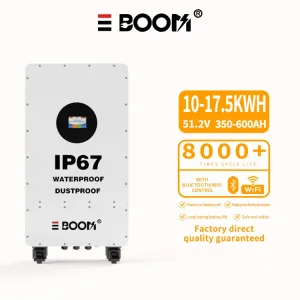
We manufacture scalable energy storage assets from compact 10kWh packs to 1000kWh containerized systems. Utilizing safe, high-cycle LiFePO4 cells, these units store low-cost solar electricity or off-peak grid energy and dispatch it during peak demand windows to avoid high demand charges from local utilities.
Two decades of dedicated manufacturing excellence in solar panels, hybrid inverters, and automotive-grade battery energy storage systems.
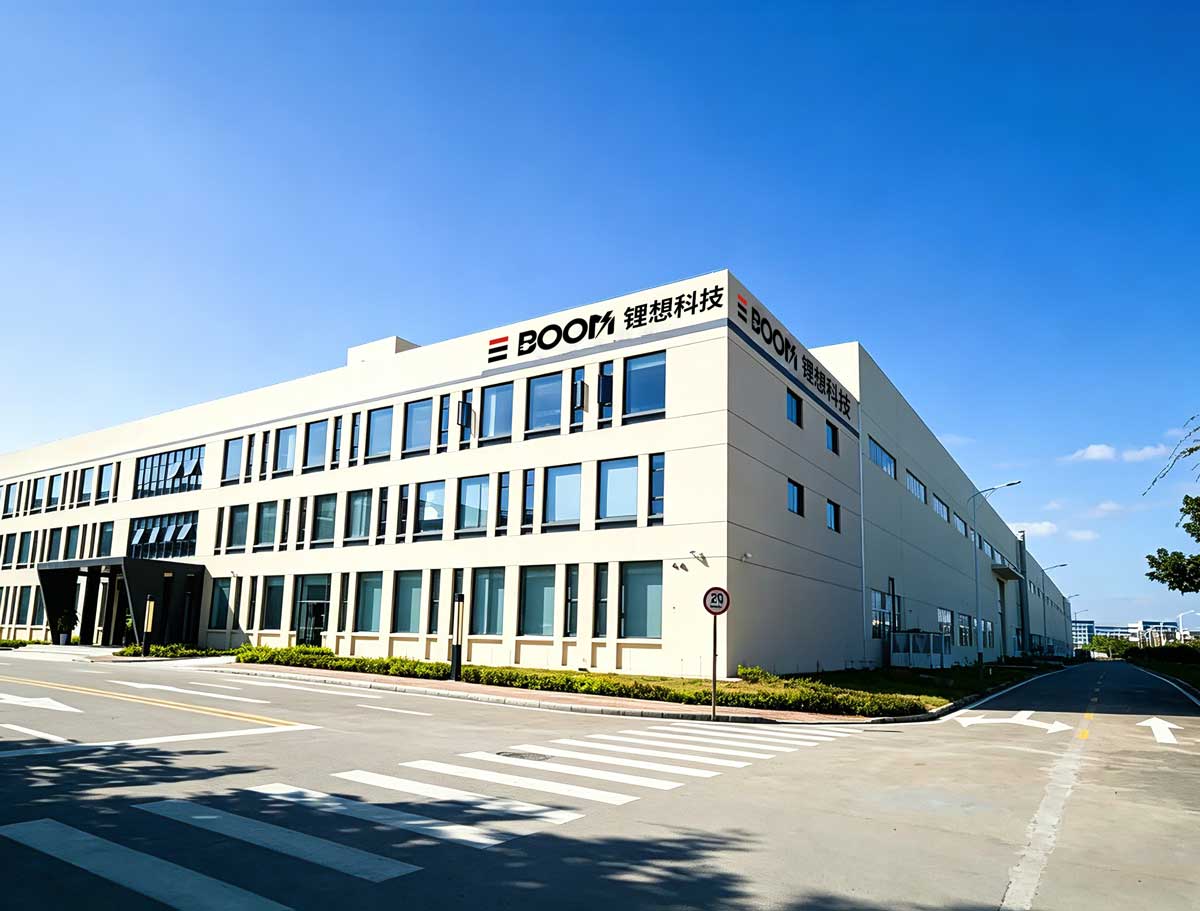
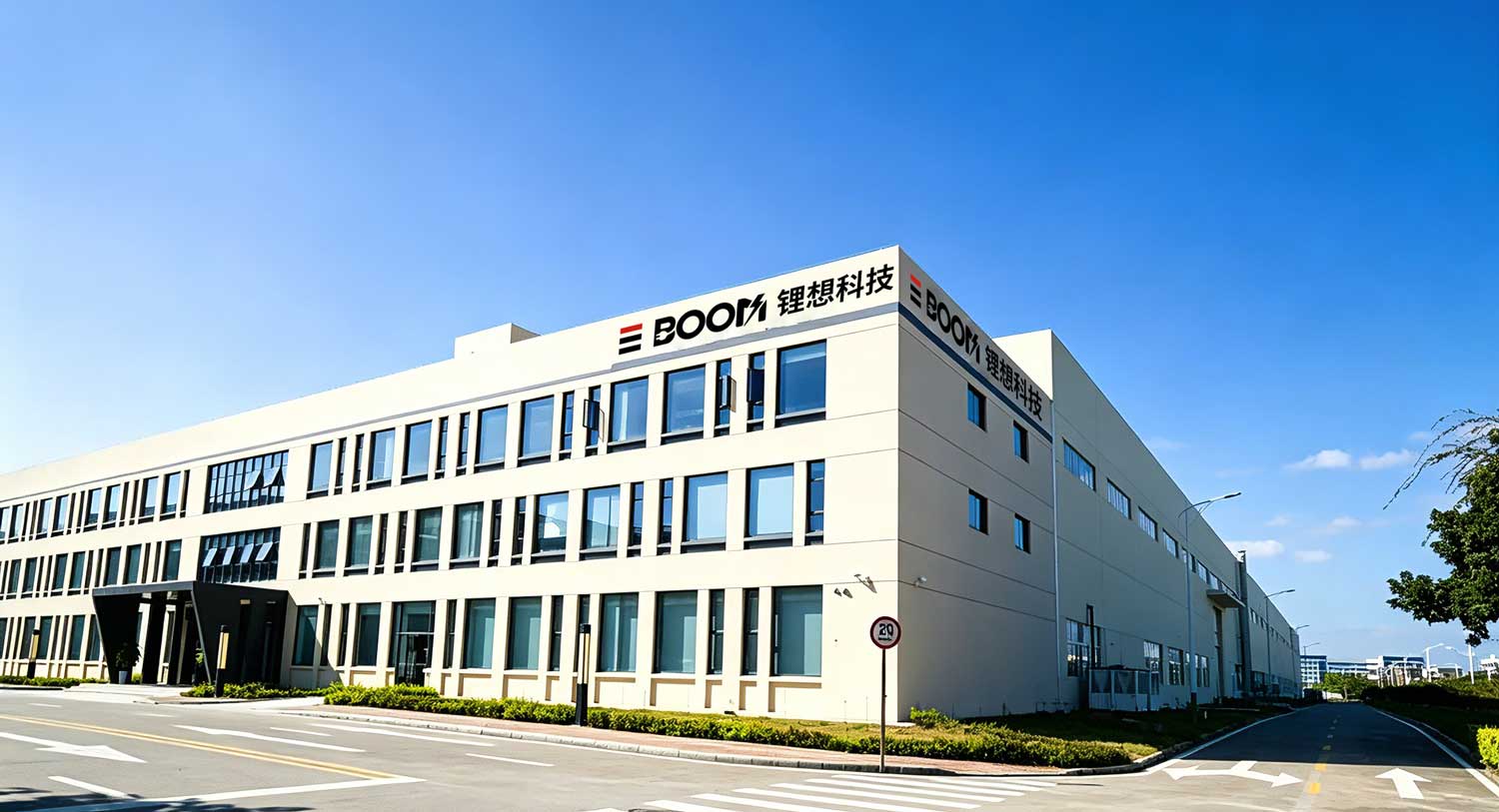
Securing project economics in the Seattle solar market requires balancing upfront capital expenditure (CapEx) and long-term operational resilience. Our fully integrated factory in Jiangxi, China, provides distinct structural advantages over Western assemblers:
Seattle's climate requires robust protection against moisture ingress, micro-cracks, and salt spray corrosion.
Our monocrystalline panels are engineered with IP68 junction boxes and double-stage edge sealing. They are certified to resist high-humidity environments and prevent water vapor ingress, mitigating Potential Induced Degradation (PID).
Designed with dynamic structural reinforcement, our frames support snow loads of up to 5400 Pa on the front side and wind loads of 2400 Pa on the back side. This ensures long-term integrity during Pacific Northwest winter storms.
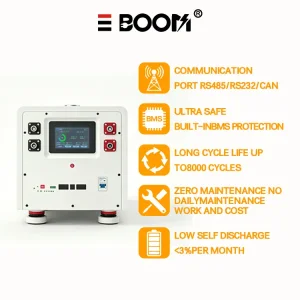
Our commercial and residential LiFePO4 batteries feature customized Smart BMS (Battery Management Systems). They monitor cell temperature, voltage, and current to ensure stable operation during freezing winter nights.
Explore our full suite of UL-compliant, high-cycle batteries and photovoltaic modules tailored for residential grid independence and commercial peak shaving.
Our manufacturing processes comply with strict global safety, performance, and environmental standards, ensuring seamless project approvals.
Our energy storage configurations and solar components comply with UL 1741, UL 1973, and UL 9540, meeting municipal safety and electrical codes across Washington State.
Our high-frequency hybrid solar inverters meet IEEE 1547 standards, ensuring seamless and safe grid-tie connections with local electrical grids.
Our modules are listed with the California Energy Commission (CEC), confirming certified safety and PTC ratings that are widely recognized by Washington utilities.
Clear answers to help procurement directors, EPC contractors, and distributors configure solar and storage systems for the Pacific Northwest.
Whether you are designing a commercial microgrid, supplying a local distribution network, or installing residential systems, we provide factory-direct pricing, certified reliability, and long-term warranties.
 Lithium Idea