Explore our state-of-the-art energy storage configurations and solar modules engineering to industrial specifications.
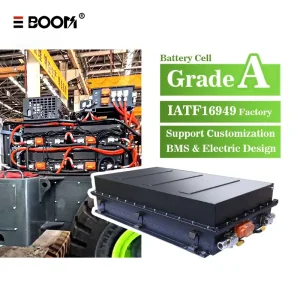
Custom Size, Style & Capacity, Max 600kWh Battery Energy Storage System Suppliers, Manufacturer
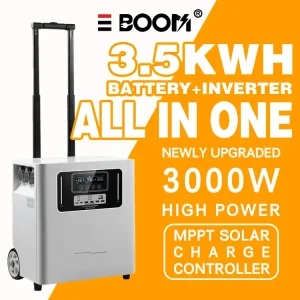
3.5KWH 5.5KWH Battery Factory Suppliers Manufacturer, Factories
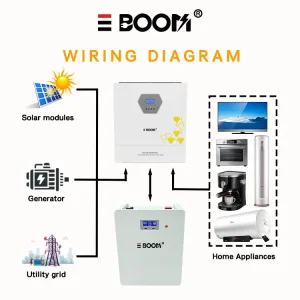
20/25/30/35KWh with Stable BMS from Reliable Suppliers & Factory Suppliers, Factory
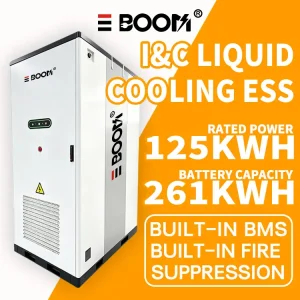
China Suppliers for Factory Backup and Peak-Shaving Power Supplier, Suppliers
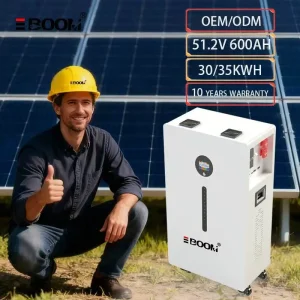
Stable BMS Home Blackout Emergency Power Supply Manufacturers, Supplier
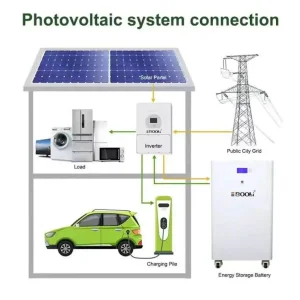
Blackout Backup Battery 51.2V 314AH Suppliers, Factories
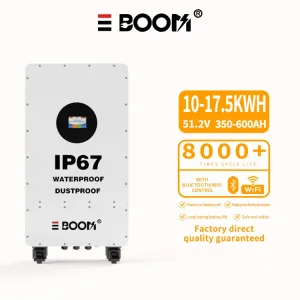
17.5kWh with 10Y Warranty & 8000+ Cycles Suppliers, Factories
China Suppliers Factory Backup Battery System Manufacturers, Manufacturer
The global transition to renewable infrastructure relies heavily on scale, supply chain integration, and rigorous electrochemistry manufacturing processes. China has established a dominant paradigm in the production of solar battery chargers and energy storage systems (ESS). From the extraction and refinement of precursor materials to the final production lines of lithium iron phosphate (LiFePO4) cell topologies, China-based gigafactories ensure unrivaled engineering efficiency.
By coordinating adjacent supply nodes—including automated cell packing, advanced printed circuit board assembly (PCBA) for Battery Management Systems (BMS), and CNC structural enclosure fabrication—manufacturers reduce transit overheads and expedite system assembly. This integration allows Jiangxi Lithium Idea Technology Co., Ltd. to implement rapid engineering modifications and offer cost-optimized pricing configurations without compromising quality standards.
In addition, our location in China's industrial zones provides access to highly skilled engineers, cutting-edge automated testing labs, and reliable logistics corridors, guaranteeing fast delivery times and high product quality.
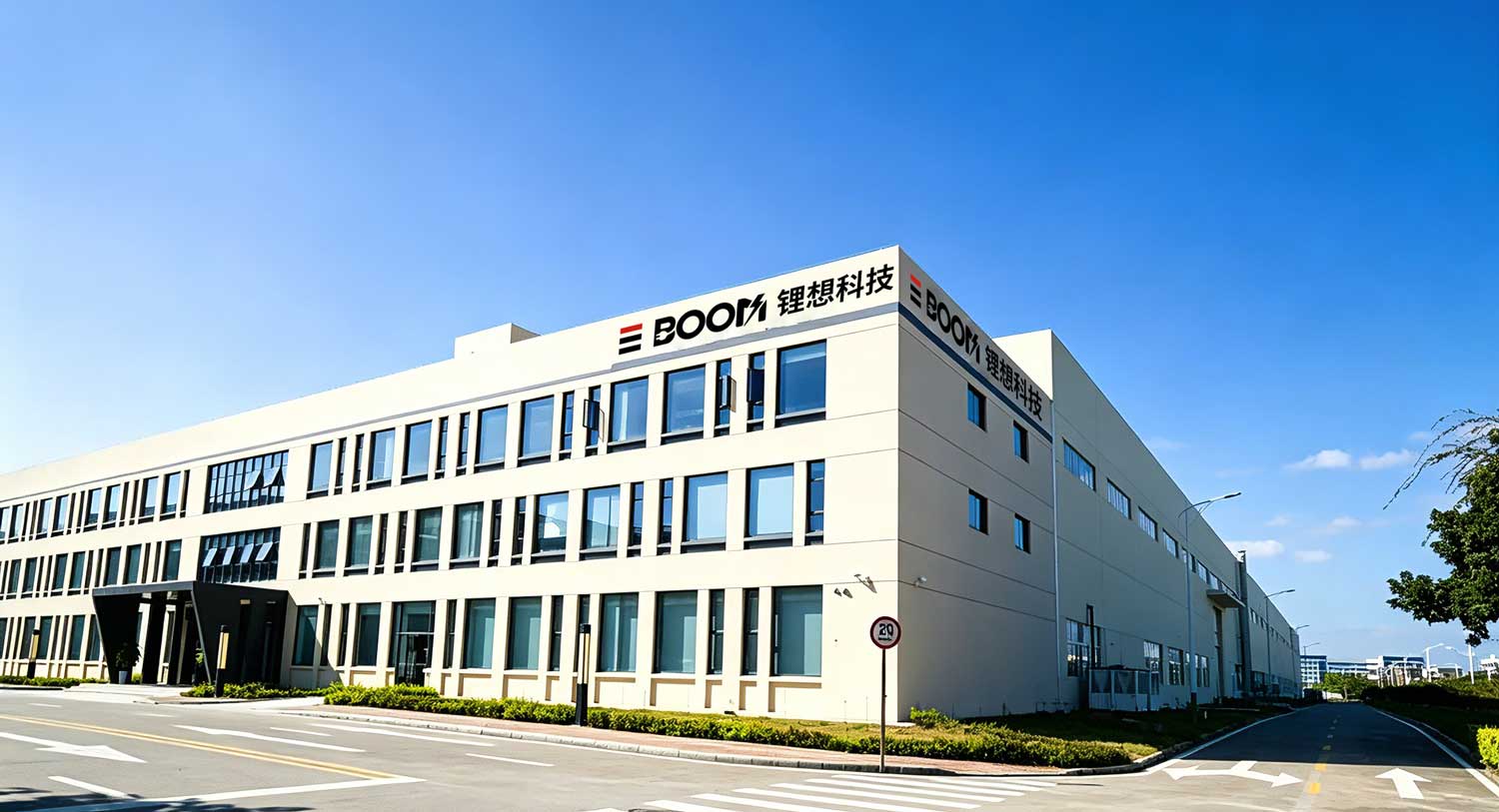
20 Years of Specialized R&D and Manufacturing Excellence in Renewable Systems
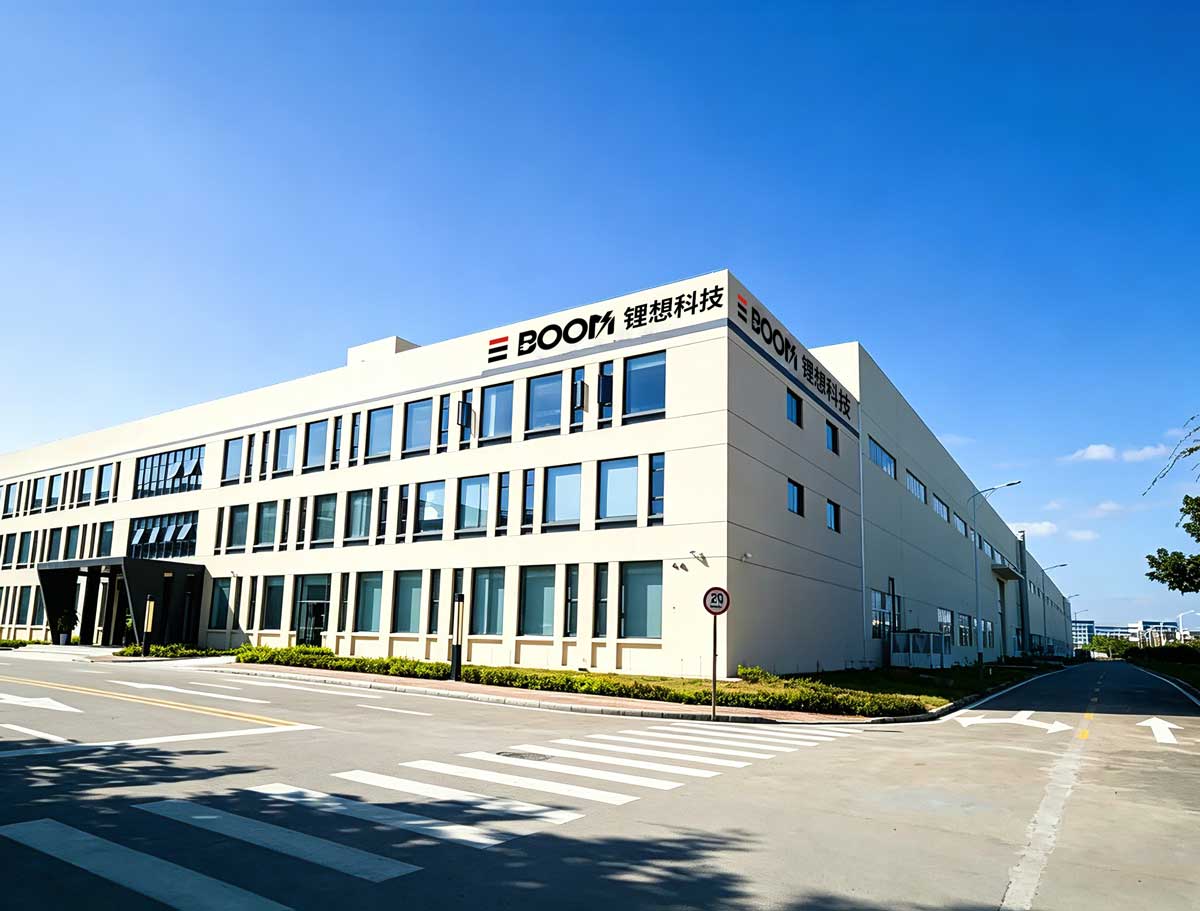
With two decades of industry leadership, Jiangxi Lithium Idea Technology Co., Ltd. operates as a globally recognized manufacturer and supplier of integrated solar battery chargers, energy storage modules, clean-energy inverters, and high-conversion photovoltaic panels. We focus on designing, engineering, and producing high-performance configurations that enable residential homeowners, commercial enterprises, and heavy industries to secure grid-independent power, reduce operational utility overheads, and lower carbon footprints.
Our 7,000+ square meter state-of-the-art facility integrates advanced assembly lines, high-precision electronic testing labs, and strict quality control stations. By employing Class A automotive-grade lithium iron phosphate (LiFePO4) cells sourced directly from tier-1 manufacturers like EVE, Gotion High-Tech, and BYD, we guarantee battery packs with cycles exceeding 8,000 to 10,000 times at 80% DOD (Depth of Discharge).
From 3kWh to 5kWh space-saving, wall-mounted batteries to mobile wheeled structures ranging from 10kWh to 35kWh for backup and off-grid living.
Medium and utility-scale configurations from 100kWh up to 1000kWh+ liquid-cooling systems optimized for factory grid-balancing and peak shaving.
Full suite of grid-tie, hybrid, and off-grid smart inverters from 3kW to 300kW, supporting active power flow regulation and solar charging integration.
Waterproof panels from 550W up to 730W built with high-transparency tempered glass and anti-reflective coating to maximize efficiency.
Verifiable manufacturing metrics driving global renewable energy supplies.
The solar battery charger and storage industry is transitioning from passive energy containment to active system management. Key trends include:
By developing standard EV battery modules alongside rolling mobile storage platforms, Jiangxi Lithium Idea Technology provides solutions that adapt to changing electrical infrastructure requirements.
For operations seeking localized power independence, off-grid and hybrid energy infrastructure requires custom design solutions. Our engineering team assists developers with:
Key considerations for international purchasers sourcing from Chinese manufacturing facilities.
Ensure the manufacturer uses Grade A cells with traceable serial numbers from tier-1 brands (e.g., EVE, Gotion, BYD). Do not accept grade B or recycled EV battery cells, as they degrade quickly and pose safety hazards.
Verify that systems comply with international testing certifications. Our manufacturing lines carry UL1973, CE, IEC62619, UN38.3, and FCC certifications, ensuring safety and compliance across global markets.
Select manufacturers capable of customizing BMS communication protocols (CANbus, RS485, Modbus) to guarantee compatibility with hybrid inverters like SMA, Growatt, Victron, and Deye.
Feedback from our commercial, municipal, and industrial partners across the globe.
"Our fire station’s reliable backup! Powers all our emergency gear, always ready to roll when it counts. The mobile wheeled systems have transformed our emergency response efficiency."
"Keeps our business running when the grid fails. Tough, long-lasting, and worth every penny. The 125kW Liquid Cooling system has operated flawlessly throughout summer peak periods."
Browse our selection of heavy-duty industrial packs, wall-mount systems, and high-efficiency solar options.
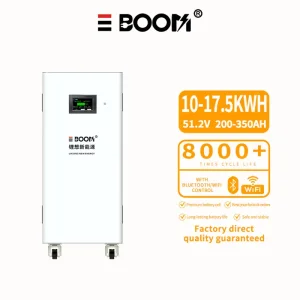
10Y Warranty, 8000 Cycles, 10/15kWh Manufacturers, Manufacturer
Emergency Power Supply from China Suppliers & Factory Manufacturers, Manufacturer
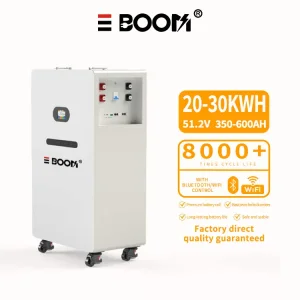
8000 Cycles, 10Y Warranty from Reliable Suppliers and Factory Factory, Factories
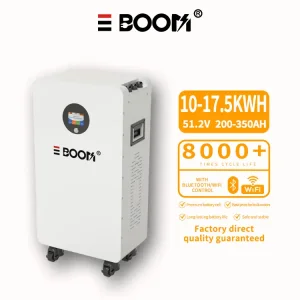
Grade A with 8000+ Cycles from Trusted Suppliers Manufacturer, Factories
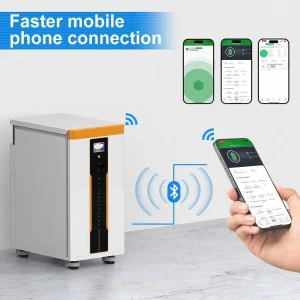
Bluetooth WiFi Monitoring, 10000+ Cycles Customizable OEM OBM Suppliers, Factory
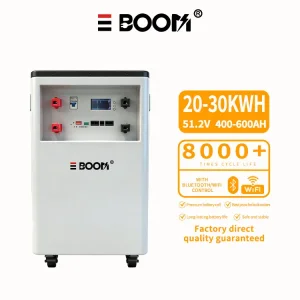
8000 Cycles - China Suppliers & Factory - 10Y Warranty Suppliers, Factory
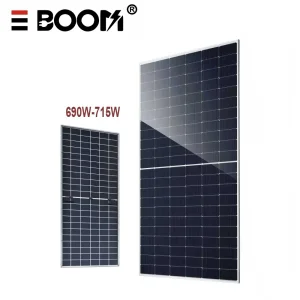
Waterproof PV Panels for Home Energy Systems Suppliers, Factory
8000+ Cycles, 10Y Warranty, Suppliers Manufacturers, Factories
Technical responses addressing solar storage engineering, cell chemistry, and sourcing requirements.
Our systems utilize Grade A automotive lithium iron phosphate (LiFePO4) chemistry. Under standardized operational states (0.5C charge/discharge rate, 25°C ambient temperature, and 80% Depth of Discharge), the battery cells maintain a cycle life of 8,000 to 10,000 times before capacity drops to 80% of its initial rating.
LiFePO4 (Lithium Iron Phosphate) offers superior thermal and chemical stability compared to NCM (Nickel Cobalt Manganese). The structural integrity of the olivine crystal structure prevents thermal runaway up to 60°C. In addition, LiFePO4 provides up to four times the operational cycle life of NCM, making it the most cost-effective chemistry over the product lifecycle.
Yes, our in-house engineering team customizes BMS firmware interfaces. We provide native RS485, CANbus, and Modbus communication protocols pre-configured to match major global inverter brands, including Deye, Growatt, Victron, SMA, and Solis.
All our energy storage systems and high-voltage modules comply with international standards. We carry certified test reports for UL1973 (energy storage systems), IEC62619 (industrial lithium systems), CE (European market conformity), and UN38.3 (global shipping safety documentation).
Our quality control process covers incoming cell matching (sorting cells by voltage, internal resistance, and capacity deviations), high-precision automated soldering, and dual-run thermal cycle testing. Each assembled battery module undergoes a full charge-discharge validation test before warehouse release.
Yes, we design custom High-Voltage standard EV modules (scalable up to 600kWh). These systems are optimized for heavy trucks, electric trains, commercial tour boats, marine systems, and large-scale industrial microgrids.
Our monocrystalline solar panels utilize large-area wafer technology (M10/G12 cell sizes) with multi-busbar (MBB) paths. This configuration delivers conversion efficiencies of 21.3% to 22.8%, maximizing power density even in low-light environments.
We provide a remote technical warranty system. We ship replacement parts (BMS cards, screens, fuses, and modules) and cover diagnostic support fees. For system-critical issues, we coordinate with regional partners to maintain uninterrupted energy service.
Liquid cooling systems achieve a higher thermal transfer efficiency compared to forced-air circulation. This design maintains internal temperature differences below 2.5°C across all cells within a 261kWh container. Thermal consistency prevents localized cell degradation, resulting in a more reliable investment over the product's lifespan.
Yes, we provide flexible delivery terms including FOB, CIF, and DDP (Delivered Duty Paid) shipping routes for bulk battery configurations. We manage all import clearances, local logistics, and customs documentation, delivering products directly to your designated warehouse or installation site.
 Lithium Idea