The search for the Top 10 Solar Storage Battery Manufacturers is not simply a popularity contest. A useful comparison must examine chemistry, usable capacity, round-trip efficiency, cycle life, safety controls, warranty terms, and after-sales support. These details determine whether a battery performs reliably beside a rooftop array, in a garage, or across a commercial microgrid.
Dr. Imre Gyuk, a respected energy-storage specialist, has stated, “Energy storage is the key to making renewable energy reliable.” His observation explains why the Solar Storage Battery market continues to attract serious investment. Solar panels produce power unevenly. Storage systems must respond when clouds arrive, demand rises, or the grid fails. The strongest manufacturers address these changes with intelligent energy-management software, tested thermal protection, and transparent degradation data.
This guide compares ten influential manufacturers through a practical, evidence-based lens. It considers lithium iron phosphate and other battery chemistries, installation flexibility, monitoring tools, regional service networks, and documented safety performance. Price matters, but it can mislead. A cheaper unit may require more frequent replacement or provide weaker technical support. A premium battery may still disappoint when installation conditions are poor. Real projects are rarely perfect.
That is worth remembering.
Manufacturer rankings also change as technology, supply chains, and regulations develop. Therefore, this list should support careful purchasing rather than replace professional assessment. Check local certification requirements, installer qualifications, warranty exclusions, and expected household load before choosing a system. The best Solar Storage Battery is not always the largest one. It is the battery that matches real energy habits, site conditions, and long-term expectations.
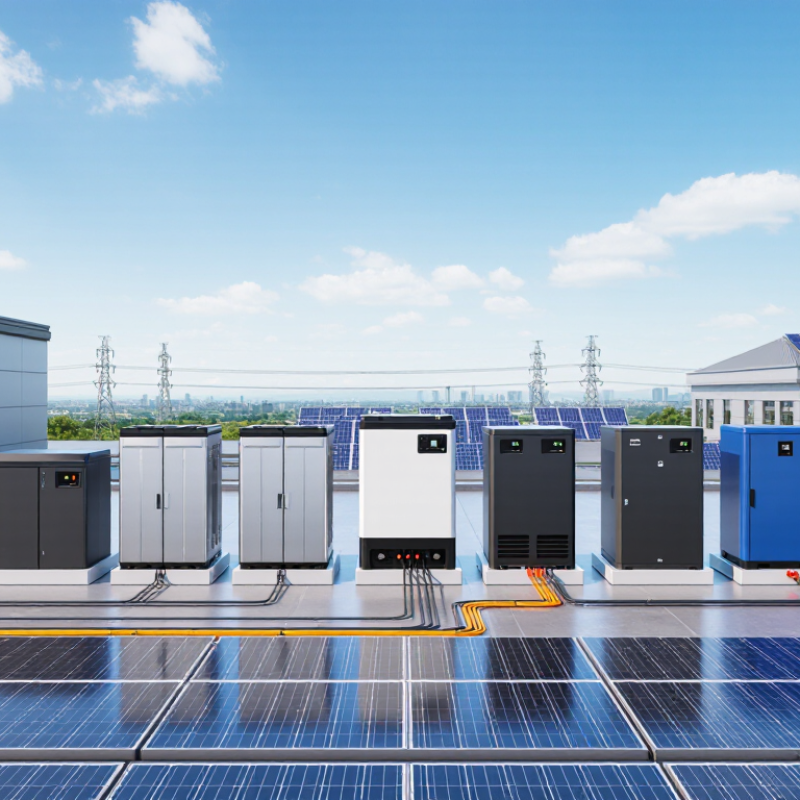
Solar storage batteries capture surplus electricity from panels and release it when sunlight fades. They usually contain lithium-based cells, a battery management system, and protective controls. The inverter converts stored direct current into usable household alternating current. During the day, solar power can run appliances and charge the battery. At night, the battery supplies selected circuits, reducing grid dependence. Backup operation may require a dedicated transfer device.
When comparing the top ten solar storage battery manufacturers, examine more than capacity or price. Check usable capacity, round-trip efficiency, cycle rating, warranty conditions, operating temperature, and installer support. A larger battery is not automatically better. Oversizing can increase costs and leave energy unused. Undersizing may cause frequent deep discharges. Actual performance also depends on household demand, sunlight, inverter compatibility, and local installation standards. A careful site assessment matters.
Tips: Review one day of electricity use before choosing a battery. Separate essential loads, such as refrigeration, lighting, and medical equipment, from optional loads. Ask for tested safety certifications and clear warranty exclusions. Keep the battery in a dry, ventilated location, away from heat and flooding. Manufacturer figures often come from ideal conditions. Real homes are messier. Track performance after installation, because seasonal changes may reveal planning errors.
Solar storage batteries store electricity generated by photovoltaic panels and release it when solar production is low or electricity demand is high. The table below compares ten representative battery technology configurations using typical industry ranges. Actual specifications vary by product design, operating conditions, and installation requirements.
| No. | Battery Configuration | Common Chemistry | Typical Usable Capacity | Round-Trip Efficiency | Recommended Depth of Discharge | Typical Cycle Life | Operating Temperature | Typical Application |
|---|---|---|---|---|---|---|---|---|
| 1 | Residential daily-cycling system | Lithium iron phosphate (LFP) | 5–20 kWh | 88–95% | 80–95% | 4,000–8,000 | 0–45°C | Self-consumption and evening peak shifting |
| 2 | Residential backup system | Lithium nickel manganese cobalt oxide (NMC) | 5–15 kWh | 90–96% | 80–90% | 2,000–5,000 | 0–45°C | Compact backup and high-power household loads |
| 3 | Small off-grid solar bank | LFP lithium-ion | 2–10 kWh | 88–94% | 80–95% | 3,500–7,000 | 0–45°C | Cabins, remote communications, and small loads |
| 4 | Lead-acid backup bank | Absorbent glass mat lead-acid | 2–20 kWh | 70–85% | 50–80% | 500–1,200 | -20–50°C | Low-cost standby and occasional backup use |
| 5 | Deep-cycle lead-acid system | Flooded lead-acid | 5–50 kWh | 70–85% | 50–70% | 500–1,500 | -20–50°C | Budget-conscious off-grid installations |
| 6 | Commercial peak-shaving cabinet | LFP lithium-ion | 50–500 kWh | 88–95% | 80–95% | 4,000–8,000 | 0–45°C | Demand-charge reduction and solar time shifting |
| 7 | Commercial high-power system | NMC lithium-ion | 100 kWh–1 MWh | 90–96% | 80–90% | 2,000–5,000 | 0–45°C | High-power load support and short-duration grid services |
| 8 | Utility-scale container system | LFP lithium-ion | 1–5 MWh per container | 85–94% | 80–95% | 4,000–8,000 | -20–50°C with thermal management | Renewable integration and grid balancing |
| 9 | Long-duration flow battery | Vanadium redox flow | 100 kWh–100 MWh | 65–85% | 75–100% | 10,000–20,000+ | 5–45°C | Four- to twelve-hour renewable energy storage |
| 10 | Emerging low-temperature system | Sodium-ion | 5–100 kWh | 80–92% | 80–95% | 3,000–6,000 | -20–45°C | Stationary storage where material cost and cold performance matter |
Note: Efficiency, cycle life, usable capacity, and temperature limits are typical technology-level ranges rather than guaranteed product specifications. Professional system design should account for inverter compatibility, fire protection, ventilation, local electrical codes, and battery management requirements.
It stores extra electricity produced by solar panels during sunny hours. At night, it powers selected household circuits. Simple idea.
Solar panels produce direct current, while household appliances usually need alternating current. An inverter converts the stored electricity for household use. A transfer device may be needed during outages.
Review one full day of electricity use before choosing. Separate essential loads from optional appliances. A larger battery may cost more and remain partly unused. I might still underestimate seasonal demand.
Essential circuits may include refrigeration, lighting, and medical equipment. Optional loads can include decorative lighting or high-use appliances. Make the list specific. A freezer starts differently from a lamp.
Lithium iron phosphate batteries offer strong thermal stability and long cycle life. Nickel-manganese-cobalt batteries can provide higher energy density in compact spaces. Lead-carbon systems may suit lower-cost backup needs. Flow batteries often serve larger installations.
Sodium-ion batteries may perform well in colder conditions and reduce material pressure. Solid-state designs remain less proven in long-term household use. Commercial availability can vary. Promising does not mean ready.
Ask for tested safety certifications and clear warranty exclusions. Independent assessments can support confidence, but paperwork is not everything. Request evidence of temperature cycling, capacity checks, and abuse testing. Real operating data matters more.
Choose a dry, ventilated location away from heat and flooding. Follow local installation standards and inverter compatibility requirements. Poor ventilation can reduce performance. Installation details are easy to overlook.
No. Household demand, sunlight, temperature, and software settings can change results. Track performance after installation and compare monthly patterns. Seasonal changes may expose planning mistakes. Real homes are messy.
This article explains what a Solar Storage Battery is and how it stores excess electricity generated by solar panels for use during the evening, cloudy periods, or power interruptions. It outlines the main battery chemistries, charging and discharging processes, energy management systems, and the safety features that influence reliable operation. Readers will also learn how to evaluate leading manufacturers through factors such as capacity, efficiency, cycle life, warranty terms, installation flexibility, certifications, customer support, and manufacturing stability.
The comparison focuses on product performance, safety, total ownership cost, scalability, and international availability without promoting any specific brand. It also examines how falling technology costs, smart energy controls, grid modernization, electric vehicle integration, and growing demand for energy independence are shaping the future of solar battery storage. Overall, the article provides a practical framework for understanding the market and selecting a suitable storage solution for residential, commercial, or utility-scale applications.

 Lithium Idea