Choosing the right residential battery is crucial for powering your home sustainably. A residential battery stores energy, offering an efficient backup solution. With more homeowners looking to renewable energy, selecting the best option is vital.
When assessing a residential battery, consider factors like capacity, lifespan, and efficiency. Seek out products with great reviews and reputable brands. However, every battery has limitations. Not all batteries perform optimally in all conditions. It's essential to reflect on your unique energy needs.
Research is key to making an informed choice. Understand the specifications and technology behind the battery options. Explore the warranties offered. A good warranty reflects the manufacturer's confidence. Ultimately, a well-chosen residential battery can enhance your energy usage and support your home’s power needs.
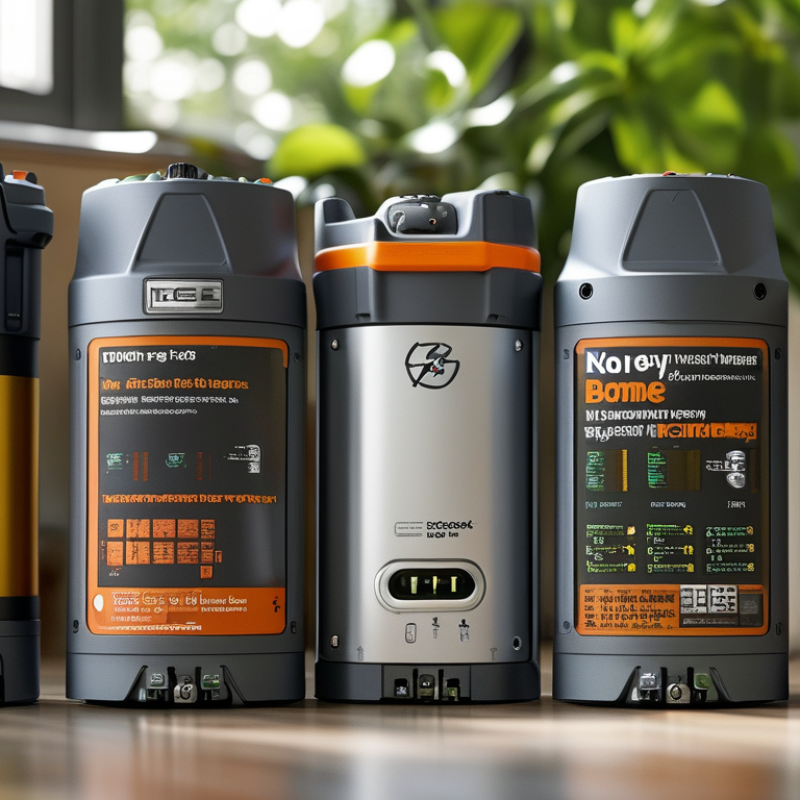
Understanding your home's energy needs is crucial when selecting a residential battery. Start by assessing your average energy consumption. According to the U.S. Energy Information Administration, the average American home uses about 877 kWh per month. This figure can vary based on factors like the number of occupants and the home's insulation.
Identify your peak usage times. For instance, if your family consumes energy primarily in the evening, a battery with sufficient capacity to cover that demand is essential. Homeowners should consider a battery that can store at least 10-15 kWh to manage evening loads efficiently. A report from the National Renewable Energy Laboratory shows that a well-sized battery can reduce reliance on the grid by approximately 40%.
It is also important to evaluate potential future energy needs. As lifestyles change, so do energy requirements. A growing household may need more power for additional appliances. Regularly monitoring your consumption can provide insights into when it might be necessary to upgrade your battery system. A flexible approach helps in adapting to these changes while ensuring that your energy needs are consistently met.
When choosing a residential battery, understanding different types can immensely impact your decision. Lithium-ion batteries dominate the market due to their high energy density and efficiency. Reports indicate that these batteries can store 90% of the energy generated from renewable sources, making them a powerhouse for residential use. On the other hand, lead-acid batteries, while cheaper, generally have a shorter lifespan and lower efficiency.
Different batteries serve distinct needs. For instance, gel and AGM batteries offer better safety and longevity but come at a higher cost than traditional flooded lead-acid options. A recent study highlighted that lithium-ion batteries can last over 10 years, while lead-acid variants typically last just 3 to 5 years. Evaluating your energy needs is crucial when selecting a battery.
Consider monitoring your daily energy consumption. This data will guide your choice of battery capacity and type. Remember that installing proper storage can lead to substantial savings on your energy bills. Reflecting on your energy habits may reveal the need for flexibility in your battery system. Keep in mind that innovation in this sector is rapid, so staying informed can benefit your long-term investment.
When selecting a residential battery, key features are crucial. One of the most significant attributes is capacity. Residential batteries come in various sizes — typically measured in kilowatt-hours (kWh). The average home requires 10-15 kWh for daily usage. A battery with a higher capacity can store more energy, providing longer backup during outages. According to the U.S. Energy Information Administration, homes with solar panels paired with a suitable battery storage system can reduce electricity bills significantly.
Another essential feature is the discharge rate. This metric indicates how quickly a battery can release its stored energy. A high discharge rate is beneficial during peak usage times. On the contrary, a battery with a low discharge rate may struggle to meet energy demands during critical periods. Research shows that batteries with a fast discharge rate can effectively handle power surges from home appliances.
Efficiency also plays a pivotal role. This is often expressed as a percentage indicating how much stored energy can be used. The average residential battery efficiency ranges from 80% to 95%. Lower efficiency can lead to wasted energy, which is less desirable for homeowners. These factors highlight the importance of thorough research and consideration when choosing a battery system for residential use. There will always be more aspects to consider — such as warranty, lifespan, and installation costs — that require careful evaluation.
When considering a residential battery, understanding costs is crucial. Upfront expenses can vary greatly. Installation fees, battery type, and local permits add to initial costs. A lithium-ion battery, for instance, tends to be pricier upfront. It offers efficiency and longevity. In contrast, lead-acid batteries are cheaper but may require replacements sooner.
Long-term costs can be trickier. Maintenance, energy savings, and potential incentives affect overall expenses. Some batteries require regular checks, which can increase costs over time. Homeowners should also evaluate potential savings from using stored energy during peak times. These factors impact the battery's net cost over its lifespan. Energy independence is appealing but comes with ongoing evaluations of efficiency and performance.
Unexpected issues may arise. A poorly chosen battery can lead to higher expenses in the long run. It’s essential to analyze both immediate needs and future expectations. Consultation with experts can clarify potential outcomes. Many consumers overlook this step, which can skew budget plans. A well-informed choice could provide substantial savings. Evaluating all aspects might seem daunting, but it ensures a more viable investment.
| Battery Type | Upfront Cost ($) | Maintenance Cost/Year ($) | Lifespan (Years) | Total Cost Over 10 Years ($) |
|---|---|---|---|---|
| Lithium-Ion | 8000 | 200 | 10 | 10000 |
| Lead Acid | 5000 | 150 | 5 | 7750 |
| Flow Battery | 12000 | 300 | 10 | 12000 |
| Nickel-Cadmium | 7000 | 250 | 7 | 9000 |
When considering home battery installation, several factors demand attention. Understanding the space available is crucial. Ensure that your chosen battery fits comfortably in your garage or utility area. Many homeowners overlook necessary ventilation. Proper airflow can prolong battery life and enhance performance, reducing the risk of overheating.
Maintenance is another aspect that requires diligence. Regularly checking the battery's state of charge can prevent unexpected failures. A report by the Energy Storage Association highlights that batteries that are well-maintained can last up to 15 years. Neglecting this can lead to reduced efficiency and higher costs in the long run.
Battery management systems (BMS) play a pivotal role in optimizing performance. They monitor the battery’s health and can provide alerts for any potential issues. However, not all batteries come with sophisticated BMS. Homeowners should ask about this before installation. Frequent checks and understanding battery cycles contribute to overall reliability. A lack of knowledge about these factors can lead to wasted investments and lower-than-expected performance.
: Understanding your energy needs helps select the correct battery size and capacity to meet consumption demands.
You can check your monthly energy bills to gauge your average usage, which is about 877 kWh for many homes.
Peak usage times are when energy consumption is highest, like evenings for families. Batteries should be sized accordingly.
A battery should ideally store at least 10-15 kWh to manage evening energy loads effectively.
Maintenance, potential energy savings, and local incentives play vital roles in determining long-term expenses.
Choosing the wrong battery can lead to higher costs and frequent replacements, affecting your overall savings.
Regularly check the battery’s state of charge. This helps prevent unexpected failures and ensures efficient performance.
No, not all batteries include BMS. It's crucial to inquire about this feature before installation for optimal performance.
While batteries can provide energy independence, they require ongoing evaluation to ensure efficiency and cost-effectiveness.
Space for the battery, proper ventilation, and airflow are essential for performance and longevity. Neglecting these could be costly.
When selecting the best residential battery for your home, it's crucial to first understand your energy needs, including your consumption patterns and potential backup requirements. Evaluating different types of residential batteries—such as lithium-ion, lead-acid, and saltwater batteries—will help you determine which option best meets your efficiency and storage demands.
Key features to consider include capacity, longevity, recharge cycles, and safety ratings. Additionally, conducting a cost analysis that explores both upfront and long-term expenses will enable you to make a financially sound decision. Finally, installation and maintenance considerations are also essential, as they can impact the overall performance and durability of your chosen residential battery. By carefully assessing these factors, you can ensure a reliable energy solution for your home.

Lithium Idea