In an era increasingly reliant on digital devices, the importance of backup batteries cannot be overstated. They empower users to maintain connectivity and functionality during power outages or when traveling. Industry expert Dr. Helen Carter emphasizes, “The right backup battery can be a game-changer, ensuring you stay powered in critical moments.”
As the market diversifies, global buyers face a plethora of options in choosing a backup battery. Variations in capacity, size, and charging speed can significantly impact your experience. Some products may fall short of their advertised capabilities, leading to user frustration. It’s essential to consider not only performance but also reliability and brand reputation in this evolving landscape.
While many brands boast impressive specifications, real-world testing often reveals inconsistencies. Users must remain critical and informed. The perfect backup battery may not exist for everyone, as individual needs vary widely. Evaluating personal use scenarios is key to making a wise selection. Balancing features and price can lead to tough choices, but informed consumers can navigate this complex market effectively.
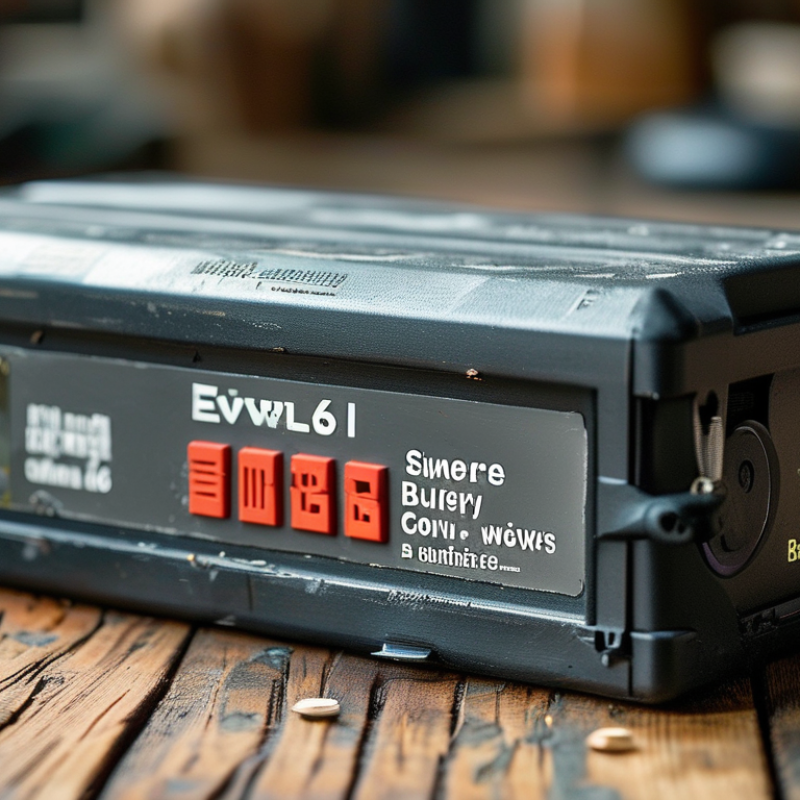
As of 2026, the backup battery market showcases a variety of options tailored for diverse consumer needs. Lithium-ion batteries remain popular for their efficiency and longer lifespan. According to a recent report by Research and Markets, the global lithium-ion market is expected to surpass $90 billion by 2026. These batteries often power portable devices, making them ideal for tech-savvy users. However, the environmental concerns associated with lithium extraction are prompting shifts towards alternatives.
Another notable category is lead-acid batteries, which still hold around 35% of the market share. Their reliability is commendable, particularly for larger storage systems in homes. However, they face critiques on weight and maintenance requirements. Some users report difficulties with longevity compared to newer technologies. The demand for renewable energy solutions has ignited interest in solar battery systems as well. These systems, designed for off-grid living, are gaining momentum, yet their upfront costs can be prohibitive for many consumers.
Considering the array of options, it is essential for buyers to evaluate their specific needs. Understanding the limitations and benefits of each type can lead to better decision-making. Not every technology suits every situation, and some users may find that traditional lead-acid options meet their requirements more effectively than advanced alternatives. Balancing performance with practicality remains crucial as the market continues to evolve.
When choosing a backup battery, several key features stand out for global buyers. Capacity is a primary concern. It is measured in milliamp hours (mAh) or watt-hours (Wh). A higher capacity indicates longer usage time. Reports show that batteries with over 20,000 mAh are ideal for multiple devices. However, larger capacity often increases weight and size, leading to potential portability issues.
Another important factor is charging speed. Fast charging capabilities can be significant during emergencies. Many consumers overlook this in favor of capacity. Yet, data indicates that batteries supporting 18W charging or higher are becoming the standard. Durability and warranty are also crucial. A robust battery can withstand temperature fluctuations and physical stress. Research highlights that batteries rated for over 500 charge cycles offer better longevity. This is essential for long-term investment.
Compatibility with various devices should not be ignored. As technology evolves, users need batteries that support multiple environments. Batteries with USB-C ports are increasingly favored due to their versatility. However, the complexity of device compatibility sometimes creates confusion. Many users need to research their specific needs before making a purchase. Finding a balance among these factors can be challenging yet vital for making an informed decision.
| Battery Type | Capacity (Wh) | Weight (lbs) | Charge Time (hrs) | Price (USD) |
|---|---|---|---|---|
| Lithium-Ion | 500 | 12 | 2 | 250 |
| Lead-Acid | 300 | 25 | 6 | 150 |
| NiMH | 400 | 18 | 4 | 200 |
| Portable Power Station | 800 | 30 | 8 | 350 |
| Solar Battery | 600 | 22 | 5 | 300 |
When selecting backup batteries, knowing the top brands is crucial for global buyers. Industry reports indicate that high-capacity lithium-ion batteries dominate the market. These are favored for their lightweight and long life. The global demand for backup power solutions is expected to grow by 25% over the next five years. This growth is driven by the increasing reliance on renewable energy sources, which require efficient storage options.
Some effective models incorporate advanced features, like solar compatibility. They also provide multiple output options, catering to various devices. A study highlighted that portable batteries with fast charging capabilities are particularly popular among consumers. However, not all models perform well. Real-world testing has shown that some units fail to meet capacity claims, leading to customer dissatisfaction.
Buyers must remain vigilant and compare features meticulously. Energy capacity, charging speed, and safety certifications are essential criteria. Reviews can provide insights, but one must consider whether they represent diverse usage scenarios. As the market evolves, staying informed helps ensure a satisfying purchase experience.
When looking for the best backup battery options, performance and cost-effectiveness are key factors. Many buyers have different needs based on their lifestyle and usage. A backup battery should effectively power devices during outages or remote adventures. Comparing various models helps identify which suits your specific situation best.
Battery capacity is often measured in milliampere-hours (mAh). Higher capacity batteries tend to last longer but might come at a higher price. Use this information to determine what fits your energy needs without overspending. It's worth noting that some batteries lose capacity over time. Thus, consider investing in models that have strong longevity reviews.
When selecting a backup battery, look for features beyond just power. Weight and portability are essential, especially if you plan to carry it around. Some batteries offer additional functionalities, like solar charging. This can be an essential advantage for outdoor enthusiasts. Evaluate your options, reflecting on what features you truly need. Not all high-priced models deliver in performance; sometimes, budget picks might suit your needs perfectly.
When choosing backup batteries in 2026, customer reviews are invaluable. Buyers emphasize the importance of reliability. Many prefer options with longer life cycles. A common concern is the weight of the batteries. Lighter models get higher ratings for portability and ease of use.
Feedback often highlights charging speed. Users want batteries that can recharge quickly and efficiently. Those who use batteries for emergencies share their experiences. They appreciate models that maintain their charge for longer periods. Brand trust matters as well. Customers frequently mention the need for robust warranties and support.
Pay attention to the specs listed in customer reviews. Real-life experiences provide honest insights. Look for batteries with good performance in extreme conditions. Don’t ignore negative reviews, either. They often reveal potential issues that could impact your purchase decision. Always compare multiple options before making a choice. Each model offers unique features, and some users may overlook critical details.
: Consider capacity, charging speed, durability, compatibility, and portability. These factors influence your choice significantly.
Battery capacity is usually measured in milliamp hours (mAh) or watt-hours (Wh). Higher capacity means longer usage time.
Fast charging can be crucial during emergencies. Aim for batteries that support 18W charging or higher.
Yes, lighter models are often preferred for portability. Heavier batteries can be cumbersome to carry.
Look for batteries rated for over 500 charge cycles. This indicates better longevity and performance over time.
Research your devices before purchasing. Compatibility can vary greatly, and USB-C ports offer more versatility.
Yes, customer reviews provide valuable insights. Pay attention to both positive and negative feedback for a balanced view.
Not necessarily. Some budget models perform well. Evaluate your needs to avoid overspending on unnecessary features.
Yes, some backup batteries offer solar charging capabilities, which is great for outdoor adventures. Consider your usage scenarios.
Examine specifications, features, and customer feedback. Comparing models helps identify the one best suited to your needs.
In 2026, backup batteries have become essential for consumers seeking reliable energy solutions. This overview explores the various types of backup batteries available, highlighting their differences in technology and application. When selecting a backup battery, it is crucial to consider key features such as capacity, recharge time, portability, and safety mechanisms.
Top models in the market demonstrate notable improvements in performance and cost-effectiveness, making them appealing options for global buyers. A comparative analysis reveals not only the financial viability of these products but also their effectiveness, as evidenced by customer reviews and ratings. As the demand for backup energy solutions continues to rise, understanding these factors will help consumers make informed decisions when investing in backup batteries.

Lithium Idea