2026 Best Off Grid Home Battery for Global Buyers?

Time:2026-10-12 Author:Oliver
0%

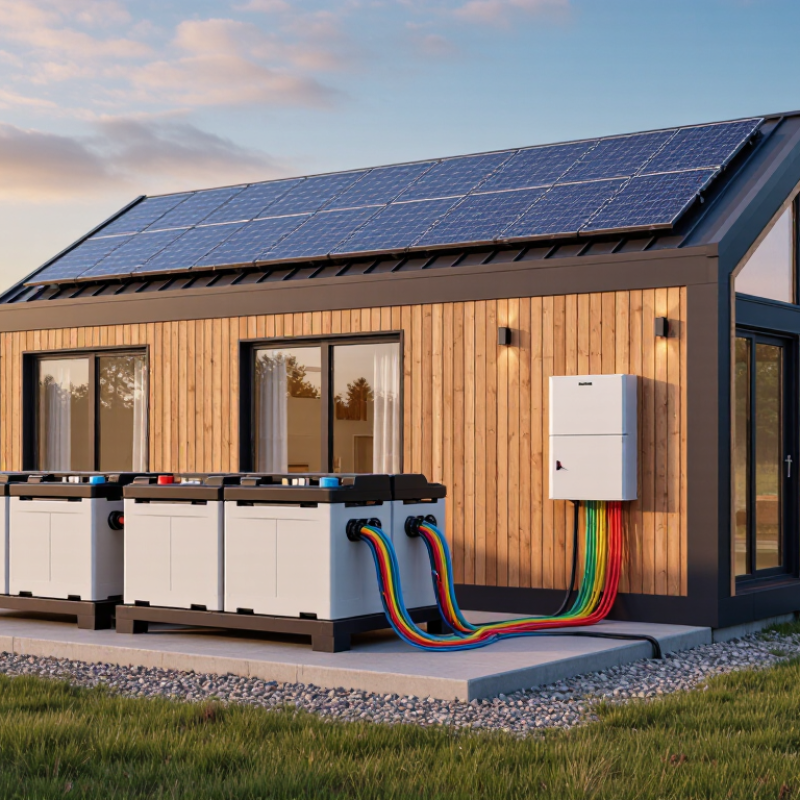
Choosing the 2026 Best Off-Grid Home Battery for Global Buyers is not a simple ranking exercise. Real homes differ. A cabin in Canada needs cold-weather performance, while a coastal home in Kenya may face heat, humidity, and salt air. The right system must match local solar output, daily consumption, backup priorities, and available technical support.

This guide examines each Off-Grid Home Battery through practical criteria. We consider usable capacity, battery chemistry, round-trip efficiency, charging speed, inverter compatibility, monitoring tools, and warranty terms. Safety certifications and installation requirements also matter. A battery may look affordable on paper, yet replacement parts or specialist service can change its long-term value. Small details matter.

The comparison is designed for homeowners, installers, and international buyers who need dependable energy beyond the utility grid. It draws on manufacturer documentation, technical specifications, field-oriented considerations, and common off-grid design practices. However, no product is perfect. Published performance can differ from real results because of temperature, aging, wiring losses, and uneven sunlight. That limitation deserves attention. A useful recommendation should explain trade-offs, not simply praise the largest capacity or lowest price. Before purchasing, buyers should confirm local electrical rules, installer qualifications, shipping conditions, and after-sales support. These checks may feel slow, but they can prevent expensive surprises when the lights go out.
2026 Best Off Grid Home Battery for Global Buyers?

Define Off-Grid Needs Around 1–3 Days of Autonomy and 80–90% DoD

For global buyers, an off-grid battery should match daily habits, not showroom promises. In field planning, I begin with real electricity use: refrigeration, water pumps, lighting, communications, and occasional tools. Record consumption for at least two weeks. Guessing often produces an expensive battery that still fails during cloudy weather.

A practical target is one to three days of autonomy. If a cabin uses 5 kWh daily, three days require 15 kWh of usable energy. At 85% depth of discharge, the nominal battery capacity should be about 17.6 kWh, before inverter and wiring losses. Allowing roughly 20% extra brings the planning figure near 22 kWh. Keep reserve capacity.

5 kWh daily → 15 kWh usable → 22 kWh planning figure

Depth of discharge matters more than many buyers expect. Using only 80–90% of a battery’s rated capacity can reduce stress and protect useful service life. However, a larger battery costs more and may remain underused in sunny months. That trade-off deserves honest review. Poorly measured loads are the weak point. Very small standby consumption can also add up overnight. Cold temperatures, dust, ventilation, and replacement access should influence the final choice. A reliable system needs compatible safety controls, clear monitoring, and installation that follows local electrical requirements. One impressive specification is not enough.

Compare LFP and NMC Using 4,000+ Cycle Life and IEC 62619 Safety Criteria

For global off-grid buyers, cycle life matters more than impressive capacity figures. An LFP battery rated above 4,000 cycles can support roughly eleven years at one cycle daily. That estimate assumes controlled temperature and moderate discharge depth. Real cabins are less predictable.

The International Energy Agency reported that LFP chemistry represented about 40% of electric vehicle batteries deployed in 2023. Its lower cost and strong thermal stability suit stationary storage. NMC usually offers higher energy density, reducing cabinet size. However, heat, deep discharge, and poor balancing can shorten either chemistry’s service life. The number is not magic.

IEC 62619 provides safety requirements and tests for industrial lithium secondary cells and batteries. Buyers should request evidence of testing, protection settings, enclosure design, and installation guidance. A credible specification should state cycle conditions, including temperature, discharge rate, and remaining capacity. “4,000 cycles” without those details is incomplete. I would also check cold-weather charging limits, because off-grid winter systems can face freezing mornings and weak solar recovery. Reports from the IEA and IEC offer useful reference points, but neither replaces site-specific engineering. A battery may pass laboratory testing and still perform poorly when ventilation, wiring, or maintenance is neglected.

2026 Best Off Grid Home Battery for Global Buyers? — Compare LFP and NMC Using 4,000+ Cycle Life and IEC 62619 Safety Criteria
Evaluation Dimension LFP (Lithium Iron Phosphate) NMC (Nickel Manganese Cobalt Oxide) Off-Grid Buying Implication
Typical nominal cell voltage Approximately 3.2 V per cell Approximately 3.6–3.7 V per cell Both chemistries require a compatible battery management system, charger, inverter, and protection settings.
Usable energy window Typically 80–95% depth of discharge when managed within the manufacturer’s operating limits. Typically 80–90% depth of discharge, depending on the cell design and operating conditions. A larger usable window can reduce the nominal capacity needed for overnight and low-sun periods.
Cycle life at approximately 80% depth of discharge About 4,000–8,000 cycles is a common engineering range for quality cells operated under controlled conditions. About 1,500–3,000 cycles is a common range; some specialized designs may achieve more. For daily cycling, LFP is generally the stronger choice when a service life of 4,000+ cycles is a key requirement.
Expected daily-cycling service life Approximately 11–22 years at one full equivalent cycle per day, before reaching the specified end-of-life capacity threshold. Approximately 4–8 years at one full equivalent cycle per day under comparable conditions. Actual life depends on temperature, charge rate, discharge depth, storage state of charge, and end-of-life definition.
Gravimetric energy density Typically about 90–160 Wh/kg at cell level. Typically about 150–250 Wh/kg at cell level. NMC can reduce weight and footprint, while LFP usually offers better longevity for stationary storage.
Thermal stability Higher thermal stability and a generally higher resistance to thermal runaway than NMC. Lower thermal stability than LFP because of its higher energy density and nickel-containing cathode chemistry. LFP is usually more forgiving for homes, garages, utility rooms, and remote installations, but it still requires proper protection.
Cold-weather charging Charging below 0°C can cause lithium plating; low-temperature charge protection or battery heating is required. Charging below 0°C can also cause lithium plating and requires temperature control or charge restriction. For cold climates, verify the minimum charging temperature, heater operation, insulation, and BMS cut-off settings.
High-temperature operation High temperatures accelerate aging; continuous operation above approximately 45°C should generally be avoided unless specifically permitted. High temperatures also accelerate aging and can increase safety stress; careful thermal management is especially important. Install the battery in a dry, ventilated location away from direct sunlight and other heat sources.
Power capability Good continuous power capability; short-term performance depends on cell design and BMS current limits. Often offers strong power and energy density, but allowable current is highly design-dependent. Size the battery using both continuous and peak loads, including pumps, refrigerators, compressors, and inverters.
Fire and safety profile Generally lower thermal-runaway risk than NMC, but it remains a high-energy lithium battery and can still ignite if abused or damaged. Requires particularly careful electrical, thermal, mechanical, and installation protection because of its higher energy density. Neither chemistry is automatically safe without a suitable enclosure, BMS, fusing, installation method, and emergency procedures.
IEC 62619 relevance Suitable products should provide evidence of compliance or certification to the applicable edition and scope of IEC 62619. Suitable products should provide the same evidence; chemistry alone does not demonstrate IEC 62619 compliance. IEC 62619 is a safety standard for industrial lithium secondary cells and batteries. Ask for a current test report or certificate covering the exact battery model.
Key IEC 62619 safety areas Battery design should address protection against abnormal conditions such as overcharge, external short circuit, overheating, and misuse. The same safety areas apply, with additional attention to thermal management and propagation control. Check BMS protections, overcurrent devices, temperature sensing, enclosure design, cell balancing, and documented test results.
Maintenance requirements Low routine maintenance; periodic inspection of connections, enclosure condition, temperature, alarms, and state-of-charge readings is recommended. Low routine maintenance, with the same inspection needs and closer attention to temperature and aging indicators. Remote monitoring and event logging are valuable for cabins, telecommunications sites, and other unattended systems.
Best fit for off-grid homes Daily solar shifting, long backup duration, frequent cycling, and installations where long service life is prioritized. Weight- or space-constrained installations where higher energy density is more important than maximum cycle life. For most stationary off-grid homes requiring 4,000+ cycles, LFP is typically the more practical default, subject to verified product-level safety documentation.
Data qualification Ranges are representative engineering values, not guarantees for every battery. Cycle ratings must be checked against the exact test conditions. Ranges are representative engineering values, not guarantees for every battery. Results vary by cathode formulation, cell format, and operating profile. Compare capacity retention threshold, temperature, charge/discharge rate, depth of discharge, warranty terms, and test standard before purchase.
Important: Cycle-life figures are normally reported under controlled laboratory conditions and may use an end-of-life threshold such as 70% or 80% of initial capacity. Actual off-grid performance can be lower because of heat, cold, partial cycling, high loads, long storage periods, and installation conditions. IEC 62619 compliance is product-specific and must be verified for the complete battery model, not inferred from the chemistry alone.

Calculate Battery Capacity with 10–20% Inverter Losses and Cold-Weather Derating

Choosing the best off-grid home battery in 2026 starts with honest energy calculations, not advertised capacity. Measure daily loads, including pumps, refrigeration, lighting, and overnight heating. If a home needs 8 kWh daily, a 15% inverter loss leaves only 85% usable energy. Cold weather can reduce battery output further, especially below freezing.

Use this practical formula:

required capacity = daily energy ÷ inverter efficiency ÷ cold-weather factor ÷ usable depth of discharge

For 8 kWh, 85% inverter efficiency, 80% cold performance, and 90% usable discharge, the result is about 13.1 kWh.

A 14 kWh system may provide a safer margin.

However, real temperatures, battery chemistry, cable length, and charging conditions can change the result. The estimate is useful, but not perfect.

Tips:

Record the lowest nighttime temperature near the battery, not just the outdoor forecast.

Add extra capacity for cloudy days and unexpected loads.

Check the battery’s cold-charging limits carefully.

Many sizing mistakes happen because users calculate winter performance from summer data.

Keep the inverter’s continuous and surge ratings aligned with demanding appliances.

A large battery cannot compensate for an undersized inverter.

Recheck the figures after one month of actual use.

Check Global Compatibility: 90–95% Round-Trip Efficiency and Local Codes

Global buyers should treat 90–95% round-trip efficiency as a target, not a guarantee. The 2024 Levelized Cost of Storage report places lithium-ion systems broadly within this efficiency range. Real homes may achieve less. Inverter conversion, standby consumption, cable losses, and cold weather can reduce usable energy.

Compatibility involves more than voltage. Check the local grid frequency, phase configuration, battery chemistry, inverter certification, and islanding controls. IEC 62109 covers power-converter safety, while IEC 62619 addresses industrial lithium battery safety. Local electrical authorities may also require permits, spacing, fire protection, and certified installation. A battery can work technically yet fail inspection.

Tips: Request tested round-trip efficiency at your expected load. Ask for results at 25°C and low temperatures. Verify continuous output, not only peak power. Compare usable capacity after reserve settings. Keep written records of certificates and installer training.

The International Energy Agency’s 2024 batteries report indicates that global energy storage deployment must expand sharply before 2030. That growth will not make every system globally compatible. Regional codes still differ. A model designed for one market may need different protection settings elsewhere. I would also question optimistic efficiency sheets. They often exclude auxiliary loads. A household using small evening loads may experience surprisingly higher losses. Test local conditions before purchase.

2026 Best Off-Grid Home Battery for Global Buyers?

This reference chart compares common residential AC supply conditions across major markets. A suitable off-grid battery inverter should support the local nominal voltage and frequency, while a 90–95% round-trip efficiency target helps reduce energy losses during charging and discharging.

Market Reference Nominal AC Voltage Frequency Common Code or Standard Reference
North America 120 V 60 Hz National electrical and energy-storage requirements
United Kingdom 230 V 50 Hz BS 7671 and applicable UK product requirements
European Union 230 V 50 Hz IEC and applicable national installation rules
Australia and New Zealand 230 V 50 Hz AS/NZS 3000 and applicable energy-storage requirements
Japan 100 V 50 or 60 Hz Local electrical and grid-interconnection requirements

Voltage and frequency values are widely used nominal residential supply references. Local authorities may impose additional requirements for fire safety, grid connection, enclosure location, battery certification, and installation. The 90–95% figure is a practical reference target rather than a guarantee for every system or operating condition.

Benchmark 2026 Value Against BNEF’s $115/kWh Average Pack Price in 2024

2026 Best Off Grid Home Battery for Global Buyers?

Benchmark 2026 Value Against the $115/kWh Average Pack Price in 2024

The $115/kWh average pack price reported for 2024 offers a useful starting benchmark. It is not a complete off-grid system cost. A household still pays for an inverter, enclosure, battery management system, wiring, shipping, and installation.

For example, a 10 kWh battery equals $1,150 at the pack benchmark. Real project pricing can rise sharply after protection hardware and local labor. Remote properties may also face customs fees, difficult roads, and longer service intervals. The cheapest quoted battery is not always the strongest value.

Look beyond the purchase invoice. Check usable capacity, round-trip efficiency, cycle-life testing, operating temperature, and warranty conditions. A battery rated for 6,000 cycles may deliver better value than one with a lower initial price. However, cycle claims depend on depth of discharge and temperature. Marketing sheets often simplify this part.

I would not call the $115/kWh comparison perfect. Pack prices and installed prices measure different things. Still, it helps expose inflated offers. Ask for a line-item quotation and verified test documents. Confirm whether replacement parts remain available in your country. A practical system should support several cloudy days without forcing excessive discharge. That requirement can make a smaller, cheaper battery a poor choice.

FAQS

How do I calculate the battery capacity needed for an off-grid home?

Divide daily energy use by inverter efficiency, cold-weather factor, and usable discharge. For 8 kWh daily use, the estimate reaches about 13.1 kWh. A 14 kWh system adds a practical margin. The estimate is not perfect.

Why should cold weather change my battery calculation?

Freezing conditions can reduce battery output and charging ability. Measure the lowest temperature beside the battery, not only outdoor forecasts. Winter performance may differ sharply from summer data. Cold weather matters.

How much inverter loss should I expect?

A 15% inverter loss leaves about 85% of stored energy usable. Standby consumption, cables, and conversion can create additional losses. A published efficiency figure may exclude auxiliary loads. Check real test results.

What battery information should I verify before buying?

Check usable capacity, continuous output, surge power, cycle testing, and temperature limits. Review reserve settings and charging restrictions below freezing. Cycle claims depend on discharge depth and operating temperature. Marketing figures can look too simple.

Can a large battery operate demanding household appliances?

Not always. The inverter must support continuous loads from pumps, refrigeration, heating, and other appliances. Its surge rating must handle startup currents safely. A large battery cannot fix an undersized inverter.

What does round-trip efficiency mean for an off-grid system?

Round-trip efficiency measures energy retained after charging and discharging. A 90–95% target can decrease under cold conditions or light household loads. Inverter conversion, cables, and standby use reduce actual results. Test your conditions.

How can I check whether a battery is locally compatible?

Confirm voltage, grid frequency, phase configuration, chemistry, and inverter settings. Check required permits, spacing, fire protection, and certified installation procedures. Safety certificates and installer training records should be available. Technical compatibility does not guarantee approval.

Is a 2024 pack-price benchmark useful for comparing 2026 systems?

A $115-per-kWh pack benchmark offers a rough starting point. It excludes inverters, enclosures, wiring, shipping, labor, and installation. Remote properties may face customs charges and longer service intervals. The comparison is helpful, but incomplete.

How much extra capacity should I plan for cloudy days?

Add capacity for several cloudy days and unexpected evening loads. Record actual consumption for one month after installation. Then adjust reserve settings or future capacity decisions. Real use may disagree.

Conclusion

Choosing the best Off-Grid Home Battery in 2026 starts with matching storage to real household needs rather than relying on headline capacity. Most independent systems should target roughly one to three days of autonomy, while allowing an 80–90% depth of discharge to preserve usable energy and service life. Lithium iron phosphate (LFP) is often favored for its stability and potential for 4,000 or more cycles, while nickel manganese cobalt (NMC) may offer greater energy density. Safety evaluation should include recognized requirements such as IEC 62619.

Accurate sizing must account for daily consumption, inverter losses of approximately 10–20%, and reduced performance in cold weather. Global buyers should also verify compatibility with local electrical codes, solar equipment, voltage standards, and installation rules. A practical system may deliver around 90–95% round-trip efficiency, but actual results depend on operating conditions. Finally, compare the complete 2026 system cost—not only the battery—with the 2024 average pack benchmark of about $115 per kWh to judge long-term value.


Oliver

Oliver

Oliver is a seasoned marketing professional with a wealth of expertise in driving brand awareness and engagement. With a deep understanding of our company's product offerings, he consistently delivers high-quality content that enriches our professional blog. His insights not only shed light on......